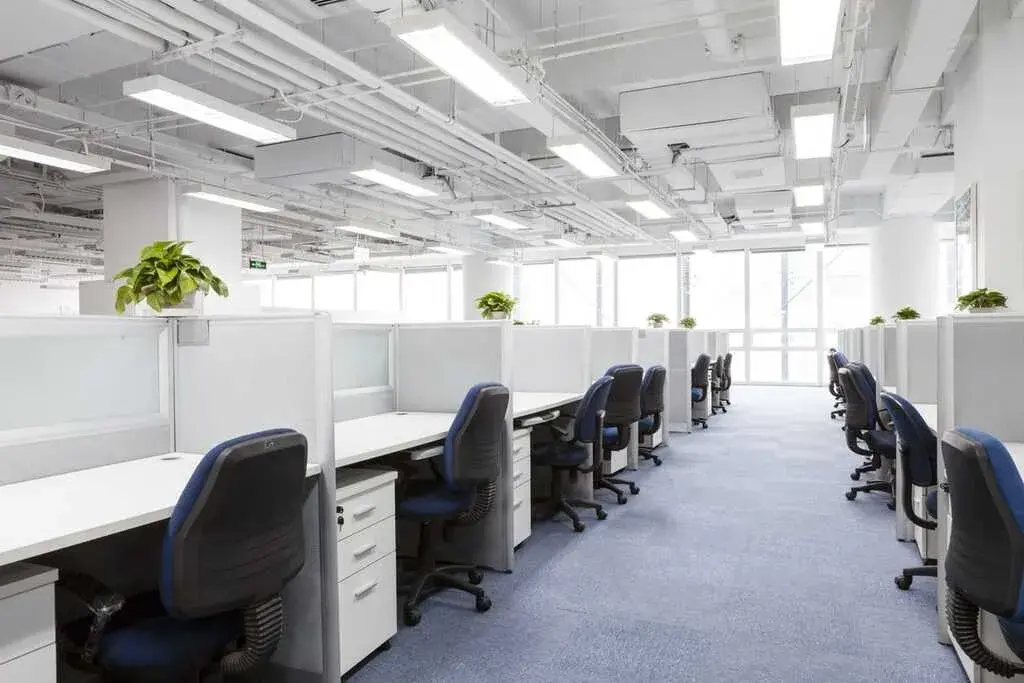
Believe it not, making a space feel energetic and inviting is truly an artform. Not everyone can do it, but, thankfully, everyone can learn how to do it. When it comes to designing an office, you want the interior design to feel warm and accommodating. However, try not to make it so cosy that employees feel unproductive.
If you’re reading this and you haven’t got a clue what we’re on about, don’t worry, this is the article for you. In this blog, we will be sharing our top interior design tricks, so all you have to do is read through and take on board the points you like. Without further ado – here are best ways to create an inviting office space.
Add Texture to The Room
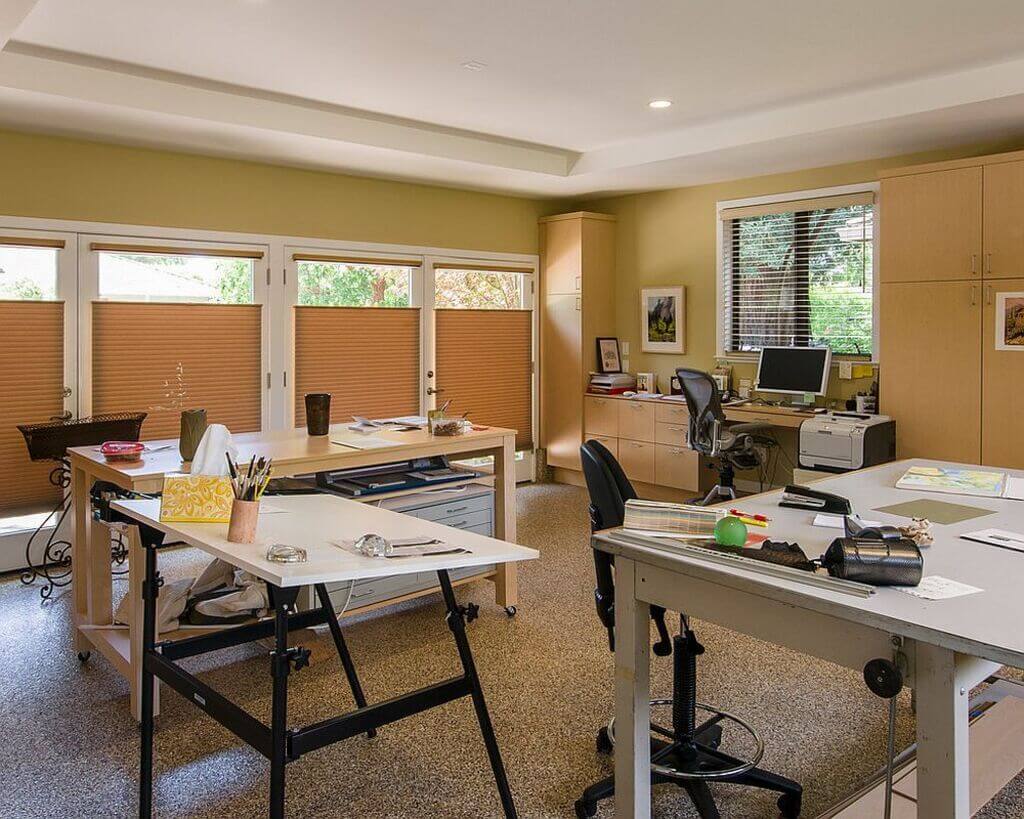
When you don’t add enough texture in a space, it can feel rather bland and one-dimensional. To avoid your office looking cold and uninviting, we recommend you add plenty of texture to the room. One way you can quickly overcome this obstacle is by opting for commercial flooring like carpet.
Create Social Spaces
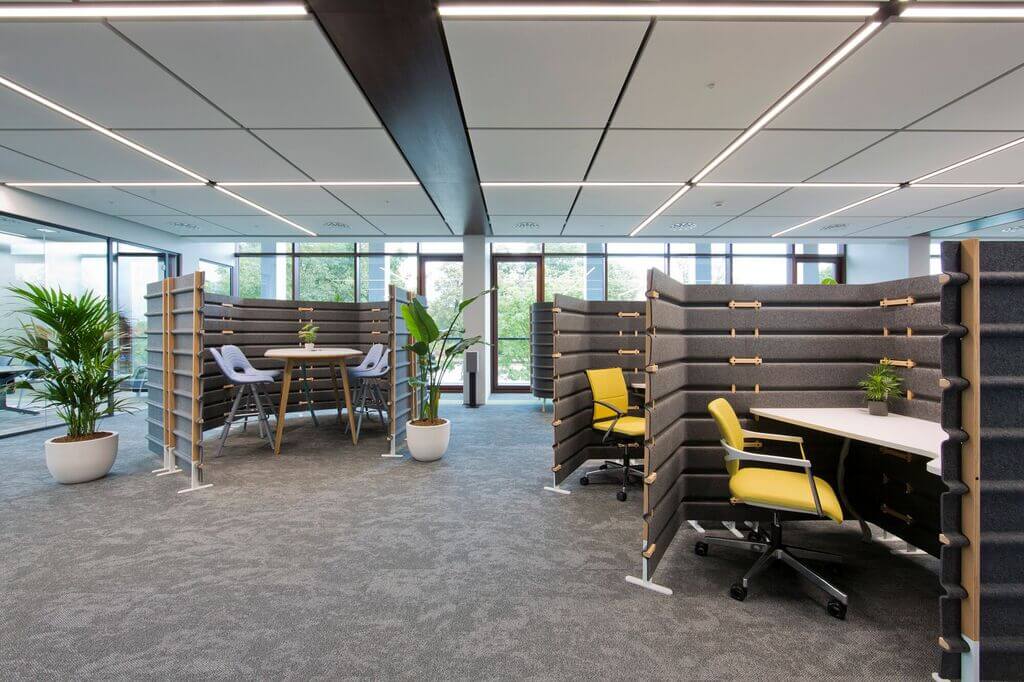
Make sure that the spaces you create within your office are intentional. For example, if you’re dealing with plenty of customer walk-in’s, create an open lobby with spaces for people to wait. If there are mainly employees using the space, create small meeting areas where they can come together and discuss any work-related issues.
Include Signs
In order for an office to function as best as possible, it’s important to establish some kind of flow. You can do so by including plenty of signs around the space. Some of these will be legal requirements, such as the fire exit; however, you can also create signs for the kitchen, bathroom, and meeting spaces.
Enforce a Clutter Free-Policy
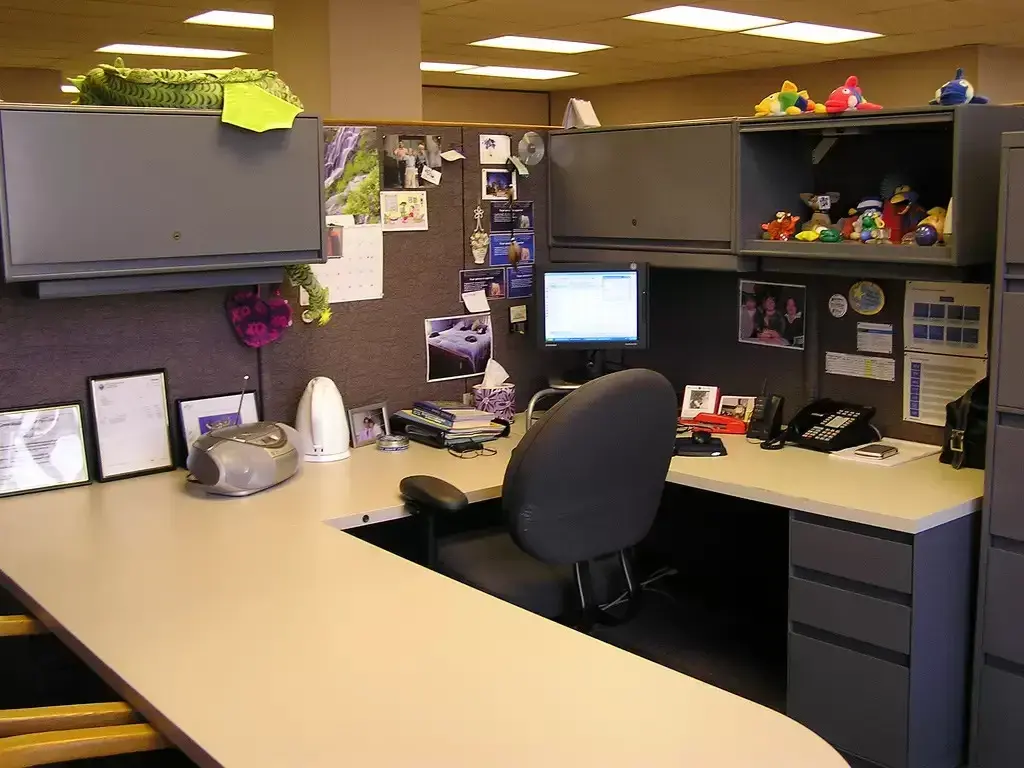
Having a clear and organised office will help keep the mind of those working in the space as sharp as possible. The best way to ensure the office remains clutter-free is by enforcing a policy. Let your employees know they are responsible for keeping their designated area neat and tidy. Sure, you probably have a cleaner come in to handle the deep cleaning, but it’s up to the employees to keep the place looking respectable.
Use a Colour Scheme
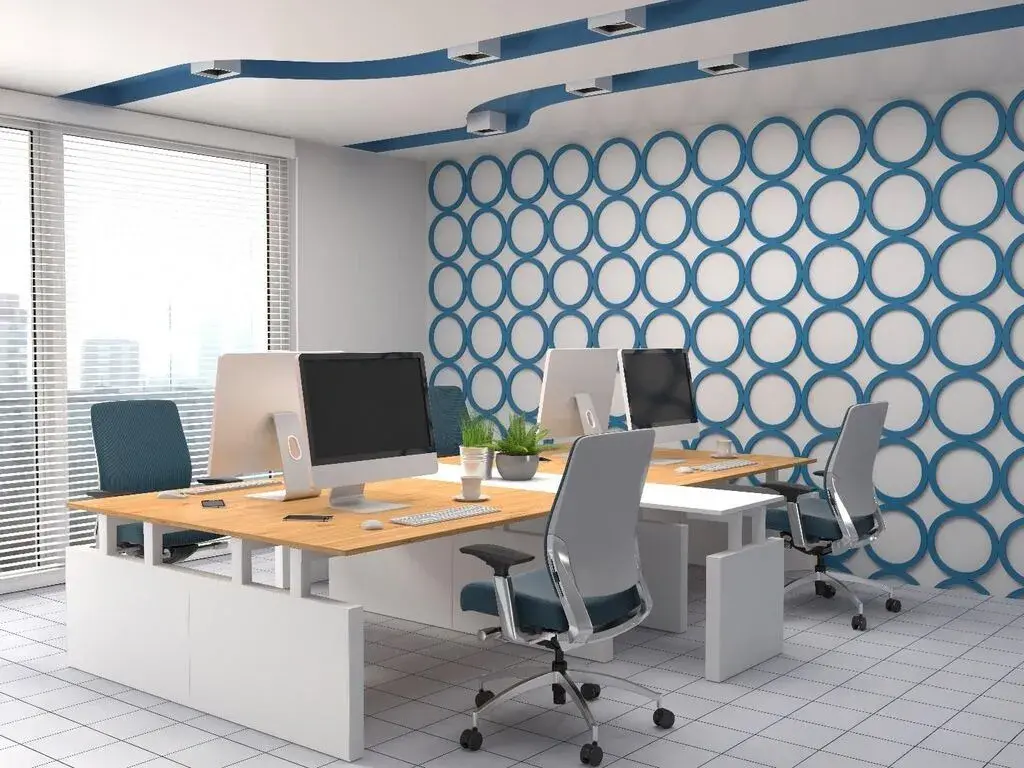
Offices tend to look rather uninviting because they avoid any use of colour. However, incorporating a colour scheme, such as the colours of your logo, is a great way to give the space a new lease of life. For example, if your logo has the colour orange in it, you can add some orange toned pillows in the office seating area. Plus, this is a fantastic way to promote company culture.
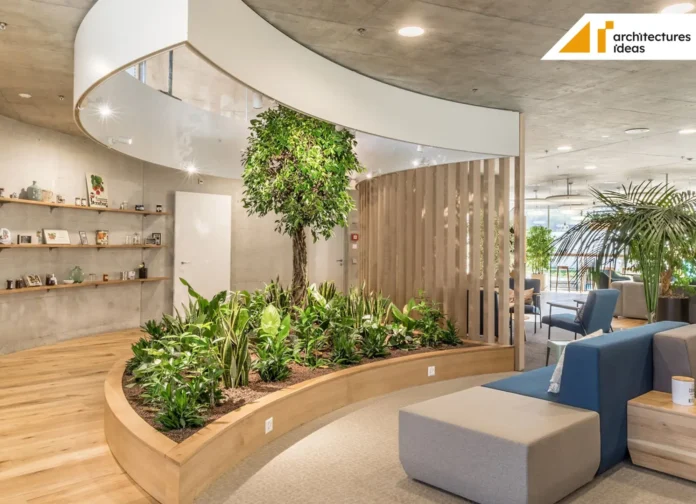
Don’t Forget the Greenery
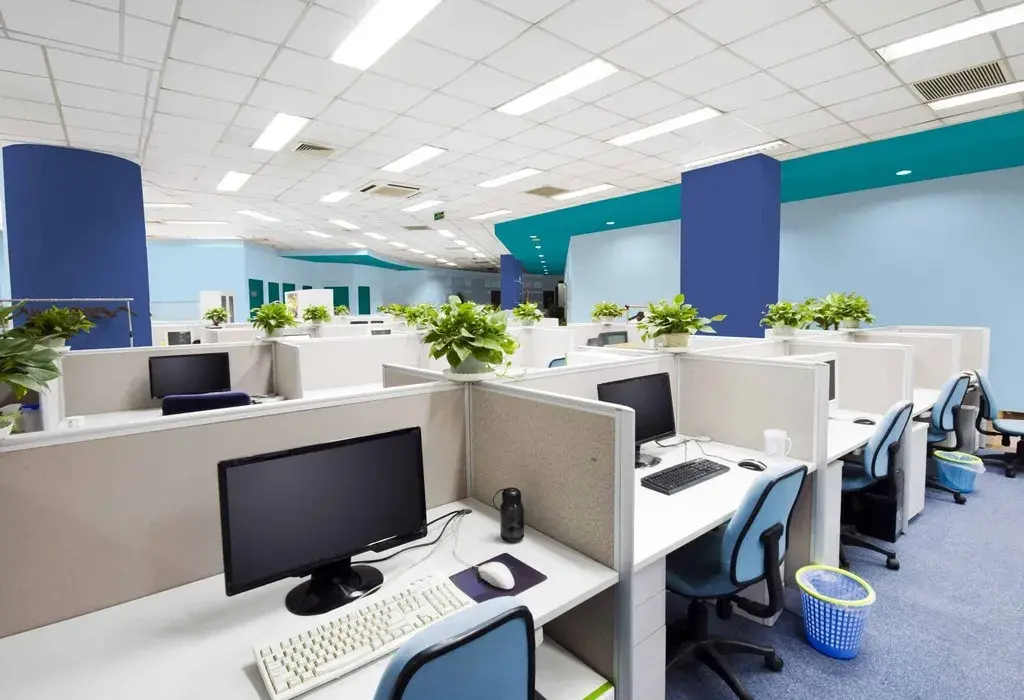
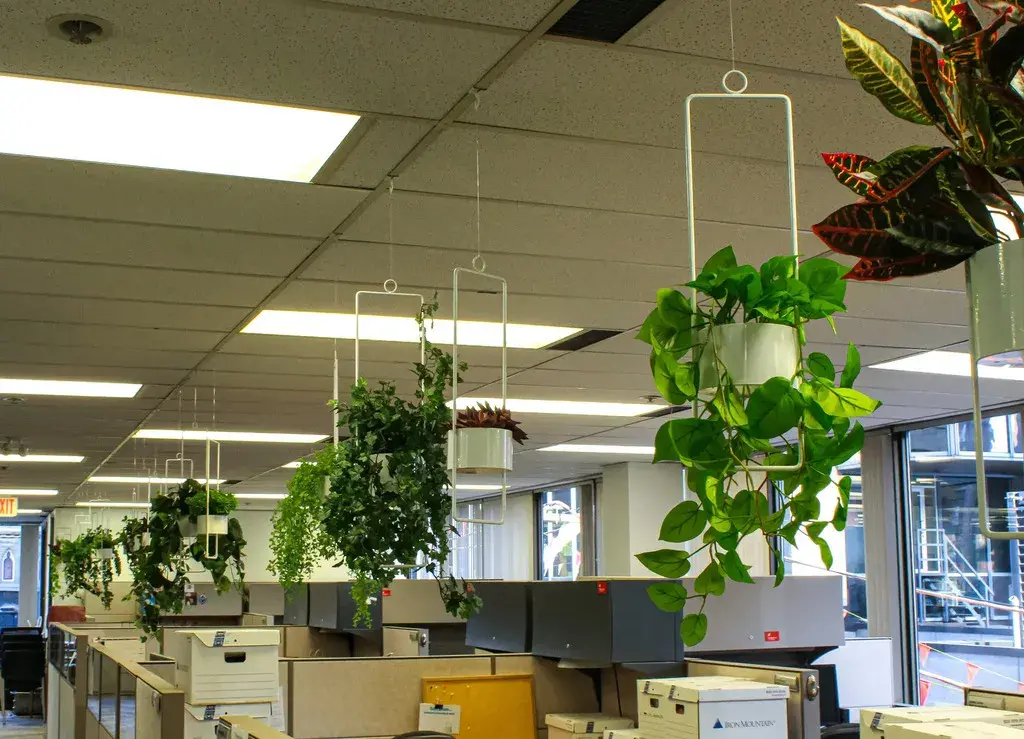
Plants can help bring life to any room. Plus, studies have shown that having natural greenery in an office can help lift the mood and decrease stress levels. We recommend you opt for plants that require minimal upkeep, for example peace lilies, cast iron plants, Chinese evergreens, or snake plants. Although these office plants are great for the indoors, they still need regular care. Ask in the office if anyone has an interest in plants and whether they would like to be the plant’s caretaker!
Pay Attention to the Lighting
Last but not least, don’t be afraid to play with the lighting. Ideally, your office space should have plenty of natural light. However, that’s not always the case, so evaluate your lighting options carefully. If you’re after a more professional look, we recommend cool lighting. If you’d rather have a laid-back atmosphere, opt for warmer tones. Don’t just focus on overhead lights, consider some office headlights and standalone lamps as well.
Ask Your Employees What They Need
At the end of the day, your office should be a place for your employees to thrive. There’s no better way to accommodate to their needs than by asking them what it is they truly want in the office. Send out a quick survey and ask them what’s missing. You may not incorporate everyone’s ideas, but you’ll get plenty of inspiration that will help you make notable changes.
Conclusion
Most importantly, we recommend that you avoid any viral trends when it comes to interior design. Furniture and artwork can be rather expensive, so you’d rather keep the refurbishments to a minimum. By picking a timeless design, you will be happy with your office for years to come. Don’t forget to keep it quirky by adding some personal touches to the space.
When it comes to designing and building your home, you want to make sure that it is perfectly suited to your needs and tastes. Working with an architect is the best way to ensure that your home is designed with your individual requirements in mind. However, it is important to understand the various aspects of the architect’s design before making a final decision. This article will provide an overview of the essential things to know about your architect’s design for your home.
Understanding the Design Process:
The architectural design process begins with the architect obtaining information about your individual needs and preferences. This includes discussions about your lifestyle, the desired size and layout of the home, the materials to be used, and any special features that you want to be included. The architect will then create a plan that reflects your desires and meets all necessary building codes and regulations.
After the plan is complete, you will have the opportunity to review and discuss it with the architect before signing off and beginning the construction process.
Considerations for Designing Your Home:
When designing your home, there are several factors that must be taken into consideration, such as the amount of space available, the desired layout, the type of materials to be used, the type of heating and cooling system, and the budget. Additionally, the architect will need to ensure that all necessary building codes and regulations are met.
This includes determining the best building materials to use, the most efficient way to use energy, and the best way to incorporate any special features.
Types of Architectural Styles:
Architects typically specialize in one or more architectural styles. These styles range from traditional and contemporary styles to modern and eclectic. Your architect will discuss the various styles with you and recommend the one that best meets your needs and aesthetic preferences.
Benefits of Working with an Architect:
The primary benefit of working with an architect is that they are able to create a design that is tailored to your individual needs. This will ensure that your home meets all necessary building codes and regulations and is aesthetically pleasing. Additionally, working with an architect can help you save money in the long run, as they can help you identify cost-saving solutions and avoid costly mistakes.
Whether you are building a new home or renovating an existing one, working with an architect can provide numerous benefits. Architects are highly trained and experienced professionals who can help you design and build the perfect home for your needs. With their help, you can create a beautiful and functional space that meets all of your requirements. Let’s discuss the benefits of working with an architect, including cost savings, creative solutions, and improved safety and quality.
Cost Savings:
One of the primary benefits of working with an architect is cost savings. Architects can help you plan and design a home that is both beautiful and cost-effective. By taking into consideration the materials, construction methods, and labor costs, they can help you create a home that fits within your budget. Additionally, they can provide you with insight into ways to save money and design a home that fits your needs without breaking the bank.
Creative Solutions:
In addition to cost savings, working with an architect can provide creative solutions for your home. Architects are trained to think outside the box and come up with innovative solutions that meet your needs. They can help you craft a design that is both aesthetically pleasing and practical. With their help, you can create a home that is truly unique and tailored to your tastes and lifestyle.
Improved Safety and Quality:
When working with an architect, you can rest assured that your home is built to the highest standards of safety and quality. Architects are familiar with local building codes and regulations, and they can help you ensure that your home is compliant with all applicable laws. Furthermore, they can provide advice on the best materials and construction methods to use in order to create a safe and secure home.
As you can see, there are many benefits to working with an architect. From cost savings and creative solutions to improved safety and quality, an architect can help you create the perfect home for your needs. So, if you’re thinking of building or renovating a home, consider working with an architect to ensure the best results.
The Cost of an Architect-Designed Home:
The cost of an architect-designed home will depend on a variety of factors, including the complexity of the design, the materials used, and the size of the home. Generally speaking, the cost of an architect-designed home will be higher than the cost of a home designed without the help of an architect. However, the added cost is usually well worth it, as an architect-designed home is likely to be more efficient, aesthetically pleasing, and of higher quality.
Locksmiths are professionals who are trained to handle a variety of locks and security systems. While most locksmiths are available during normal business hours, some offer emergency services as well. Emergency locksmiths can provide a variety of services that can be beneficial in a variety of situations. This article will discuss how emergency locksmiths can help you.
What is an Emergency Locksmith?
An emergency locksmith is a professional locksmith that provides services outside of their normal business hours. Emergency locksmiths are available to assist in a variety of situations such as lockouts, broken locks, and lost keys. They can provide a variety of services such as lock repair, key duplication, and rekeying. Additionally, they can provide assistance with security systems and access control.
What Services Do Emergency Locksmiths Provide?
Emergency locksmiths provide a variety of services that can be beneficial in a variety of situations. They can provide assistance with lockouts, broken locks, lost keys, and access control. Additionally, they can provide lock repair, key duplication, and rekeying. Additionally, they can provide assistance with security systems, access control, and locked safes.
How Can Emergency Locksmiths Help You?
Emergency locksmiths can provide a variety of services that can be beneficial in a variety of situations. In the event of a lockout, an emergency locksmith can provide assistance by unlocking the door or window. Additionally, they can provide assistance with broken locks, lost keys, and access control. Furthermore, they can provide lock repair, key duplication, and rekeying.
Benefits of Emergency Locksmiths
Emergency locksmiths can provide a variety of benefits. They can provide fast and efficient service in the event of a lockout, broken lock, or lost key. Additionally, they can provide lock repair, key duplication, and rekeying. Furthermore, they can provide assistance with security systems, access control, and locked safes.
When it comes to the benefits of hiring an emergency locksmith, one of the most important is the fact that they are available 24 hours a day, 7 days a week. This means that no matter what time of day or night it is, you can count on an emergency locksmith to provide you with the help you need.
Another benefit of hiring an emergency locksmith is that they are trained and knowledgeable in a variety of lock and key services. This means that you can be sure that the job will be done right the first time. This saves you time and money in the long run, as you don’t have to worry about having to hire someone else to come in and fix any mistakes that were made.
In addition to offering a variety of services, emergency locksmiths are also cost-effective. This means that you don’t have to worry about spending a fortune just to get the help you need.
Finally, hiring an emergency locksmith can help to increase the security of your home. This is because an experienced locksmith will be familiar with the latest security technologies, which can help to make sure that your property is as safe as possible.
Tips for Finding an Emergency Locksmith
When looking for an emergency locksmith, it is important to do your research. You should visit the website of the locksmith and read reviews from previous customers. Additionally, you should ask for references from friends, family, or colleagues. You should also inquire about the locksmith’s experience and the services they provide.
Evaluate Their Credentials
When it comes to finding an emergency locksmith, it is important to make sure that the one you choose is experienced and qualified. You should try to find out if the locksmith is licensed, bonded, and insured. This will ensure that the locksmith has taken the necessary steps to become a professional and is qualified to handle your emergency locksmith needs.
Check Reviews
When it comes to finding an emergency locksmith, it is also important to check reviews. You should try to find reviews from other customers who have used the services of the locksmith to get an idea of their experience. This will allow you to make an informed decision on which emergency locksmith to choose. You should also try to find out if the locksmith offers any guarantees on their work or offers any discounts for repeat customers.
Ask for Referrals
Another great way to find an emergency locksmith is to ask for referrals from friends and family. This will allow you to get an honest opinion from people who have used the services of the locksmith before. You can also ask your local locksmith for recommendations if you don’t know anyone who has used the services of an emergency locksmith before. This will allow you to get an idea of what to expect from the locksmith and ensure that you are making the right choice.
Get An Estimate
When you find an emergency locksmith, it is important to get an estimate of the cost of the services before you hire them. This will help you determine the overall cost and make sure that you are getting the best deal. You should also make sure that the locksmith is willing to provide an estimate before you hire them. This will allow you to compare prices and make sure that you are getting the best deal.
Verify Insurance
The last step to finding an emergency locksmith is to verify that they are insured. This will ensure that you are protected in case something goes wrong during the process. You should also make sure that the locksmith is willing to provide proof of their insurance before you hire them. This will provide you with the assurance that you are covered in case something does go wrong.
Furthermore, you should make sure the locksmith is licensed and insured so you can contact Lardner Locksmiths. Finally, you should make sure the locksmith is available for emergency services.
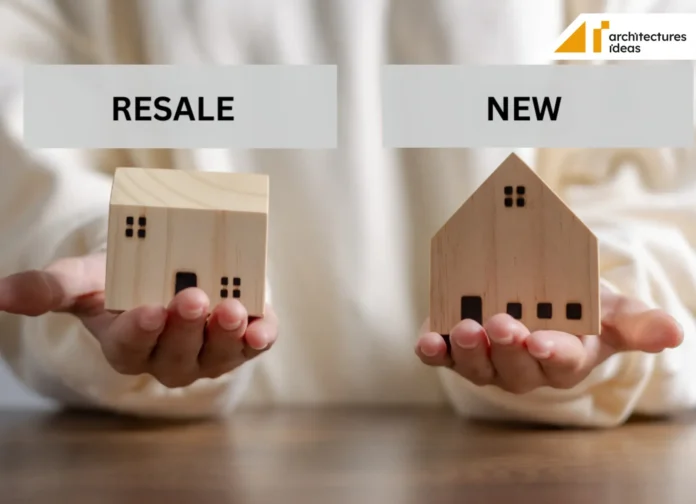
Due to the falling profitability of bank deposits and inflation, many US citizens decide to save money by investing in real estate. Alternatively, they might have browsed the best 1 and taken advantage of the situation to make the move and buy a new home to live in. However, it is not always easy to choose an object for purchase that will generate income, especially in the face of a record shortage of supply.
Experts told us what is more profitable to invest in today – resale real estate or a new construction home.
Here we will provide you with the proper guide between what to choose a new construction home Vs a resale property.
Opportunities of a Brand New Construction Home
PROS
One of the main advantages of buying a new home is the price, which can increase significantly
from the foundation pit to putting the house into operation, the cost grows by 15–30%;
during the same time, the price of secondary real estate located in the same area can grow at best by 7-10%.
Another important advantage of investing in new buildings is their high liquidity. This is especially true for those who invest in real estate for a long time.
CONS
There are certain risks when buying real estate in the primary market. If this is an investment in a new building, you need to estimate the following:
timing when the house will be commissioned and will be able to generate income;
all the potential risks associated with construction delays
if the house is bought with bank funds, then it is important to calculate the profitability, taking into account the amount of the existing down payment and the loan rate.
Another risk of investing in new construction homes is the vague outlook regarding the appearance of the built-up area, especially when it comes to integrated development projects at the initial stage of construction.
Changing the parameters of the project (the number of stories of houses in subsequent phases), and in connection with this, the composition of social, commercial, and other infrastructure is not uncommon today.
Moreover, in some cases, these changes do not occur in the direction of increasing the comfort of residents, and as a result, the plans and expectations of the investor may not significantly coincide with reality, the expert concluded.
What About Resale Property
Benefits
The arguments for investing in secondary housing include the fact that houses located in already established and settled areas have a certain established environment, which is important in the rental business.
Thus, the landlord is more likely to be sure that in the coming years there will not be a large-scale construction nearby that could cause discomfort to the tenants. Or a new building or another real estate object will not appear right in front of the house, which can spoil the view from the window of their home, and thereby reduce its liquidity.
Having bought a house on the secondary market, the owner will immediately be able to rent it out. However, the profitability of standard-class houses today is about 4%, and the payback period in the case of rent can be over 20 years. In this case, it is more appropriate to talk about purchases in order to save money, and not to receive investment income from resale or rental.
We clearly saw this trend starts in 2020, when buyers moved funds from bank deposits to real estate due to lower deposit rates and the economic crisis.
Drawbacks
When buying an old construction home, there are certain risks. In transactions with secondary real estate, due to the presence of a large number of nuances associated with both the owners and the conditions of ownership of the such real estate, the investor bears greater personal responsibility. Therefore, if, for example, they did not make an effort to check the house and the legal purity of the transaction, then if it is canceled in the event of litigation, they may simply lose the invested funds.
When buying a house on the secondary market, there is also a risk of encountering the problem of poor quality communications, including poor wiring and ventilation, old materials are also worth highlighting among the minuses. In this regard, when investing, it is recommended to consider those houses where major renovations have recently been made.
Up to You
As you can see both options have their pros and cons. And this concerns not only investors but also the ones who buy a house for living in it. The real estate market is quite hard but it can make you good profits if invested in the right projects at the right time.
There is no one-size-fits-all solution when buying a house. Consider all the threats coming from your particular case (budget, area, etc) to make the only right decision.
You have finally decided to revamp your house floor. Choosing the type of flooring to use can be a confusing experience. Is the floor durable, functional, and easy to maintain, and will it blend in with the overall home decor? These are some of the questions you will ask before settling for the type of floor to use. Probabilities are you have declined a house just because the floor does not meet the standards of your ‘dream floor.’ With this in mind, what makes the type of flooring you choose an important aspect of home ownership?
The floor is one of the largest surfaces in the house and it plays a massive role in interior design. Unlike wall colouring and furniture which require less effort and time to change, changing the floor type can be very expensive and time-consuming thus making it one of the most critical finishes in a home.
It is therefore important to think smart about your floor selection as well as the long term. What may seem a good decision today may not turn out very practical in the future. Some of the things you need to consider before settling for the type of flooring are your aesthetic values, geographical location, your lifestyle, durability of the floor, and type of room.
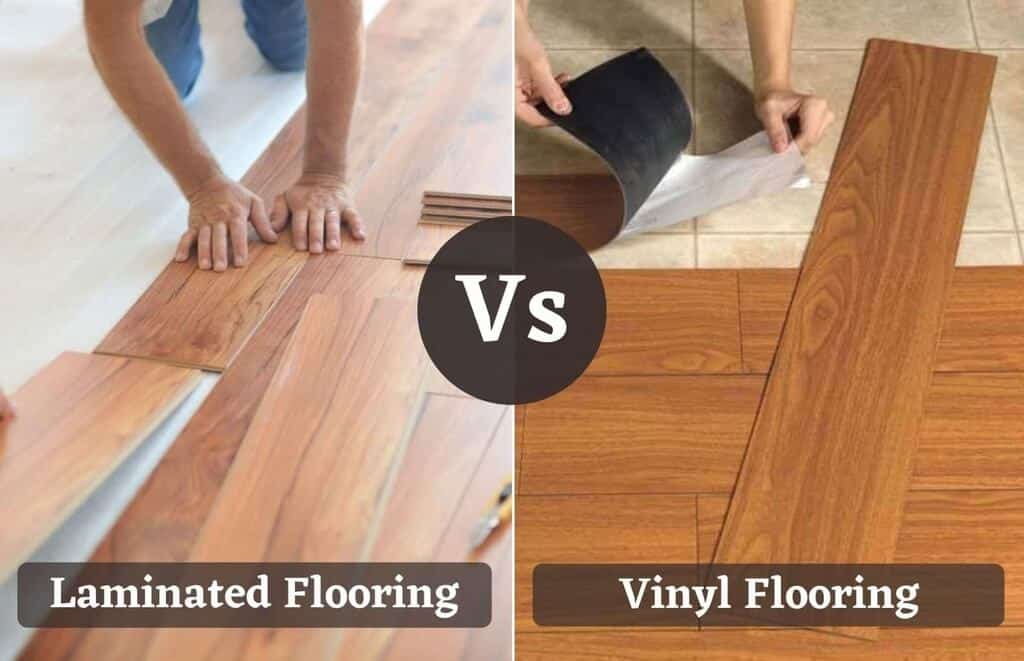
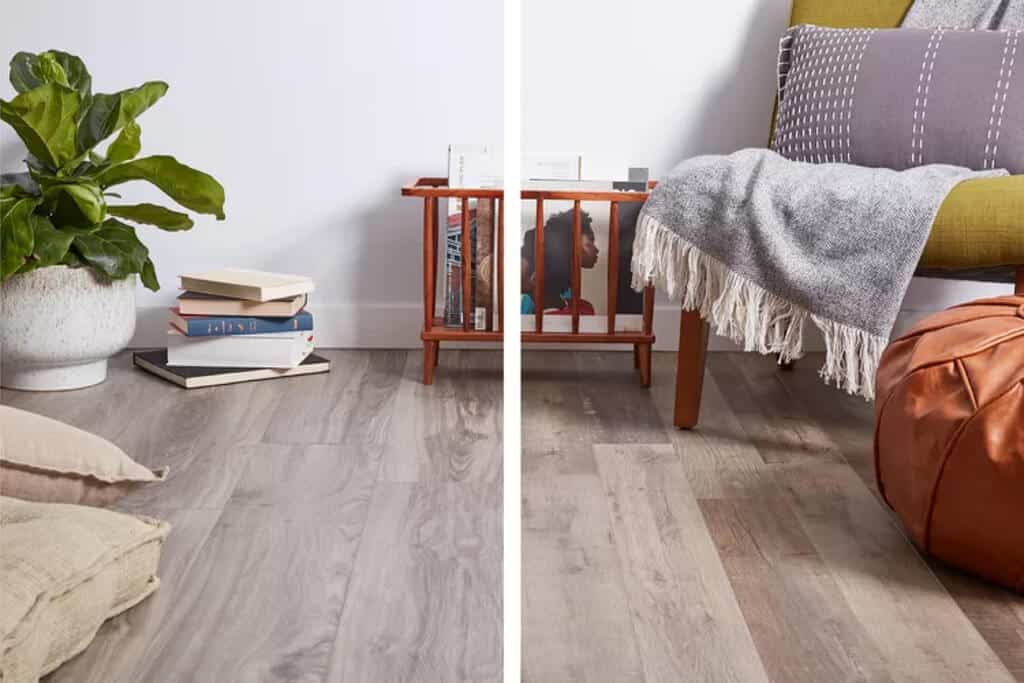
Some popular flooring options include wood, carpet, tiles, bamboo, vinyl, laminate, linoleum, and real stone flooring. In the process of you searching for the best flooring option you are teleported into the world of laminate and vinyl flooring. Both of them are durable, attractive, and easy to install. But when it comes to laminate vs. vinyl, which is the best option? Read on the features, pros, and cons of each before you settle on which one to use.
What is Laminate Flooring?
Figure 1: Layers of laminate flooring. Source-Choice Floors
Also known as floating wood tile in some countries. The flooring has been around for about 50 years. It consists of 4 layers: wear, design, inner core, and the back layer. The layers are fused using high heat and intense pressure.
The back layer protects the plank against dampness and provides a sense of balance to the floor, the core layer protects the plank from indentations and moisture, the design layer provides a high-resolution photograph of how the surface of the floor appears while the wear layer is made of aluminum oxide that is responsible for protecting the floor against waning, surface burns and colour wash.
What is Vinyl Flooring?
Figure 2: Layers of luxurious vinyl flooring. Source: DMV Home Design
It is a synthetic flooring option made from polyvinyl chloride plastic (PVC). It consists of four layers which are pressed together to form a durable and water-resistant flooring cover. The bottom layer is the backing layer which is made of cork or foam.
It serves as the underlayment for the vinyl flooring hence no need to install another material before laying down the vinyl flooring. Above it sits the waterproof layer responsible for absorbing moisture without swelling. The next layer is the design layer which is a printed image of your choosing.
The printing can be made to look like wood, stone, marble, or other high-end materials of your choice. The wear layer is the topmost layer which protects the floor from being harmed. Depending on the traffic the layer can be thick or thin. Notably, luxury vinyl flooring can have up to six or eight layers.
Key Differences: Comparing Laminate vs Vinyl Flooring
Spotting the difference between laminate and vinyl flooring can be a task. As a matter of fact from a distance and at first glance the two floors look similar.
Laminate Flooring
It is composed of four to five layers of materials. Laminate flooring is similar to luxury vinyl planks in its looks however the critical difference is that its core is made from wood by-products bonded with resins.
Vinyl Flooring
Vinyl flooring is 100 % synthetic, making it very appropriate for wet areas. It looks like a solid, homogenous material but it is actually layered. Vinyl flooring has a minimum of four layers with luxurious vinyl flooring having six to eight layers.
Which Floor is Best?
Appearance and Comfort:
Laminate Flooring
The laminate flooring allows deep, realistic three-dimensional embossing on its photographic layer to create the look of real stone or wood. Additionally, laminate flooring is available nearly in all colors, species, and a variety of natural wood and stone flooring.
Comfort wise, the laminate flooring has a thicker composition that includes wood content, which helps it to feel warmer and slightly softer.
Vinyl Flooring
Expensive and high-quality vinyl plank uses an image or photo layer under the hard, clear wear layer to give them a more realistic look. The image is usually of wood species or less commonly, stone. Unlike laminate flooring it is available in limited designs.
Maintenance and Care :
Laminate Flooring
The laminate floor is durable and very easy to maintain. However, if it is exposed to water for a long time its layers may delaminate over time. Its wear layer is very delicate once it has been chipped or scratched it cannot be repaired. A tampered wear layer will also allow water to enter the lower layers.
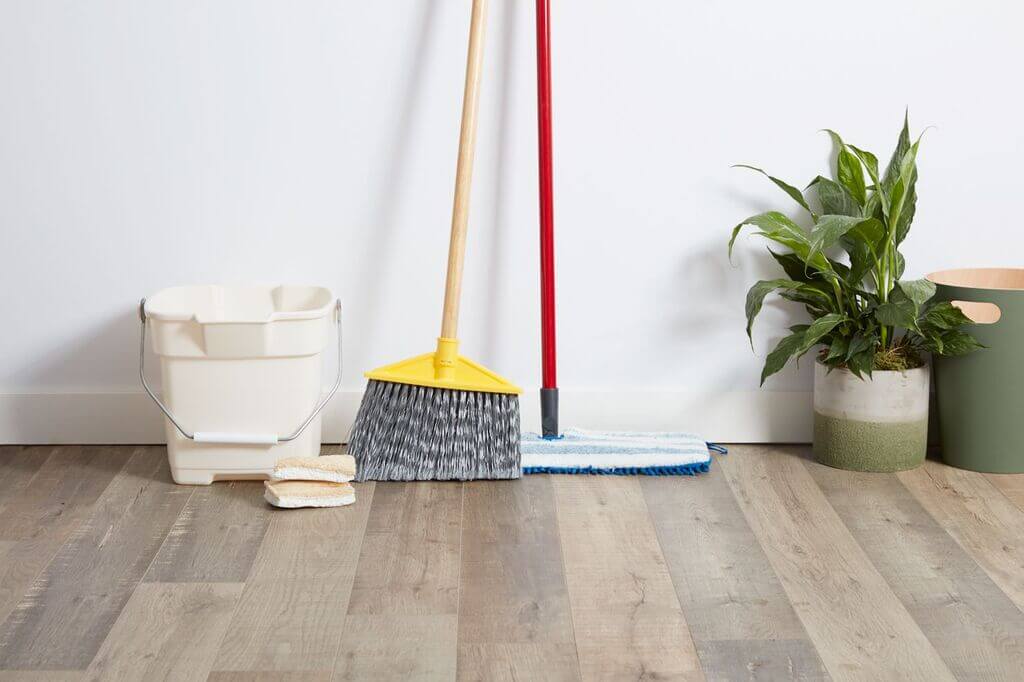
When cleaning the laminate flooring it is best cleaned with dry methods. When wet cleaning the laminate flooring, the mop to be used should be a damp mop that feels almost dry to the touch.
Vinyl Flooring
Vinyl flooring is a tough flooring material that can stand high traffic demands. In contrast, thin plank vinyl flooring is likely to stand better to water than more expensive vinyl flooring with several layers hence recommendable for wet areas.
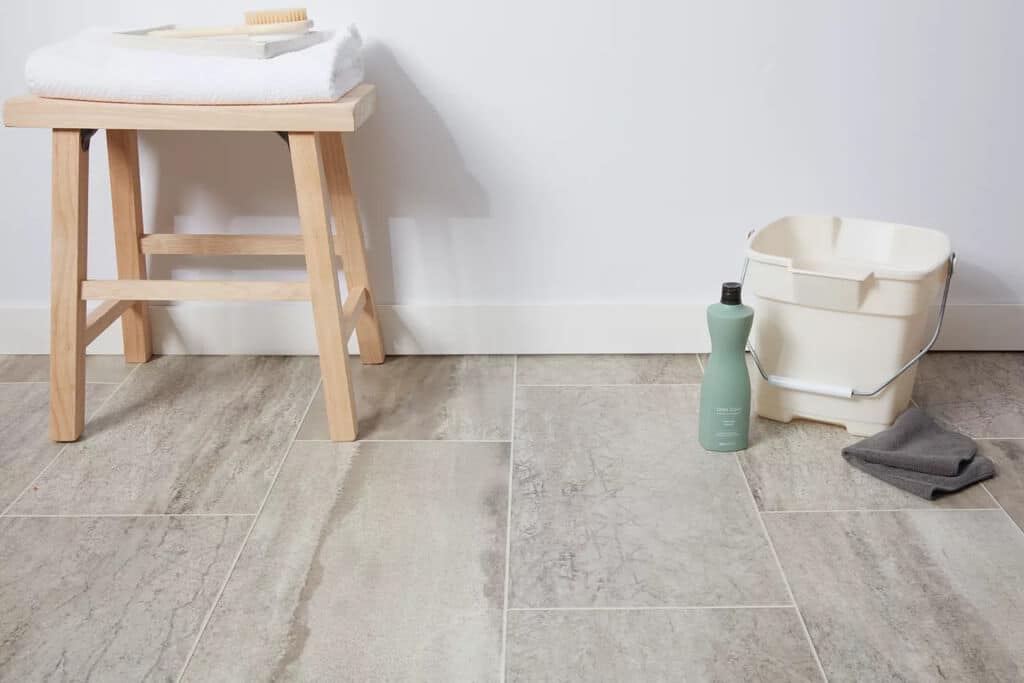
Unlike laminate flooring, vinyl flooring can be wet-mopped and can be vigorously cleaned using safe cleaning products.
Lifespan:
Laminate Flooring
A well-maintained laminate flooring can last between 15 to 25 years whereas a poorly maintained one may last 5 to 10 years.
Vinyl Flooring
Thin vinyl flooring has a lifespan of fewer than 10 years whereas well-maintained thick, high-quality flooring can last up to 25 years.
Cost:
Laminate Flooring
The cost of a laminate floor ranges from about $ 1.00 per square foot for a 7-mm thick floor whereas for 12-mm thick planks is about $5.00 per square foot.
Vinyl Flooring
Just like laminate flooring, thin, glue-down vinyl flooring can cost as little as $1.00 per square foot whereas a thick luxurious vinyl plank cost can around $5.00 per square foot.
Installation:
Laminate Flooring
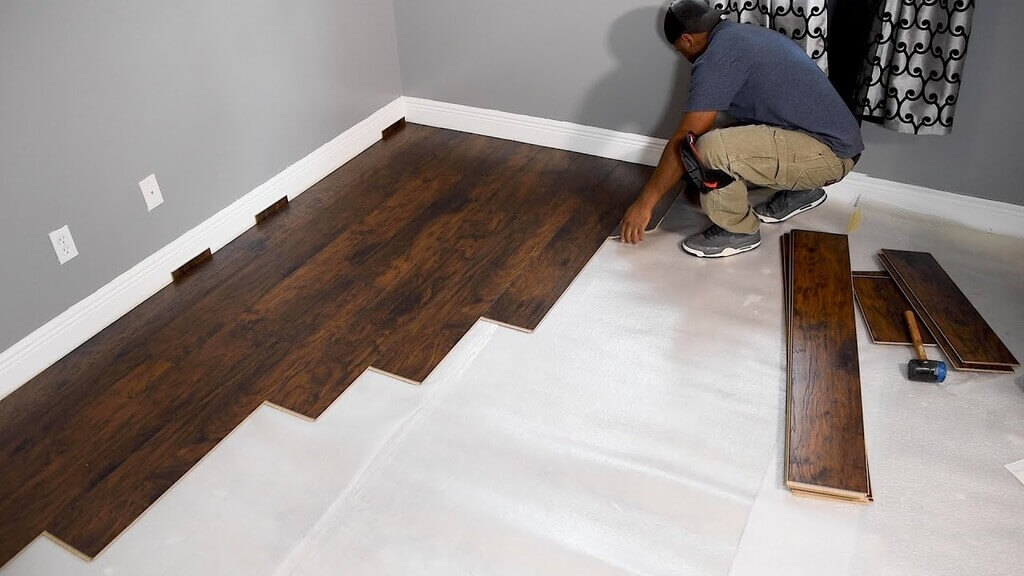
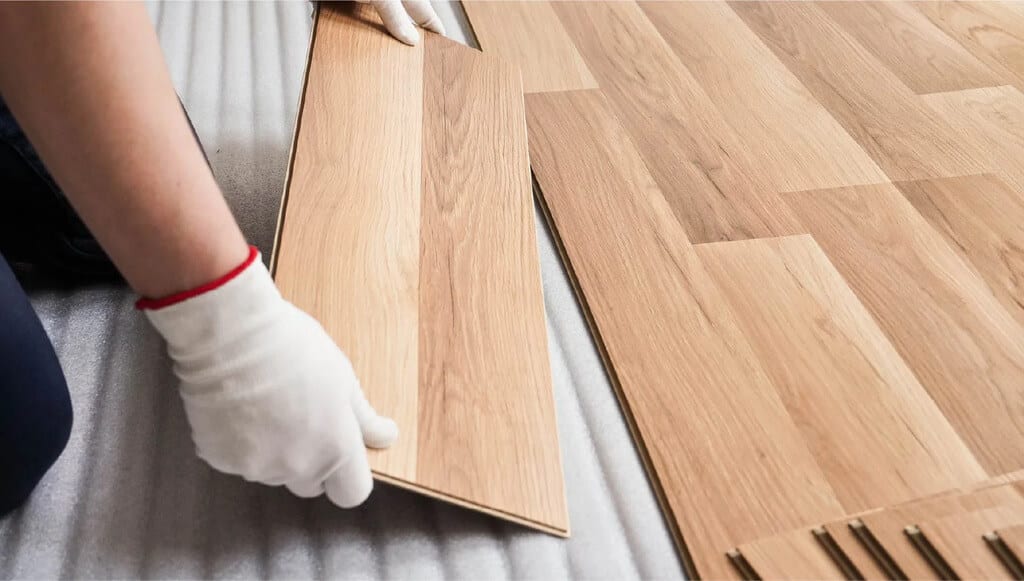
Laminate floors are most times installed over existing floors thus referred to as floating floors. The click-and-lock installation method is used during the installation of these floors where the tongue of one plank is fixed into the groove of an adjacent plank at an angle. The cutting of the laminate plank is done using a circular, table or hand saw. It is a preferable choice when it comes to DIY projects.
Vinyl Flooring
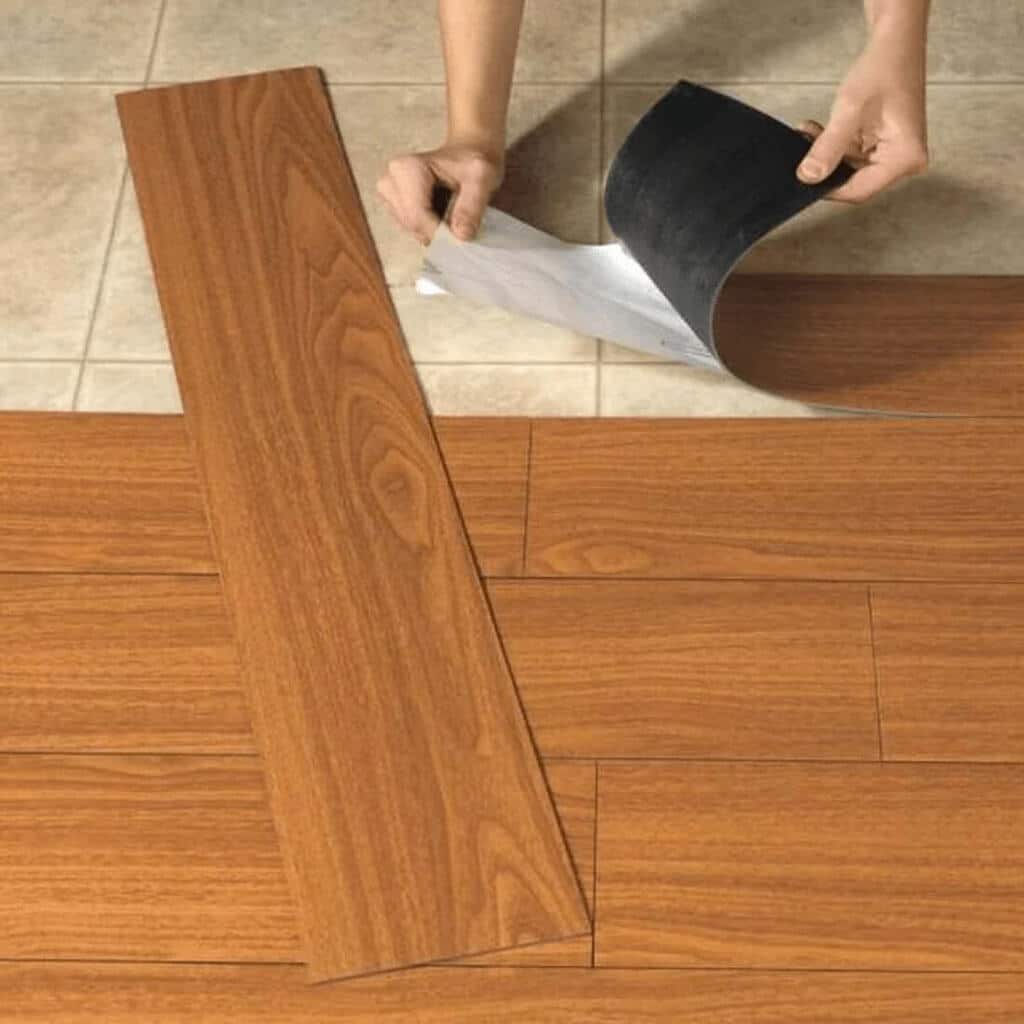
They are also installed using the click–and–lock method. During installation, they can be glued on the subfloor or they can be loose-laid. Unlike the laminate floor, the vinyl sheets are hard for one to install by themselves and they can be complicated to cut since the material is heavy and large hence professional installation may be a necessity.
Water, Heat, and environment:
Laminate Flooring
Laminate flooring is not the best choice when it comes to a wet surface. Once its core sucks the water it will not return to its original dimension after drying. Also, when installed over concrete the laminate flooring will require a vapor barrier to prevent moisture from entering the floor.
Laminate flooring when exposed to heat is unlikely to be affected because of its high-density fiberboard core. However, when the top layer is exposed to extreme heat is likely to melt. The fiberboard core of the laminate flooring which has natural wood content makes it more environmentally friendly as compared to the vinyl flooring. Manufacturers are also increasingly offering laminate floorings that qualify for LEED MR4 (Recycled Content) status as a way of improving the floor’s green stature.
Vinyl Flooring
Unlike laminate flooring, vinyl flooring is entirely waterproof. When soaked in water the vinyl flooring can be dried out and it will retain its original dimension and appearance. Nonetheless, the floor can be affected by heat especially if it is higher than 158 Fahrenheit.
Environmentally, vinyl is a synthetic material that can produce toxic chemicals when burnt. The material does not decompose in landfills and cannot be recycled. Over the years, vinyl flooring has improved its green stature with some manufacturers offering vinyl floors that achieve a LEED credit EQ4.3 for Low-Emitting material.
Resale Value:
Laminate Flooring
A well-maintained premium laminate flooring that is in a good condition and relatively new can lend an extra resale value to a home.
Vinyl Flooring
The resale value of vinyl flooring is dependable on the quality. A major brand of luxurious vinyl flooring will bring a decent resale value as compared to a low-quality one which the buyer may view as a project-in-waiting once they buy the house.
Convincingly, vinyl flooring will bring a lower resale value than laminate flooring.
Top Brands:
Laminate Flooring
Pergo
Quickstep
Mohawk
Shaw
Armstrong
Dream Home
AquaGuard
Vinyl Flooring
Metroflor
CoreTEC
Karndean
Cryntel
Mannington
Armstrong
Conclusion
In summary, it is difficult to give a specific answer to the question of “which is better?” This is because your choice is dependable on the home design, room functionality, and the benefits and costs of each. Vinyl flooring is a better choice when you need durable flooring for a wet area.
On the other hand, laminate is preferable if you want a more stylish appearance, a higher resale value, and a comfortable underfoot. Both Laminate and vinyl flooring are good choices when looking for a budget-friendly, easy-to-care, durable and attractive floor covering for your home. The two floors are also equally easy to install and cost about the same.
In the past, we could only dream about being able to control individual temperatures in individual rooms of the house when it came to keeping them cool and we always wanted our air conditioning systems to offer us convenience and efficiency. These were only pipedreams in the past and you just had to make do with the fact that you couldn’t have this kind of control because the whole system was so complex and it was kind of the best system for larger living spaces. All of that has changed however and the good news is that you can now control individual temperatures in individual rooms throughout your property.
The company that you have to thank for this new technology is MyAir and they have been listening to what customers want and they have made it happen. If you are unfamiliar with what ducted air conditioning is all about then it is a system that is hidden in your roof and floors and each room in your home can be connected to its own individual duct.
This means that you can set different temperatures in different rooms while the system is operating at the same time. If this sounds like an exciting proposition then in order to get you over the line, here are some of the reasons why you need to choose a ducted air conditioning system like this.
It’s Barely Visible
In an ideal world, none of us want to have to look at an air conditioning system stuck on a wall in each individual room in the house and now you don’t have to.
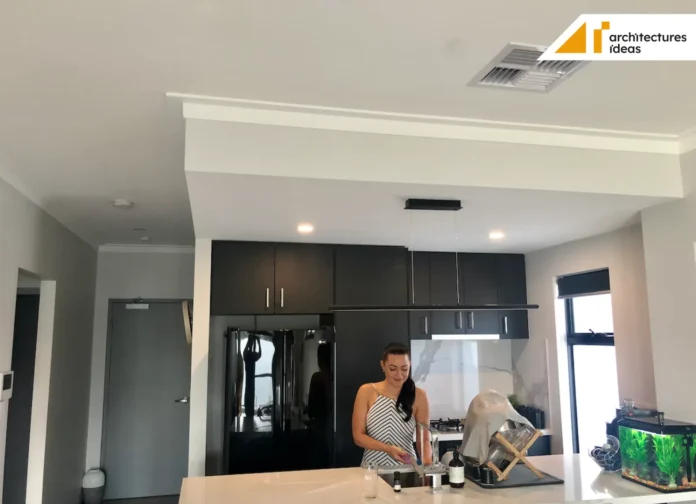
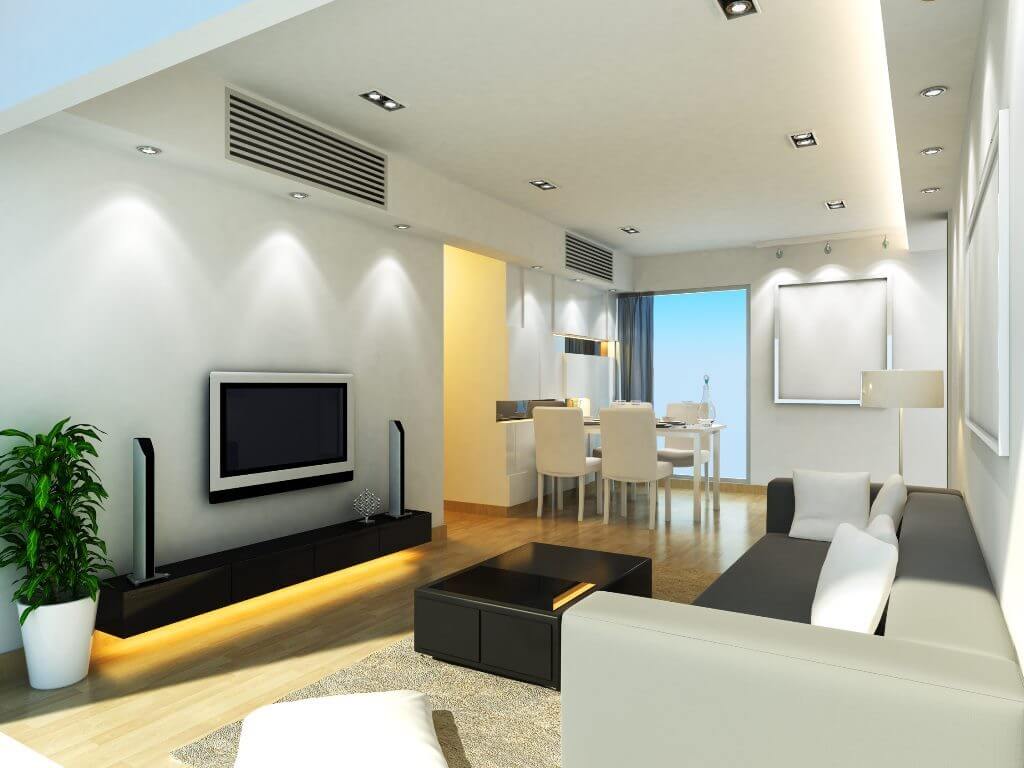
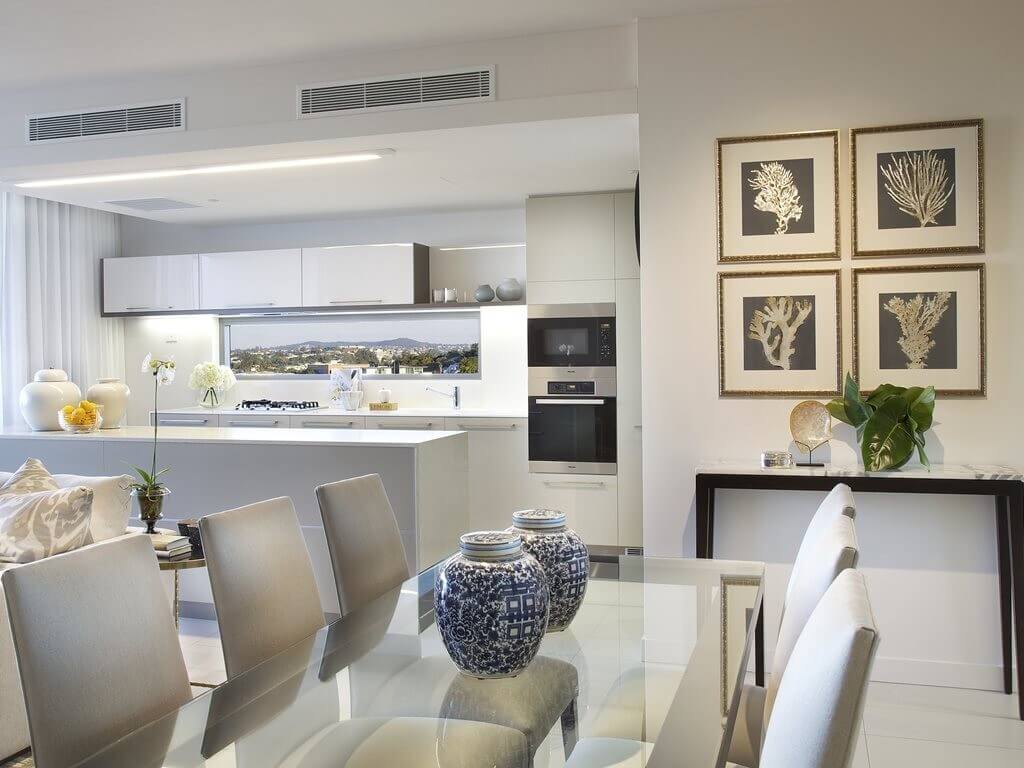
The wonderful thing about a ducted air conditioning system is that it is fair to say that it is almost invisible to the naked eye on everything is hidden away in the ceiling. The only thing that you will notice are very small grills that are attached to the system and this is how the cool air gets into each room.
Much Better Control
There are people who are sensitive to temperature changes and it’s likely that you have a couple of them living in your house. It’s always hard to keep them happy because it is either too hot or too cold for them and there is nothing that you could really do for them until now. This ducted air conditioning system allows you to control individual temperatures in any room in the house and this is going to put a lot of smiles on the faces of your family members.
It Is Much More Efficient
The fact that you can control temperatures in individual rooms and that you can turn the system off for any rooms that no one is in at that particular time will allow you to reduce your energy bills and that is incredibly important in these difficult times with the price of fuel seems to be going sky high.
It’s Going to Save You Money
If you are able to control individual temperatures in different rooms and you are also able to turn off the air conditioning in other rooms, then this is going to show a significant reduction in your electricity bills. When thinking about installing a ducted air conditioning system, it’s likely that you’re worried about the cost of doing so but if you look at this not just in the short term and over the long term like over five years, then you can expect to get the money back that you spent.
It Adds Value to Your Property
Every property always needs to have a unique selling point and so being able to tell potential buyers that the house has ducted air conditioning already should help to make your property stand out from the many others that will be available for purchase at that time. It’s likely that a potential buyer will be more likely to sign on the dotted line if they know that an air conditioning system such as this is fitted in the property which will help you to add value to your property.
You Won’t Even Hear It –
Everything that is needed for the system is generally hidden in the ceiling area and then the ducts appear at ankle level in most rooms. Unlike a standard conditioner, you will be unable to hear the system working and so your home will be incredibly quiet and yet incredibly cool.
Now you have three excellent reasons to justify the new purchase of your ducted air conditioning system. It will help to pay for itself in no time at all and just think of all of the peace and quiet that you’re going to have throughout your home.
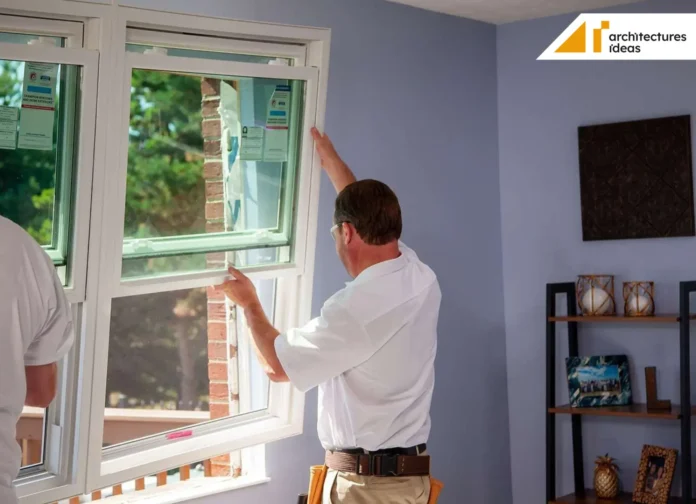
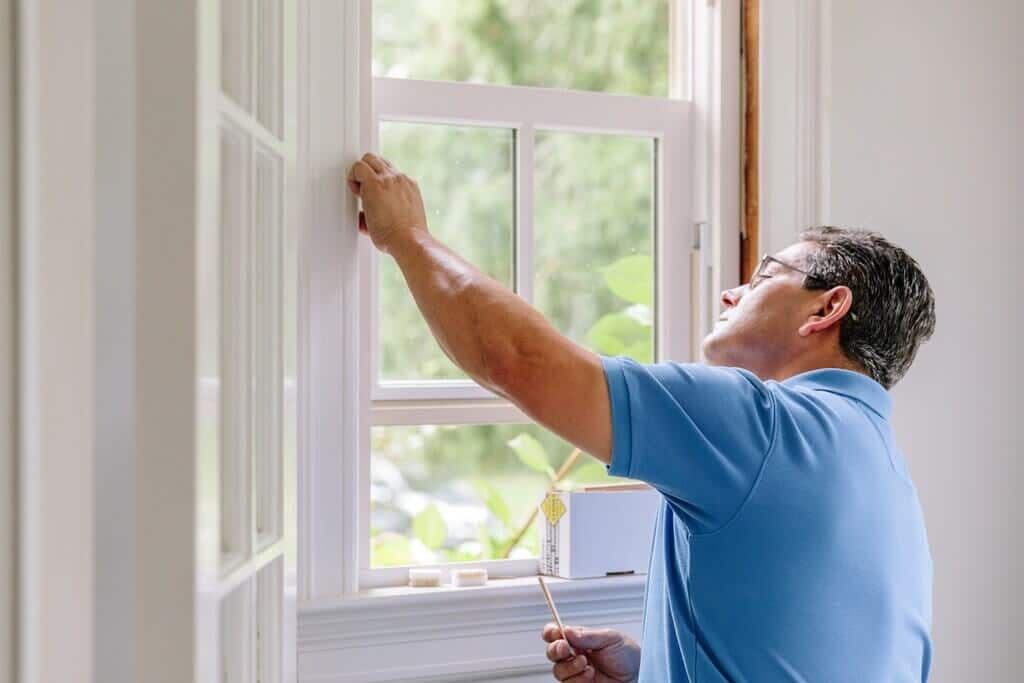
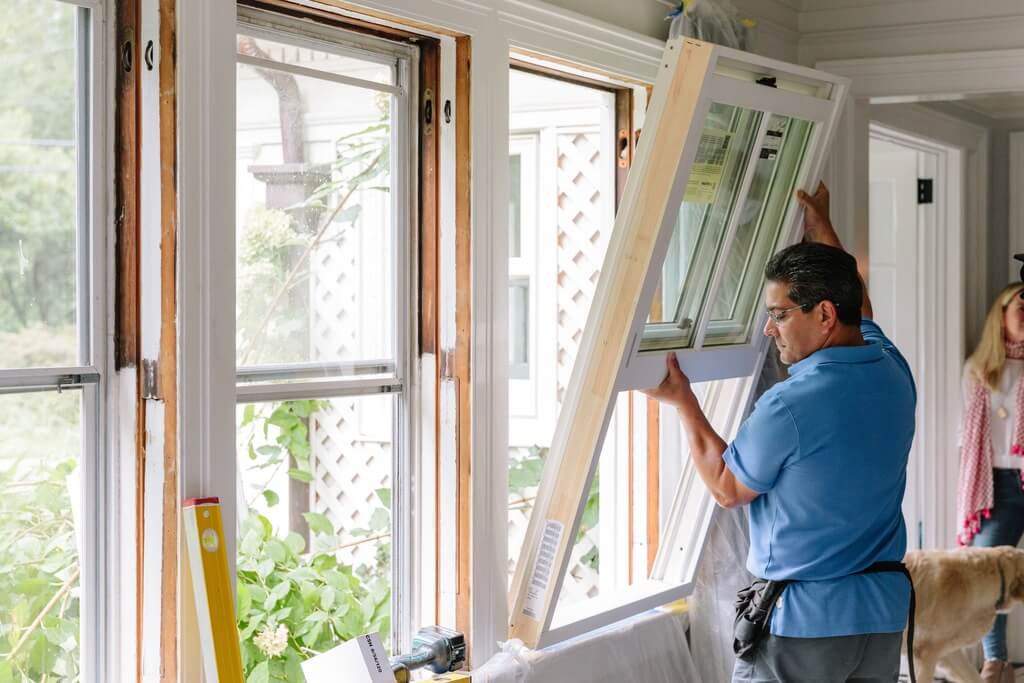
If you are looking for window replacement, it is important to know what to look out for. There are certain things that you should keep in mind while replacing your windows. If you do not take care of these things, then your new windows will not last long.
Here are some important things to look out for when getting window replacement done:
Window sizes: Window sizes may vary from one building to another. You need to get the right size so that you can easily fit in your room.
Windows with grids: A grid is a strip or vertical bars on your window that help you keep it in place. It helps you keep your window tight, secure, and safe.
Windows with screens: Screens are available in different materials such as aluminum, stainless steel, perspex, etc., depending on what you want your windows to look like.
Windows with shutters: Shutters are small pieces of wood that cover the top of your windows and protect them from rain and other elements that may damage them over time
Windows with insect screens: Insect screens are used in places where there are a lot of mosquitoes around or where there is an issue with insects entering through the window.
In a nutshell, different types of window styles and features tend to affect the replacement job differently. And this is certainly something you should factor in before you get a replacement done.
There are location-specific companies that you should seek out first of all. Looking for a Window Repair & Replacement Company in Illinois? Then search using those terms. If you rather want a window replacement company in some other state, then make sure you have entered that correctly for the best local results.
What to Look Out for When Getting Window Replacement Done?
It is important that you get the right size and shape for the window. If your window is too small or too big, then it will be very difficult to install them in your house. You should also make sure that the glass used in your windows is of high quality and does not break easily.
You should also make sure that the opening area of the window is large enough so that you can easily access your house from outside without any difficulties or challenges. The doors of your house should also be large enough so that there are no issues when opening them from outside or inside the house without any problems or challenges.
You should also make sure that the frame of the window does not fall apart easily and does not break easily when exposed to extreme temperatures or weather conditions such as rain or snowfall.
Window replacement is a process that can be confusing to deal with. However, it doesn’t have to be a hassle. The following guide will help you understand what to look out for when getting window replacement done.
Make sure the windows are clean!
Ask for a quote if you need them replaced immediately
When choosing a company for window replacement, make sure they have experience in the field
Build trust between yourself and the company through communication
Read reviews from past customers
The first step in window replacement is gathering information about your property. You need to know about the size of each window and what kind of materials are used in its construction. You will also need to check if there are any faults with these windows that can cause problems later on. This information will help you decide on the type of window replacement you need, as well as the sizes and types of windows you want to install.
Once you have made up your mind on what type of replacement solution would work best for your property, it’s time to contact a professional window replacement company that specializes in this kind of work. They will help you choose the right type of windows for your home and make sure they are installed properly before they use them for any other purpose (like selling them).
How Much Does It Cost to Replace and Install a New Window?
Replacement windows tend to cost anywhere from $180 to $650. Some more sophisticated window installations can cost more and as much as $1,200 in many cases. Replacing the whole window is mainly about replacing the frame and style – and those two factors determine the final cost unless you’re also going for an upgraded glass panel.
The final costs also depend on where you are. For example, you’ll find a huge difference between window replacement in Chicago and, let’s say, Los Angeles.
At an hourly rate of $35-40, homeowners can expect to pay anywhere from $150 to $250 for each window installation if we’re talking about the labor costs involved. Needless to say, if there are a lot of windows to be replaced and they are in different positions, this can considerably increase the final bill because of the extra hours taken.
Also, note that replacing just the glass will cost nearly half of what replacing the whole window will cost, generally speaking. There are of course exceptions and in your case, this figure could be anywhere.
Wrapping Up
The process of window replacement is a complex one. It needs to be done carefully so that the new windows fit properly into the existing ones and also look better than the original ones. You need to hire professionals who know all the steps of repairing windows.
Room soundproofing is a process that helps reduce the amount of noise that a room or a house receives from the outside world. Creating an acoustically comfortable environment in your home is very important. When you create a comfortable environment, you will have a better time while enjoying music and podcasts, watching television shows and movies, and even talking on the phone.
There are plenty of reasons to soundproof a room. Maybe you live in a noisy apartment and want some peace. You work from home and need to eliminate distractions so you can focus on your work. Or you just want to create the perfect soundproof room for listening to music or watching movies.
Room Soundproofing: Everything You Need to Know
Whatever your reasons, soundproofing a room is a great way to improve the quality of your life. You don’t have to worry about it being too difficult or expensive as you might think because it’s not. Know how to soundproof a room and make it a haven of quietness.
Why to Soundproof a Room?
Are you looking for ways to improve the sound quality in your home studio or practice space? If so, learning how to soundproof a room is great, to begin with.
There are many reasons why you might want to know how to soundproof a room. For one, it can help to reduce noise bleed between rooms, which can be a big problem if you live in an apartment or condo. Soundproofing a room can also help to improve the acoustics, making it sound better for recording and listening.
It has been proven that most people spend an average of about 30% of their energy on sound-related activities. One in three of your energy is spent on making sounds. The number one reason to soundproof a room is energy efficiency. It is possible to save a great deal of energy using room soundproofing and acoustics. The more effective the acoustic system is in minimizing sound transmission between rooms, the more energy will be used. Energy efficiency is a huge benefit in today’s environment, where every little bit of savings makes a difference.
How to Soundproof a Room?
Soundproofing a room will help to reduce outside noise and prevent sound from leaking out, resulting in a much better acoustic space.
There are a few different ways to soundproof a room; the first thing to do is figure out what’s actually happening in the room where you need to soundproof.
1. Reverberation in Room Soundproofing
There are many different elements to soundproofing a room. The first is the amount of reverberation in the room. This is often a major part of how to soundproof a room.
The reverberation will come from the volume of sound generated in the room, the size of the room, the volume of the speaker/mike, and the distance from the speakers/mike to the listener. These elements and how they interact determine the frequency of the reverberations and which ones are more pronounced in a soundproof room.
Controlling Reverberation to Soundproof a Room
If you don’t want a lot of high-frequency or low-frequency reverb in room soundproofing, you must avoid walls and floors and place the speakers/mike relatively close to the listener.
If you want a room where everything comes in at the same level and reverberation is more or less the same throughout the room, you must make sure that all the surfaces in the soundproof room are relatively the same distance from the speakers.
For example, you might have a carpeted floor with about 2 feet of space on each side of the carpet and nothing on the other side. You must ensure that there aren’t any large appliances in the soundproof room or even any large furniture in the room if you’re not using the furniture.
If you have a lot of hard furniture in the soundproof room, such as a kitchen table, you should put the speakers or mike on a cushion or something to allow the sounds to come through more evenly across the table.
If the speaker is placed on something in the soundproof room where it’s hard, like a hard floor, you must have a harsh surface that will make it hard to hear anything coming from the speakers or mike.
If you have large speakers, you must consider putting them in a separate room, away from where you’re living.
If the room is too big for that, you can try to have the speakers and mike located relatively close to the soundproof room, reducing the overall reverberation.
2. Absorption in Room Soundproofing
The absorption and absorption rate are the second important elements of soundproofing a room. You should have enough absorption to reduce the high-frequency reverberations but not so much that you don’t hear the bass sounds in your music. This is a delicate balance. It’s possible to go through the floor and walls of your house and build an absorption that will completely block all sound.
Adequate Absorption In A Soundproof Room
Even when the sound doesn’t carry through walls and floors, some sound will still make it through the walls.
If the walls of the soundproof room are relatively thick, it might be possible to have the right amount of absorption, but you might need to sacrifice other things in the room.
For example, if your furniture is much closer to the walls, the walls will reflect the sounds into the soundproof room where they’re coming from.
Your furniture might not necessarily be close to the walls, depending on your soundproof room design.
How to Soundproof a Room in an Apartment?
If you live in an apartment, chances are you’ve had to deal with some noise issues at some point. Whether it’s your upstairs neighbor’s footsteps or the sound of traffic outside your window, noise can be a real pain. But you must know how to soundproof a room in your apartment so that you can enjoy some peace.
The most popular room to soundproof in an apartment is the bedroom. However, there are many other options if you choose to soundproof a room in your apartment. For example, if you’re more interested in having a more open living room, you can soundproof your living room.
The biggest and most obvious solution is to ensure that you’re using good airtight material. You also need to make sure that you’re using sound isolation panels that are good quality and that you’re placing them right during room soundproofing.
Room Soundproofing Elements
1. A Door
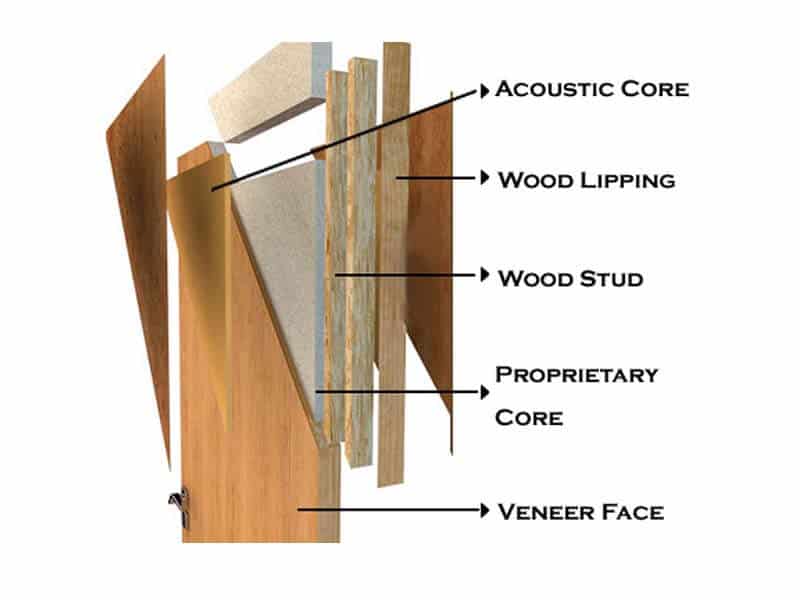
You should think about using a door to soundproof a room in your apartment, especially if you use airtight material. Make sure that the door is large and soundproof. Door and cabinet manufacturers like to use solid wood because they’re made from a natural product that’s more soundproof than a synthetic product.
If you want to soundproof a room in an apartment, you should choose a large door. The fact is that a smaller door can be more expensive because you’ll need to use more materials and a smaller door means you have less room.
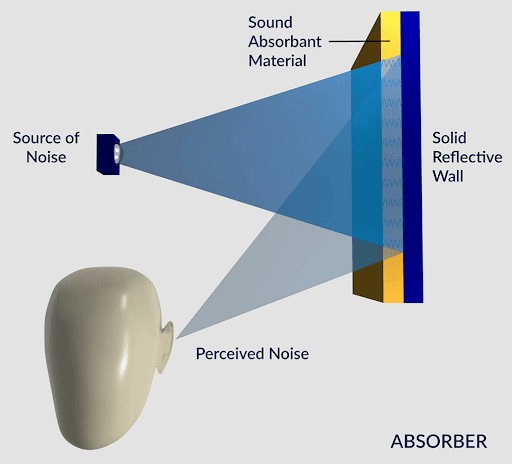
To soundproof a room in an apartment, you must choose a door with insulation material. Doors with insulation have a great room soundproofing factor because they don’t let all the sound through.
If you have windows in your room, you should also think about removing them from your room. You can try to use curtains to block sound, but there’s no guarantee that you’ll be able to block sound completely with a curtain.
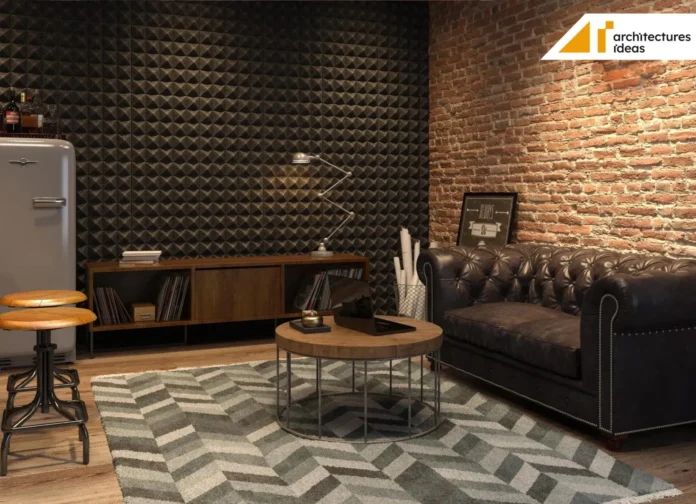
2. Use Room Soundproofing Panels
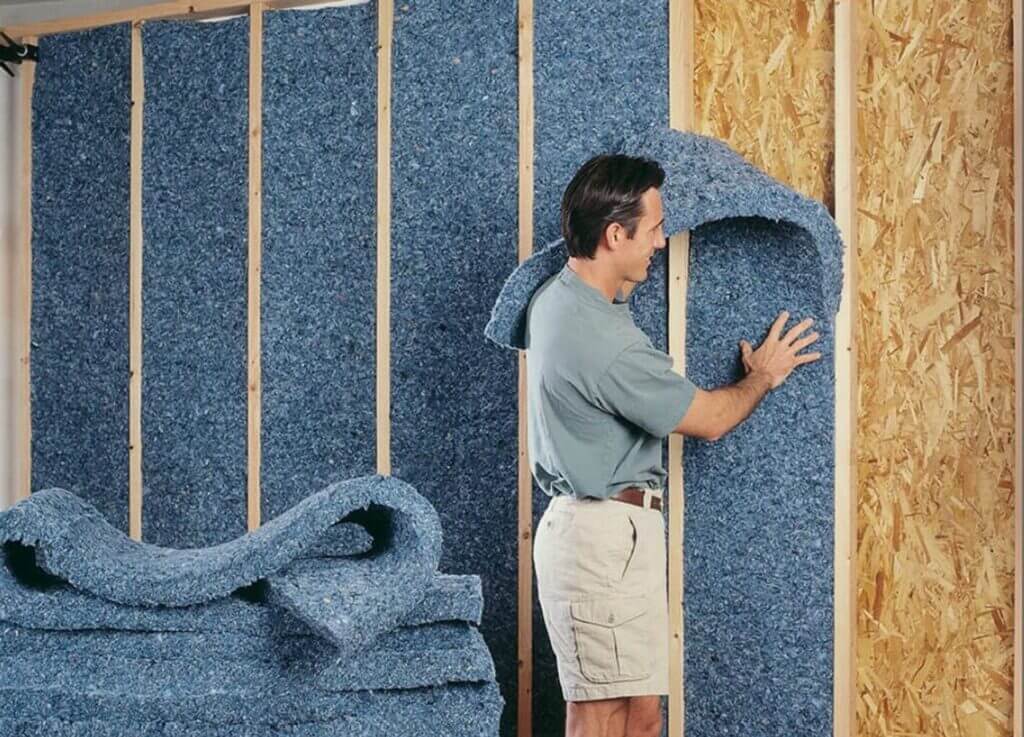
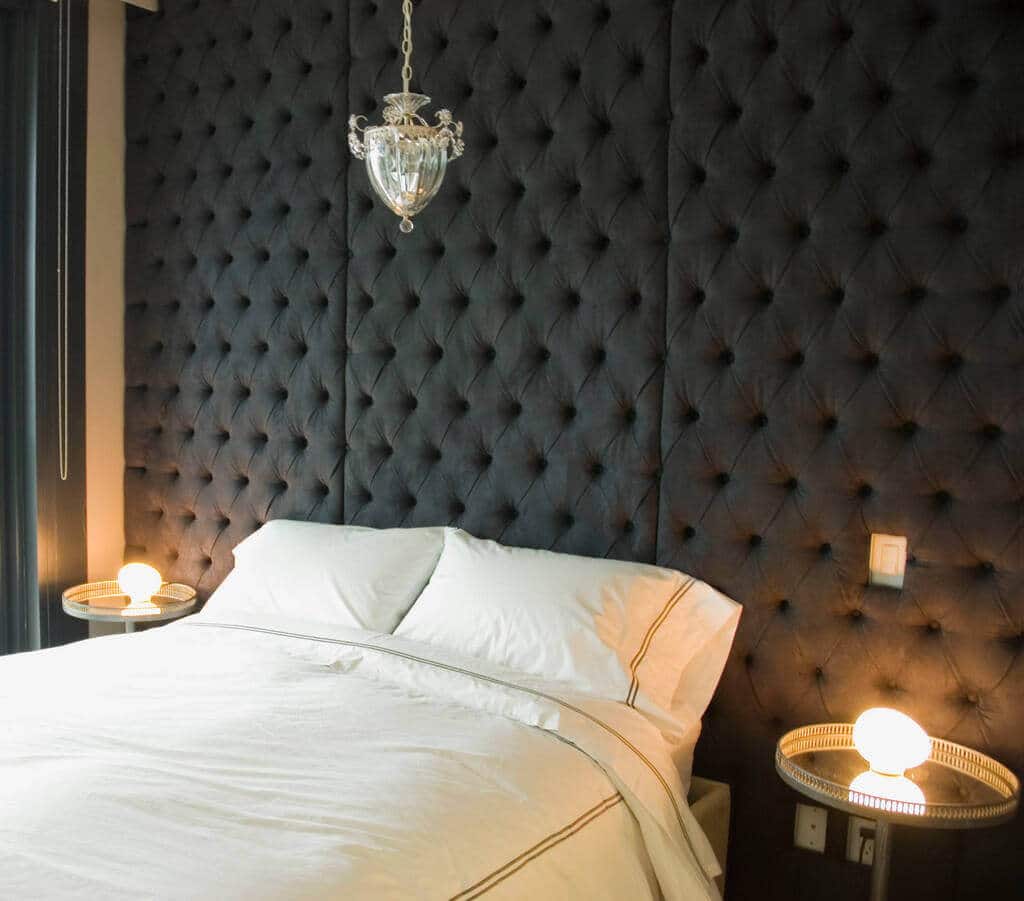
Room Soundproofing panels have been an effective tool to block sound from a room. You can usually find these soundproofing panels at home improvement stores, including big box stores like Home Depot. These soundproofing panels come in many different sizes, and you can find the perfect size for your room in an apartment.
You must make sure that you’re choosing a room soundproofing panel that’s large enough to cover all of the openings in your room in an apartment. That way, there’s no noise coming into your room, and you’re not using a product that’s not made to block sound.
You must make sure that you’re choosing a material that’s as durable as possible. You can use a solid wall cover or window film if you’re going to soundproof a room in an apartment.
This material will be far less expensive and is also easy to use. You’ll be able to apply this material yourself, and you can take a little more care with the product because it’s not as big as a wall covering.
You must also consider using a material that’s made to soundproof a room in an apartment. A great option is the R-Value Soundproofing Panels. The product is made to soundproof a room in an apartment and make sure that the material is made to block sound.
Get Some Peace: Learn How to Soundproof a Room
The key to how to soundproof a room is to make the room airtight and then use room soundproofing materials to cover the walls.
If you live in a house with an attic, there will be a lot of noise and vibrations from other rooms. The same thing goes for apartment buildings. If you live on the top floor and have neighbors above you, the vibrations will be transmitted to the ceiling, making it difficult to sleep.
So, consider soundproofing a room of your house or an apartment to enjoy watching TV or listening to music without bothering your family members, who are likely to be in other rooms of the house.
FAQs
What Are the Benefits of Soundproofing a Room?
Room soundproofing helps you create a more acoustically comfortable environment, reduces distractions and noise, and helps you focus better on work or enjoy your music and movies more.
How to Soundproof a Room?
Building a room within a room is one of the things which is done. Soundproofing curtains can also be a good option. You can also install a soundproof room divider.
With What Elements Can You Soundproof a Room?
A way to reduce outside noise is by installing a double glass window if you have a balcony or terrace. You can also install wall mirrors.
How Do You Avoid Outside Noises?
If you have loud outside noises like construction next to your room, you can buy a white noise machine.
Why is Room Soundproofing Important?
Soundproofing a room helps reduce the noise of modern society and prevent hearing loss; the constant loud noises can affect your hearing.
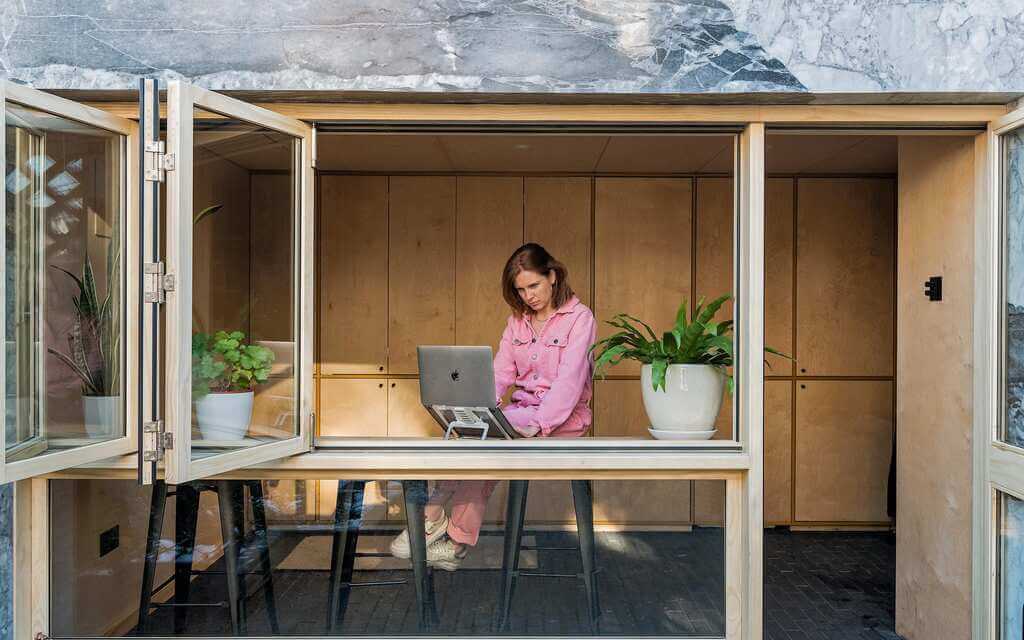
Working from home is the new normal of modern working life, with either hybrid models or permanent home working being the preferred option for many employees. However, despite the many benefits that come from working from home, there are steps that need to be taken to avoid the disadvantages that many struggles with. The isolation from co-workers needs to be addressed by means of teleconferencing and regular in-person interaction.
The fluid schedule that can leave many feelings either unmotivated or overwhelmed must be solved by sticking to a routine. And the mental impact of working from the dining table or bedroom desk needs to be tackled by setting aside a dedicated workspace to boost productivity and encourage good mental health. With all of this in mind, you may decide it’s time to change up your working-from-home set up to be more beneficial to your well-being.
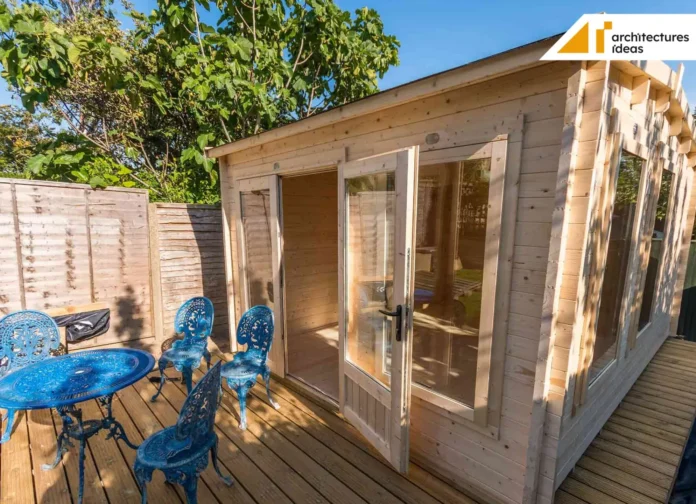
This is where an outdoor garden shed can become an office retreat. There are many different home office ideas around, but the benefits of an office shed in the garden are the distance that is created between your home and work, and the space you will save within your home.
There are many factors that could affect what the finished product will look like, such as the shed you must work with, the space in your garden, the features you need, and the budget you want to stick to. However, hopefully, these interesting ideas will get your imagination running and your creative juices flowing to see what you can do to up your home office game and move into the garden shed!
The Practicalities
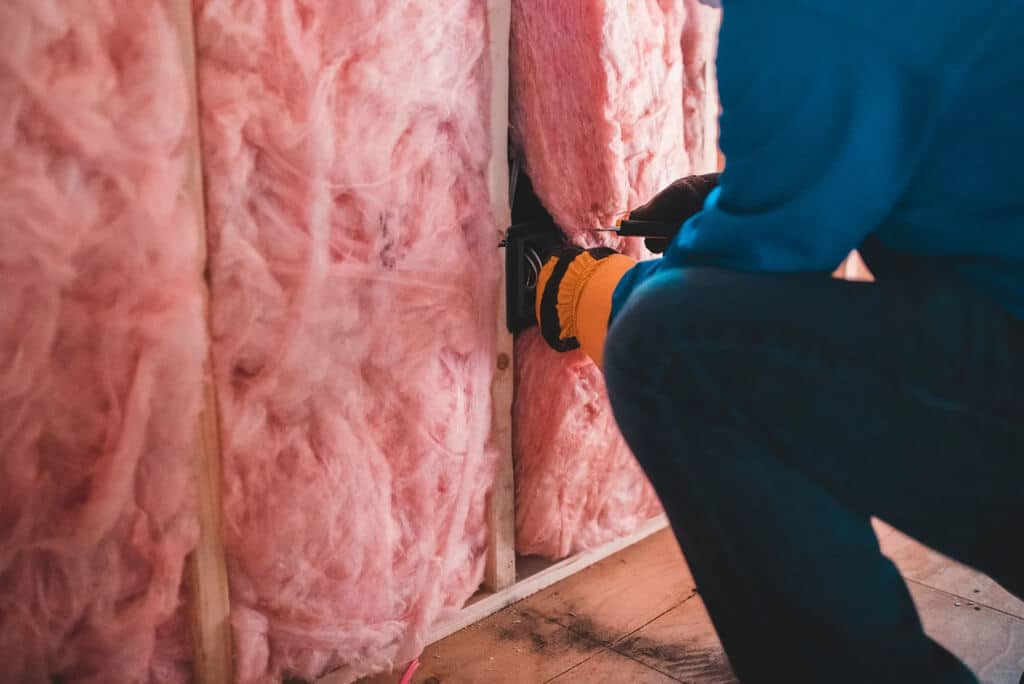
Before getting carried away with the aesthetics, it’s good to think practically about how you will make your garden office work. You will, of course, want to employ an electrician to get power to your shed so you can run all of the appliances and lights you need. Add some wallboard to improve the structure of your shed, as well as its energy efficiency and comfort. With insulated panels, you will be a lot warmer working in the garden in the dead of winter and it will help you save money on your rising energy bills.
Furthermore, consider the space you have and think about some creative ways of adding storage so that you can have everything you need to work on hand. While thinking about the practical side may be considerably less interesting, it’s essential that you have these things planned before you start on the creative side, and will make your new office a space you will continue to use for a long time.
Make It Well Equipped
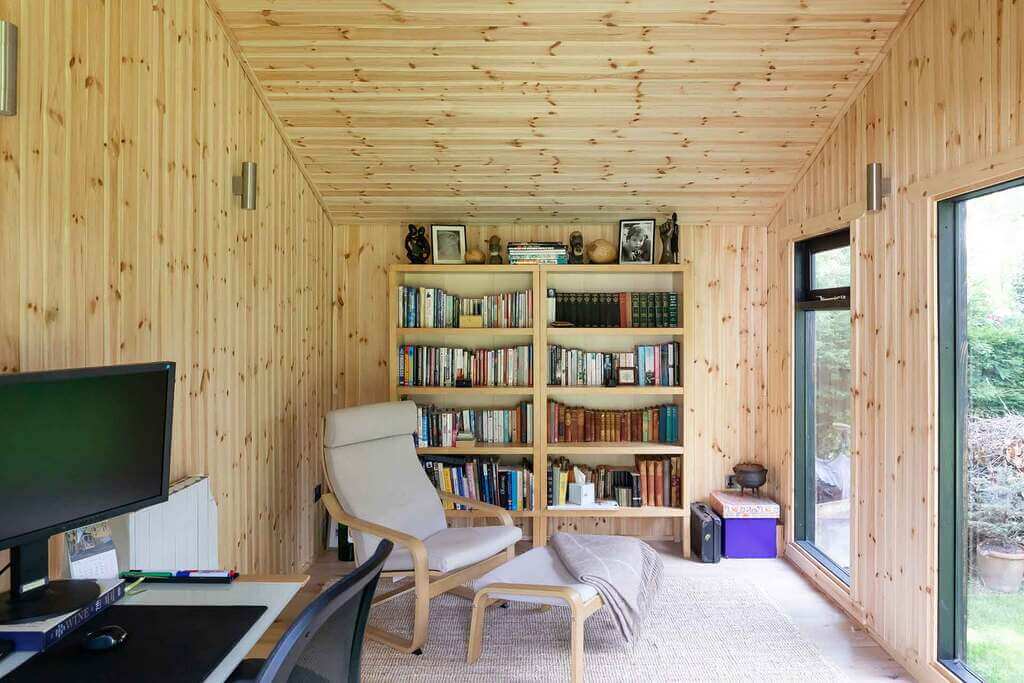
If you are starting your home office from scratch, you may be a little overwhelmed with where to start on purchasing your equipment. You are going to need more than just your laptop and slippers – to make your garden office feel professional, you need to set it up to be such. Invest in a good office chair, that is adjustable with armrests and can recline. This will help you to work well without the distraction and discomfort of working from an unsuitable chair.
Think about getting a desk that can adjust to work while sitting or standing, so that you can remain mobile. Get an arm for your computer monitor that allows your screen to be adjusted and get a light for your desk that gives good illumination directly to your workspace.
Get Creative with the Décor
You have a lot more freedom to get creative in the decoration of your shed home office than you would if you were decorating your desk in a standard office. Use this as an opportunity to be imaginative and embrace your own style, even if that means it has a completely different look and feels to the rest of your home. While the objective is to be productive, don’t be afraid to get creative and add some wall art, a cozy rug, and aesthetically pleasing storage solutions for all your beautiful stationery!
Summary
As you can see, it really is possible to turn that dusty wooden shed at the bottom of the garden into a productive hub for work and constructive time. It doesn’t have to cost the earth, and it may well be a valuable investment for many years into the future, both financially and in terms of your productivity. By implementing a few of the suggestions made in this article, you may find that it’s a more feasible idea than you may have initially thought!
A biophilic office – this is reportedly one of the office design options of the future. This kind of futuristic design is anchored in the principle of creating an office that is a community, with the goal of making workspaces that encourage social interaction and communal well-being.
The workplace is consistently evolving to support the mental health and well-being of staff members while allowing for agile and flexible working models. With this in mind, many office designs are beginning to incorporate nature-inspired elements with open spaces that help workers to interact with each other and engage with their surroundings.
An Age Old Inclination
Since architecture began as a form of art, humans have felt safer in buildings that connect with nature. From the frescos painted on ancient buildings’ ceilings to the beautiful parks and botanical gardens created as recreational spaces for the working professionals of busy cities, it’s clear that we want to connect with the natural world. Humans find the open skies inspiring, stunning landscapes calming, canopies of trees reassuring, and the sound of water relaxing. Designers have endeavored to recreate these feelings through their architectural plans and a place that benefits from these feelings is the workplace.
In today’s modern world, employers want a space that encourages a sense of community, and a feeling of belonging, and that enhances teamwork and therefore productivity.
The Benefits of Nature
With humans at the center of a design approach, they become the focus of the biophilic style, and the productivity that results proves just how beneficial it can be. A recent study showed that workers in offices that have natural elements like sunshine and greenery have a fifteen percent higher level of well-being and are six percent more likely to be productive in their roles. By simply encouraging a more natural environment with natural light and green plants, employees will see the advantages in the results their workers produce.
If you work in an office, it is estimated you will likely spend in the region of 80,000 hours of your life in that space. That’s a very large percentage of your life to be in one place! Considering, then, that such a large amount of our time is spent working, it’s strange that we don’t take more time to actually think about our working environment, particularly how the building we occupy affects us personally.
Despite the time you’ve spent in your office, you’ve likely not consciously thought about the building you work in.
How to Achieve a Biophilic Office
As employees encourage their workers to return to the office after months of working at home, it’s a good opportunity to rethink the working environment. Now that the benefits of a more natural working place are clear, how can it actually be achieved? How can you use biophilic design to help your workers?
Greenery –
Employees may feel limited by their budgets and their resources – not everyone can add a glass greenhouse to the roof of their headquarters. However, even if an office is restricted when it comes to space, a simple solution is the addition of a living wall or potted plants, flowers, and shrubs including some attractive greenery to a workplace. To allow employees a little freedom to bring in their own creativity, they can be asked to bring in their own plants and greenery to add to their personal desks.
The added responsibility of taking care of the plant can be mentally beneficial to employees too, giving them something to look after and feel connected to. For offices with bigger budgets, they can get the help of professional designers and take inspiration from offices around the world!
Ceiling –
A natural reflex of humans is to look up. Ceilings may not be what others consider to be important, but it has a surprising impact on the aesthetic of a whole building. UK specialists in Western Industrial work to help office buildings become transformed with the enhancement of ceilings. Looking up doesn’t need to be a bland or boring experience, but another way of connecting workers to the wide world above.
Experts can help employers to walk the fine line between creativity and practicality to create a useful space that utilizes natural elements to improve mental health and boost productivity. It’s very important to focus on employee mental health because noisy offices can affect your mental health
Conclusion
As you can see, working buildings can be practical without being bland, they can be both useful whiles also being aesthetically attractive. With a little bit of thought, you can transform your office space into one that will help your employees be as productive as possible, while also conveying a valuable message to customers.