
Home Blog Page 81

6 Passive Cooling Trends to Cut Down on Energy Bills

0
Passive Cooling Trends to Cut Down on Energy Bill

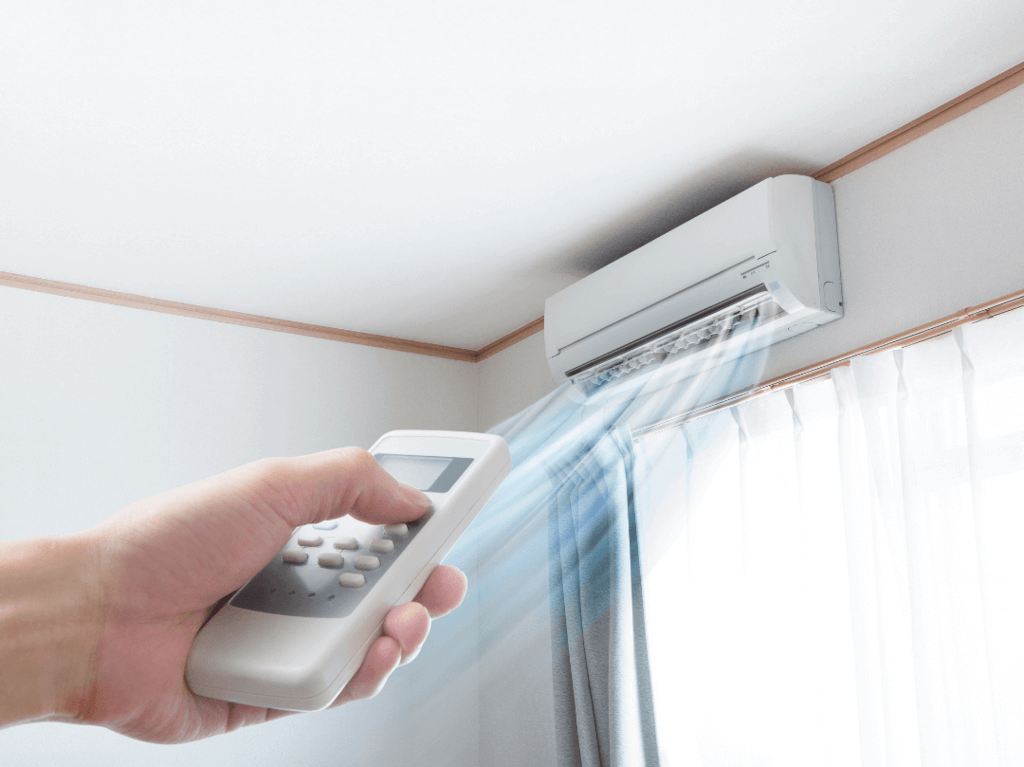
Cooling your home is vital, but you must also consider your energy bills. There are many factors to consider when you want to cool your home while cutting energy bills. You can cool your home in two main ways: active and passive. 

Active methods include making changes to your AC or installing ceiling fans. However, you can passively cool your home, too. Passive cooling trends to cut down on energy bills also aims to reduce the reliance on air conditioning and to use the home’s or sun’s natural features to ensure our homes remain cool while spending less on electricity. 

The following are passive cooling ideas to consider:

Ventilation
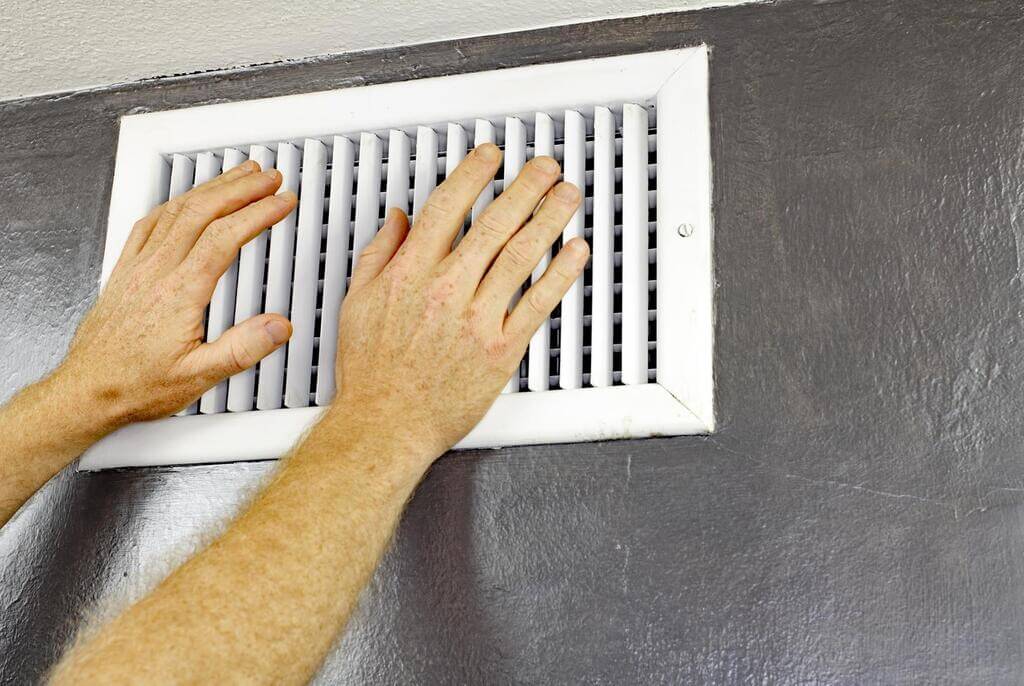
Ventilation for Passive Cooling Trends

Increasing the amount of ventilation in your home is an excellent idea for ensuring your home remains cool while reducing energy bills. Allowing more cool air into your home through more ventilation will significantly change. 

 You can face the ventilation in the direction of the wind so cold air can enter whenever there is wind. 

Moreover, you only have to install the ventilation once, and they will cool your home with little to no intervention, which is why they are a passive cooling method.

Shut Blinds/Curtains 

Passive Cooling Trends Shut Blinds/Curtains 

When the sunshine comes through a window, it will increase the temperature of the air in the room and cause the AC unit to work harder to cool the air leading to higher energy bills. Therefore, a passive approach to cooling your home is to shut all blinds or curtains in the sun’s direction. 

The shades and curtains will prevent much of the sun’s heat from entering the room and ensure the AC does not have to work as hard to keep the room cool. Heavy and dark blinds or curtains will do the job best.

Reflective Blinds/Curtains
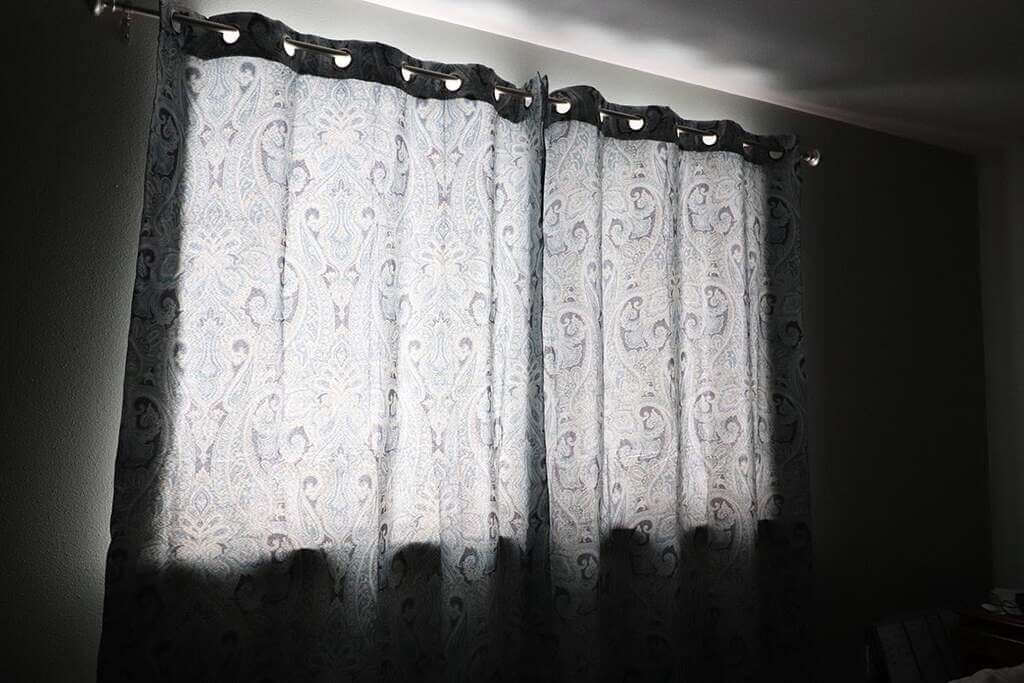
Reflective Blinds/Curtains Passive Cooling Trends

If you have to keep your windows open, you can keep your home cool with reduced energy bills using reflective blinds or curtains. They are better than regular blinds and curtains because they reflect the sun’s rays leading to a much cooler home and more efficient AC unit. 

Solar reflective blinds are the best for reflective blinds as they reduce glare as well as light, plus they are durable. White curtains of plastic or impermeable fabric will do their best to reflect heat away from your home. 

Open Windows at Night

Passive Cooling Trends To Cut Down On Energy Bills

The night air is cooler than day air, so even if it is hotter during the day, you should avoid opening the windows at all costs. Therefore, an excellent passive idea for cooling your home is to allow cool air into your home at night till dawn. You will then close the windows and doors in the morning to trap the cool air in your home. 

As long as you have little to no air leaks, your home should be cooler than if you were to open the windows and doors during the hot summer days. The airflow will be minimal, but you will have a cooler home while spending less on energy bills.

Planting Shade

Passive Cooling Trends to Planting Shade

Finding some heat is the most natural action to take when feeling the heat on a sunny day. So, why not do the same for your house and you will have to do very little. Trees take time to grow, and there will be a lot of work in the beginning. However, if you can withstand the plating period, you can have a shade that will cool your home for the rest of your life. 

It would be best to plant decorative trees all over your home, which is becoming more common as more people do their part to be environmentally conscious. The sunny side of the house should get enormous trees. Shade outside the windows is also a consideration to make. Plant now and reap massive rewards in the future.

Install Weather Tape
Install Weather Tape

Spending less time and effort cooling your home would be best to ensure the cool air the AC produces does not escape your home. 

Conclusion

Therefore, you should install weather tape in your home to prevent cool air from escaping and keep it in your home. It will also increase your AC’s efficiency. Use weather tape to seal any leaks in the windows and doors. 

Evaluate your home to find anywhere cool air may escape and seal the leak with weather tape. The tape is relatively cheap, and after sealing the leaks, you can sit back and enjoy your home’s cool air.

Passive cooling involves ways to cool your home that save effort, time, and money. Planting shade, installing weather tape, increasing ventilation, and shutting blinds and curtains are excellent passive cooling ideas. Try them out and see how much of an effect they have on your energy bills.

Discover More
9 Common Signs That You Need an HVAC System Repair

0
hvac system need repair

A properly working HVAC system is essential for your family’s health and comfort. However, HVAC issues are likely to occur at the most inconvenient time. During a sweltering day, a faulty or old air conditioner is often pushed to function beyond its capability.  

HVAC issues can easily be handled with regular maintenance and repair. You can minimize or avoid costly HVAC repair services by being proactive. Here are several signs which indicate that you need an HVAC system repair.

1. Water Leaks from Your HVAC System

Water Leaks from Your HVAC System

Your HVAC system relies on refrigerant to cool your home, and liquid condensation can occur as it runs. However, these liquids should not build up or leak into your home. Small pools of water or a continuous leak around your air conditioner is an obvious sign that your HVAC system is not running correctly.

A leaking refrigerant is not something to neglect as it can lead to health issues. Exposure to a refrigerant in your home or workplace can cause dizziness, loss of concentration, skin rashes, or abnormal heart rhythm in people with heart issues.

Leaks in your home can also cause damage to your home and may even lead to significant structural problems. Call an air conditioner service technician to check your HVAC system immediately if you notice any leakage issues.

2. A Weird Odor from Your HVAC System

 A Weird Odor from Your HVAC System

Another telltale sign that your HVAC needs professional repair is a weird smell from your vents when running. A pungent odor might indicate an issue with your system’s insulation, while a musty smell may indicate mold in your HVAC unit. Mold in your HVAC system can be a huge risk to you and anyone living in your home, including pets. Its exposure can lead to respiratory issues, including asthma attacks, coughing, and runny nose.

Call an HVAC technician immediately if you notice a strange smell from your system to protect your family’s health. A technician has the necessary skill to properly clean the HVAC unit to allow you to breathe fresh air again. In addition, they will check other components, including refrigerant levels, the thermostat, and motors, as they clean your unit.  

3. Increasing Utility Bills

Increasing Utility Bills HVAC System Repair

Escalating utility bills might be an indicator that there is a problem with your HVAC unit. Faulty air ducts in your home can cause your HVAC unit to work harder to cool air, which may make it consume more power. Unfortunately, more power consumption translates to higher utility bills at the end of the month. Call an HVAC contractor or your home warranty company to have your HVAC system repaired to avoid paying costly electricity bills.

4. Strange Noises from Your HVAC System

Strange Noises from Your HVAC System

It’s normal for an HVAC system to make noise as it runs, but some sounds are a call for concern. For instance, a clicking sound from the outdoor system indicates there is an electrical fault or something is obstructing the fan. Ensure you turn off the system before trying to remove the obstructing object.

On the other hand, screeching sounds from metal parts could indicate worn-out bearings on the fan motor. This will need fan repair or replacement. In addition, a faulty fan belt can cause a squealing sound, which can be very aggravating, especially during quarantine. Even if your system seems to run correctly, call an HVAC repair professional when you notice any weird noises.

5. Warm Air Blowing Out of Vents

Warm Air Blowing Out of Vents

Cool air offers comfort for everyone in the house, particularly during the hottest days of the summer. A lack of or inadequate cool air in your home indicates something is wrong with your HVAC system. The most common culprits for this are blocked or clogged return vents, clogged air filters, or dirty condenser coils. Low Freon levels, a faulty thermostat, or a damaged compressor also can affect your HVAC’s cooling ability. You can fix these problems on your own, but it’s good to call an HVAC technician when the warm air issue doesn’t resolve after fixing these things.

6. Sudden Increase of Dust in Your Home

Sudden Increase of Dust in Your Home

A sudden dust increase in your living rooms could indicate dirt accumulation in your HVAC system. Dust accumulation in your home can eventually turn your home completely dusty. Hire an HVAC repair professional to help get rid of dust issues. Having your HVAC system cleaned regularly can also help boost air quality by keeping your home dust-free.

7. Poor Airflow

Poor Airflow of HVAC System Repair

Weak airflow is a telltale sign that your HVAC system isn’t functioning efficiently, or there is a barrier blocking air from moving through your home’s ductwork. A damaged motor or clogged air filter is usually the cause of this issue.

Insufficient airflow in your home can be frustrating, so investing in an energy-recovery ventilator can be a good idea. This can boost the cooling ability of your HVAC system by replacing dry air with fresh air every time your system cycles. Zoning systems can also be beneficial to your HVAC unit. They can ensure you are getting sufficient airflow and cooling power when you need it most.  

8. Frequent Cycles

Frequent Cycles for

Whether it’s cold or hot, your air conditioner should go through relatively regular cooling cycles. Although you can expect your HVAC system to turn on more frequently on hot summer days, it should not cycle on and off continuously. Call an HVAC repair expert if your system keeps going on and off. A quick HVAC repair can resolve frequent cycling, but it’s also a sign that you need a new air conditioner.  

9. Your Air Conditioner Is 10 Years or Older

Your Air Conditioner Is 10 Years or Older

The average lifespan of an HVAC system is 10 to 15 years, though some can last up to 25 years with proper maintenance practices. If your air conditioner is approaching this age, it could deteriorate due to normal wear and tear. You can keep calling a technician for repair or consider replacing your HVAC system with a modern and energy-efficient model. Luckily, if you have a home warranty, you can replace your HVAC system at a lower cost if it fails from old age or normal wear and tear.

Endnote

HVAC units can sometimes malfunction, just like any other machine. Repairing your system as soon as possible can help prevent minor issues from becoming major problems, saving you from expensive repairs in the long run. It might be time to call an HVAC repair professional if you notice any of these warning signs to bring your system back to peak performance.

Discover More:-

Major Benefits of Smart Home Automation You Must Know

0
smart home automations

In this golden age of digitalization and automation, humans have evolved from using bulky computers to sleek, intelligent laptop and tablet devices. Above and beyond digitalization, we’re slowly embracing automation in various aspects of our lives as well. One of the most significant developments in this age has to be whole home automation.

What Is Home Automation?

Home Automation

Smart home technology enables users to access all their appliances and home devices through a standard network. Your home’s temperature regulator, lighting, speakers, and even the security system, connect to a single system that you can control through any smart device, like a phone or tablet. It enables remote control of the house and enhances the user’s convenience. Automation in the house makes the place much easier to manage, and it enables you to leverage high-tech functionality that was impossible in the past. 

Benefits of Home Automation

Benefits of Home Automation

If you are considering investing in smart home automation, here are some of the benefits that should convince you: 

1. Time-Saving

In this fast-paced world, we need to prioritize the limited time we have in the right way. People are becoming more inclined towards multitasking as schedules have become increasingly overwhelming. It’s for this reason that a reputable 1(or indeed elsewhere) should be your first port of call if you want to make home living more simple. Home automation enables people to tackle multiple tasks at the same time. They can operate their laundry machine, clean the house, and even do their daily chores through a single device.

Integrating robot cleaners makes the cleaning process much easier, as it is an ideal choice for individuals who work from home or have busy jobs. This helps them save time by enabling them to avoid doing menial tasks.

2. Cost-Effective

Energy and water costs can be one of the most prominent costs in utility bills of a moderately sized house. They contribute to a large portion of the overheads in running a place. Home automation enables you to save up on costs without having to compromise on comfort.

It integrates technology like smart thermostats that detect your presence within the house and automatically adjust the temperature accordingly. Other additions like advanced showers can also track water use and temperature. This can help cut down on energy and water costs, reducing overall utility bills in the long run.

3. Greater Control

With home automation in place, you can control all your electronic devices with one click. One common problem is that people forget to turn off lights and kitchen appliances. Home automation will give you greater control over these devices, as you can access them through your smartphone. It will allow you to close doors or turn off appliances with just a tap on the phone. This is ideal for days when you are exhausted or running late and do not have time to manually handle appliances in the house.

4. Improved Security

Improved Security of smart home automation

Home security is a homeowner’s top concern, especially for demanding jobs requiring them to travel a lot. Similarly, if you have children and older adults at home, the safety of your home must be a priority. Home automation can help you install parental controls and limit access to certain appliances among children.

Safety measures like setting the maximum water temperature can help avoid accidents or mishaps. Moreover, accessing recordings from security cameras on your phone can help you ensure the safety of your loved ones even if you are away.

You can easily connect motion detectors with security cameras and operate them through your smart device. Installing a sensor can help you get alerts in case someone tries to break into the house. This relieves homeowners from traveling back repeatedly, as they can monitor their homes remotely and ensure their family stays protected even if they are away. 

5. Convenience and Comfort

Everyone wants a cozy and luxurious home that can help them unwind from a hectic day at work. Home automation allows you to create the desired ambiance with a click on your smartphone. You can set the right temperature, adjust the lighting, and even play music with a single click.

Your housework will be more convenient to handle, as you can access all appliances with just one tap. You can start warming up your house by turning on the heating when you are still on your way back and go home to a warm place. Similarly, you don’t have to move around repeatedly when you’re working on a project or simply lounging. This makes home automation a customer-friendly and convenient choice. 

6. Energy Efficient

Home automation ensures that the energy is used more efficiently around the house. It can precisely control the heating and cooling through a smart programmable thermostat. Energy settings are automatically changed throughout the day, ensuring minimal energy usage. You can turn the lights into evening mode with sunset automatically or automatically turn off when no one is in a room. 

This makes automation better for the planet too. Individual homes can contribute significantly to the overall carbon footprint in the environment. Home automation enables individuals to make a more environment-friendly choice and reduce overall energy consumption. This reduces the impact of living on the long-term health of the planet.

7. Improved Appliance Functionality

Improved Appliance Functionality

Home automation can improve the functionality of your home appliances. Integrating a smart TV can help you find better channels and even add parental control to their usage. Smart kitchen devices, like ovens and stoves, can ensure that no meal is overcooked or undercooked and will alert you through your phone once your food is ready.

Home appliances can be used for multiple tasks simultaneously, enabling you to get maximum usage out of each device by enhancing their overall functionality. Connecting your home appliances to technology can make your home life much more straightforward and improve the functionality of each machine.

Endnote

Home automation is revolutionizing the way homes have worked traditionally. It benefits the user by cutting their energy consumption, reducing their utility bills, and improving the overall security of their homes. This technological revolution will enhance a user’s convenience by enabling them to handle everything in their home remotely.

The choice for a home automation service should be based on your budget and the available options in your locality. Local home automation services will help you find suitable automatic solutions for the weather and trends in your locality. Work towards automation today to reap the benefits it will offer the new generations. 

Discover More:-

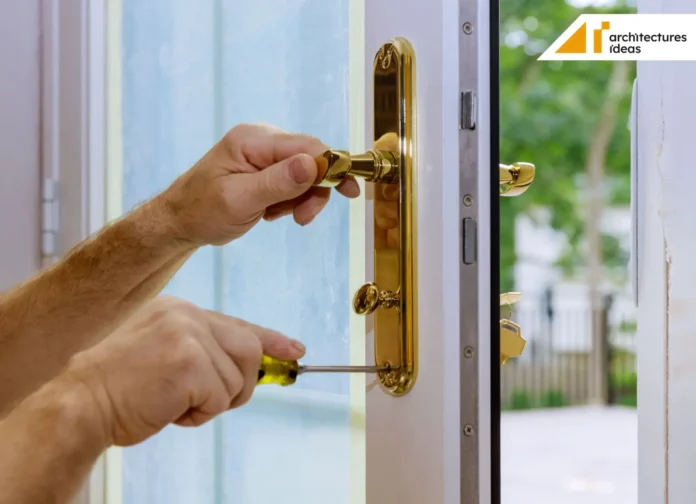
5 Things To Know Before Replacing Your Door Locks

0
replacing your door lock

Congratulations! You’ve finally purchased the house you’ve dreamed of. So, what should you do? Give your home exterior and interior an upgrade? How about a new set of furniture? 

These are a few of the things most homeowners often focus on and think about when moving into a new house. However, there’s something more important that they always ignore and don’t care about—changing their home’s locks.

Changing your home’s locking system is one of the first things you must do after purchasing a new home—especially if it has been someone’s home for many years. After all, you’ll never know how many people can access it before it is turned over to you. 

If that’s the case, you may visit J & L Pacific Lock & Key or other professional lock replacement services in your area. They’re the ones to call when dealing with locksmith concerns. This way, you’ll be able to protect your home and your family from burglars and intruders. 

But before you do so, here are some of the most vital things you might need to know:

The Difference Between Replacing and Rekeying

Rekeying and replacing are the two methods often involved when changing door locks. Both of these techniques ensure that you’ll never be able to open your doors using your old keys. So, if that’s the case, then what’s the difference between these two?   

Here’s a brief discussion that will tell you how replacing door locks is different from rekeying and vice versa: 

Replacing Door Lock

replacing your door locks

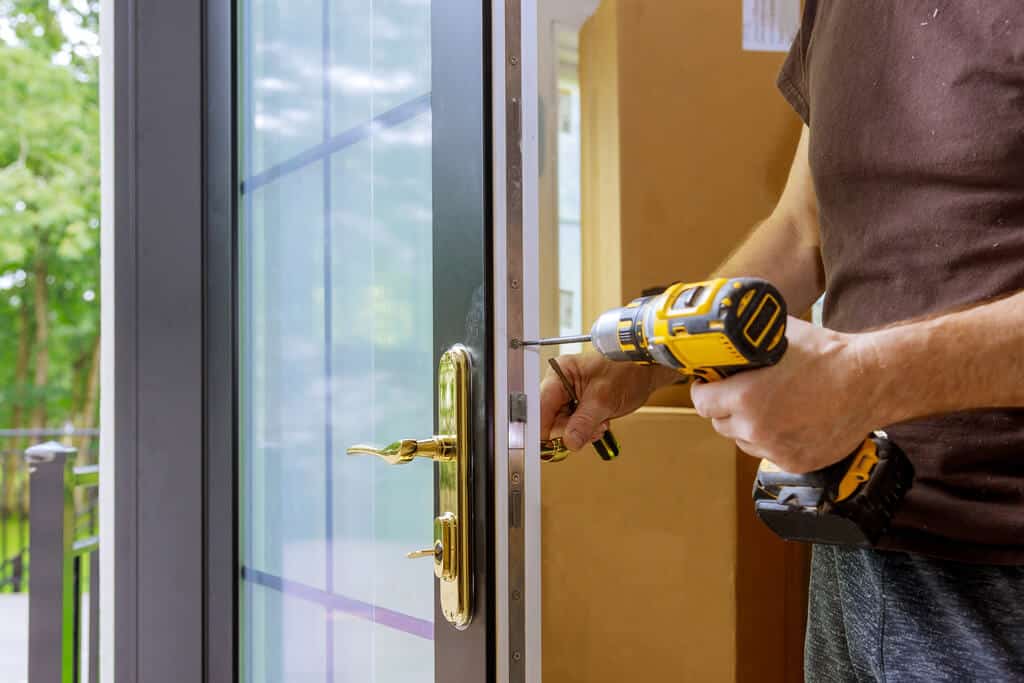
Replacing is a comprehensive process of ensuring strong home security. It involves removing the entire door lock, including its handle (if it’s a lock-handle system), and installing a brand new one. It may cost around USD$80 to USD$300 per door lock, depending on the brand and quality.

In addition, replacing door locks often comes with a professional installation fee of up to USD$200. But if you want to save on your budget, you may look for DIY door locks instead. They come with a free instruction manual that you can use to install them on your doors properly. 

Rekeying Door Locks

In most apartment-style properties, rekeying door locks is the most common way to change door locks. Unlike the other one above, this process doesn’t require the removal of the entire door lock. But, it involves the realignment of springs and pins inside the mechanism of the door lock to make it a perfect match for the new key. 

Professional rekeying by a certified locksmith may cost around USD$80 to USD$160. But if you want to do it yourself, you can purchase a rekeying kit for only around USD$15 to USD$25. It may be your best option if you don’t have a budget for professional locksmith services.

Rekeying When Moving

Rekeying door lock When Moving

When a house, whether old or new, is under construction, many people—including real estate agents, home contractors, and subcontractors—often have keys that give them access to its doors. As a homeowner, you don’t want your home’s security to be in the hands of those people, no matter who they are. Therefore, your door locks must be rekeyed, though this is typically the responsibility of your builders. 

Rekeying is ideal every time you move into a different house. After all, you’ll never know how many keys exist that can gain access to your doors. Therefore, when buying a property, whether old or new, you should set your sights on rekeying your door locks. If you plan to rent a property, it’s best to check your lease contract for clauses regarding changing your door locks before you proceed—you might need to surrender a new duplicate key to your landlord.  

Replacing Damaged Door Locks

Replacing Damaged Door Locks

Like all mechanical workings, door locks wear out over time. Inserting the wrong key into your locks or repeatedly locking and unlocking your door may eventually cause damage to the internal mechanism of your locking system. It may lead to a key that can be difficult to turn or one that’s a bit challenging to pull out. 

In this case, rekeying your door locks might not be your best option to address the issue. That is because rekeying cannot undo a damaged locking mechanism—pre-existing problems will still be there. What you should do instead is to have your entire door lock removed and replaced with a brand new one. Although it’s pricey, you can’t put money over the safety and security of you, your family, and your home.  

Changing Locks When Keys Get Lost

When you lose your keys, whether stolen or misplaced, it’s essential to have your entire door lock rekeyed. In this way, you’ll be able to prevent people who had your keys from entering your home or other facilities unauthorized. But why rekeying and not replacing? 

Rekeying is the most practical option since only the keys went missing, supposing that the internal locking mechanism is in perfectly good condition. You only need to replace the entire lock if the only key to that door lock has gone missing. That is because rekeying relies on the original key—without it, rekeying won’t be possible. 

Better Locks Mean Better Security

Better Locks Mean Better Security

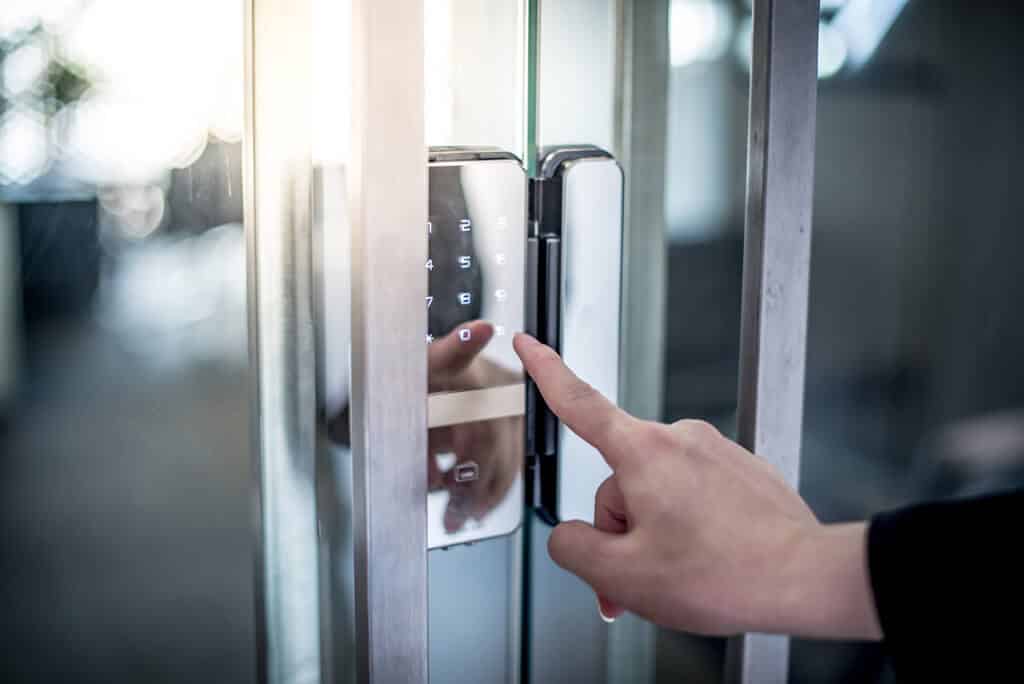
After a series of illegal intrusions, burglaries, and hideous crimes, most homeowners prefer to upgrade their door locks to more secure ones. Modern locking systems offer highly-advanced technologies that simplify and improve home safety and security. Instead of using conventional and easy-to-misplace keys, modern door locks use keypads, key cards, or biometrics to open a closed door. Just think of it as unlocking your phone using a password. 

On top of that, modern door locking systems can be operated and programmed using your smartphone, tablet, or PC. It allows you to open and lock the door even if you’re miles away from your home, just in case someone you know and trust needs to enter.

Final Words

Replacing your door locks is one way to maintain and improve the security of your home for the sake of you and your family. But before doing so, there are things you have to consider. These include the option to rekey instead of total door lock replacement, replacing damaged locks, missing keys, and modern locking systems.   

If you need door lock replacements, you may opt for professional services to ensure every mechanism is properly installed—if you have a sufficient budget. Otherwise, go for DIY instead—follow the instructions accordingly. 

Discover More

20 Best Reading Nook Ideas and Designs for 2025

0
reading nook ideas

Reading nooks are the comfy-cozy spots in our homes that are loved by everyone. We sometimes use them to devour a novel, browse through a magazine or simply relax and enjoy a cup of coffee while gazing through the window. We cannot help ourselves from curling into these nooks, whenever we get a chance.

Whether you like reading rooms or corners, alcoves with built-in couches or you’re a fan of oversized lounge chairs, we’ve got it all covered in this article. Here, we present a list of a few creative cozy reading nooks ideas.

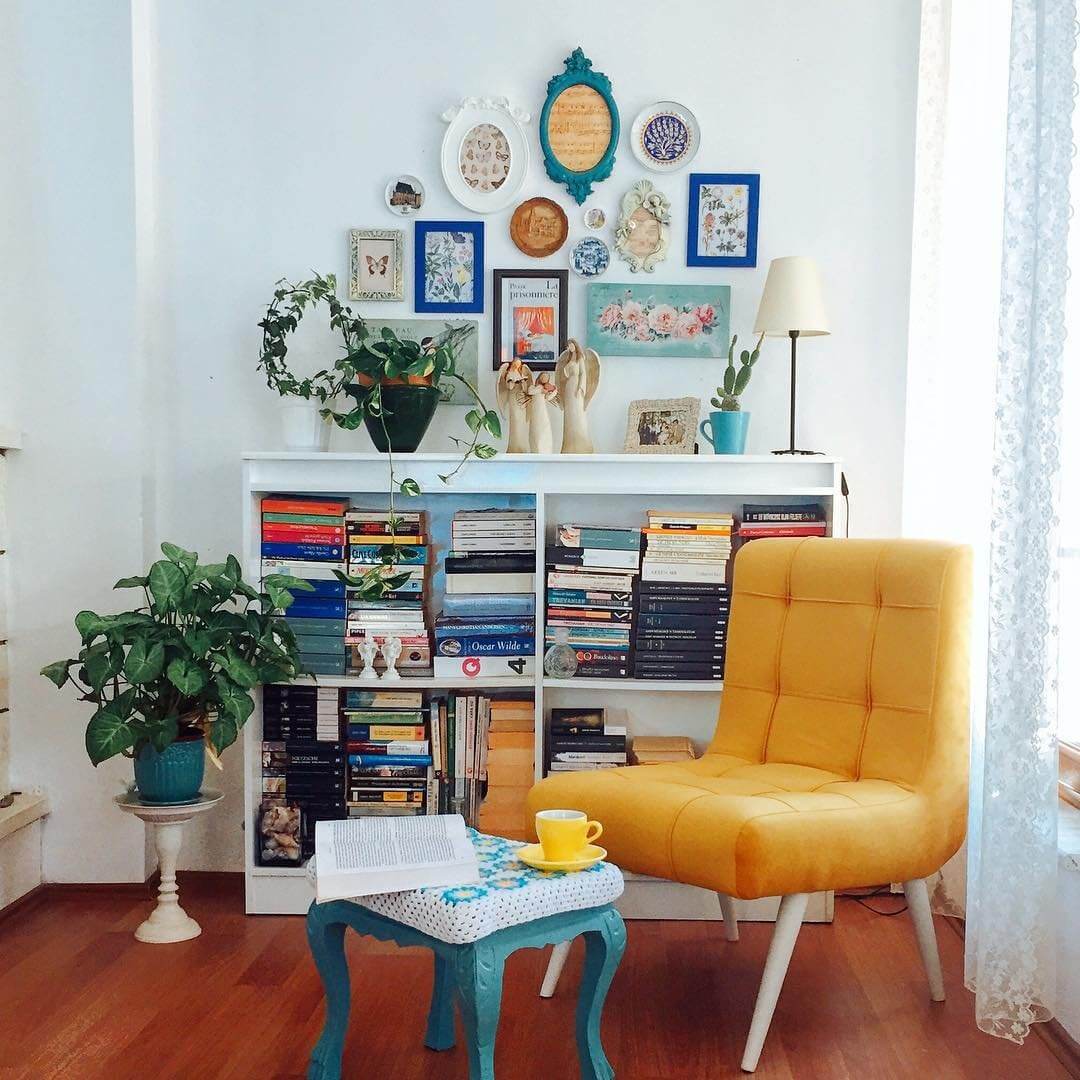
1. Utilize Small Corners

Utilize Small Corners

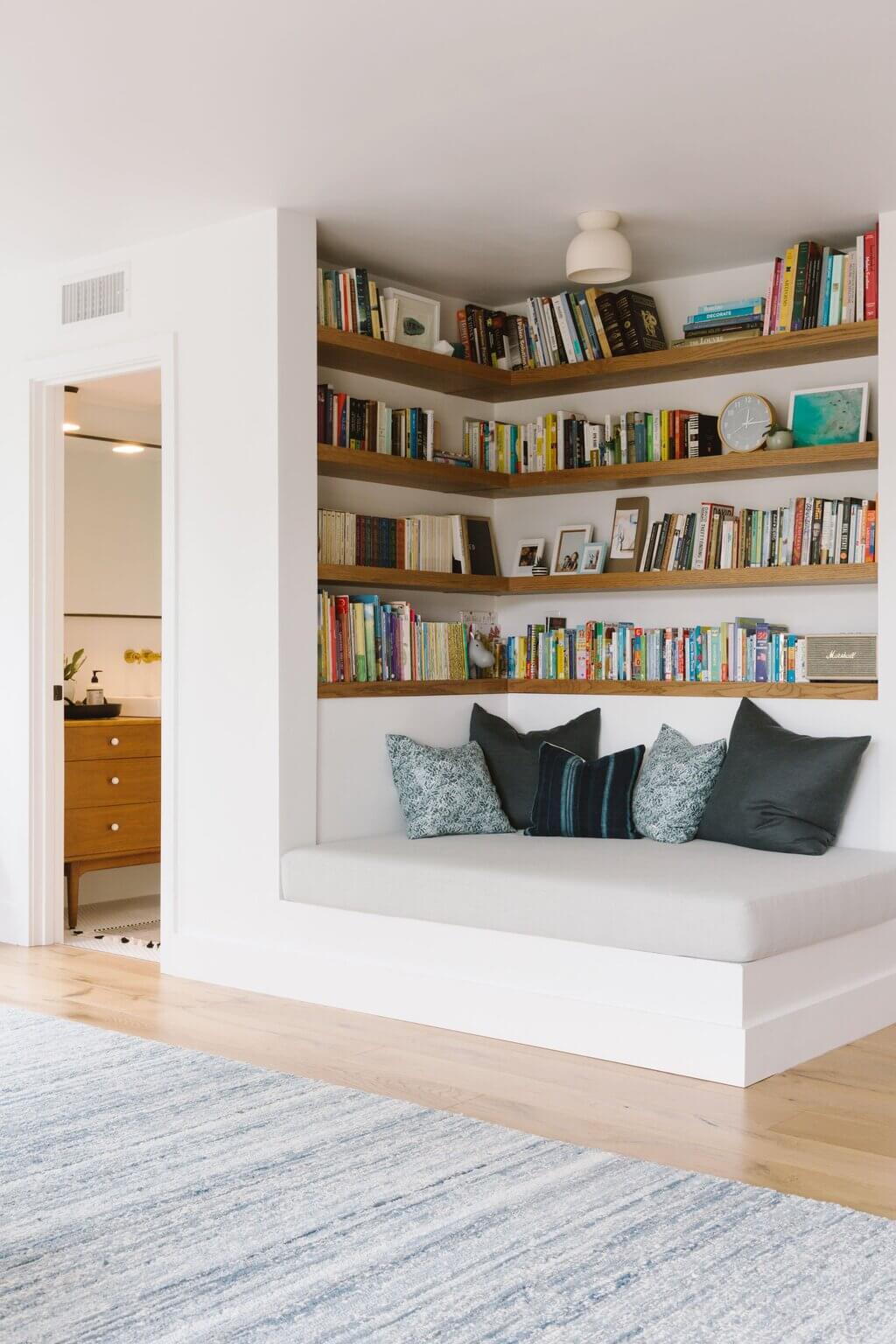
A great way of utilizing a small dead corner of your living room to create a cozy reading nook. This reading nook design is flanked by open shelves and has a sleek minimal aesthetic.  The layer of throw pillows adds much-needed depth to the space.  Neatly organized books and decor accents on the shelves make it pleasing to look at.

2. Read with a View

Read with a View

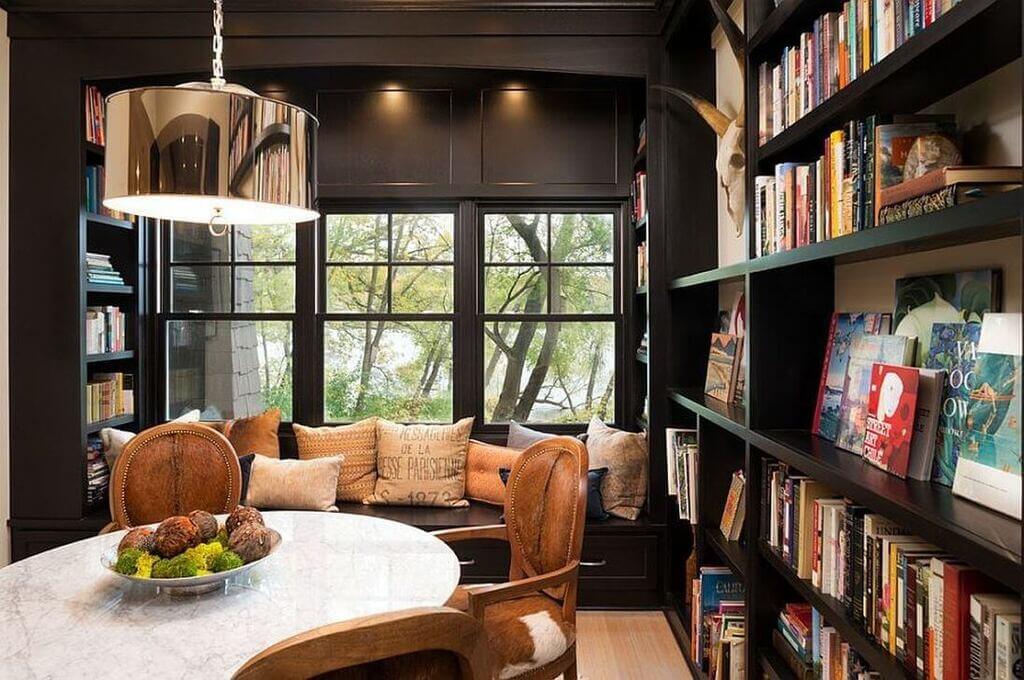
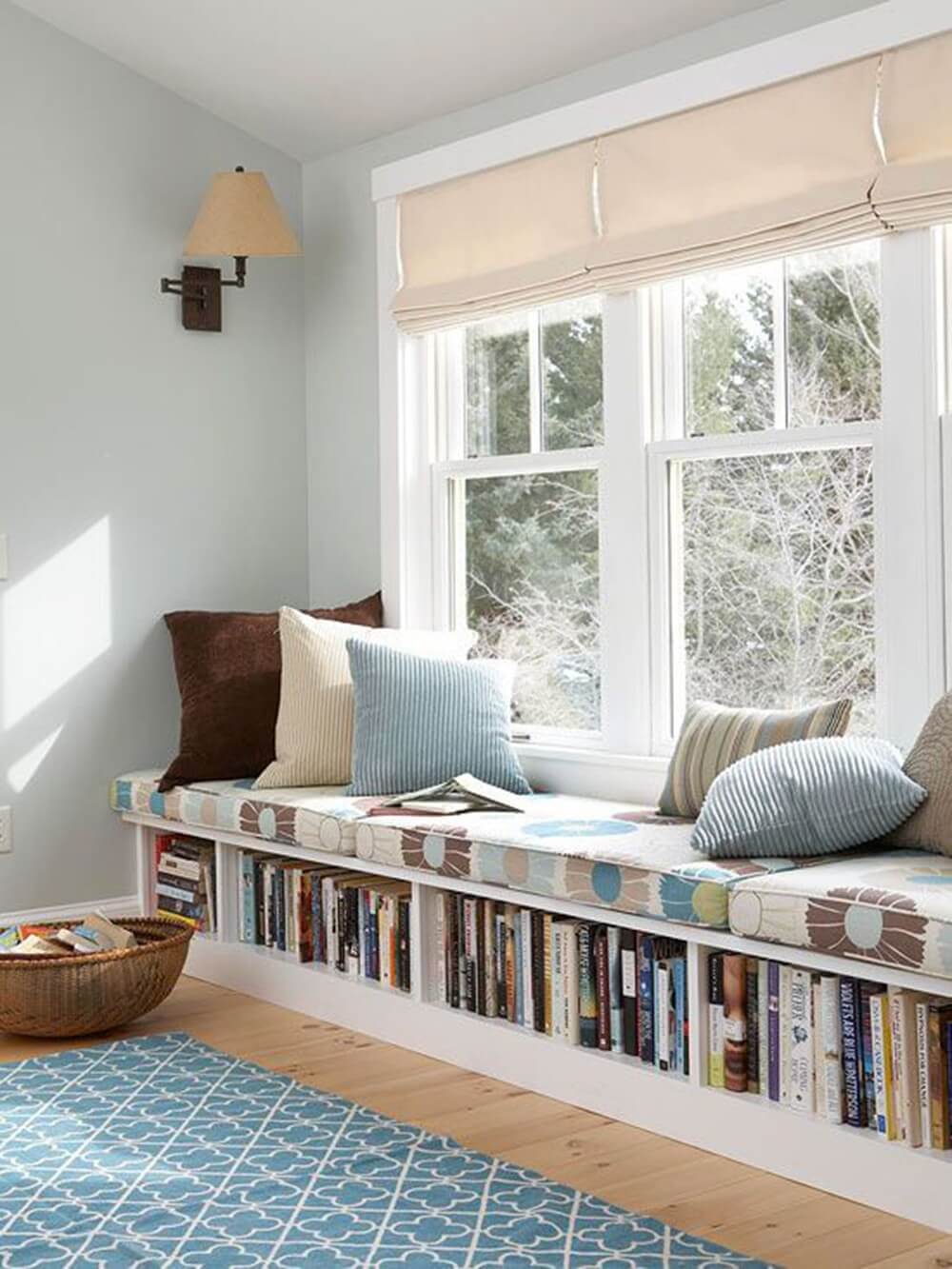
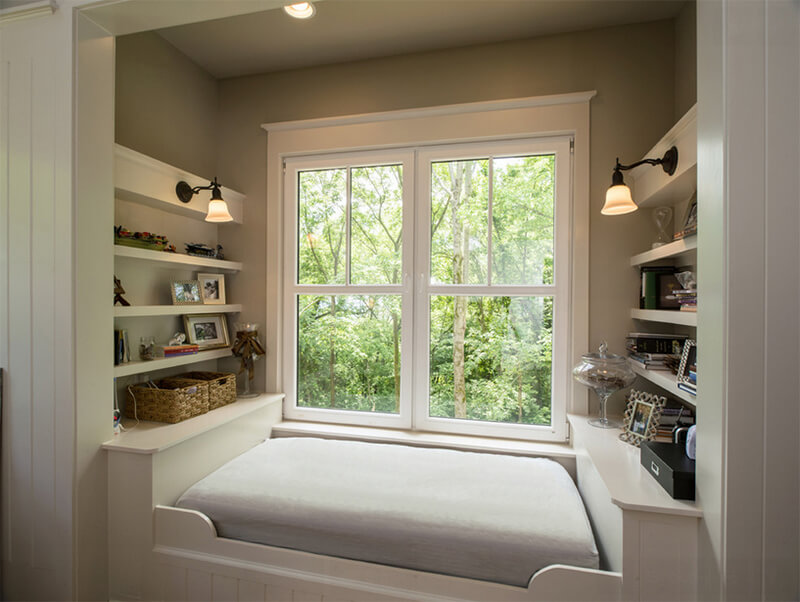
A large window with a view allows executing the many reading nook ideas. The seamless built-in library and reading nook perfectly balance the aesthetic of the space. The stunning view of the exterior allows the use of space for reading or endless gazing.

3. Color-Coordinated Library Wall

Color-Coordinated Library Wall

Your books can serve as decor elements, color coordinate your library wall to make an appealing backdrop for a reading nook. The rich leather upholstered armchairs, accentuated by the vivacious ottomans make an alluring reading nook.

4. Repurpose the Attic

Repurpose the Attic

Attics can become ideal reading nooks. The sloping ceiling creates a cozy space, perfect for reading. Don’t let your attic rot in dust, be savvy, and repurpose it to make a quaint cozy reading room.

5. Cozy Corner by the Window

 Cozy Corner by the Window

A splendid reading nook idea for cabin-style homes is this built-in couch for two. The warmth of the wood alongside the neutral furnishings with traditional accessories makes a very cozy reading corner. The sunkissed space also forms a great spot for enjoying coffee while gazing outside.

6. Transform the Hallway

Transform the Hallway

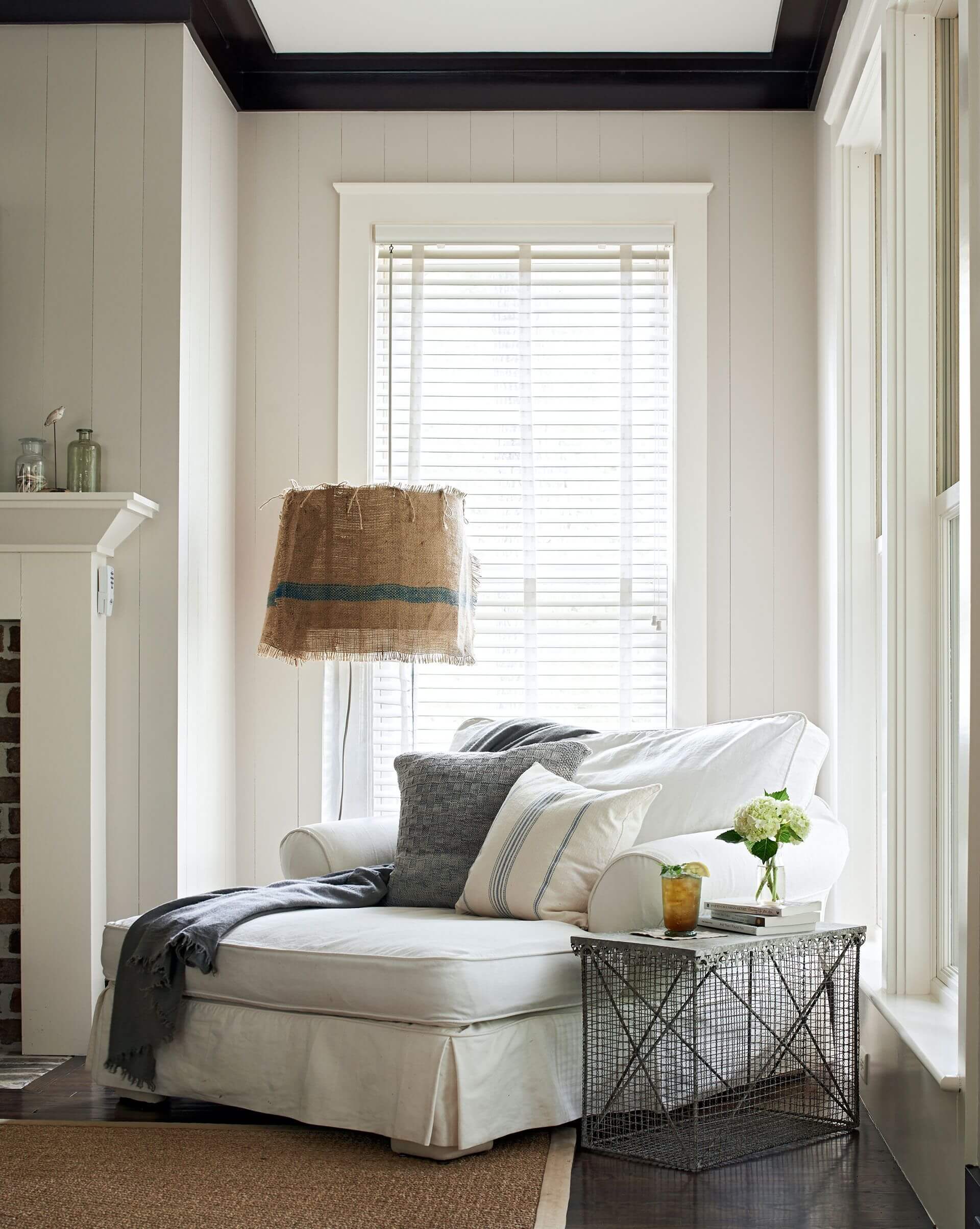
One of the most unique reading nook ideas is to transform a long dead hallway into a comfortable reading room. The built-in library, an oversized lounge chair along the window, accessorized by a floor lamp and artworks make a sophisticated space.

7. All in One Built-in Unit

 All in One Built-in Unit

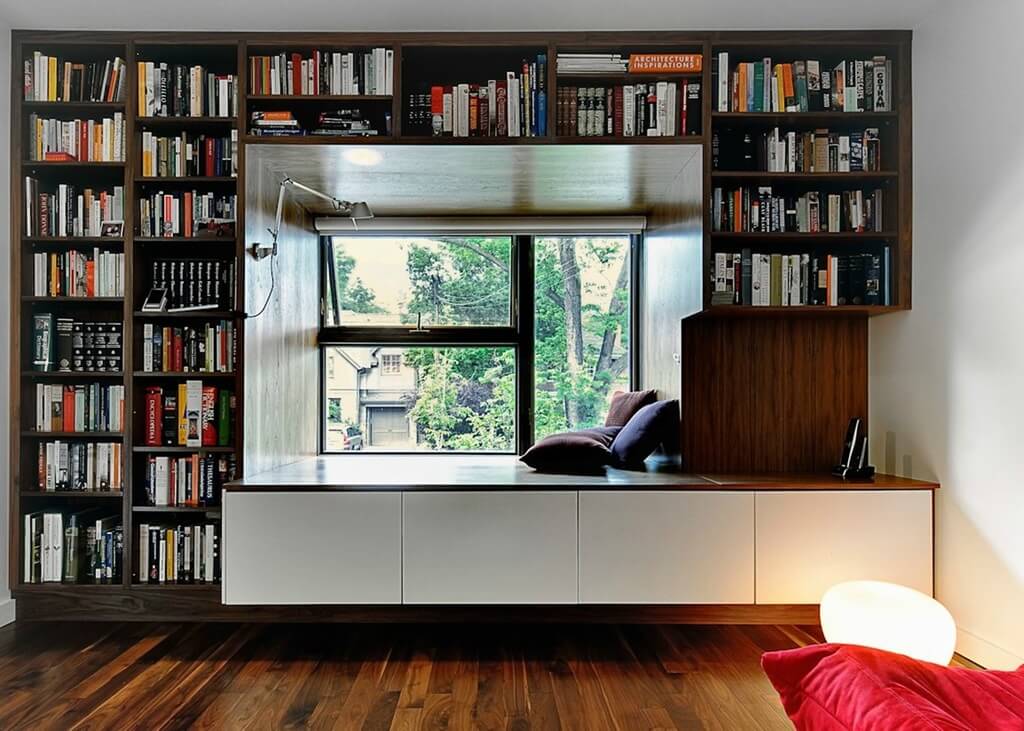
Reading nook furniture assemble consisting of a library, study desk, storage, and seating space tucked with a window make the space multi-functional. This reading nook idea is perfect for compact spaces with extra storage and functional requirements.

8. A Cozy Nook by the Fireplace

A Cozy Nook by the Fireplace

An eclectic mix of the traditional fireplace with modern architecture and furnishings make this ethereal reading room. The transitional style living room has both the qualities of a cool as well as a cozy reading nook.

9. A Lavish Office Nook

A Lavish Office Nook

This warm-toned modern office reading room is highly sophisticated. The richness of wood flooring and wall shelves complemented by the curtain wall, sleek spiral staircase, and concrete wall creates a harmonious interior space. The Eames chair acts as a cherry on the cake.

10. Repurpose Staircase Landing

Repurpose Staircase Landing

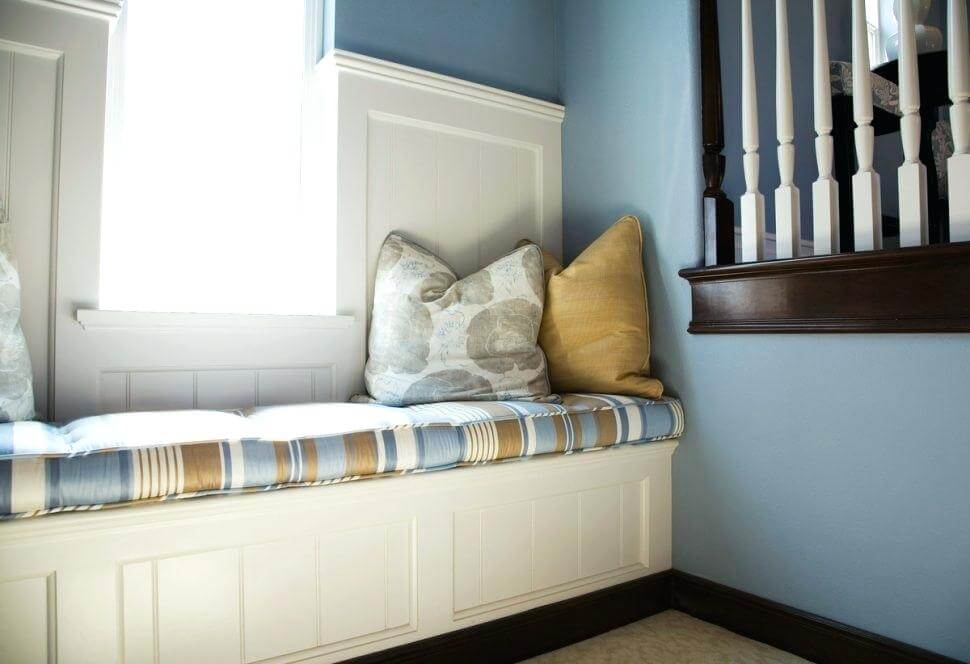
Yet another unique reading nook idea is to transform the staircase landing space. The alcove on the split floor makes a perfect spot for a cozy reading nook. The minimal wall paneling incorporates an in-built library and a bench giving a simple elegant aesthetic to the space.

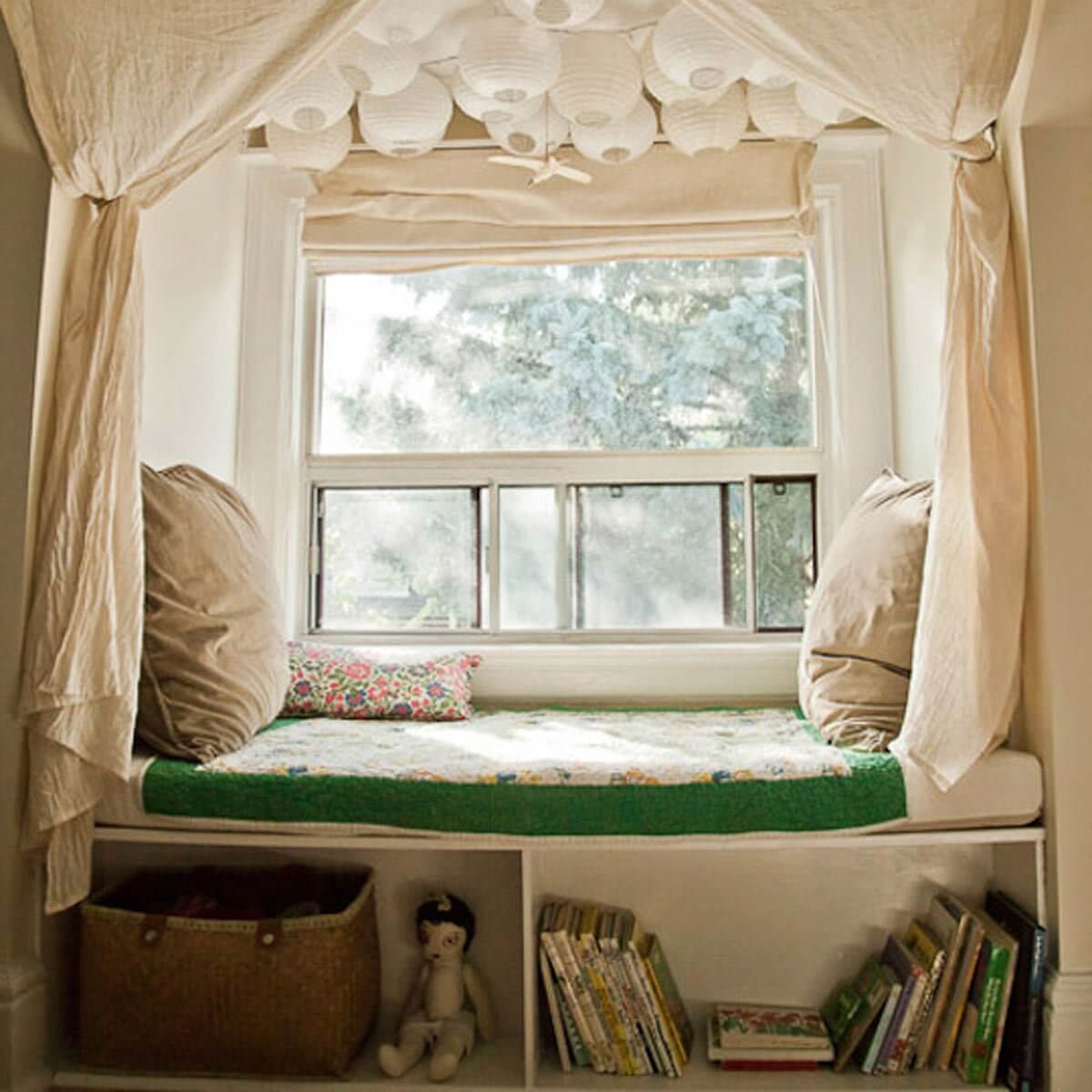
11. A Minimalist Alcove

A Minimalist Alcove

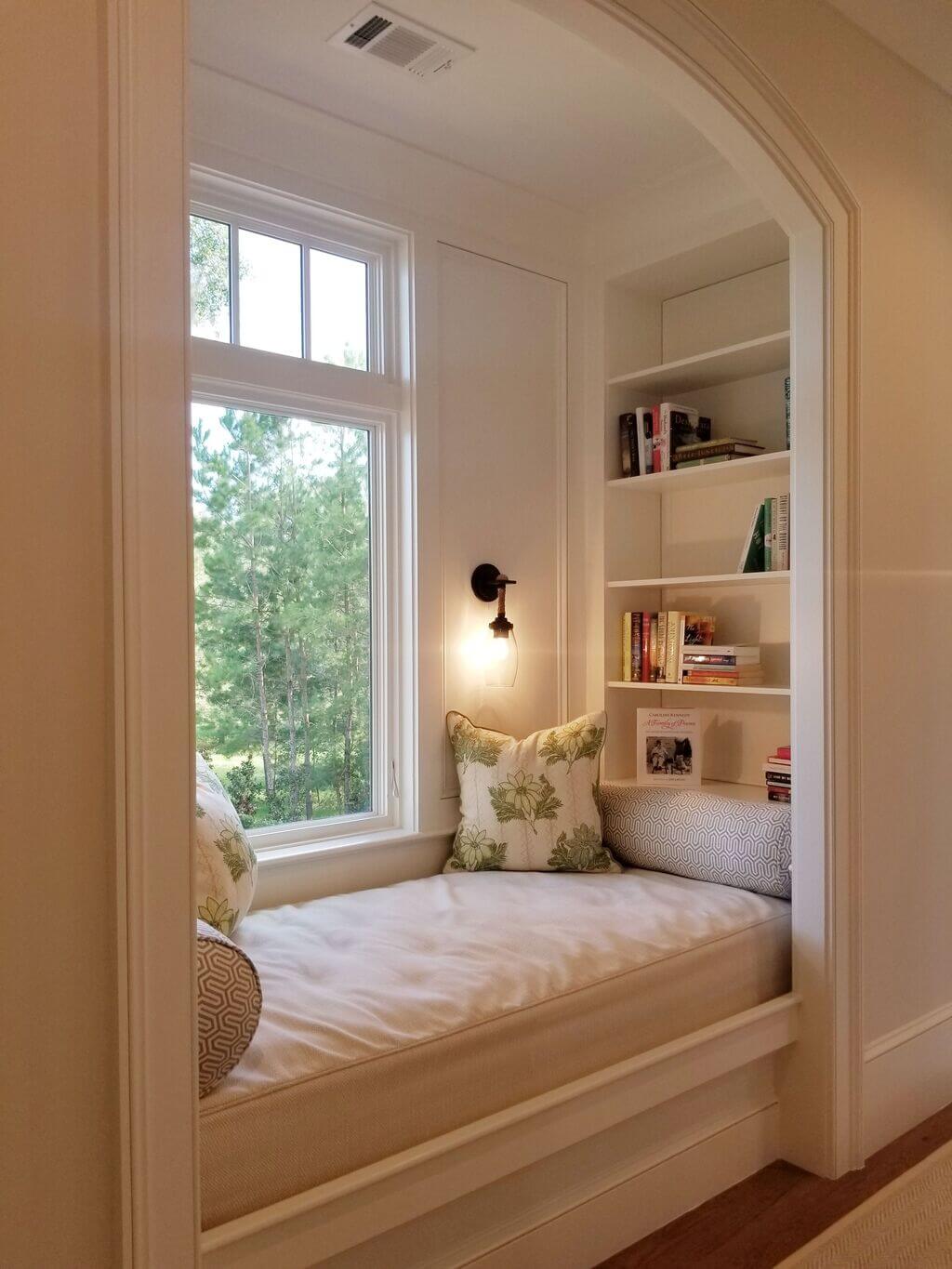
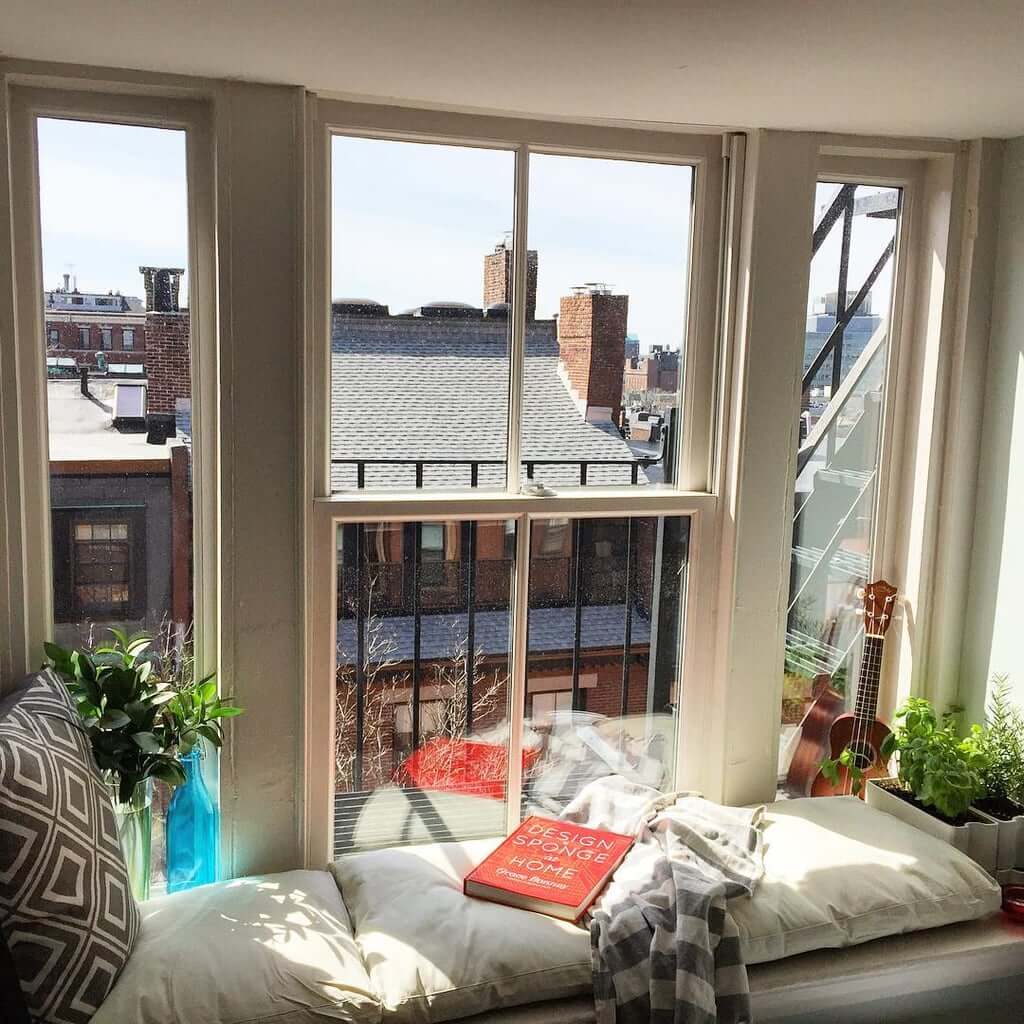
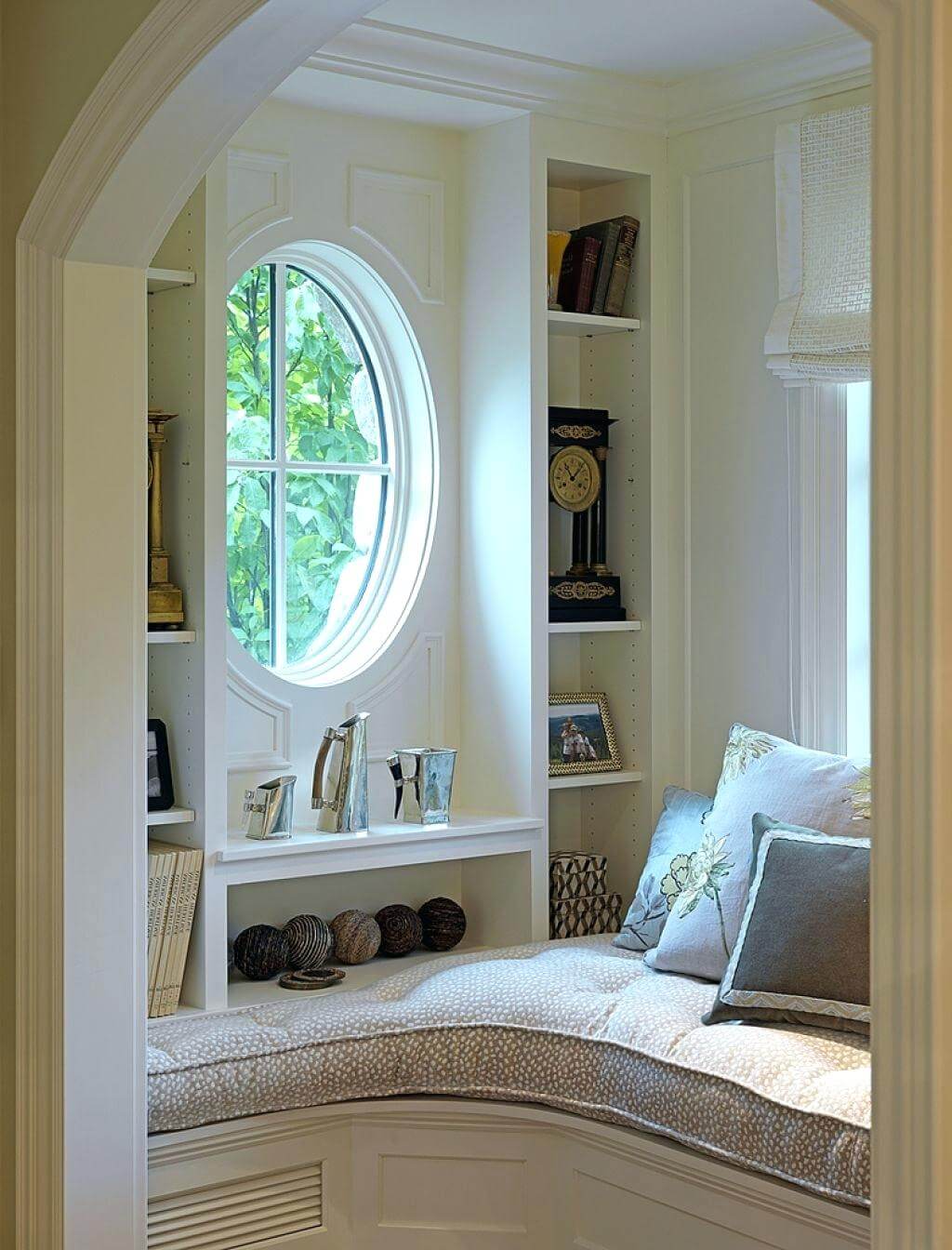
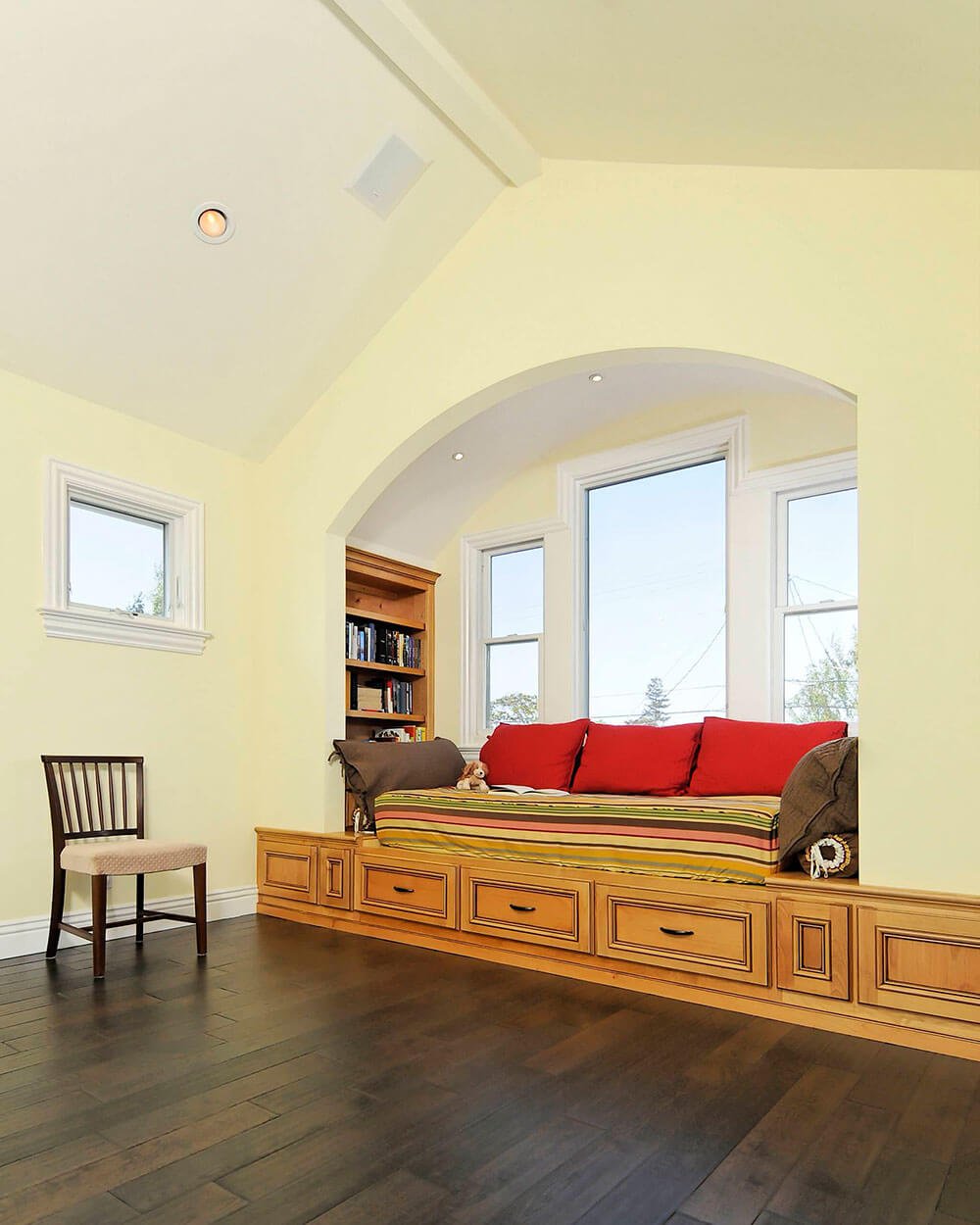
A niche carved inside a wall along with a bay window makes an impeccable reading nook. The cozy reading corner ideas also double up as a sleeping space. A neutral palette with simple decor gives the space a calming and charming vibe.

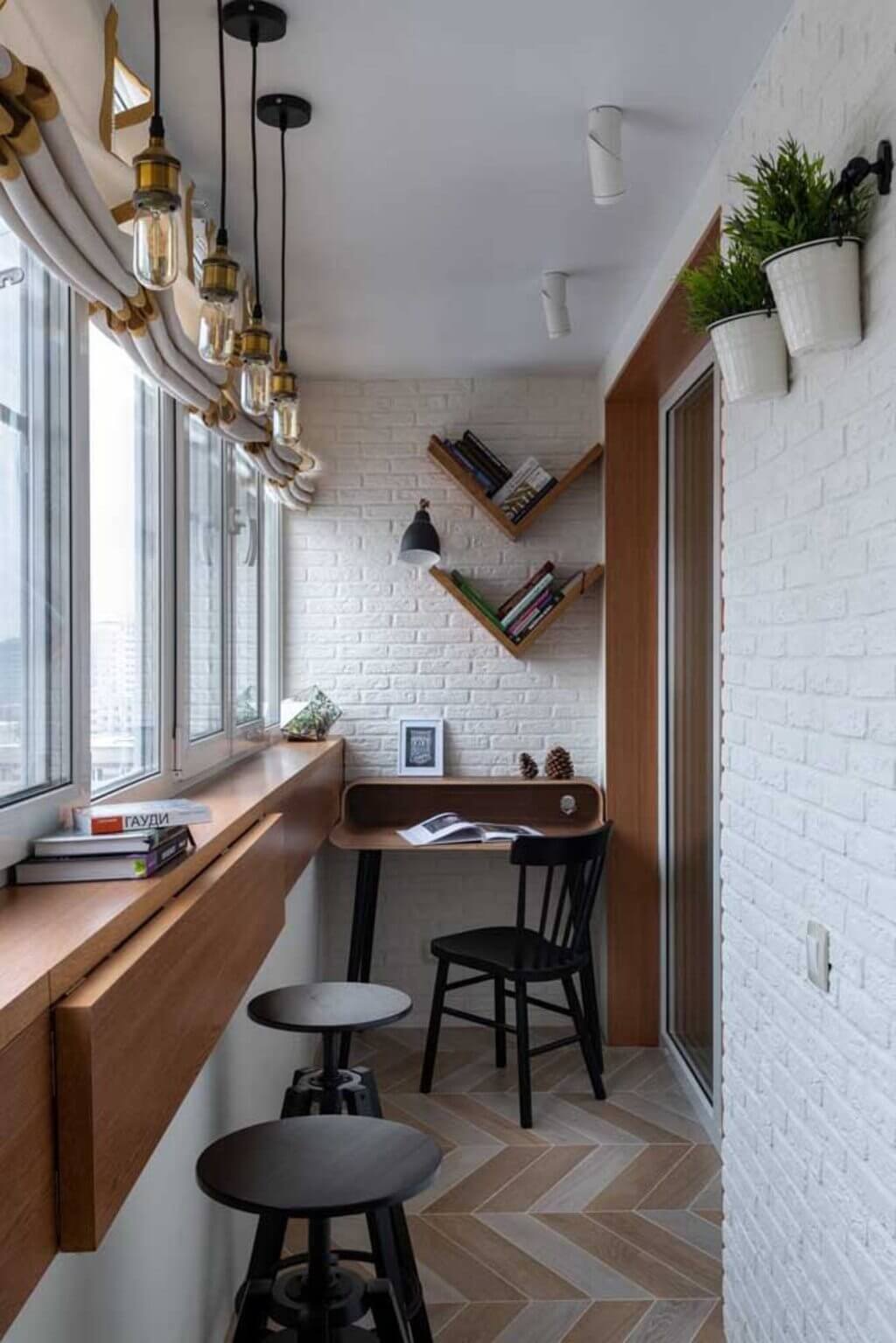
12. Restyle the Balcony

Restyle the Balcony

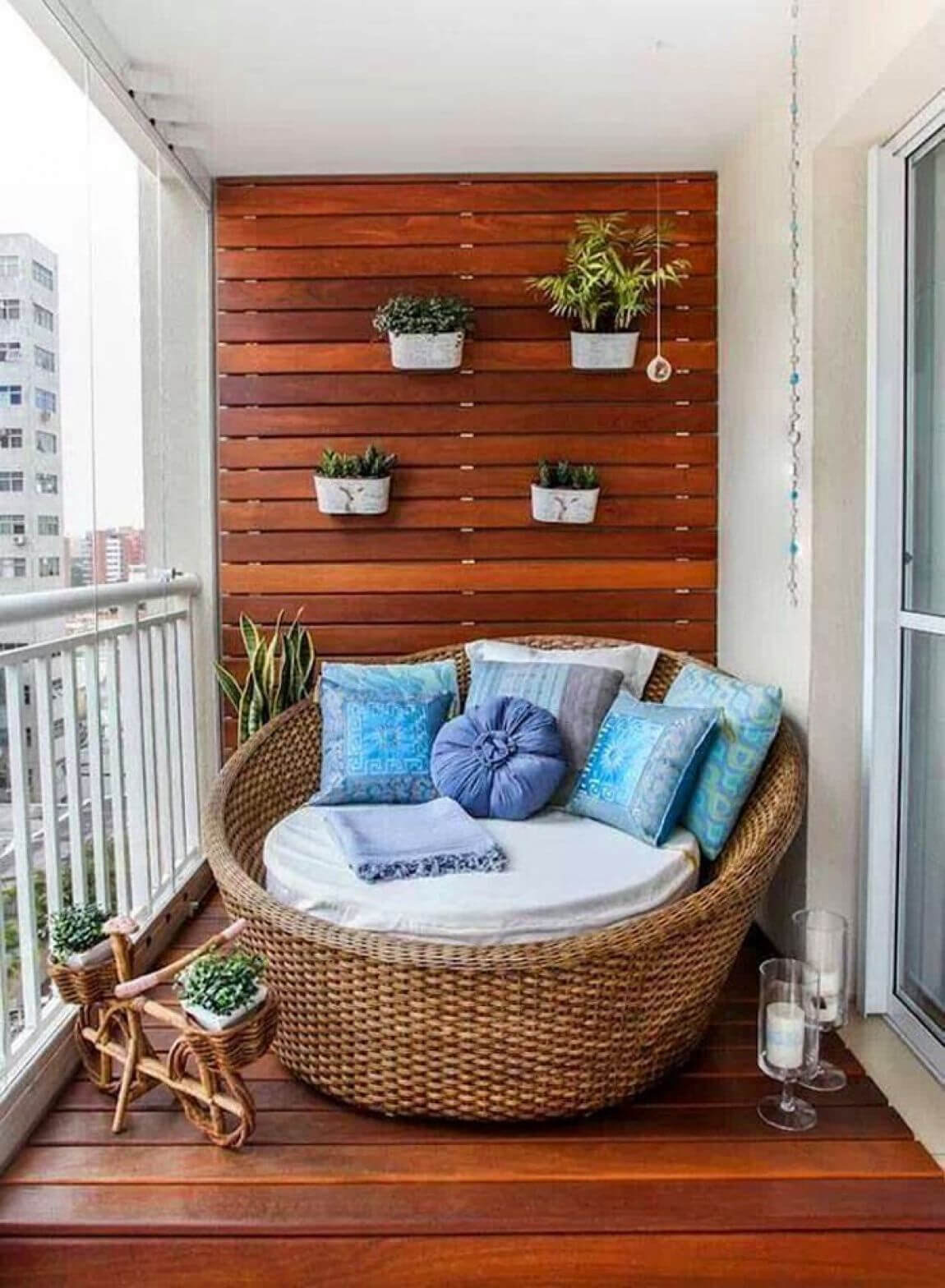
If you cannot find a corner in your house to make a cozy reading nook, try redecorating your balcony. A built-in bench like this one or a lounge chair on the balcony can make a great reading nook. Accessories the space using open shelves, accent lights, and plants to make the space comforting.

13. Nook Carved in a Library Wall

Nook Carved in a Library Wall

A reading nook carved in a bookshelf is yet another eccentric reading nook idea. The all-white wall with uniform shelves and light beige wood-clad nook give the space a Scandinavian – minimal aesthetic. The full-length shelves create ample storage and display area.

14. Extravagant Yet Cozy Fireplace Nook

Extravagant Yet Cozy Fireplace Nook

An extravagant space embracing the Victorian aesthetic makes a maximalist reading room. The cozy reading corner by the fireplace has a rustic charm. The classic mantle adorned with highly ornamental wooden details and wall paneling makes a bold statement. The arched french window adds a sense of depth and character to the space. Additional elements like a traditional rug and oversized lounge chair complete further dramatize the space.

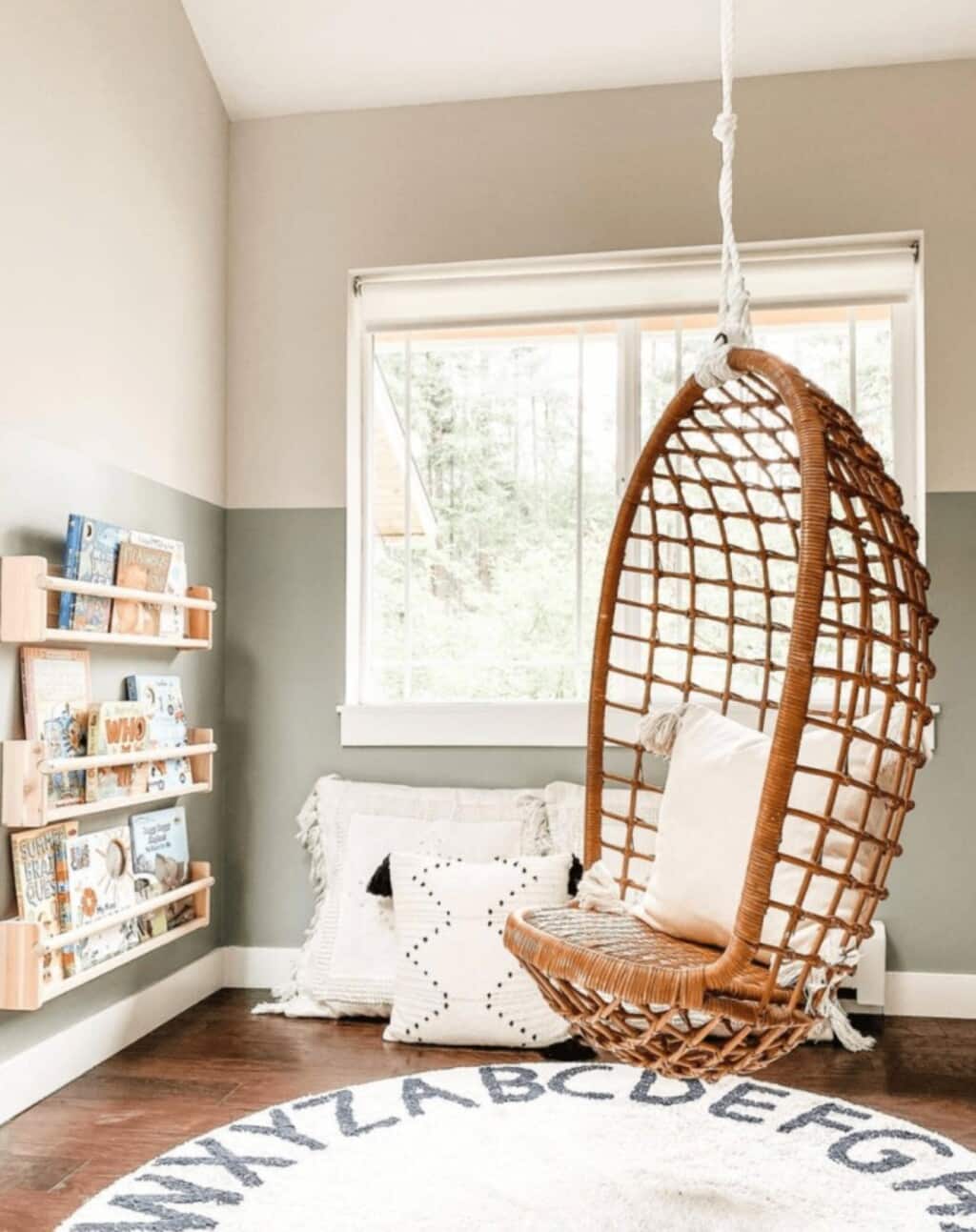
15. Bohemian Swivel Chair Nook

Bohemian Swivel Chair Nook

A hanging swivel chair is the perfect reading nook furniture option. You can incorporate it in your living or bedroom space or your balcony space. It brings a sense of playfulness to the space adding to its charm of the space.

16. Sophisticated Chaise

Sophisticated Chaise

A cozy reading room ideas featuring a library for a wardrobe, a modern iteration of a fireplace, and a statement lounge chaise create a one-of-a-kind space. The warm-toned, well-lit space with high-end accents and antiques makes a remarkable reading room.

17. Revamp the Loft

Revamp the Loft

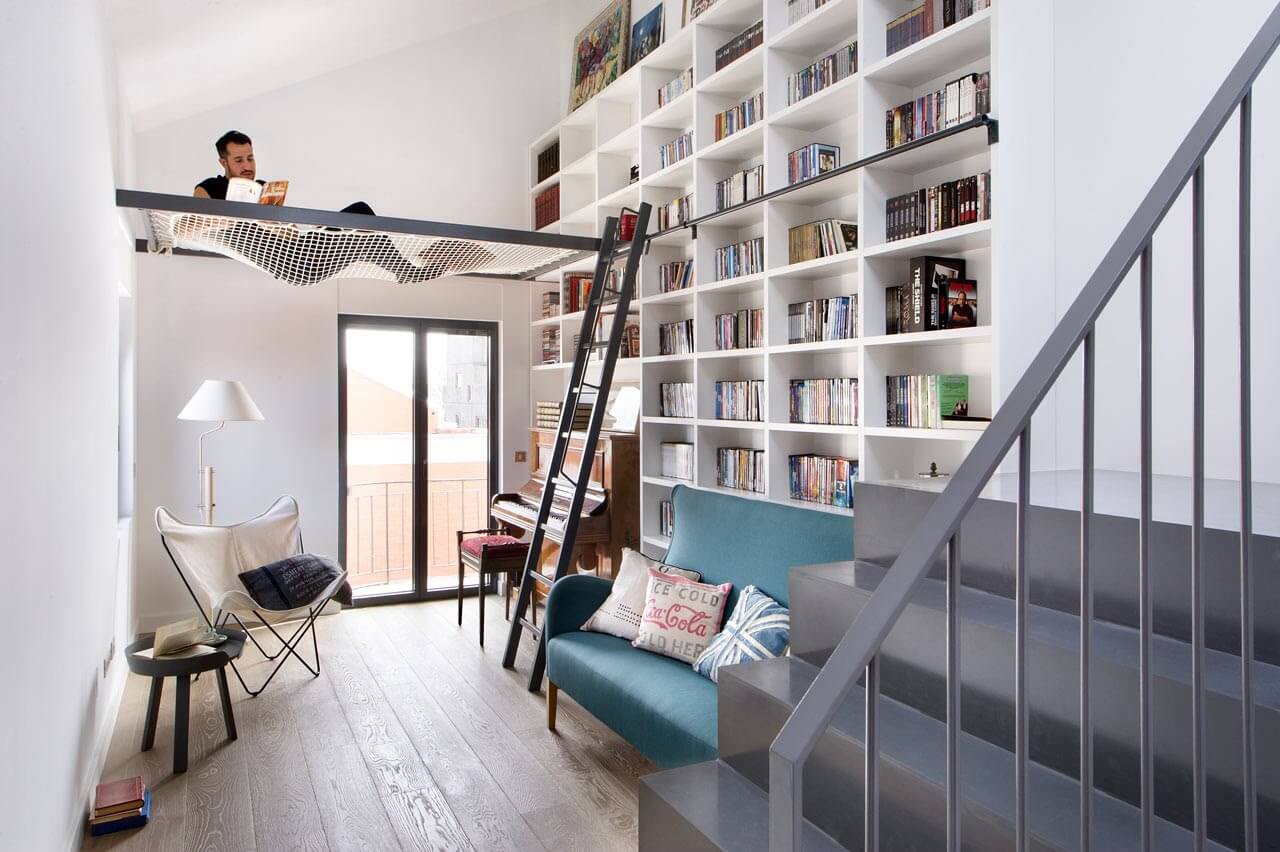
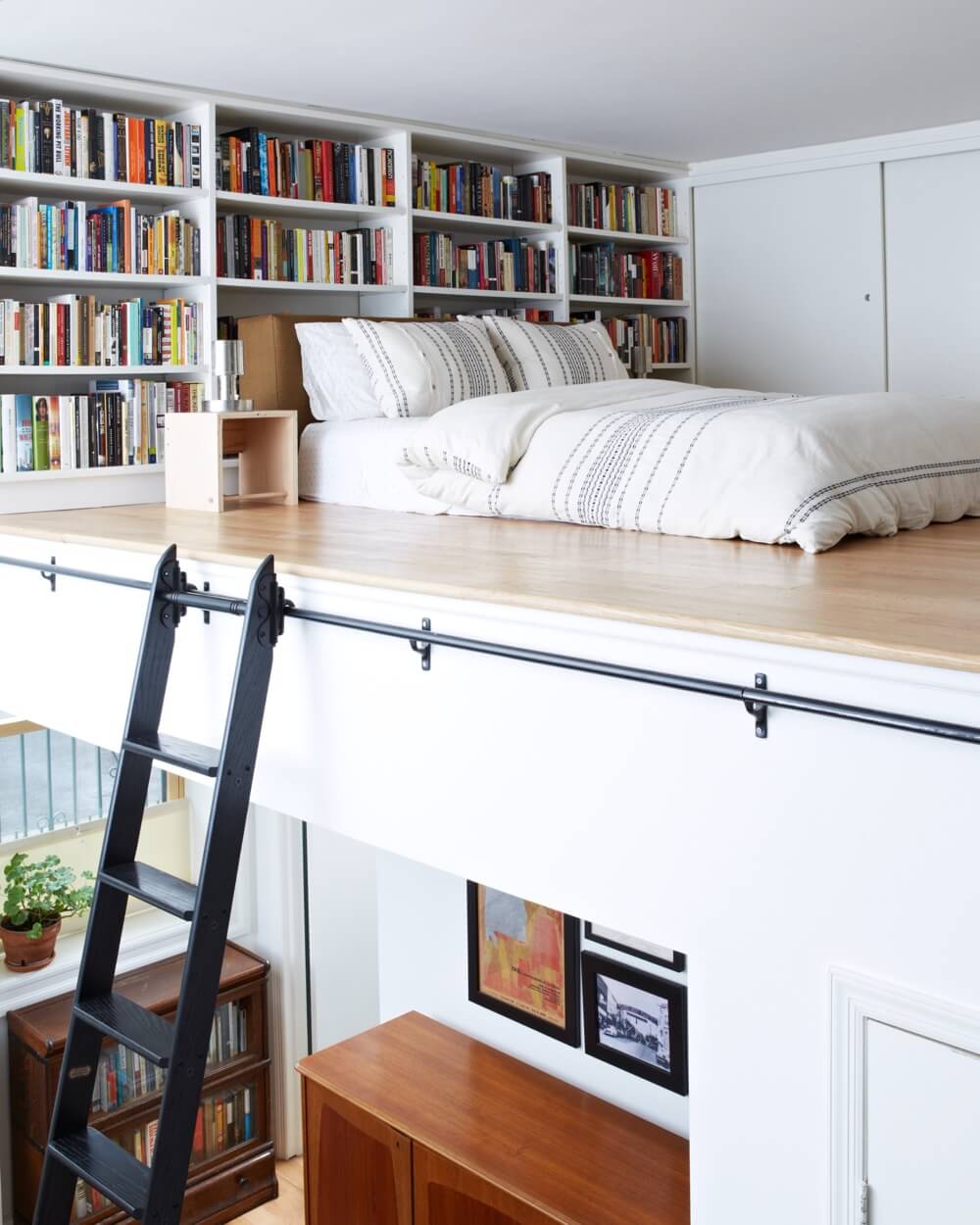
Living in a tight space and looking for a clever reading nook idea? You may want to look at repurposing your loft space to double up into a bedroom slash reading nook. A bookshelf along the wall provides ample storage and the floor bed manages the low height of the space. The ladder to the loft makes the space accessible.

18. Carve a Nook Under the Staircase

Carve a Nook Under the Staircase

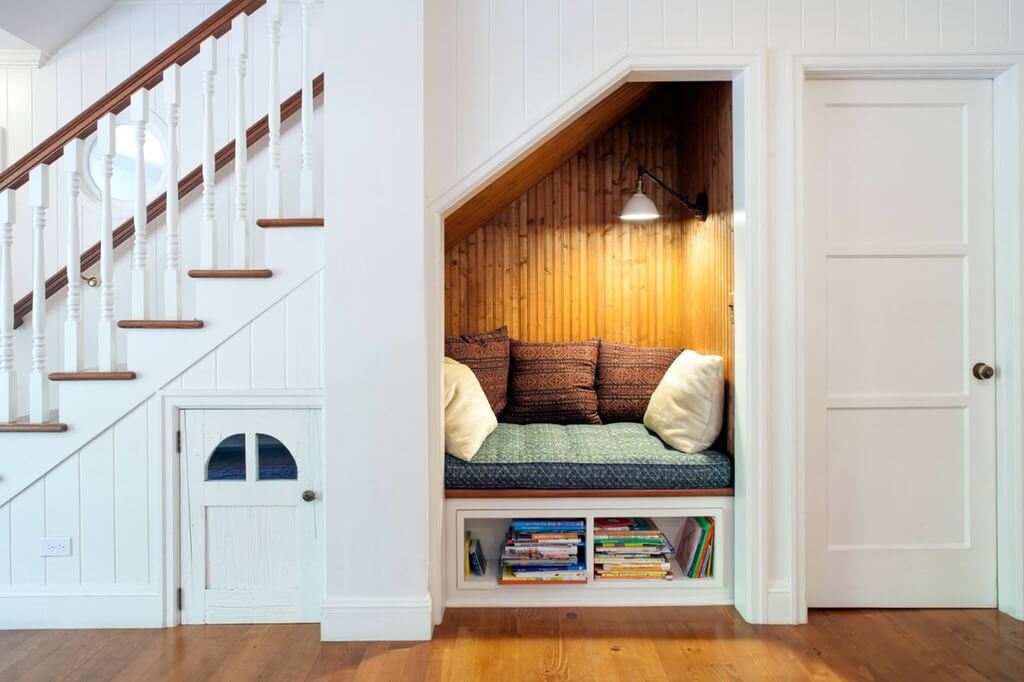
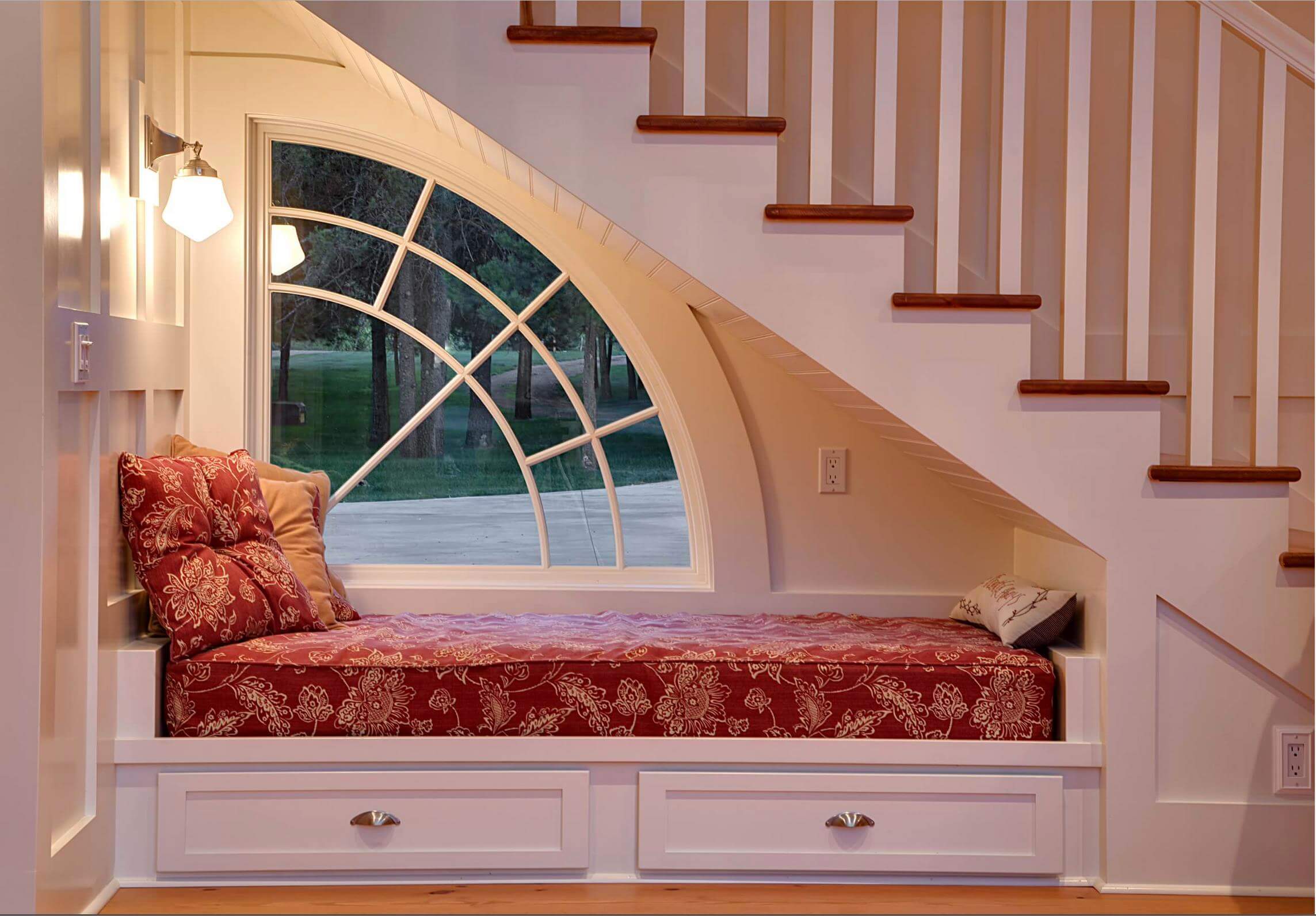
The snug space under the staircase shapes into a cushy reading nook. The bookshelf consisting of the pile of books utilizes every inch of the space, optimizing storage. A reader can comfortably crawl into the couch accentuated by throw pillows to indulge in a calming reading session.

19. Indoor-Outdoor Reading Nook

Indoor-Outdoor Reading Nook

Laying at the intersection of a blurred boundary of the indoor and the outdoor,  this reading nook is a delightful space to experience. The nook extending over the patio, light flooding through the windows, the greens along the sill, and the farmhouse exterior design will make an enticing space.

20. Make Room for More, Add a Banquette

Make Room for More, Add a Banquette

If you desire a large reading nook that can comfortably accommodate a few people but is also cozy and comfortable, you should use this reading nook design idea. Add a U-shaped banquette like this one to make it a party of 5 instead of one. The built-in bookcase framing the niche adds character to the space. The contrast of wood against the vibrant hues of the furnishings adds to the visual interest.

Bottom Line

A reading nook feels cozy only when it matches your taste and sense of comfort. Choose and adapt what resonates with you. Mix-match and play around with ideas to create a perfect reading nook in your home.

FAQs


1. How do I Design a Reading Nook?

Combine storage and reading area.
Opt for a spot with a window
Carve out niches or alcoves
Revamp transitionary spaces like staircase landing or hallway.
Bay windows are great spaces for reading nooks.

2. What Makes a Good Reading Corner?

A comfortable seating arrangement is a must.
Sufficient storage for your books near your nook is also essential.
A good source of light is a requirement of a good reading corner.

3. How to Create a Reading Nook in a Small Space?

Use clever storage – built-in or mobile like a cart or movable boxes.
Keep the tone simple and minimal.
Don’t clutter the space with too many elements.

4. What Should I Put in a Reading Nook?

You can add pillows, blankets, lamps or wall scones, plants, a tray with candles, show pieces, decor accents, book organizers, a side table, a storage basket, etc.

5. How to Make a Cozy Reading Corner?

To make a cozy reading corner, you should choose the right kind of seating and furnishings. Choose whichever seating you find comfortable – a chaise, swivel chair, couch, etc. The way you layer the seating will also decide the look – add plenty of throw pillows and a textured blanket and rug.

Read More:

7 Signs That Reveal You’re Ready to Buy a House

0
Buy A House

There is a lot to consider before you buy your first home in Pensacola. You may have dreamed about it, but you still wonder, “Am I ready to buy a house?” It’s a scary prospect. You’ll have to set roots and make a significant investment. 

That’s why you should learn as much as possible about the location, real estate market, property prices, etc., before making any commitments. If you don’t know much about buying a home in Pensacola, research will avoid unexpected costs that make purchasing your first home a nightmare. We’ve found 7 signs that reveal you are ready to become a homeowner to help make your decision easier. 

“First things first, do you have enough money for a deposit? The standard down payment is 20% of the price of the home. But if you don’t have enough in your savings, you should consider waiting until you save a bit more. However, there are some options for getting loans with lower down payments for homes for sale in florida”

When Are You Ready to Buy a House?

You Have Enough for a Down Payment

You Have Enough for a Down Payment

First things first, do you have enough money for a deposit? The standard down payment is 20% of the price of the home. But if you don’t have enough in your savings, you should consider waiting until you save a bit more. However, there are some options for getting loans with lower down payments. 

Programs such as FHA loans offer down payments below 20%. But these require you to pay private mortgage insurance, which adds more to your overall debt and monthly payments. One way to know if you’re ready to buy a house is to calculate the expenses to know what you can afford. 

You Have Job Security

You Have Job Security

Before deciding to pay a house down, figure out if your income is stable. Mortgage lenders will ask to see at least two years of tax returns as proof of income. As well as the money you’ll use for a down payment deposited in your bank account for at least 60 days. 

To get a mortgage loan approval, lenders require you to have a steady income and prefer you keep the same job for at least two years. Once you’ve got a mortgage, it will be hard to leave your job. So make sure you’re comfortable in your current role before you make any big commitments. 

You’re Committed to the Area

You're Committed to the Area

One way you’ll know how to decide to buy a house is if you plan to stick around. A home is a huge investment, and realtors recommend that you stay in a home for at least five to seven years. However, the typical tenure has increased over the last decade. 

Buying a home limits where you can live. So if your situation is quite fluid, you may want to wait until you’re more settled before buying a home. And, when you are ready, consider the area you want to live in. Can you see yourself raising family there? Will your job require you to move over the next few years? 

You’re Debt-Free

Over the years, it’s easy to build up debt. Whether it’s your student loans or credit cards. However, too much debt is a big red flag for mortgage lenders. They’ll think you don’t have enough money to make repayments and may deny you a loan. 

You’ll appear less risky to lenders if you pay your monthly debts on time and use your credit wisely. They’ll check your credit score and debt-to-income ratio, which compares your debts to your income. If you have a high credit score or debt-to-income ratio, your interest rate could be higher, and you may have a limit on the amount of money you can borrow. 

You Have Some Extra Cash

Of course, you’ll know you’re ready to buy a house if you have enough money for a down payment. The average down payment was 6% in 2020, according to Rocket Mortgage. But lenders are known to go as low as 3%. However, you’ll need to have some extra cash lying around for maintenance and repairs once you’ve bought the house. 

Older homes require upgrades, or you may need to install new appliances or carpets. HomeAdvisor found that new homeowners spent an average of $3,192 on maintenance and another $1,640 on emergency repairs. So, you should set aside 1-4% of the home’s value and enough cash for a deposit. 

You’re Prepared for Maintenance

You're Prepared for Maintenance

One reason that renting seems so beneficial is because you don’t have to fork out on repairs. But when you’re a homeowner, you’ll need some handyman skills to maintain your property when things go wrong. 

Have you ever fixed a leak or a clogged drain? Can you make simple drywall repairs or clear gutters? Unfortunately, you won’t be able to afford to have a professional fix every problem. So instead, keep a small amount of money aside each year for repairs. 

You’re Prepared to Make Sacrifices 

Budgeting is a valuable skill to have before becoming a homeowner. But once you are ready to buy a house, budgeting becomes crucial. To know when you are prepared to buy a home, you should consider if the cost of a mortgage fits into your lifestyle. 

Suppose you like eating out on the weekends or going on vacation yearly. Will a house allow you to continue enjoying your life? You may have to cut out certain spending habits to afford your mortgage. But if this makes you uncomfortable, it may be best to wait before buying a house. 

The Bottom Line

Still, wondering how to know if you’re ready to buy a house? If these 7 signs make you uncomfortable about investing in a home, it may not be the right time for you. You need a stable income so you are attractive to lenders and can put down a deposit. As well as have spare change for additional costs. If you can afford a home, consider where you want to live and if you can see yourself staying there for the next seven years. 

When you’re ready, just say you’re ready! There is plenty of advice to help make buying your first home a breeze.

Discover More

How to Design the Ideal Bedroom for Sleep

0
designing A bedroom

When designing a bedroom, most homeowners tend to focus more on elements that meet their needs when awake. But the bedroom is also the place where you sleep and rejuvenate – a very important life function. Therefore, it’s important to create a calming environment that enables sleep in your bedroom. So, how do you design the ideal bedroom for sleep? From picking soothing color palettes to mounting blackout custom drapes, we share some helpful tips with you.

Invest in a High-Quality Mattress

When you lie on your bed, how do you feel? Do you feel comfy enough to sleep? Do you feel well-rested or more like you ran the mill all through the night when you wake up? The quality of your mattress can make a big difference between having a good night’s rest and a very bad one. So, when was the last time you changed your mattress? 

Ideally, you should replace your mattress every seven to ten years but you have to listen to your body during this timeframe. If you wake up with back aches and uncomfortable feelings, it may be time to change your mattress. Without a doubt, the mattress is the most crucial element for a great night’s sleep. 

When choosing a mattress, you should consider your sleeping style, support level, and size. Try to choose a customized mattress that suits your need. A plush or firm mattress with a pillow top is a great idea. You can also consider a mattress designed with foams and coils that work in unity to offer support and pressure relief.

designing a bedroom with matress

Choose Soothing Colors

The color scheme of your bedroom undoubtedly sets the mode for the accents and furniture. However, it also impacts your routine and emotions. Therefore, choose a color scheme that is soothing enough to encourage falling asleep. Now, soothing does not always mean it has to be light. It should depend on your preference. 

Soothing for some people may be a contrasting or moodier color scheme and for others, it may be bright and playful. If you want something versatile and relaxed, consider colors like white or blush. Darker colors like soft black, emerald green, and navy also offer a calming effect and make your room feel cozy.

Choose the Right Linens

Apart from its aesthetic appeal, bedding also contributes significantly to your sleep quality. You have tons of options to explore when it comes to sheets. Take the time to do a bit of research to know what is comfy for your sleep style. According to the Better Sleep Council, the best sleep temperature for the average person is about 149 Fahrenheit. 

Therefore, choose the bedding that delivers the ideal temperature. You should invest in cooling sheets, such as linen or percale, for the warm season and warmer sheets like flannel for the cold season. You should always have a minimum of two sets of clean sheets handy to ensure you have an alternative when the weather changes. 

It is also a good idea to add a quieting tatami mat or rug underfoot of your bed to offer a soft landing pad and prevent your feet from landing on cold floors. This ensures you have cozy feet always.

Use Lighting in Different Layers

Reducing unwanted light in your bedroom will help you sleep faster. So, choose the right window treatments that obscure external light at night. Custom roman shade with blackout lining are excellent for great light control. 

When it comes to lighting inside the room, consider a mix of reading sconces and table lamps to subdue the lights. Chandeliers and flush mounts are also perfect for your bedroom. However, choose bulbs with lower wattages to maintain a relaxed mood. You can also go for lampshades that disperse brightness. 

designing a bedroom using different lighting

Declutter as Much as Possible

Clutter can trigger anxiety, which can cause insomnia. So before bedtime, take a few minutes to tidy up your sleeping space. Take out everything that doesn’t belong to the bedroom to remove clutter. While it may be a tedious chore, try to make your bed when you wake up. A well-made bed is more enticing to snug into during bedtime.

Introduce Calming Scents

designing a bedroom with Introduce Calming Scents

Whether from a stylish incense holder, a plush stone diffuser, or a candle, incorporating soothing scents into your bedroom is a great way to relieve anxiety and stress. You can explore different scents, including cedar, lavender, chamomile, or jasmine, and choose the one that soothes you. 

Choose something citrusy and light in summer and something richer in winter. You can also bring in fragrant flowers.  

Last but Not the Least

Banish all screens from your bedroom. Switch off any devices, iPads, TVs, laptops that might emit blue light and distract you. Switch off your phone. 

Keeping these tips in mind will help you create a sleep-friendly environment for a good night sleep and get you feeling refreshed for the day.

To find out more:-

Things to Know Before Hiring a Contractor for Home Renovation

0
hiring a contract for home renovations

Renovating your home is one of the biggest projects you will ever undertake—renovating only one room or doing a complete home makeover. If you want to update a few surfaces or fixtures, you can do a DIY home renovation as long as you have the right skills and experience.

Alternatively, you can hire pros for specific tasks like installing cabinets or tiles. However, if you want to do a complete overhaul of a room or your home, hiring an experienced home renovation contractor like a top general contractor might be the right choice.

Hiring a contractor for a home renovation who is experienced in every aspect of a home renovation project, can help you get and manage all the necessary materials, equipment, labor, permits, and inspections. This, in turn, can ensure that your home renovation project is completed successfully.

So, it’s important to find a reputable and experienced home renovation contractor who can meet the needs of your projects. Bringing in a reputable home renovation contractor can make your dream home a reality without giving you a headache. Before hiring a contractor for your home renovation project, let’s look at the most important things you should know.

Experience Level

Experience Level of hiring a contractor for home renovation

When renovating your home, you want to ensure that the contractor you hire has the experience necessary to get the job done right. After all, a home renovation is a big investment, and you don’t want to take any chances. Here are a few things to keep in mind when assessing a contractor’s experience level:

First and foremost, you’ll want to ask how long the contractor has been in business. The longer they’ve been around, the more likely they will have the experience and expertise to complete your renovation successfully.

You should ask for references from previous clients. A good contractor will provide you with a list of satisfied customers. Look at some of the contractor’s previous work. It will give you a good idea of their skill level.

Considering these factors, you can be confident that you’re hiring an experienced home renovation contractor.

Past Work

Past Work of hiring a contractor for home renovation

One of the best ways to hire potential contractors is to see examples of their past work. A good contractor will be happy to provide references and photos of previous projects. Seeing finished work can give you a good sense of the contractor’s style and attention to detail.

It can also help you identify potential red flags, such as unfinished work or subpar craftsmanship. When evaluating past work, be sure to take your own needs and preferences into account. What looks good to you might not be what you’re looking for in a home renovation contractor.

Trust your instincts and take the time to find a contractor whose past work aligns with your vision for your home.

License and Insurance

License and Insurance of hiring a contractor for home renovation

The experienced contractors from the general contracting company, AFS General Contracting say that any time you hire a contractor to work on your home, it’s important to ensure they are licensed and insured.

A license shows that the contractor has the necessary skills and training to do the job safely and up to code. Besides, a license proves they are qualified to perform the work you need and will be held accountable if something goes wrong.

In addition, you should make sure that your contractor has insurance. This will protect you from any damages or injuries that may occur during the project.

Check the Contractor’s Background

Check the Contractor’s Background for home renovation

Any time you invite someone into your home, you want to be sure they are someone you can trust. The same is true when hiring a contractor for a home renovation. Before signing any contracts, take the time to check the contractor’s background.

Find out how long they have been in business and whether they are properly licensed and insured. Ask for references from past clients and follow up with those references.

Know What You’ll Be Paying For

Know What You’ll Be Paying For home renovation

Before hiring a home renovation contractor, it is important to know what you’ll be paying for. The most important thing to remember is that the contractor’s fee is separate from the cost of materials and labor. When getting an estimate, ask the contractor to itemize their fees so you can see exactly what you’ll be paying for.

In addition, be sure to ask about hidden costs that may not be included in the estimate. For example, some contractors may charge a fee for travel time, disposal of debris, or permit fees. Asking about these potential costs upfront will help you avoid any surprises later.

Once you know what you’ll be paying for, you can start shopping around for the best deal on home renovation services.

The Contract Details

The Contract Details for home renovation

Final Words

Lastly, you must understand the contract details. The contract should include the cost of the home project, the timeline for completion, and a detailed list of materials and services. Make sure that all scope of work is clearly outlined, as well as a detailed schedule and budget.

Pay close attention to the payment terms, and be sure you are comfortable with them. It is also important to verify that the contractor is insured and licensed and that they have a good reputation. Once you have reviewed the contract and are confident that everything is in order, sign it and start your home renovation project.

Keep reading:

Parking Lot Pothole Repairs: What Is the Right Way to Do It?

0
parking lot pothole repair

Potholes are a common problem in asphalt parking lots. Generally, potholes can be a nuisance for drivers, but they can also cause serious damage to vehicles. When a car hits a pothole, it can cause the tire to rupture or the suspension to break.

It is important to repair potholes as soon as they are detected. The best way to do this is to fill the hole with asphalt patching material and compact it with a tamper. This will ensure the pothole is properly filled and prevent it from getting larger. 

How Do Parking Lot Potholes Form?

How Do Parking Lot Potholes Form?

Parking lot potholes are a common nuisance and can form for various reasons. Potholes can occur in areas with freezing temperatures when water seeps into cracks in the asphalt and then expands as it freezes. This process weakens the asphalt and creates a depression on the surface. Potholes can also form when heavy vehicles repeatedly drive over an area, causing the ground to compact.

This compression makes it more likely for cracks to form; over time, these cracks will grow larger and deeper, eventually leading to a pothole. In addition, tree roots can also cause parking lot potholes by putting pressure on the asphalt and forcing it to crack. 

These are common factors that lead to potholes on your driveway path. We shall discuss the right way for parking lot potholes repairs on asphalt pavements. Let’s delve in!

Step1: Clear Your Parking Lot of Debris & Contaminants

The first step in repairing a pothole is clearing the area around the hole of debris or contaminants. You will need a broom or blower to remove the area’s loose dirt, leaves, and pebbles. You should also use a garden hose to remove standing water from the pothole. This will ensure the repair material will adhere properly to the asphalt. Once the area is cleaned, you can proceed to the next step.

Step 2: Measure the Pothole

After the area around the pothole is cleaned, you will need to measure the hole to determine how much repair material you need. You will need to use a tape measure to ascertain the length and width of the pothole. 

Step 3: Cut Out the Damaged Asphalt

Once you have measured the pothole, you must cut the damaged asphalt from around the hole. You need to use a chisel and hammer or asphalt cutter to do this. You should ensure that you cut out an area slightly larger than the pothole. It will give you excess material to work with when filling the hole. 

Step 4: Clean Out the Pothole

After you have cut out the damaged asphalt, you will need to clean out the pothole itself. To clean the pothole, use a wire brush or a power washer to remove any loose dirt or debris from the bottom of the hole. Once the pothole is clean, you can proceed to the next step.

Step 5: Fill the Pothole with Repair Material

Once the pothole is clean, you must fill it with asphalt repair material. There are a variety of different materials that you can use for this, but we recommend using a cold asphalt patch. This material is easy to work with and will set quickly, making it ideal for repairs. To fill the pothole, you should pour the repair material into the hole and tamp it down with a tamper or your hands. 

Step 6: Compact the Repair Material

After filling the pothole, you will need to compact the repair material to ensure that it sets properly. You can use a tamper or a hand roller to compact the material. Once the repair material is compacted, you can leave it to set for 24 hours before using the parking lot again.

Following these steps will ensure you have repaired your potholes the correct way. The next step is to prevent potholes from forming again. Here are different ways to prevent potholes from forming on your asphalt parking lot. 

Sealcoat Your Parking Lot as Needed

Sealcoat Your Parking Lot as Needed

One way to prevent potholes from forming is to seal coat your parking lot. Sealcoating creates a protective barrier on the surface of the asphalt, which helps to fill in cracks and prevent water from seeping into the pavement. This process also helps extend your parking lot’s lifespan and makes it easier to repair any damage. While seal coating is not a guaranteed solution to potholes, it is an effective preventive measure that can help to keep your parking lot in good condition.

Ensure Proper Drainage

parking lot pothole repairs Ensure Proper Drainage

Another way to prevent potholes is to ensure proper drainage. If water is allowed to pool on the pavement’s surface, it will eventually seep into cracks and crevices. As the water freezes and expands, it will cause the asphalt to deform and ultimately form a pothole. To avoid this problem, it is important to ensure that your parking lot drains properly. This can be accomplished by installing gutters and drains around the lot’s perimeter and ensuring that the pavement slopes away from buildings and other structures.

Fix Cracks Immediately They Form

parking lot pothole repairs Fix Cracks Immediately They Form

Final Words

The experts from CSG Sealcoating, Tampa say that cracks in asphalt are inevitable. They form over time as a result of weathering and the natural expansion and contraction of the ground. However, if left unrepaired, these cracks will quickly turn into potholes. By sealing the cracks, you will help to prevent water from seeping into the asphalt and causing further damage. Second, you should regularly check for areas of weakness or settling and take steps to repair them. One of the best ways is to have a professional asphalt contractor regularly inspect your parking lot and make any necessary repairs.

Explore More

Crack Sealing and Crack Filling: Best 5 Differences

0
Crack Sealing And Crack Filling

A cracked asphalt surface is not only a safety hazard but also an ugly one. While this might not be a problem on a backroad, cracked asphalt in front of a residential or commercial property is a thorn in the flesh of the owner. First, it can cause your property to lose curb appeal and value; your business can lose customers and even damage vehicles. 

There are different ways to repair cracks on your asphalt pavement—fill the cracks or seal the cracks. Most people use crack filling and crack sealing interchangeably, even though they are not the same. This difference doesn’t mean one method is better than the other. This post will discuss the top 5 differences between crack sealing and crack filling. 

Crack Sealing

Crack Sealing and Crack Filling

Crack sealing is a method of repairing cracks in asphalt pavement. Crack sealing aims to prevent water from entering the cracks and causing pavement deterioration. Crack sealing is also used in order to avoid the formation of potholes. Cracks in the pavement can be caused by traffic, temperature changes, and subsurface soil movement. To seal cracks, hot tar or asphalt-based material is applied to the surface of the crack.

The material is then allowed to cool and harden, forming a seal that prevents water from entering the crack. Crack sealing is an important part of maintaining asphalt pavement and should be performed regularly to prevent damage to the pavement.

Crack Filling

Crack Filling

Crack filling is the process of filling cracks in pavement with a material that seals the crack and prevents water from trickling down into the base and subbase. Cracks can form for various reasons, including environmental factors such as temperature changes and the freeze-thaw cycle, as well as traffic loads. An unfilled crack can eventually lead to potholes or larger cracks, which can cause structural damage to the pavement.

According to Florida asphalt paving experts from ABC Paving, filling cracks as soon as they appear is the best way to prevent further damage and extend the lifespan of your pavement. Crack filling is typically done with either hot-applied asphalt or cold-applied rubberized sealant. Both materials are designed to withstand exposure to the elements and provide a long-lasting seal.

In some cases, a crack filling may also involve repairing underlying problems such as drainage system issues or settling foundation stabilization before applying the sealant material.

So, what’s the difference between these two crack repair processes?

Types of Crack Each Method Repairs

 Types of Crack Each Method Repairs

Crack sealing is used to repair cracks wider than a quarter-inch and less than an inch. These are typical cracks that form due to the expansion and contraction of the pavement due to temperature changes. Crack filling, on the other hand, is used to repair cracks smaller than a quarter-inch. These are usually surface-level cracks that have already been filled with sand or another material to prevent water from seeping down into the base and subbase layers.

Materials Used

The materials used in crack sealing differ from those used in the crack filling. Crack sealing involves the use of hot tar or asphalt-based sealant, while crack filling uses cold-applied rubberized sealant. Asphalt-based sealant is heated to a high temperature before being applied to the surface of the crack. This allows the material to flow into the crack and form a tight seal. Rubberized Sealant is applied cold and remains pliable, so it can fill small cracks and crevices.

Preparation Required

Another difference between these two methods is the level of preparation required before application. Crack sealing generally requires less preparation than crack filling. For crack sealing, all that is typically required is to clean out any loose debris from the crack and remove any vegetation.

In some cases, a primer may also be applied to the surface of the crack before the sealant is used. For crack filling, however, more extensive preparation may be necessary. This is because the rubberized sealant used in crack filling must adhere to the sides of the crack, so the surface must be completely clean and free of debris. The cracks may also need to be widened slightly with a chisel or other tool to allow the sealant to flow into the crack.

Effectiveness

Crack sealing prevents water from entering the crack and causing damage more effectively than crack filling. This is because the sealant used in crack sealing forms a tight, impenetrable barrier that prevents water from seeping into the crack. Crack filling, on the other hand, only fills the crack with a pliable material that can eventually be displaced by water.

Cost

Finally, another difference to consider is cost. Crack sealing is typically cheaper than crack filling because it requires less material and labor. However, crack filling is typically quicker and can be done in one application, while sealing may require multiple applications to fill all the cracks.

Bottom Line

So, there you have it! These are the main differences between crack sealing and crack filling. As you can see, each method has its advantages and disadvantages. Choose the right method for your needs to ensure the best possible results.

Explore More:-