
Home Blog Page 43

15 Different Types of Roofs Design and Materials

0
Different Types of Roofs Design and Materials

Roofs are the silent protectors that protect us from rain, wind, and occasional stray birds

They are, however, more than simply functional necessities; they have the ability to convert a simple dwelling into a fascinating masterpiece or architectural marvel.  But what matters most is the type of roofs that suit the personalities living beneath them, the climate around them as well the aesthetic appeal of the house.

Whether you prefer modern simplicity, classic elegance, or sustainable living, there’s a perfect roof type for you. Roofing should not only be practical but also stylish.

This blog will guide you through various roof types, highlighting their unique features, advantages, and functionality.

5 Key Factors that Affect Different Types of Roofs
A bird is perched on the roof of a house

1. Climate

The temperature and weather conditions of a place have a considerable influence on most roof designs. Roofs with steeper pitches and good drainage systems are desirable in places with significant rainfall or snowfall to minimize water accumulation and potential damage. 

Roofs with higher wind resistance and reliable fastening mechanisms are necessary for areas prone to high winds or storms. Understanding local climatic patterns is critical for choosing a roof that can survive the weather conditions it will experience. You can see home roof designs.

2. Budget Considerations

When it comes to selecting a roof shape, the cost is usually a deciding parameter. Roof types differ in terms of cost, installation, and long-term maintenance requirements. It’s similar to looking for the ideal outfit—you want it to look great without breaking the wallet. It is critical to strike a balance between the roof of your dreams and your economic realities. 

Pro Tip: Before making a final decision on your roof type, consult with a professional roofing contractor or architect. They can provide valuable insights and recommendations based on your specific needs, budget, and local regulations. These are the best house roofs design.

3. Durability:

Considering the roof’s longevity and durability is critical for long-term investment and maintenance planning. Some roof types and materials last longer and require fewer repairs or replacements. Consideration should be given to factors such as the material’s resilience to weathering, its capacity to endure environmental conditions, and the availability of local contractors for maintenance and repairs.

Pro Tip: Some materials may excel in one region but deteriorate quickly in another.  When assessing the durability of different roof types, don’t forget to factor in the climate and weather conditions specific to your area. 

4. Building Codes

Navigating through construction laws and regulations may appear to be like a bureaucratic maze! But trust us when we say it’s an experience worth taking for the selection of types of roofs

The minimal criteria for structural integrity, fire safety, and energy efficiency are dictated by building regulations. Before starting roof installation, it’s crucial to consult local authorities or experts to ensure compliance with regulations and obtain any required permissions or approvals.

5. Architectural Style

It is critical to consider the architectural style of your building when choosing a type of roof. Different roof styles are intended to complement certain architectural aesthetics, resulting in a visually appealing whole. 

Choose a roof that complements the overall appearance and feel of your home, whether it’s a traditional gable roof for a colonial-style home or a sleek flat roof for a modern design. By matching your roof to the architectural style, you’ll produce a unified and visually appealing exterior that will last.

15 Functional Yet Fascinating Types of Roofs 

1. Flat Roof
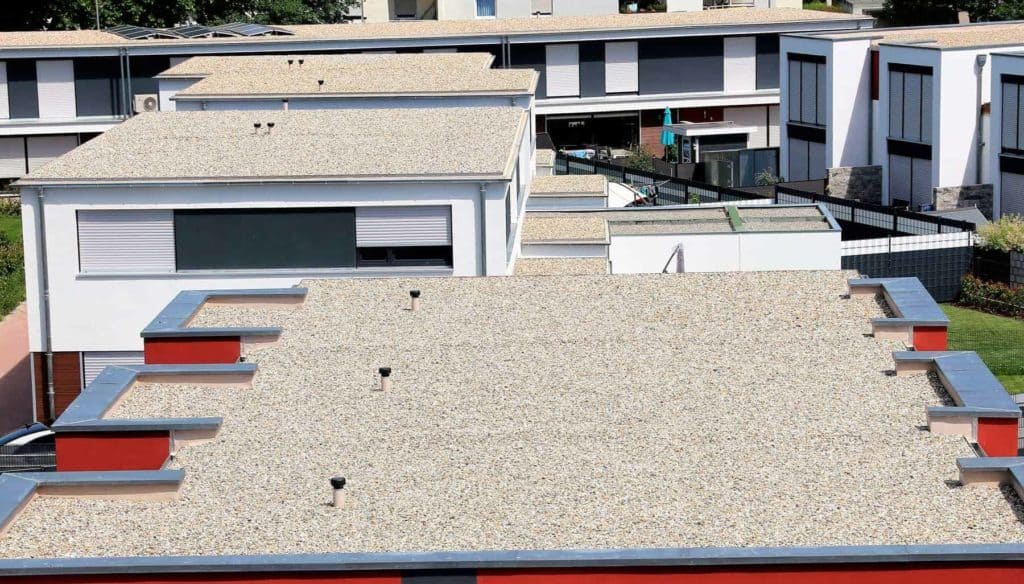
An aerial view of a building with a Flat roof

Flat roofs are a popular choice in contemporary architecture due to their clean and futuristic style. These roof styles are distinguished by their horizontal profile, which creates a clean and minimalist appearance that blends nicely with modern architecture. 

While flat roofs have a neat style that is visually appealing, adequate installation and maintenance are required to assure their lifetime and function. To minimize water gathering and potential structural difficulties, adequate drainage measures, such as tapered insulation or roof drains, are required.

Pro Tip: Flat roofs also offer an ideal platform for the installation of solar panels, harnessing renewable energy and contributing to energy efficiency. 

2. Gable Roof
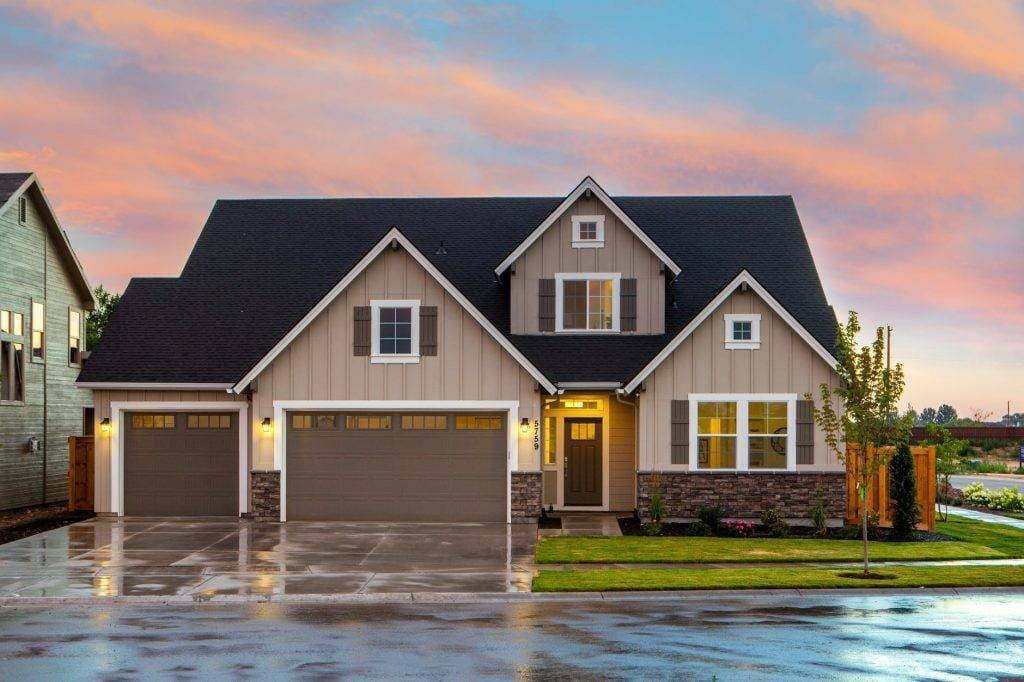
A large house with Gable Roof

The gable roof, also known as a pitched or peaked roof, is admired for its clean lines and proportional balance. Its unique triangle design not only provides aesthetic flair to the façade of a structure, but it also has utilitarian benefits

These types of roofs have great drainage qualities because they enable water, snow, and debris to readily flow down the roof, making them perfect for places with significant rainfall or snowfall. A steeper pitch, on the other hand, allows for easier maintenance and may be more appropriate for places with warmer weather.

Pro Tip: In windy areas, proper bracing and fastening procedures are required to guarantee the structural integrity of the roof and to withstand uplift pressures.

3. Hip Roofs
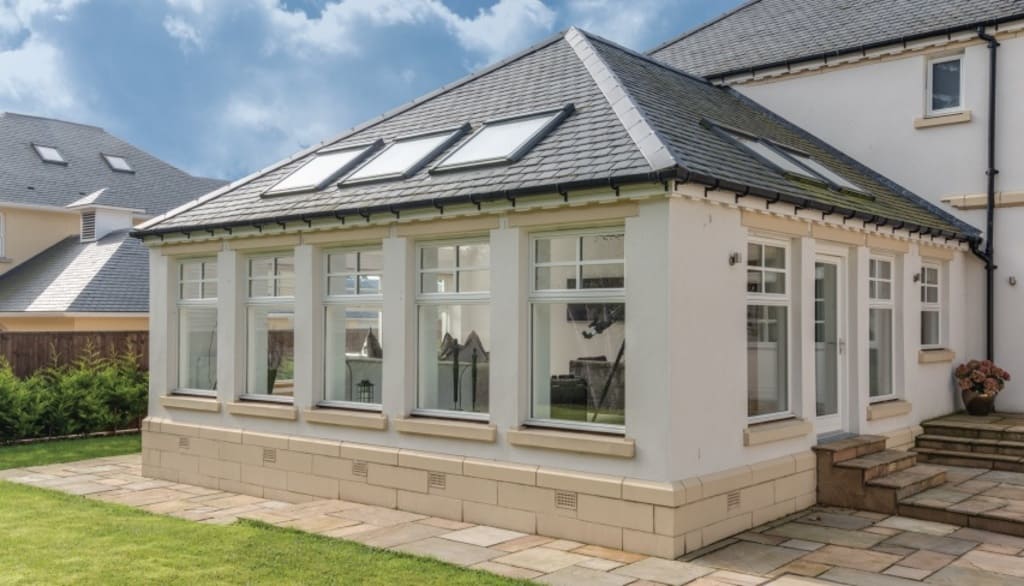
A white house with a Hip roof and white windows

The hip roof is an excellent choice if you want a roof that seamlessly blends design and durability. These roof designs, with their characteristic four-sloping sides, provide both visual appeal and remarkable longevity.

Hip roofs come in a variety of styles, including plain hip roofs, cross-hip roofs, and mansard roofs.  While hip roofs offer exceptional durability and visual appeal, there are several things to keep in mind. Their architectural intricacy may necessitate sophisticated building techniques, resulting in greater installation costs as compared to simpler roof designs.

Pro Tip: The slanted sides generate triangular parts known as hip ends, which may be used for storage or converted into comfortable living spaces such as dormer windows or attic rooms. 

ElementsDescription
Four sloping sidesThe hip roof consists of four sides that slope towards the centre
Central ridgeThe highest point where the sloping sides of the hip roof meet
Hip endsTriangular sections formed by the sloping sides of the hip roof
EavesThe lower edge of the roof that overhangs the walls of the building
DormersVertical windows that protrude from the sloping sides of the roof

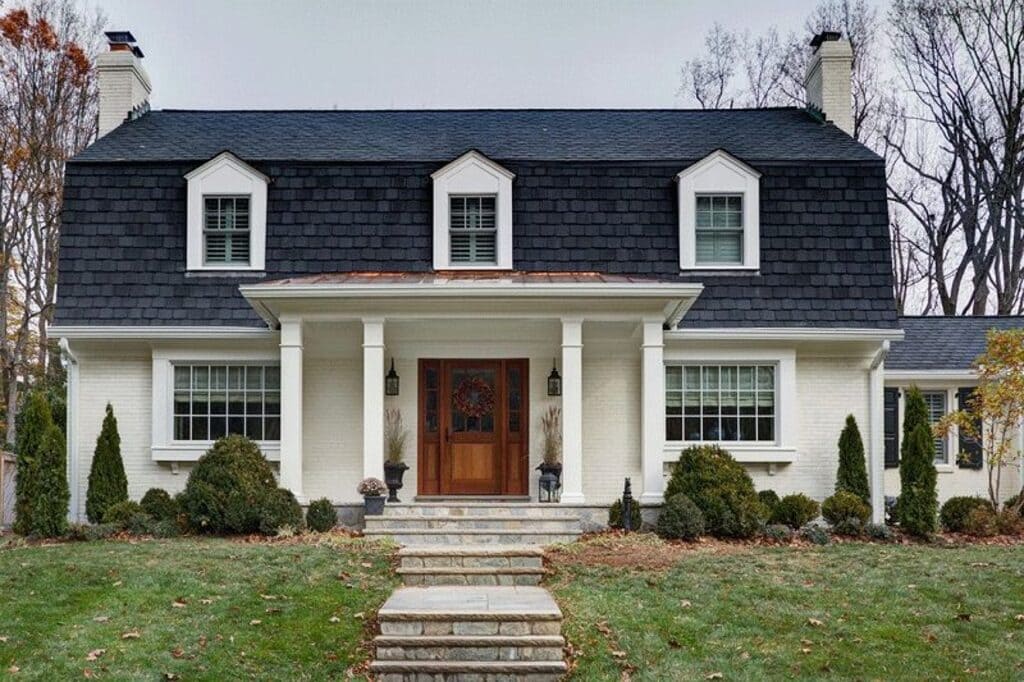
4. Mansard Roofs

A white house with a Mansard roof and white trim

The Mansard roof, named after the French architect François Mansart, became prominent in France during the 17th century. These types of roofs are an excellent alternative for individuals who like a bit of European flare and architectural grandeur. This roof style emanates an elegant and refined aesthetic that has captivated homeowners for generations, thanks to its characteristic double slope and distinctive features.

Trivia: The renowned Mansard-roofed pavilions of the Louvre Museum in Paris, as well as the Haussmannian structures that line the city’s streets, demonstrate the architectural importance, beauty, and ageless elegance of Mansard roofs.

5. Shed Roof Styles
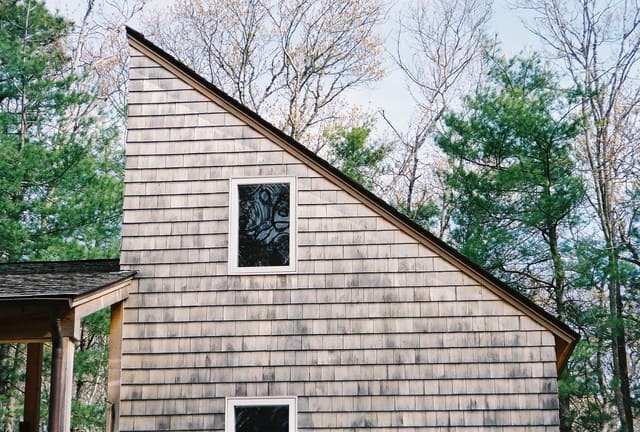
A wooden building with Shed Roof Styles

The shed roof is distinguished by a single slope that dips down from one end of the construction to the other. This simple roof design avoids the need for complicated trusses or various slopes, making it a cost-effective and simple roofing option. Let’s see types of roofs on houses.

Due to the single slope, efficient rainwater gathering is possible, making them an ecologically favourable solution for people interested in sustainable practices. However, gutters and downspouts must be installed to adequately drain water away from the structure’s base.

6. Butterfly Roofs
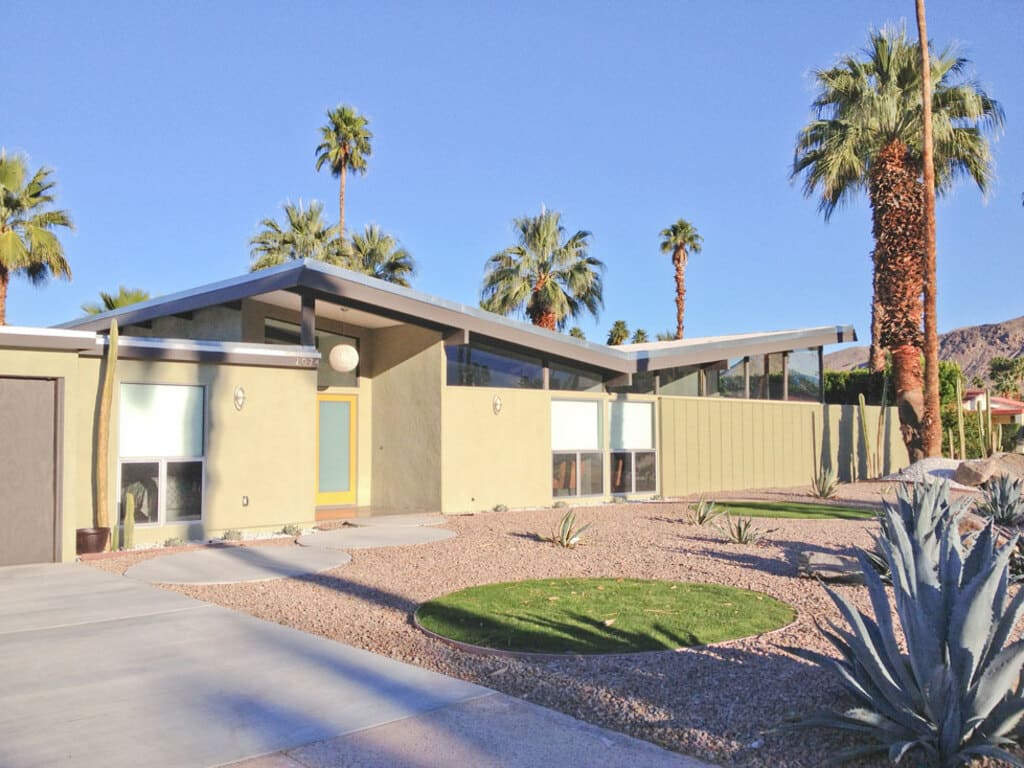
A house with Butterfly Roofs and palm trees in the background

The butterfly roof is an excellent alternative for individuals looking to create a striking architectural statement while also embracing new types of roofs. This roof style has captured the attention of eco-conscious households and forward-thinking architects because to its unusual V-shape form and energy-efficient features. 

The upward-sloping roof surfaces produce a natural funnelling effect, collecting and channelling rainfall into a central drainage system. This design allows for rainwater gathering, which may then be used for a variety of applications such as irrigation or greywater systems. 

7. Gambrel Roof Designs
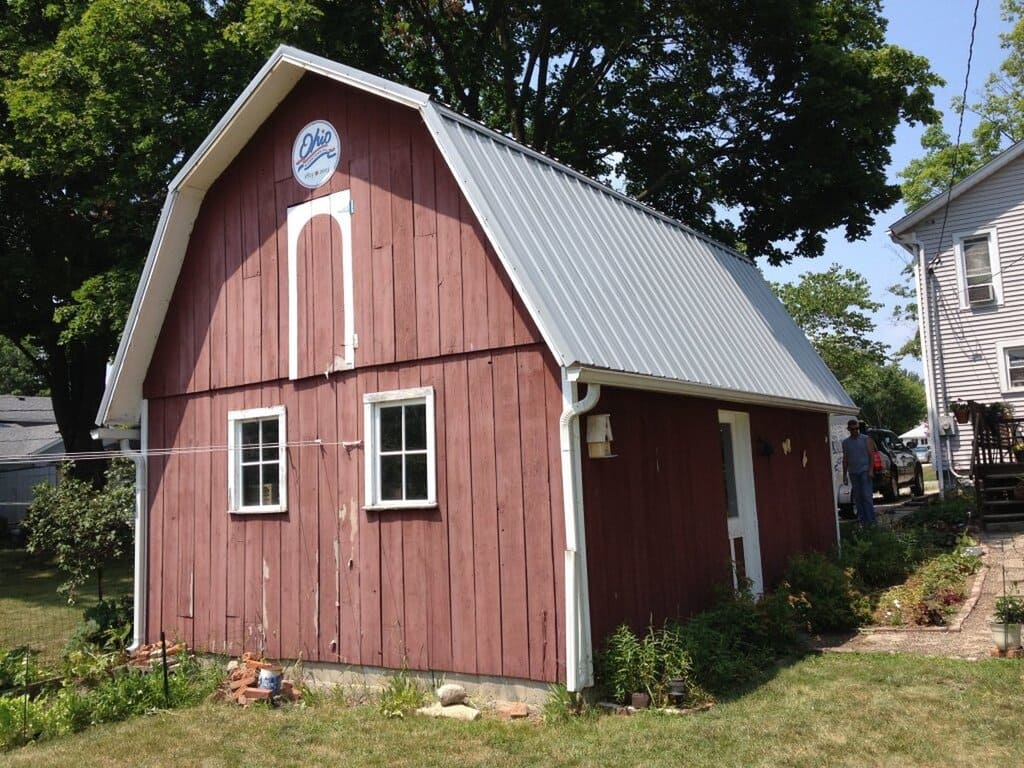
A red barn with Gambrel Roof Designs and  a clock on the side of it

The symmetrical double-slope design of the Gambrel roof distinguishes it, with two separate slopes on either side of the roof. Compared to the higher slope, the lower slope has a steeper pitch. This unusual arrangement adds headroom and useful space to the roof area.

These types of roofs are used in a variety of architectural styles and building types. While it is most frequently associated with barns and agricultural constructions, it is now becoming fashionable in Residential Roofing, notably in Dutch Colonial and Victorian-inspired designs. 

Trivia: Did you know that the Gambrel roof design became popular in North America during the 18th century? It was influenced by the Dutch architectural style brought by early settlers from the Netherlands. 

8. Saltbox Roofs
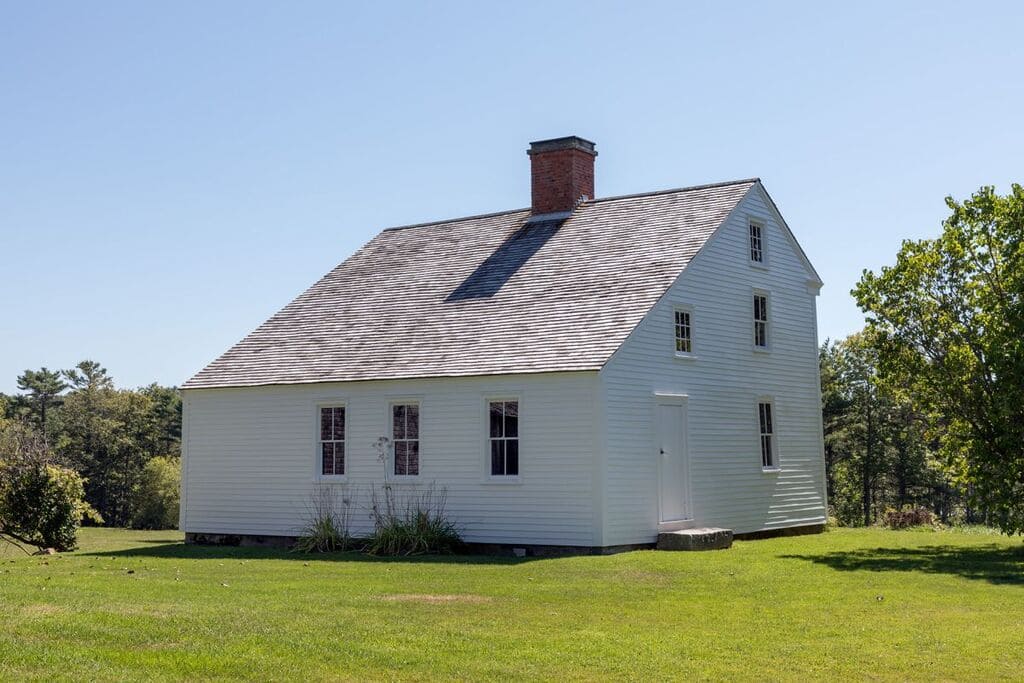
A white house with Saltbox Roofs sitting on top of a lush green field

With its striking asymmetrical shape and long, sloping roofline, this design not only looks good but also serves a useful purpose. The saltbox roof design has its origins in 17th-century colonial New England. It gets its name from its resemblance to a wooden salt box, with one side much longer than the other.

Trivia: Deerfield, Massachusetts, is home to numerous well-preserved saltbox houses that exhibit the elegance and beauty of these types of roofs.

9. Pyramid Roofs
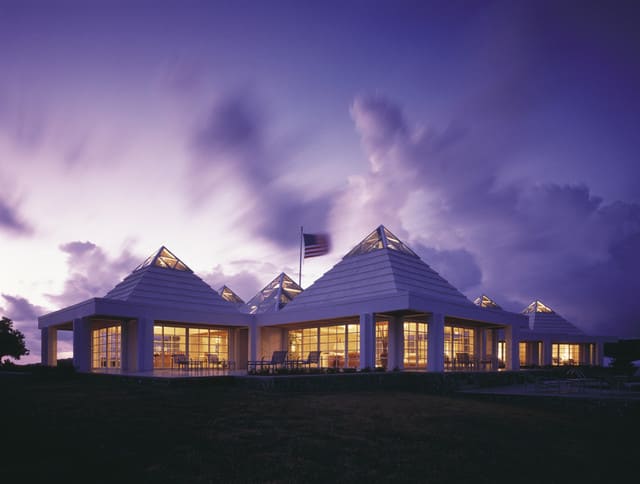
A large white building with Pyramid Roofs

This roof style has a pyramid-like design with four equal triangular sides that culminate at a single point, as the name suggests.  The pyramid design evenly distributes weight over all four sides, making it very resistant to varied weather situations such as strong winds and large snow loads. 

Another feature of the pyramid roof is its adaptability to various roofing materials. The choice of roofing material, from typical shingles to metal or even thatch, can further improve the intended beauty and endurance of the structure. 

10. Sawtooth Roofs
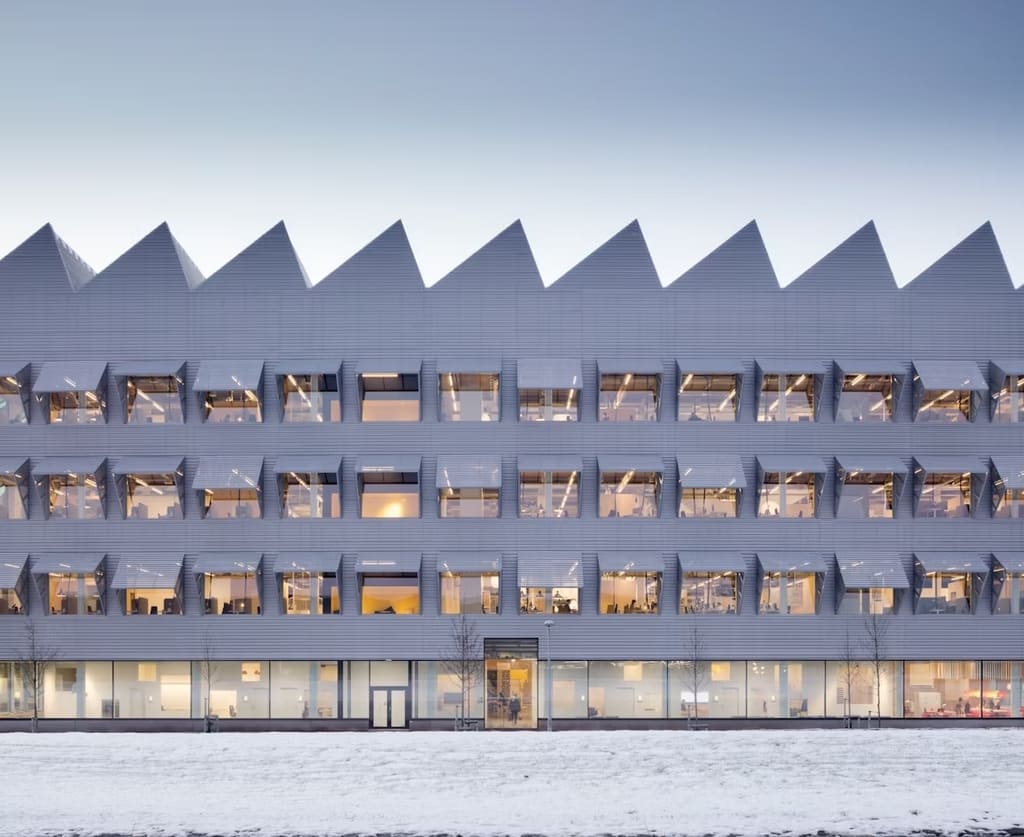
A large white building with Sawtooth Roofs and  many windows on the side of it

The sawtooth roof stands out as a distinctive and useful architectural option in the field of industrial and commercial structures. This roof form, with its characteristic pattern of ridges and vertical glass panels, not only provides functional benefits but also floods the interior area with natural light. 

These types of roofs are commonly found in factories, warehouses, and other industrial environments, and are distinguished by their distinctive sawtooth-like form. The roof is made up of a series of pitched ridges that face north to maximize indirect sunlight while reducing glare and heat gain.

11. Domed Roof Designs

A large white building with a Domed Roof Designs

Few roof styles catch the mind like the dome roof when it comes to architectural marvels. The dome roof, with its exquisite curving shape and awe-inspiring presence, is a monument to human skill and structural beauty. 

The dome’s curved shape provides for uniform weight and stress distribution, making it resistant to external pressures like wind, earthquakes, and large snow loads. Furthermore, the dome’s curve enables for effective water discharge, lowering the possibility of leaks and water damage.

12. Barrel Vault Roofs
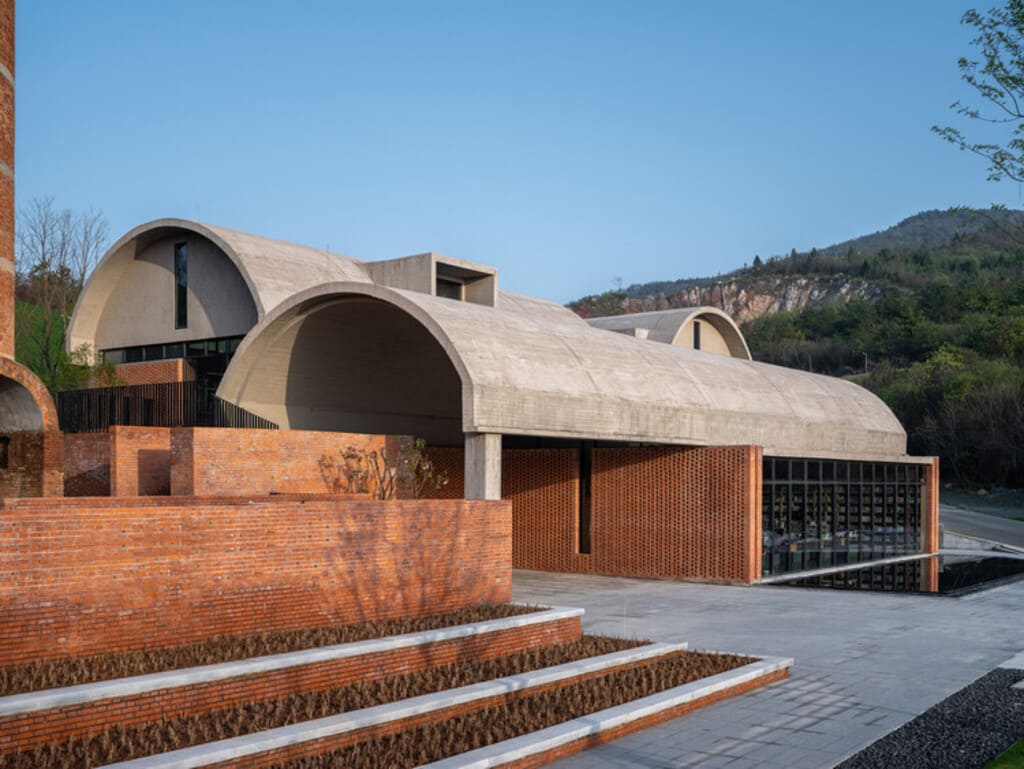
Barrel Vault Roofs design idea

The barrel vault ceiling is an ideal choice for creating a feeling of vastness and architectural drama in a commercial or industrial structure. This unique roof design has a semi-cylindrical shape that forms a continuous arch across the breadth of the roof.

These types of roofs can be built using a variety of materials, including steel, concrete, or architectural fabric systems. Furthermore, its curved design adds structural strength and stability, allowing for longer spans without the need for internal support columns.

13. Dutch Gable Roofs
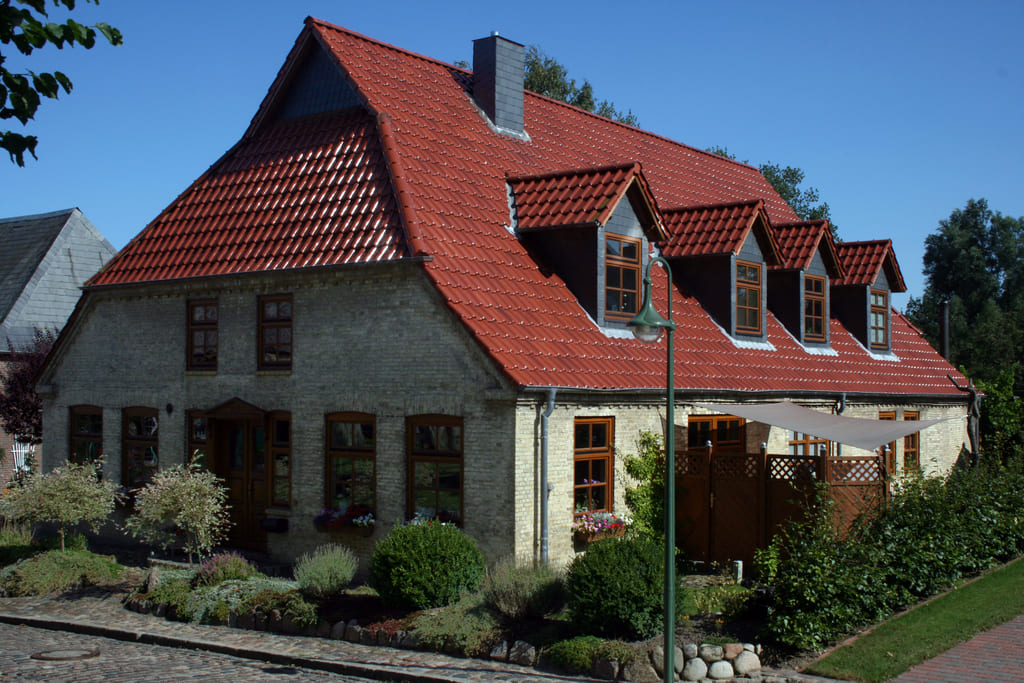
Dutch Gable Roofs idea

The Dutch gable roof is a distinctive and eye-catching roofing type that incorporates characteristics of both the gable and hip roof designs. This form, with its gable at the top and hipped sides, provides a visually pleasing and flexible solution for a variety of architectural styles. 

The gable part of the roof adds verticality and grandeur to the roof, making it a noticeable feature. The hipped sides create a moderate slope that not only improves the look but also adds to the overall stability and structural integrity of the roof.

14. Quonset Hut Roofs
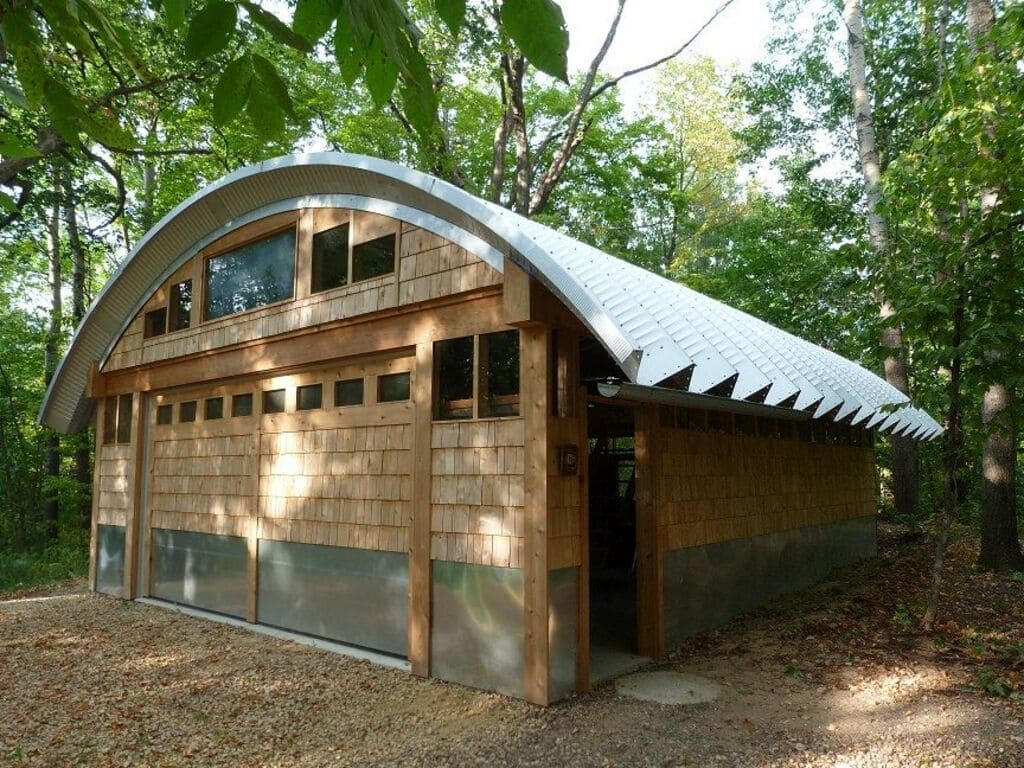
 Quonset Hut Roofs

The Quonset hut roof is distinguished by its distinctive arch-shaped form. This roof is mostly made of metal and has a curved profile that continues from the eaves to the ridge, simulating a half-cylinder form.  Quonset hut roofs have found broad application in agricultural, storage, and military constructions due to their low cost and simplicity of installation. This asphalt shingle roofing is also a best option to try.

Trivia: The Quonset Hut roof design was developed during WWII and was called for the location where it was initially produced, Quonset Point, Rhode Island, USA. 

Read More: Step by Step Guide to Putting Together a Prefab Metal Storage Shed

15. Green Roof Designs

A green roof on a building in a city

This type of roof, also known as a living roof or a vegetated roof, is a type of roof that is partially or entirely covered with vegetation and plants. It has several environmental and aesthetic benefits and is becoming increasingly popular in sustainable building. 

Green roofs, on the other hand, are heavier than standard roofs due to the additional weight of vegetation, soil, and water. To guarantee that the building can take the added load, proper structural analysis and reinforcement are required. These are the types of metal roofs.

Choosing the Perfect Type of Roof! 
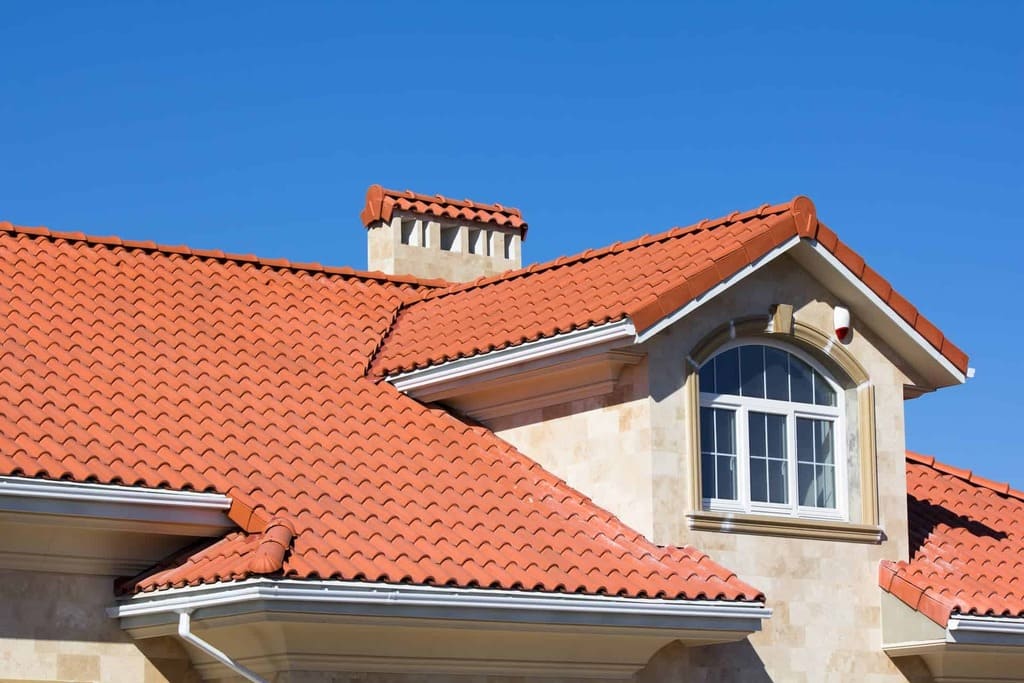
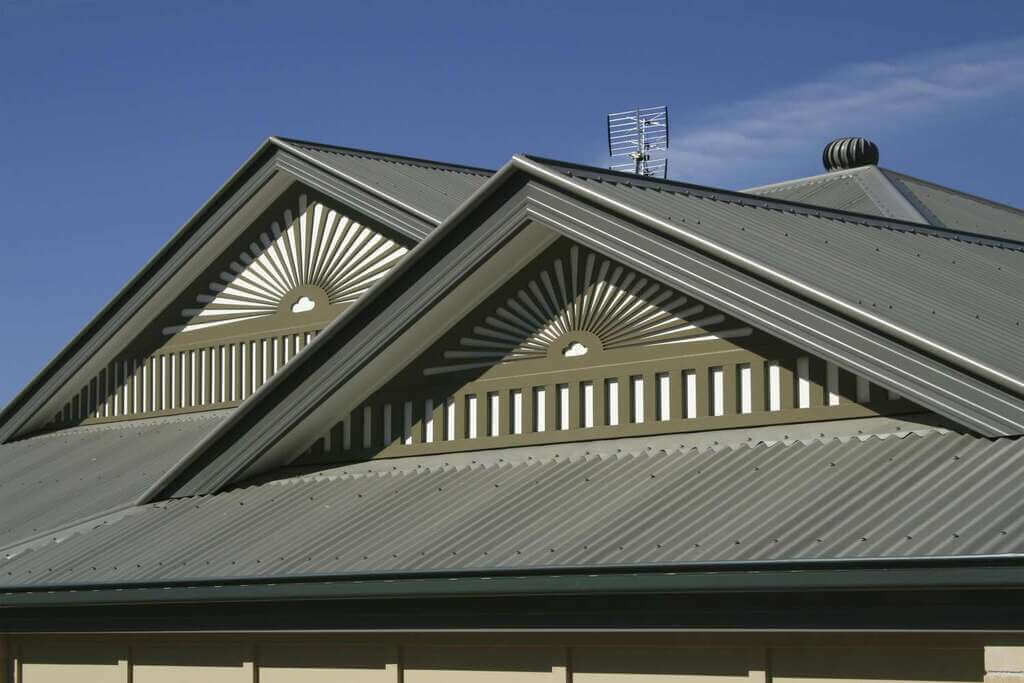
A house with a red roof and a blue sky

Finally, the world of roofing is vast and exciting, with several possibilities to fit various architectural styles, climates, and personal tastes. There is a type of roof style that may perfectly suit your vision, whether it is a traditional and elegant gable roof, a sleek and modern flat roof, or a distinctive and eye-catching butterfly roof.

FAQs

1. Which Roof Type Is the Most Cost-Effective?

The cost-effectiveness of a roof type depends on various factors such as materials used, size of the roof, and local labour costs. Generally, flat roofs and simple gable roofs tend to be more cost-effective compared to complex roof designs like mansard or butterfly roofs.

2. What Is the Best Type of Roof for Areas with Heavy Snowfall?

A steeply pitched roof, such as a gable or hip roof, is typically recommended for areas with heavy snowfall. The steep slope allows the snow to slide off easily, reducing the risk of excessive snow accumulation and potential roof damage.

3. Can I Install Solar Panels on Any House Roof Designs?

Solar panels can be installed on various types of roofs, including flat roofs, gable roofs, and hip roofs. However, it’s important to consider the structural integrity of the roof and consult with a professional to ensure proper installation and support for the solar panel system

4. Which Roof Shape Is Suitable for Hot Climates?

In hot climates, roofs with good insulation and ventilation are desirable. A combination of proper insulation, reflective materials, and ventilation features can help reduce heat absorption and improve energy efficiency. Flat roofs and hip roofs with proper insulation and ventilation can work well in hot climates.

5. Are Green Roofs Suitable for Residential Buildings?

Green roofs can be installed on residential buildings, but it’s important to consider factors such as structural capacity, maintenance requirements, and local building codes. Green roofs provide numerous benefits, including improved energy efficiency and environmental sustainability, but they require proper design, installation, and maintenance.

In case you missed it!
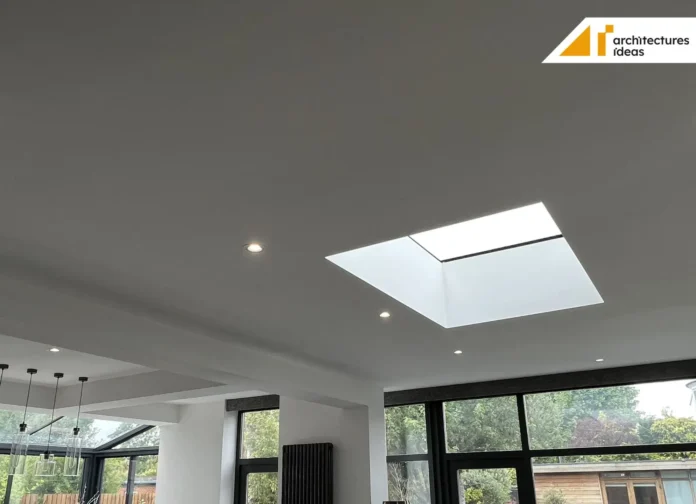
Lighting Solutions for Flat Roofs | Interior Lighting

0
Lighting Solutions for Flat Roofs

A popular trend in architecture is the construction of buildings topped with flat roofs. Specialized windows for flat roofs are a solution dedicated to buildings of this type, improving their functionality.

The currently used technologies allow for the construction of flat roofs characterized by full tightness and high thermal insulation. The issue of meeting the functional conditions also applies to glazing in the form of windows for flat roofs.

Characteristics of Flat Roofs

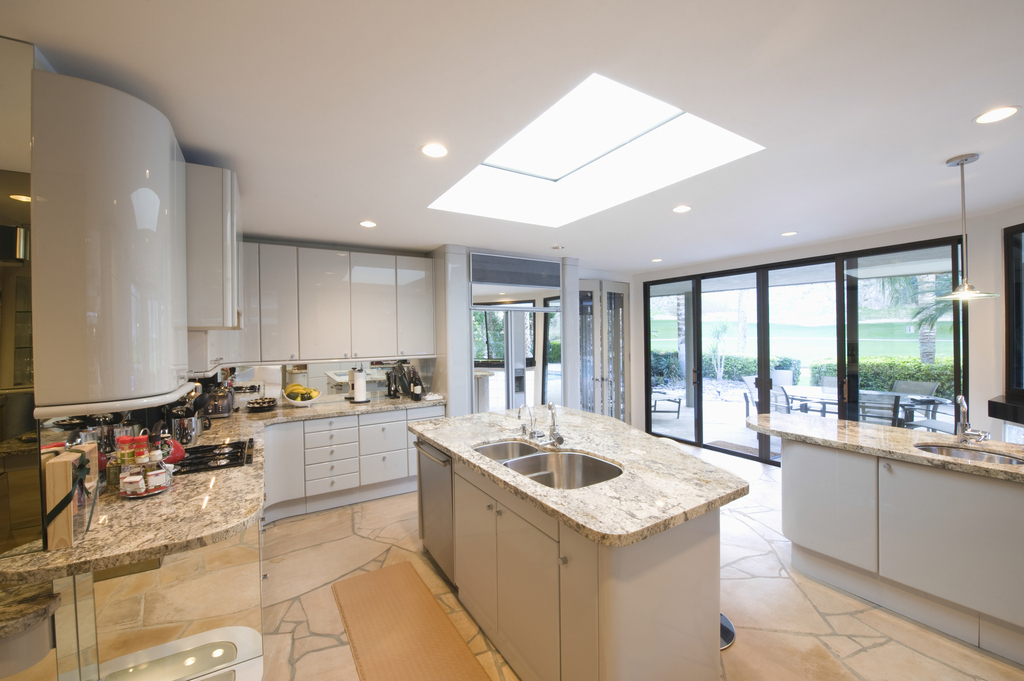
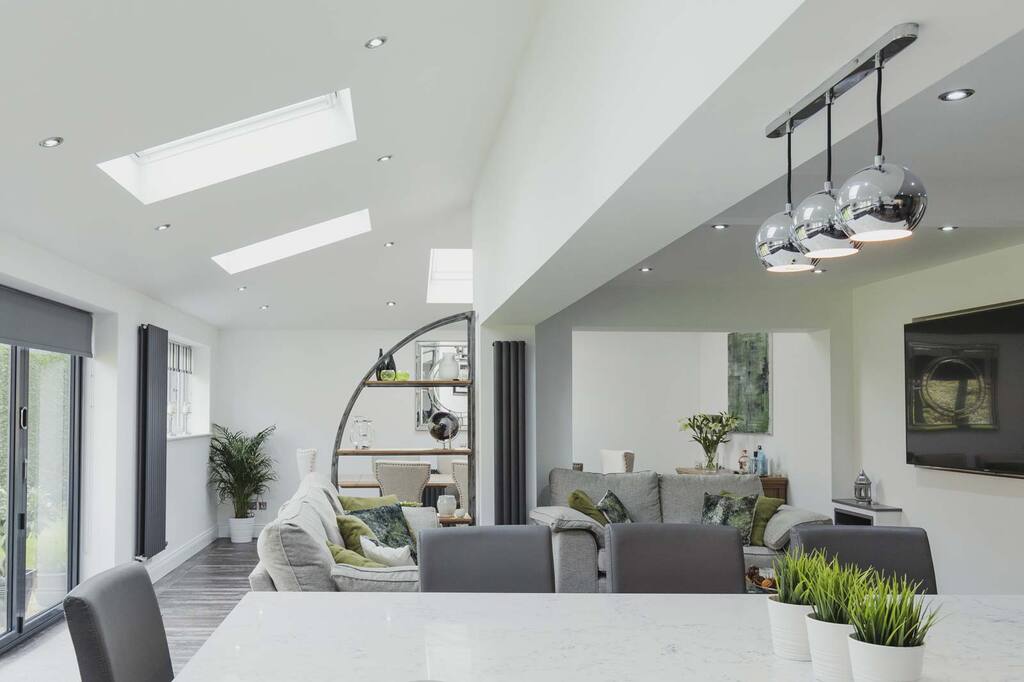
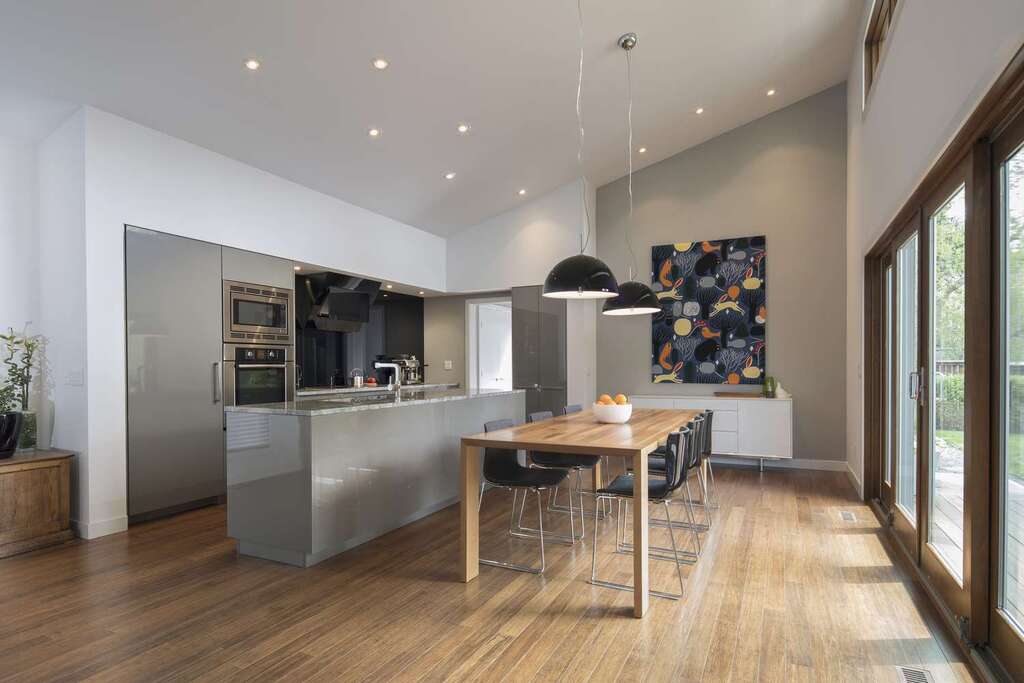
kitchen Lighting Solutions for Flat Roofs

Architecture is subject to continuous development. This trend applies, among others, to the cubic shapes of building structures. In a landscape permeated by buildings topped with sloping roofs, houses and public buildings covered with flat layered partitions are increasingly being built.

The implementation of the indicated trend is fostered by new technologies, thanks to which the flat roofs maintain full tightness and high thermal insulation parameters. Both designers and investors take into account that the surface of a flat roof can be used in a functional way, for example, as a terrace, a recreation area, or a small garden.

The implementation of a flat roof on a building is no longer troublesome in terms of the illumination of interiors located in the central part of the building. Nothing prevents these rooms from being used strictly in the capacity of a technical, utility, or storage function. Solutions to the problems of providing an inflow of natural light in such a case are flat roof windows. Layouts of this type are characterized by very high performance, and at the same time, are architecturally interesting.

Lighting Solutions for Flat Roofs

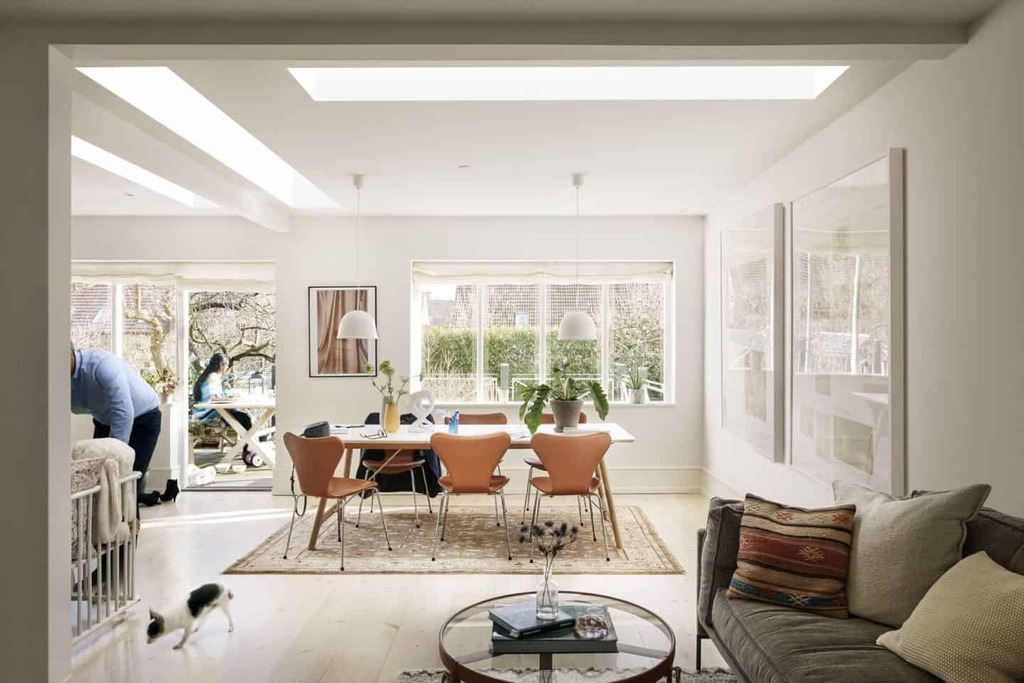
Living room Lighting Solutions for Flat Roofs

As already mentioned, the solutions applied to windows for flat roofs guarantee their full functionality and include attention to aesthetics. The woodwork of this type is characterized by high thermal insulation parameters, as well as the ability to transmit a large amount of natural light. From a utilitarian point of view, windows for flat roofs should provide the possibility of ventilation and should not be difficult to operate.

Glazed infills dedicated to flat roofs can be installed in partitions with different angles of inclination. Depending on the specific type, woodwork can be installed in both sloping and horizontal systems.

Windows for flat roofs are characterized by a design that streamlines the installation process in a layered partition without the risk of leaks and thermal bridges. Very importantly, these elements ensure safe operation and prevent unauthorized access to the building.

The material used to make window frames for flat roofs is resistant even to adverse weather conditions, including acid rain. The minimal absorbency of the window profiles makes it possible to use them in rooms for any purpose, including those with elevated humidity levels.

Roof Lights Flood the Space with Typical Light

Roof Lights Flood the Space with Typical Light

The way that daylight makes us happier makes it wisely illustrated! Especially all through these chilly climate months, we truly need sunshine. A couple of houses are darker than others, dependent upon which parts of the property highlight the sun. Roof lighting can help with changing a horrible parlor into a splendid and positive space. In the kitchen, roof lighting makes an open, current effect that will add to the overall worth of your property. They can be presented on basically any flat roof to increase living space.

Ultra Unstable Sight Lines

Lighting Solutions for Flat Roofs : Ultra Unstable Sight Lines

The edges of our roof lights are created utilizing aluminum, the most grounded window frame material accessible. Because of its fortitude, aluminum can maintain colossal sheets of glass with very thin edges. These more thin housings mean less space between the covering sheets, making for a slimmer look. A roof light will make the outer viewpoints verifiably understood and unhindered, making the parlor a more pleasant space.

Roof Lights Are Available in Different Assortments

Roof Lights Are Available in Different Assortments

Renowned tones for roof light housings consolidate white, unadulterated dark, and anthracite faint. In any case, our Graph book roof lights can be made in any RAL tone. This infers that roof lighting can be hand created to match the particular individual of your kitchen or family room. Thusly, you can illuminate your home with colors as well as ordinary light.

Flat Roof Light Foundation

Standard roof lights from Bristol to Weston-super-Female pony

Whether you live in Nailsea, Clevedon, Portishead, or wherever in the South West, Seal-Light can present a magnificent roof light that is unmistakably appropriate for your home.


To get more information:-

Bathroom Accessories – A Guide to Elevating Your Porcelain Palace

0
Bathroom Accessories

Bathroom accessories are a must-have for transforming your bathroom into a lively and appealing space. From the essential soap dispenser to the quirkiest toilet paper holder, we’ll explore the wide range of options available at Wholesale Domestic Bathrooms and share some humorous anecdotes about our own bathroom adventures.

Picture this: You’re in your bathroom, getting ready for the day ahead when you suddenly realize something’s missing. No, it’s not your toothbrush or favorite shampoo – it’s the perfect set of bathroom accessories to elevate your porcelain palace from drab to fab!

In this extensive and witty blog post, we’ll dive into the world of bathroom accessories, exploring the essentials and some unexpected gems that can turn your bathroom routine into a delightful experience. So sit back, relax, and let’s embark on this journey through the land of loofahs and lotion dispensers.

The Essentials: Must-Have Bathroom Accessories for Every Home

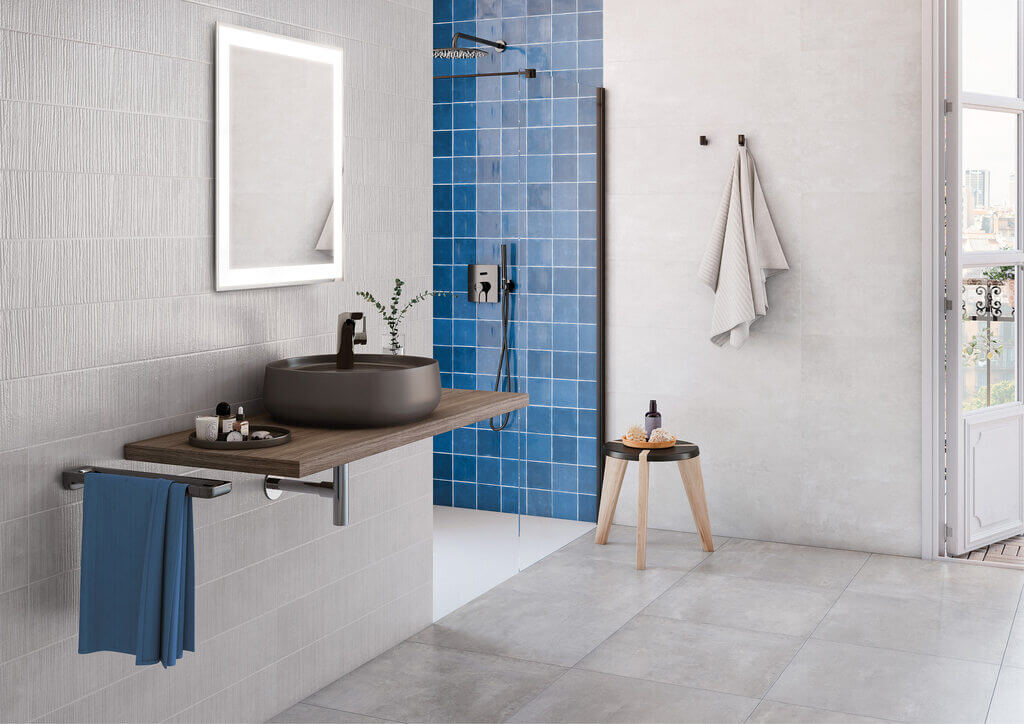
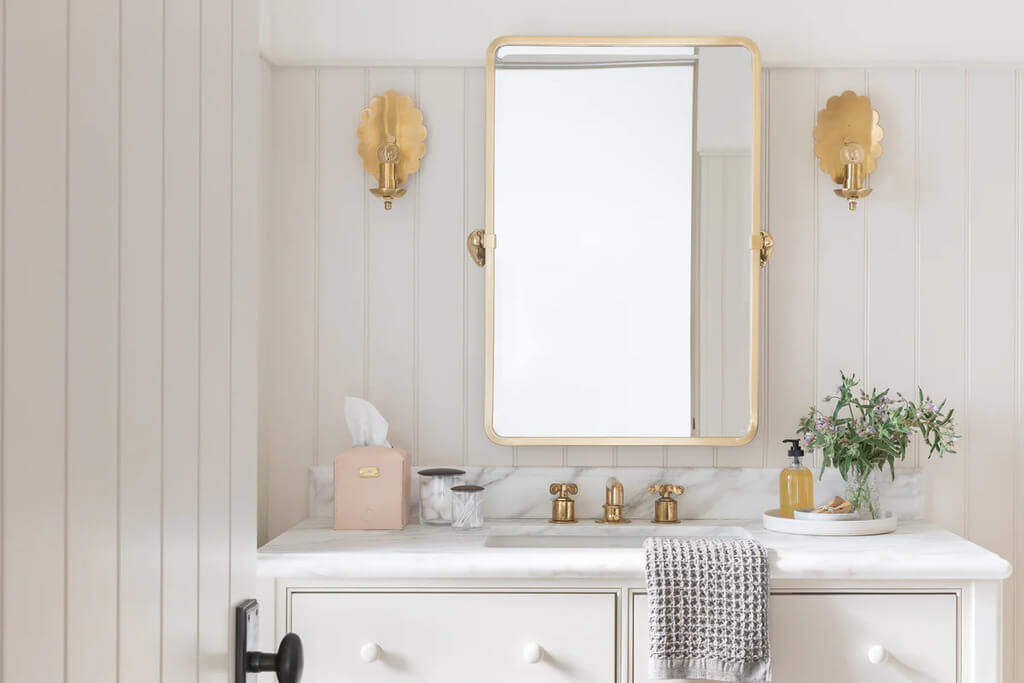
A bathroom with a sink and a mirror

Let’s start with the basics before we get to the fun stuff. Here are some essential bathroom accessories that every home needs:

Soap Dispenser:

Gone are the days of slippery, slimy bars of soap – a stylish soap dispenser not only keeps your sink area clean but also adds a touch of sophistication to your bathroom.

Towel Rack:

This may seem like a no-brainer, but a good towel rack is essential for keeping your towels organized, dry, and within arm’s reach. Trust us; nobody wants to do the post-shower scramble for a towel.

Toilet Brush:

While not the most glamorous accessory, a toilet brush is necessary to keep your throne sparkling clean. Plus, you can find some pretty funky designs these days – who knew scrubbing the toilet could be so stylish?

Any Quirky Bathroom Accessory:

We all need a little something to make us smile during our daily routine. Whether it’s a rubber ducky, speaker, star wars figure, or even a toilet paper holder shaped like an octopus, a quirky bathroom accessory can brighten up even the most mundane morning.

Shopping for Bathroom Accessories: Where to Find Your Perfect Match

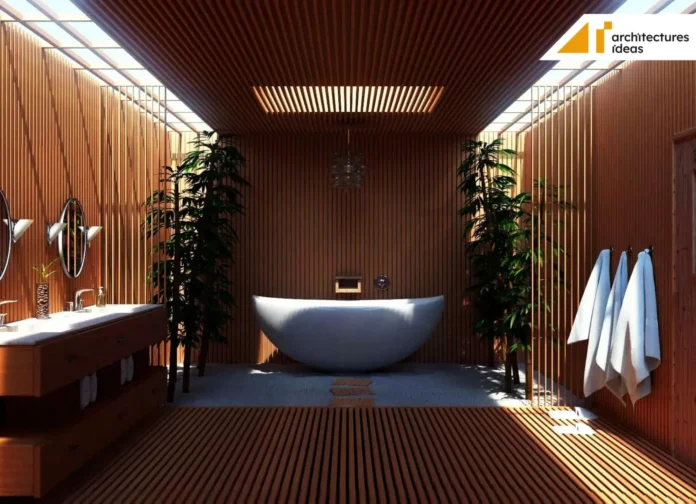
A bathroom with a tub, sink and mirror

Finding the perfect bathroom accessories is easier than ever, thanks to the wonders of modern technology. From big-name retailers like Wholesale Domestic to boutique online shops specializing in unique, handcrafted pieces, the options are virtually endless.

When shopping for your bathroom accessories, consider factors such as your budget, your bathroom’s overall design and color scheme, and the specific needs of your household. Do you have limited counter space? Opt for wall-mounted accessories. Is your bathroom shared by multiple people? Look for multi-functional pieces that cater to everyone’s needs. The possibilities are limited only by your imagination.

Personal Anecdotes: Bathroom Accessories That Changed Our Lives (No, Really)

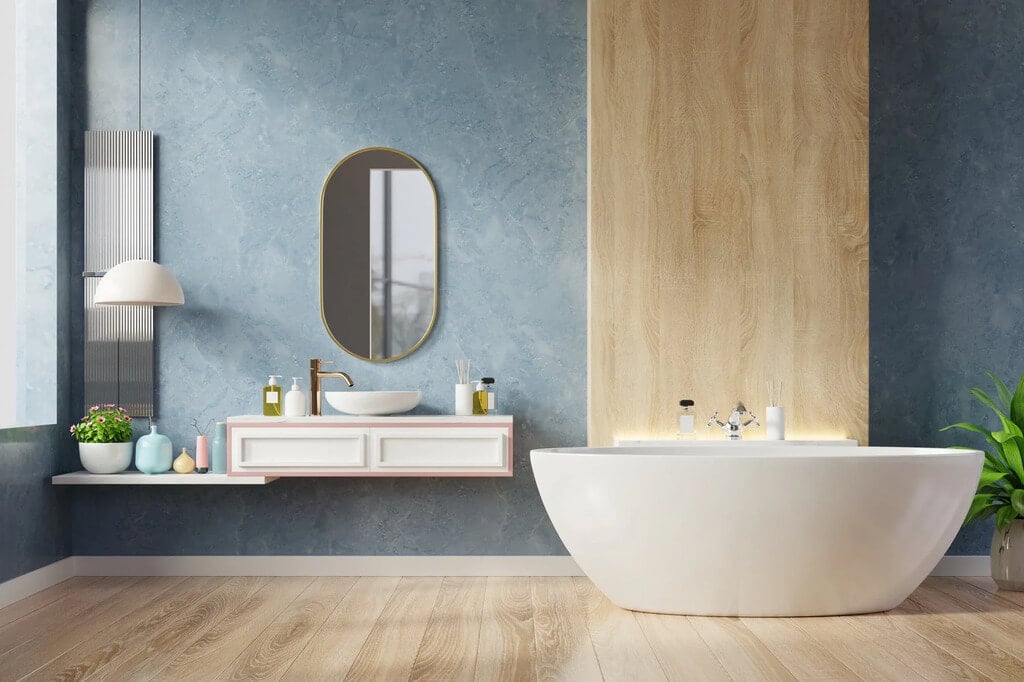
A bathroom vanity with a large mirror above it

We’ve had our fair share of bathroom accessory adventures as dedicated bathroom enthusiasts. Here are some of our favorites:

The Self-Draining Soap Dish:

Tired of dealing with wet soap bars, one of our writers discovered a self-draining soap dish that changed her life forever. No more slippery soap catastrophes – just a clean, dry bar every time she reaches for a sudsy scrub.

The Fogless Shower Mirror:

Another writer swears by his fogless shower mirror, which has not only streamlined his morning routine but also provided endless entertainment in the form of in-shower karaoke sessions.

Features, Functionality, and Fabulousness: Making the Most of Your Bathroom Accessories

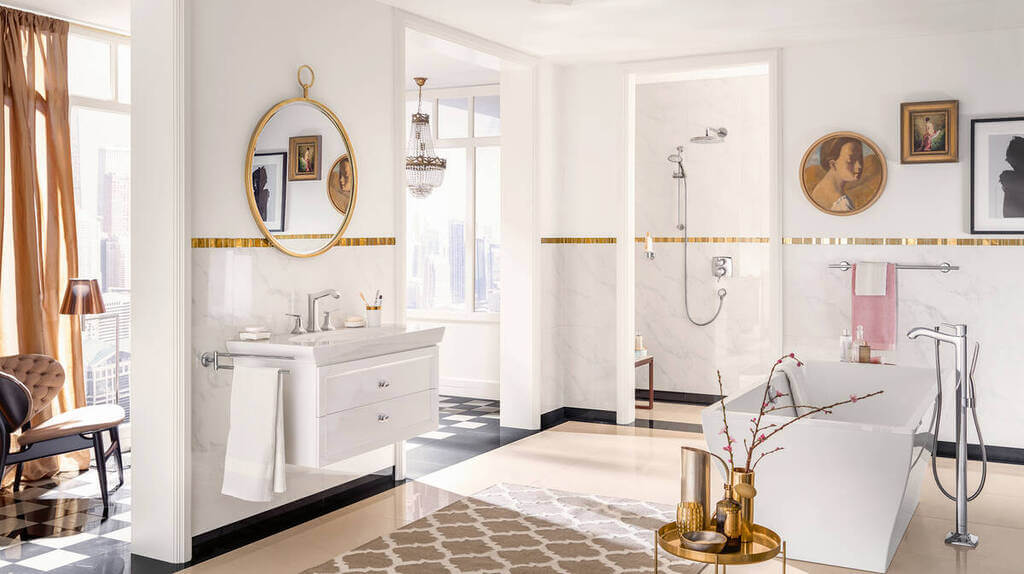
A bathroom with a tub, sink, mirror and pictures on the wall

When choosing your bathroom accessories, it’s essential to strike a balance between form and function. Look for pieces that not only look great but also make your daily routine easier and more efficient. A well-designed toothbrush holder can prevent cross-contamination between brushes, while a sleek, wall-mounted hair dryer holder can free up valuable counter space.

In Conclusion: The Power of Bathroom Accessories

The right bathroom accessories can truly transform your bathroom experience, making your daily routine more enjoyable, efficient, and even downright fun. From the humble soap dispenser to the quirkiest, most unexpected finds, there’s a world of possibilities out there just waiting to be discovered.

So go forth, dear reader, and elevate your porcelain palace to new heights with the perfect set of bathroom accessories. And don’t forget to share your own hilarious anecdotes and life-changing discoveries in the comments below – we can’t wait to hear about your bathroom adventures!

Read more:

Create a Thriving Wildlife Habitat Garden This May | Tips & Ideas

0
Wildlife Habitat Garden

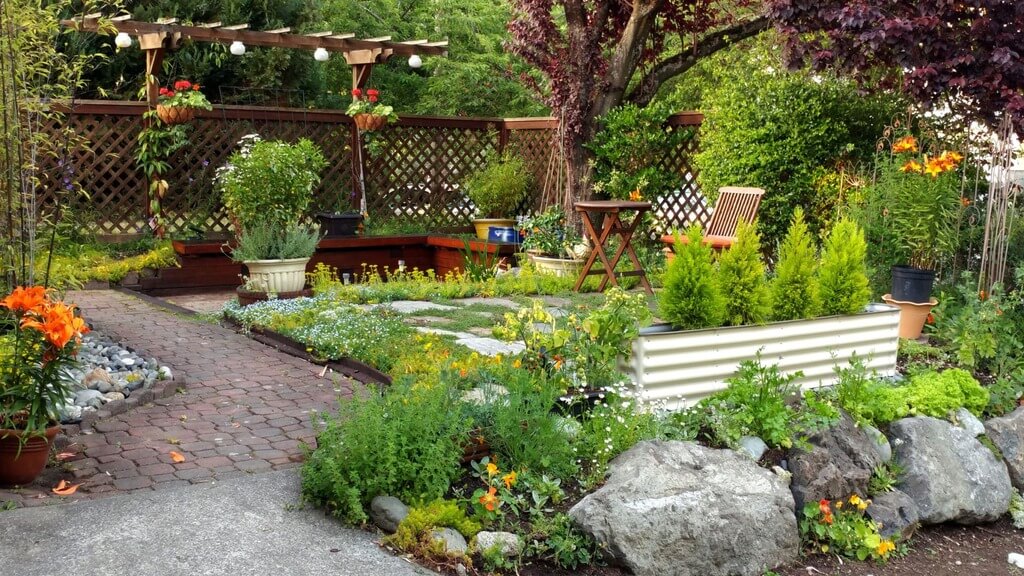
If you enjoy wildlife in your garden, May is a great month. You’ll find birds feeding their young and bees taking advantage of the plentiful flowers. Hedgehogs start their mating season… if you haven’t already, it’s the perfect time to start building a wildlife habitat.

Creating a wildlife habitat in a garden is a great way to support local wildlife populations and add beauty to your outdoor space. Here are some tips for creating a wildlife habitat in your garden:

Where to Build It

Where to Build It

When choosing a location for your wildlife habitat, it’s important to consider the needs of the wildlife you want to attract.

Some species prefer open areas, while others require more cover. Make sure the location you choose has a mix of habitats, such as open spaces (perhaps a small meadow area), trees, and water sources. As much as possible ensure the site is away from human disturbances. Wildlife is often sensitive to these types of disturbances.

Consider the types of wildlife you want to attract and what they need to survive. This may include food sources, water sources, shelter, and nesting sites. Make a list of the habitat features you want to revamp, such as planting native vegetation, installing bird feeders, or adding nesting boxes.

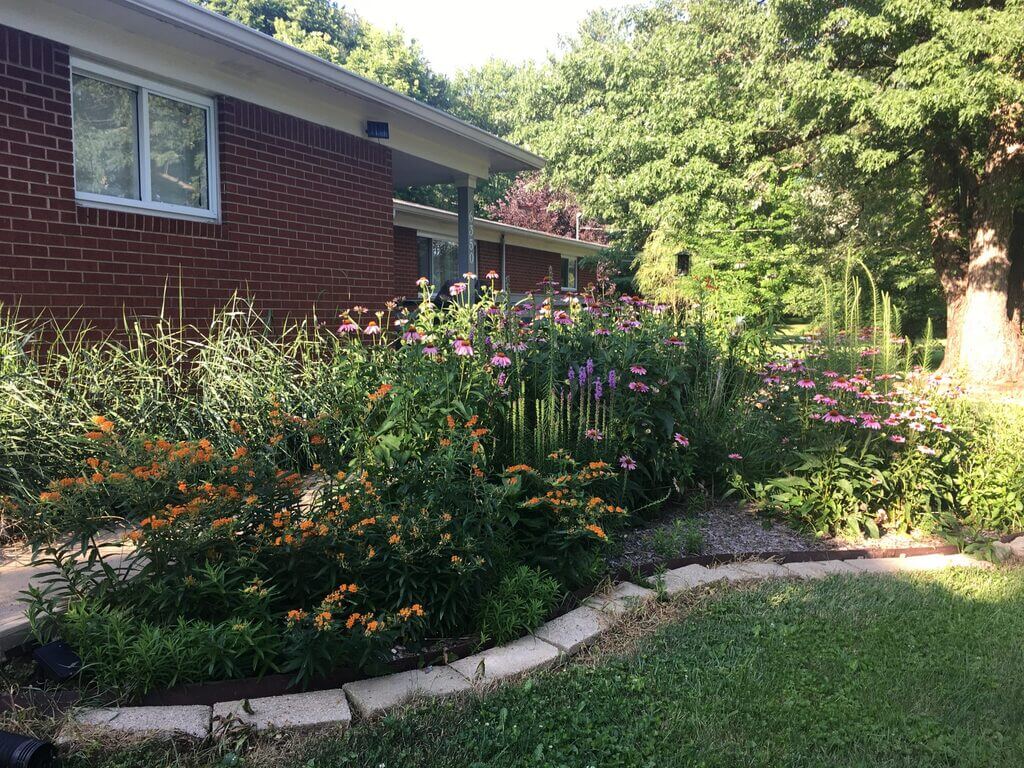
Plants to Attract Pollinators and Insects

Plants to Attract Pollinators and Insects

Planting vegetation is one of the most important things you can do to create a healthy wildlife habitat. Plants provide food and shelter for local wildlife and are adapted to the local climate and soil conditions.

Attract bees and other pollinators by planting with nectar and pollen-rich herbs such as borage, chives, oregano, lavender, and rosemary. But the right plants will attract other flying insects such as butterflies, moths, and hoverflies.

Choose varieties including marigolds, daisies, dahlia, snapdragons, and sunflowers – the bright colors and scent will attract the pollinators you want to see. Plant colors together so the insects can find them easily.

Although it may be tempting to weed out those dandelions, they’re part of the biodiversity of the area, so a few are good for attracting insects and pollinators. The problem people have with dandelions is that they multiply fast.

If space is limited, planting solutions such as a Vegtrug, offer the chance to plant a few bee-attracting plants, so you can still have a habitat.

Creating a Landscape

Creating a Landscape

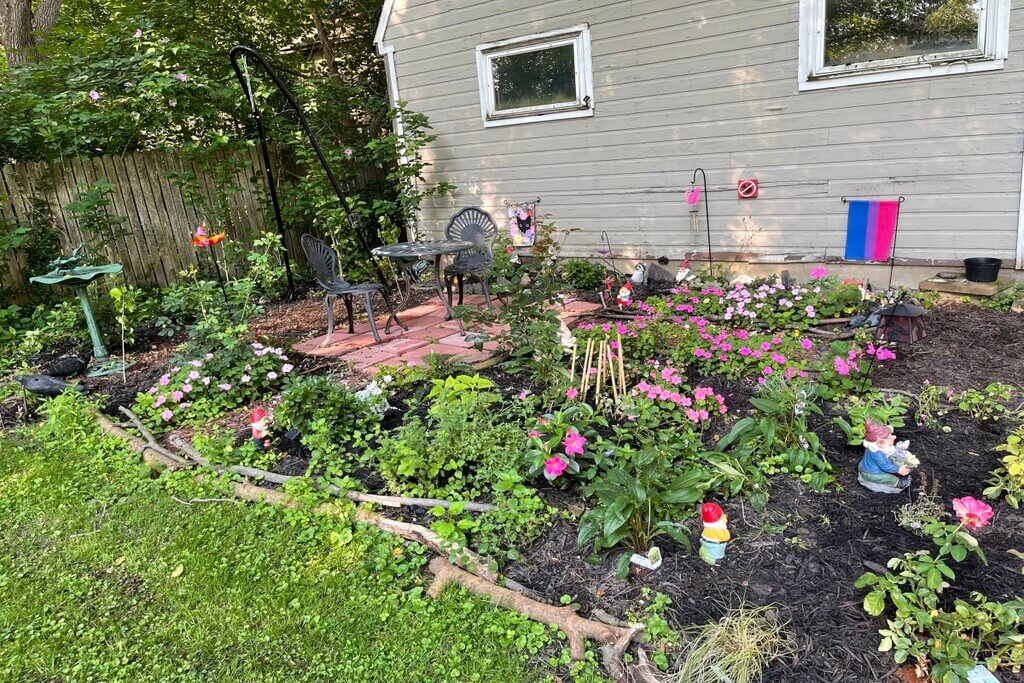
Water is essential for wildlife, and providing a source of water can help attract a variety of species to your habitat. You can create a simple bird bath by placing a shallow dish of water on the ground or installing a more elaborate pond. Make sure the water source is clean and fresh and replace the water regularly.

Structures, such as brush piles, rock piles, and nesting boxes, can provide additional shelter and nesting sites for wildlife. Brush piles can be made by stacking branches and twigs, while rock piles can be made by stacking rocks of various sizes.

Nesting boxes can be purchased or made at home and are a great way to attract birds and other species that require nesting sites.

If you create a habitat that is full of creepy crawlies and insects, you’re also providing a healthy feeding ground for birds and chicks and mammals like hedgehogs and bats.

Trees and bushes are great for birds and these small mammals. Plus, don’t worry about decaying branches. These are great places for insects such as beetles. It all counts.

Let the Grass Grow

Let the Grass Grow

You might notice wildlife habitats in your local park, with their wildflowers and long grass. You can easily recreate a miniature version in your home.

Letting the grass grow gives wildlife a natural haven. They can feed on plants and breed in the shelter of the long grass. Just be careful when or if you cut them back in the winter. Make sure the beasts have had the chance to move on.

Naturally, avoid using pesticides and chemicals.

When you’re up and running, check regularly for any invasive species that might overrun the plants and disrupt the balance of the habitat.

Final Thoughts

Creating a wildlife habitat is a rewarding project that can benefit both the wildlife and those around it.

You’ll attract a variety of species to your garden and support local biodiversity. In addition, a garden habitat can provide a peaceful and beautiful outdoor space for relaxation and enjoyment.Consider these ideas, you can create a thriving and sustainable garden habitat that supports wildlife and adds to the beauty of your home.

Continue reading:

Exploring the Features of a Tallboy Chest: What Sets It Apart?

0
Tallboy Chest

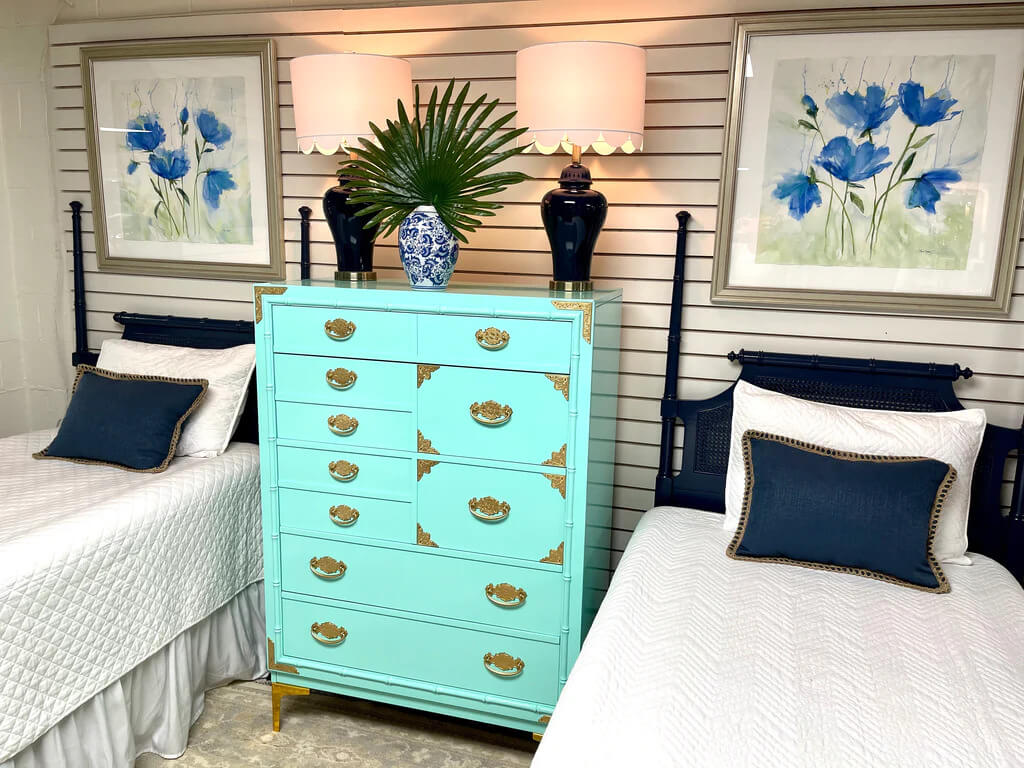
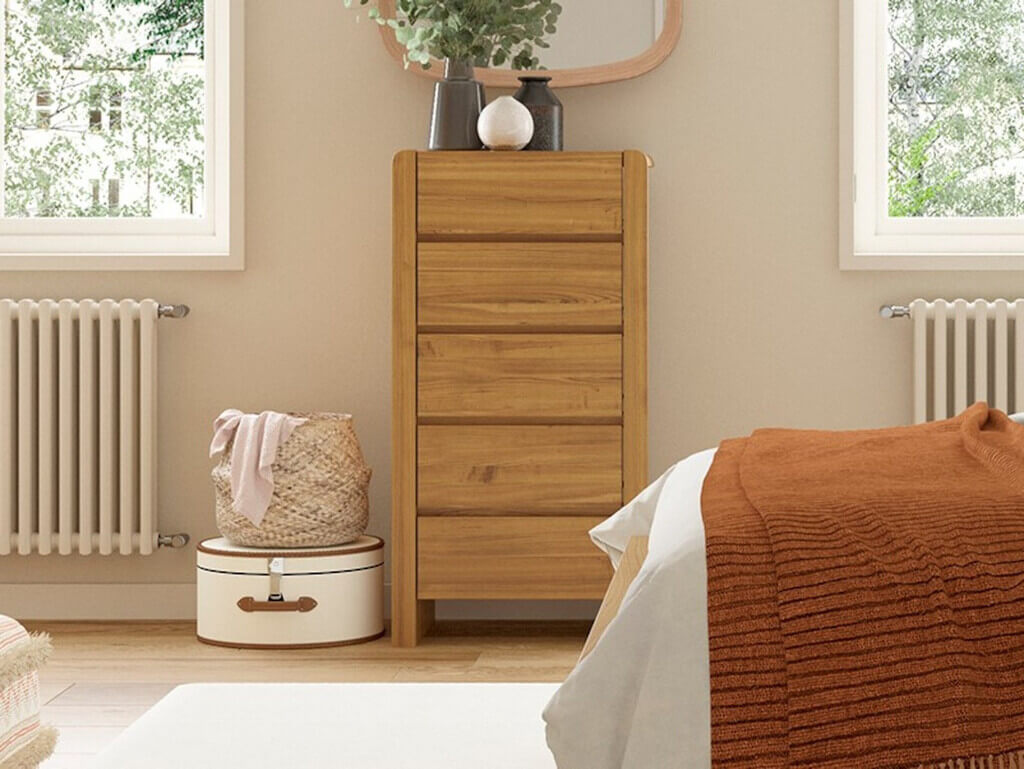
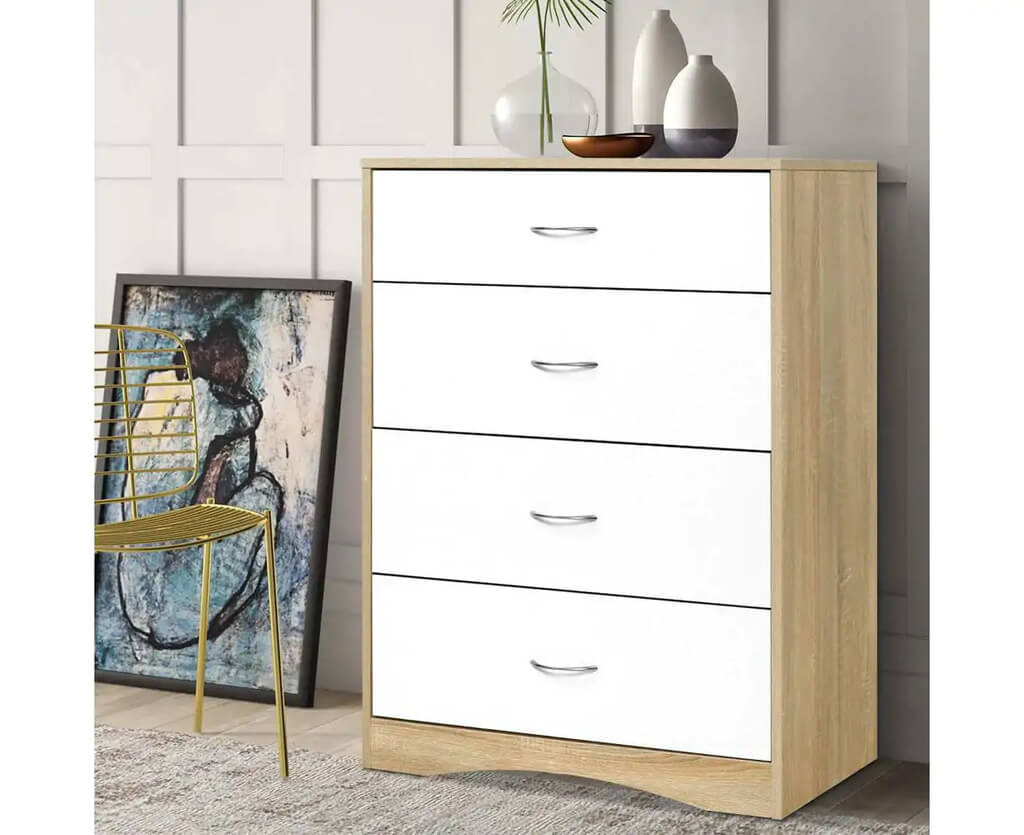
When it comes to furniture that offers both functionality and space-saving solutions, a tallboy chest stands out from the crowd. This vertical storage unit is designed to maximize storage capacity while taking up minimal space. 

If you’re looking for a stylish and practical storage solution, check out the following features that set tallboy drawers apart and make them a standout choice.

Vertical Storage Efficiency

Tallboy Chest Vertical Storage Efficiency

The primary feature that distinguishes a tallboy chest is its vertical storage design. Unlike traditional horizontal chests of drawers, the tallboy takes advantage of height rather than width. With a tall and narrow frame, it offers multiple drawers stacked on each other, optimizing vertical space and allowing you to store many items. This vertical arrangement is especially beneficial in rooms with limited floor space, where the tallboy becomes an excellent storage solution without overwhelming the room visually.

Space-Saving Solution

Tallboy Chest Space-Saving Solution

One of the main advantages of a tallboy chest is its ability to provide ample storage without occupying a large footprint. Its vertical orientation means it takes up less floor space than wider chests of drawers or other storage furniture. This makes it a better choice for small bedrooms, apartments, or any living area where maximizing space is a priority. By utilizing vertical storage, you can keep your belongings organized and easily accessible while leaving more room for other furniture or movement within the space.

In addition to its space-saving benefits, a tallboy chest offers a unique perspective on storage solutions. By embracing the vertical orientation, you not only optimize floor space but also create a visually appealing element in your living area. The towering presence of a tallboy chest adds a touch of grandeur and elegance, turning it into a focal point rather than just a functional piece of furniture. Its height draws the eye upward, creating a sense of spaciousness and openness in the room.

Moreover, the vertical storage arrangement allows for efficient organization of your belongings, making it easier to locate and retrieve items whenever needed. Whether you place it in a small bedroom, a cozy apartment, or any area where space is at a premium, the tallboy chest becomes a versatile storage solution that effortlessly harmonizes with your existing furniture while providing ample storage capacity. So, while you enjoy the convenience of having everything within reach, you also create a visually pleasing and stylish ambiance that enhances the overall aesthetics of your living space.

Stylish and Versatile Design

Tallboy Chest Stylish and Versatile Design

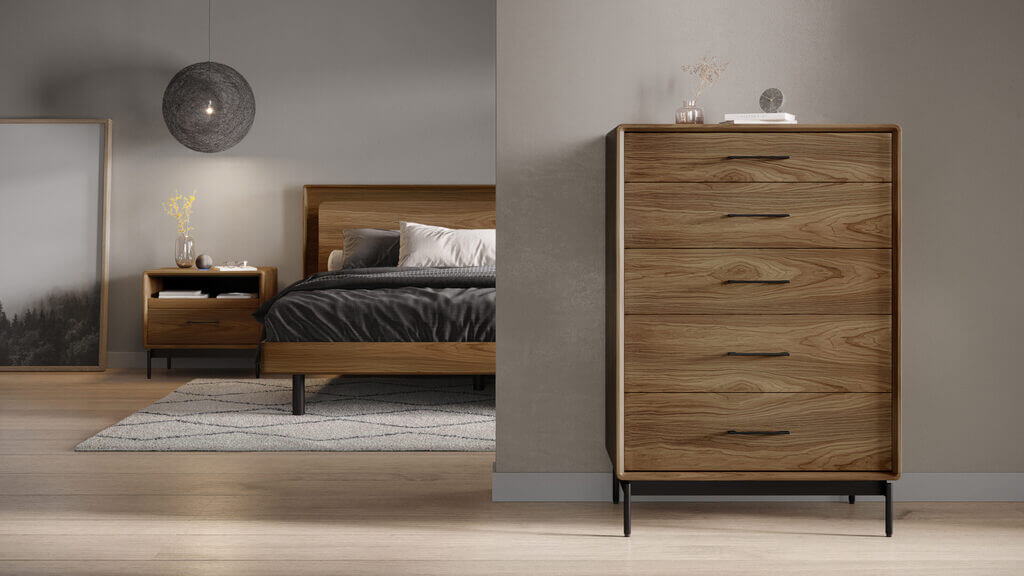
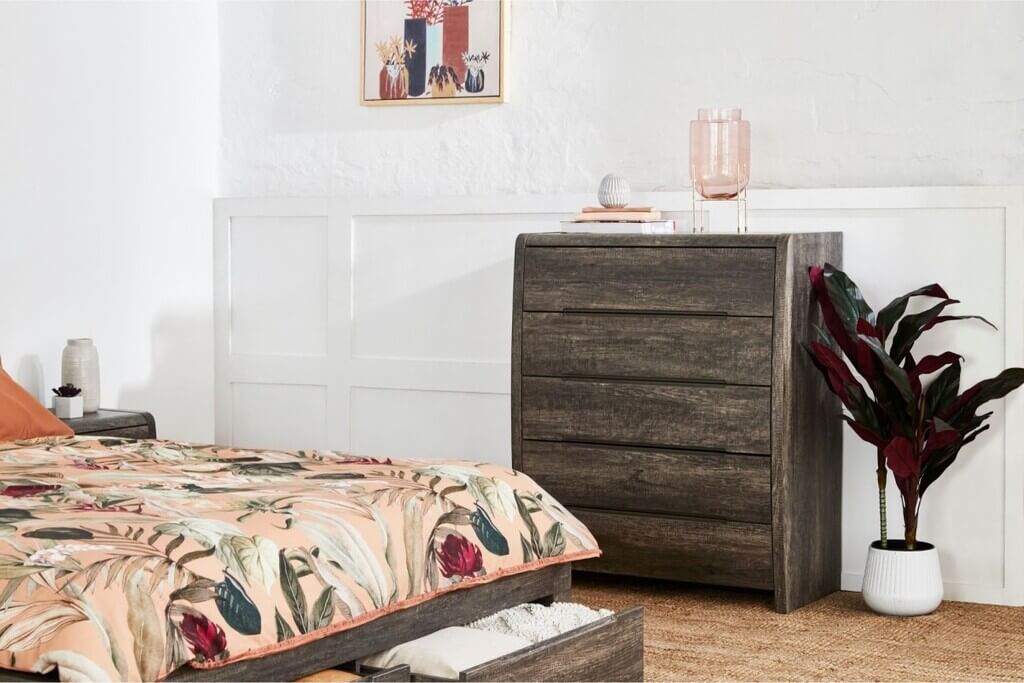
Tallboy chests come in various styles, materials, and finishes, making them versatile enough to suit different decor themes and personal tastes. Whether you prefer a classic, rustic, or modern look, you’ll find a tall boy that complements your style. From sleek and minimalist designs to ornate and vintage-inspired options, these chests are available in a range of aesthetics to enhance the visual appeal of your room. With various finishes like wood, painted, or even mirrored surfaces, you can choose a tallboy that becomes a stunning focal point or seamlessly blends into your existing decor.

Enhanced Organisation

Enhanced Organisation

Another standout feature of a tallboy chest is its ability to offer enhanced organization. The vertical drawer configuration allows for better categorization and separation of items. You can allocate specific drawers for different clothing, accessories, or other belongings, making locating and retrieving what you need easier. Some drawers even come with built-in dividers or compartments within the drawers, providing additional organization options for smaller items like socks, jewelry, or ties. With a tallboy, you can maintain a clutter-free space and enjoy the convenience of having everything neatly stored and easily accessible.

The enhanced organization provided by a tallboy chest goes beyond just separating items into different drawers. It offers a fresh perspective on maintaining an orderly living space. Imagine having designated drawers for specific purposes, such as one drawer for everyday clothes, another for formal attire, and yet another for seasonal items. This level of categorization not only streamlines your daily routine but also adds a sense of efficiency and harmony to your storage system.

Furthermore, the vertical configuration allows for better visibility of your belongings. Instead of rummaging through a pile of clothes or digging through a cluttered drawer, you can easily scan the contents of each drawer at a glance. This saves you valuable time and eliminates the frustration of searching for a particular item.

Additionally, the inclusion of dividers or compartments within the drawers further enhances organization. You can neatly arrange smaller items like socks, accessories, or even office supplies in their designated spaces, preventing them from becoming tangled or lost. This level of meticulous organization not only contributes to a clutter-free environment but also brings a sense of serenity and peace of mind. With a tallboy chest, you can effortlessly maintain a well-organized space where every item has its rightful place, making your daily life more efficient and enjoyable.

Aesthetically Pleasing Proportions

Aesthetically Pleasing Proportions

A tallboy chest’s tall and narrow silhouette creates an aesthetically pleasing proportion that can add visual interest to any room. Its verticality draws the eye upward, creating a sense of height and adding a touch of elegance to the space. Whether you place it against a wall, in a corner, or even use it as a standalone piece, a tallboy chest can bring balance and harmony to your overall design. Its unique proportions make it a statement piece that catches attention while serving a practical purpose.

In conclusion, tallboy drawers offer a range of features that set them apart from traditional chests of drawers. Whether you have limited space or prefer a unique and eye-catching piece of furniture, a tallboy chest can transform your room into a well-organized and visually appealing space. Embrace the vertical storage revolution and enjoy the benefits of a tallboy chest.

Keep reading:-

DIY Attic Insulation Replacement: Tips and Tricks for Success

0
Attic Insulation Replacement

Attic insulation is necessary in any home and should be checked regularly to ensure it is correctly installed. Replacing insulation on your own may seem impossible, but for most homeowners, it’s tedious enough to warrant hiring a professional. Damaged or outdated insulation can lead to other repairs needing to be made, such as electrical and plumbing, so if you know what you’re doing, it might be a good idea to replace it on your own. Here are tips and tricks to get the job done right.

Assess Your Current Insulation

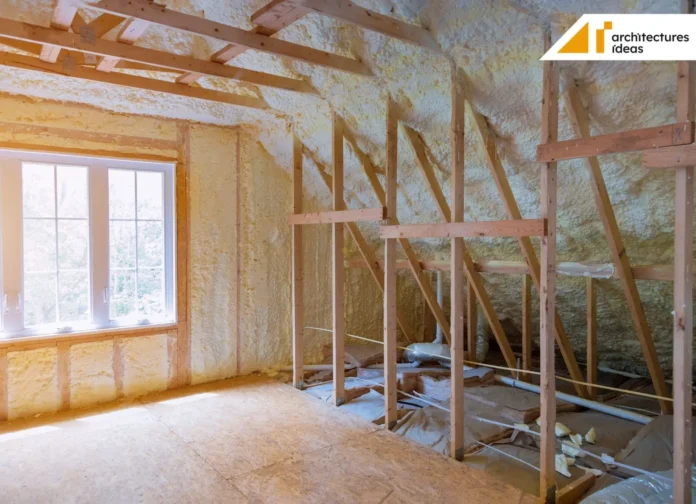
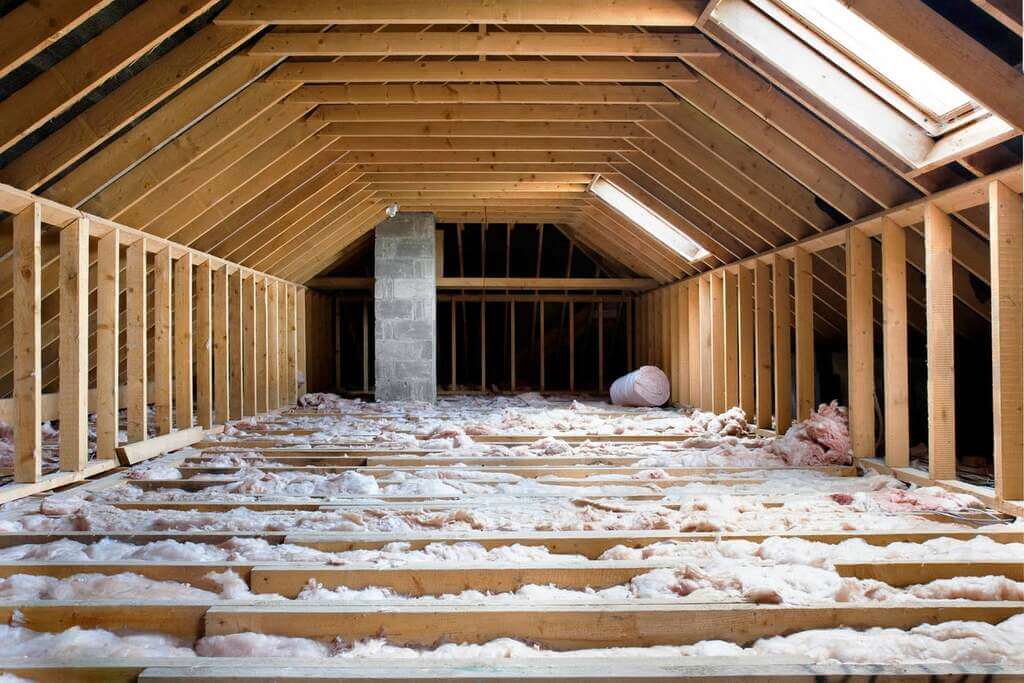
A Attic with a lot of insulation in it

Inspecting the attic before the attic insulation replacement process start ensures you get everything in line. Finding out how much insulation you currently have is the first step in deciding what to do. 

If the existing insulation is damaged, damp, or moldy, it is advisable to remove it entirely to prevent further problems. On the other hand, if the insulation is still in good shape, covering it with fresh insulation might increase its efficiency.

It is preferable to budget for a new attic insulation job when this procedure is finished.

Choose a Type of Insulation

Depending on your need and budget, there are several types of attic insulation that you can use. Soundproofing insulation is excellent for preventing noise from entering and leaving the home. Fire resistance insulation prevents walls, floors, and other structural components from getting damaged should a fire occur. Insect control insulation prevents any pests that may get into your home.

Prepare for Installation

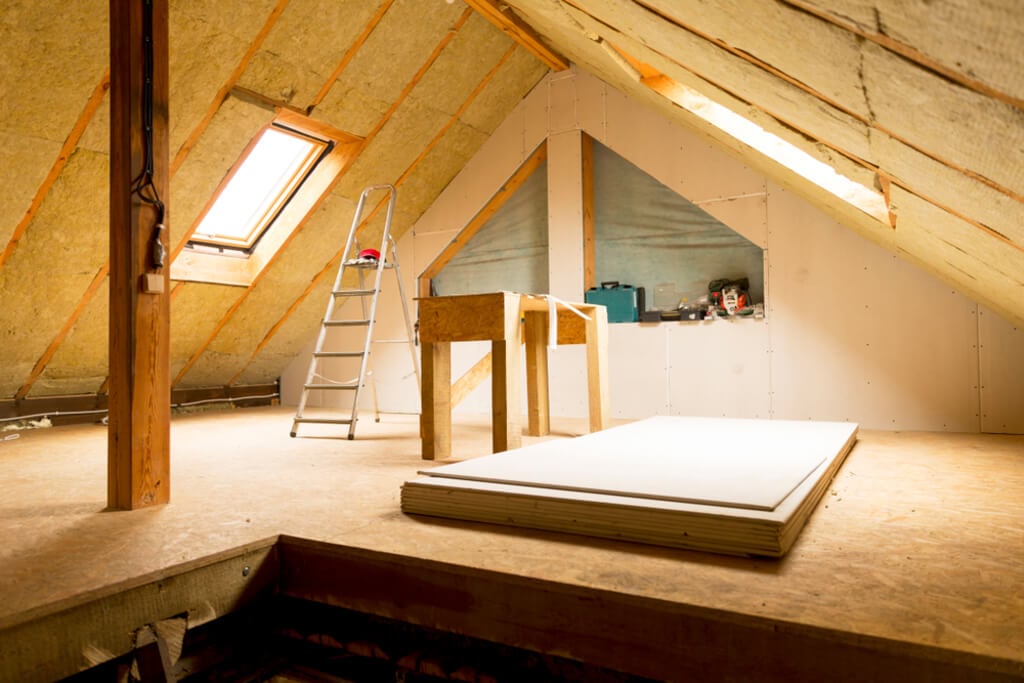
A attic with a ladder and a table in it

Taking measurements and getting the materials needed for installation before you start is the best way to ensure a successful project is completed. Repair roof leaks and seal air leaks in the attic before installing insulation to prevent issues when finishing up. Cover lighting fixtures, outlets, and anything else that must be covered with plastic sheeting or tarps to avoid fire hazards or damage.

Use the following steps when you are preparing for installation:

  • Measure: Start by measuring the square footage of the attic. Do it before you buy the materials. 
  • Repair roof leaks: Moisture is not at all good for the insulation, so make sure to repair leaks before installing the new materials. 
  • Seal air leaks: Air leaks happen in gaps between the attic and the outside or between the attic and your living space, which then reduce the effectiveness of the insulation. 
  • Cover lighting fixtures: Lighting fixtures should be covered with metal flashing, hardware cloth, or plywood, with a 3-inch safety gap built in, to prevent fires from starting when insulation comes in contact with them.
  • Don protective gear: The insulation fibers may not be good for your skin, lungs, and eyes. So make sure to wear a protective gear
  • Prioritize the safety: At the time of installation of the insulation, you should ensure safety. Instead of standing on exposed joists, provide temporary plywood flooring and make sure there is ample ambient lighting.

Install a Vapor Barrier

Not all insulations have a built-in vapor barrier; you might need to install one on your insulation. A vapor barrier is a sheet that prevents moisture from entering your attic system. Keeping water out is essential to preventing insulation from degrading. This can be done with sheeting, shutters, or even a blanket of plastic tarping.

Clean the Attic to Prepare Your Attic for Insulation

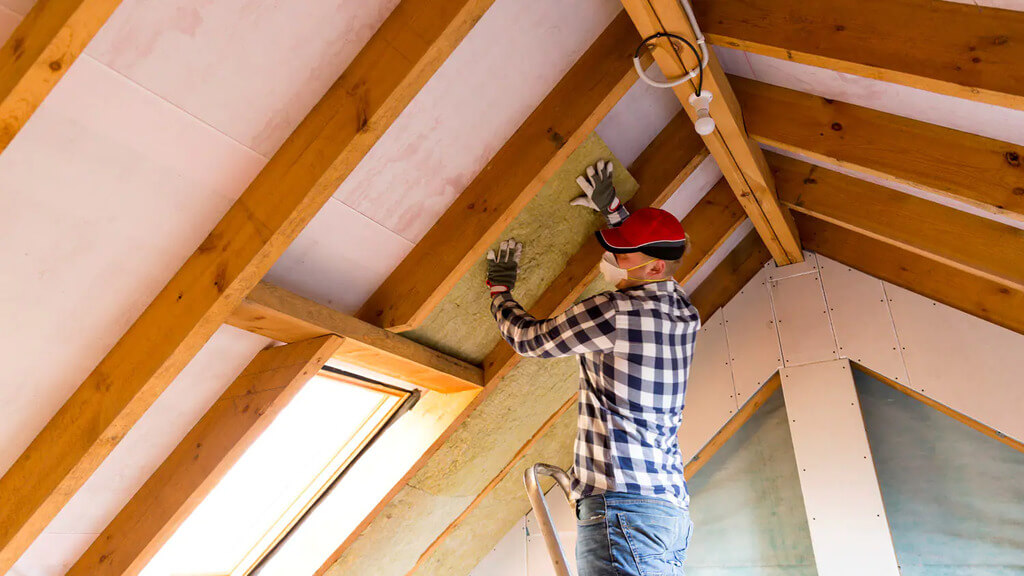
A man standing on a ladder working on a ceiling

Creating blank state conditions is an excellent way to ensure you get the most out of your insulation. Things like dust, old insulation, and debris should be removed before adding new insulation. Doing this will increase the performance of your new insulation and reduce potential fire hazards.

Weatherstrip Your Attic Access Panel

Weatherstripping is a must to keep the elements out of your attic. When you remove your existing insulation, you’ll want to put a new piece of weather strip in place to ensure nothing can get into the area. An attic insulation replacement project only works well if the air flow stays consistent.

Weatherstrip Your Attic Access Panel

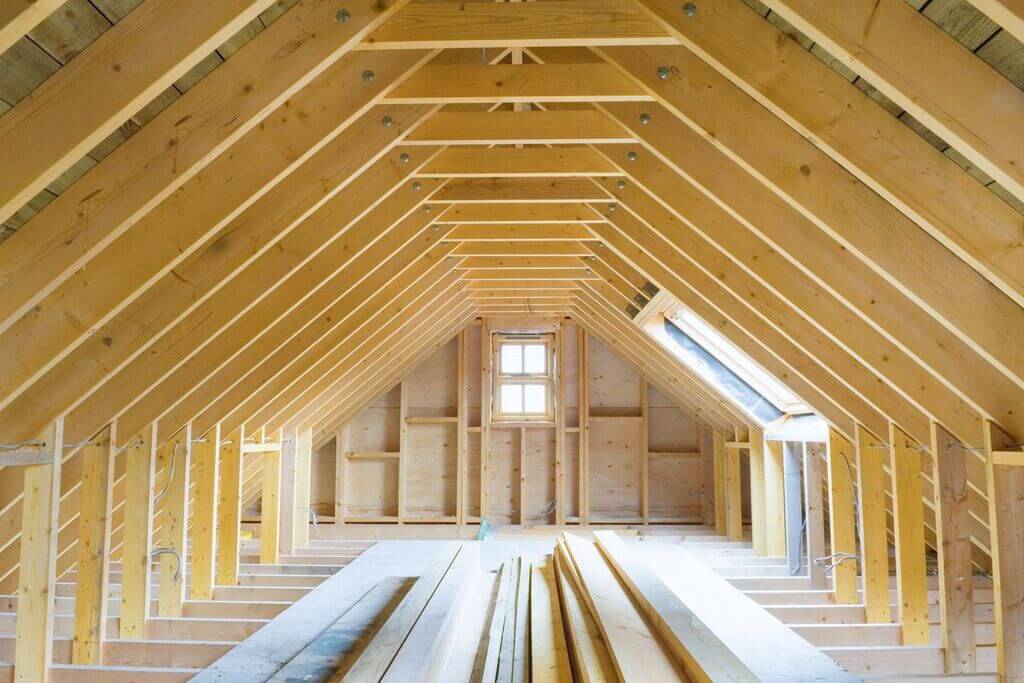
A attic with a lot of wooden beams in it

Attic floor holes are necessary for electrical work and other things, but you want to seal them up to keep anything from getting in. Use a piece of tape to ensure that the hole is covered up. Caulk and spray foam can also be used for this purpose. Replacing insulation in the attic with unsealed holes can introduce moisture, pests, and more.

Conclusion

At last, we would say that insulation replacement is an important task. If you show patience, it is a very simple task. And this article will be very useful as we have given the best tips for attic insulation replacement. Thus, you can use this information and complete the task easily. 

In case you missed it!
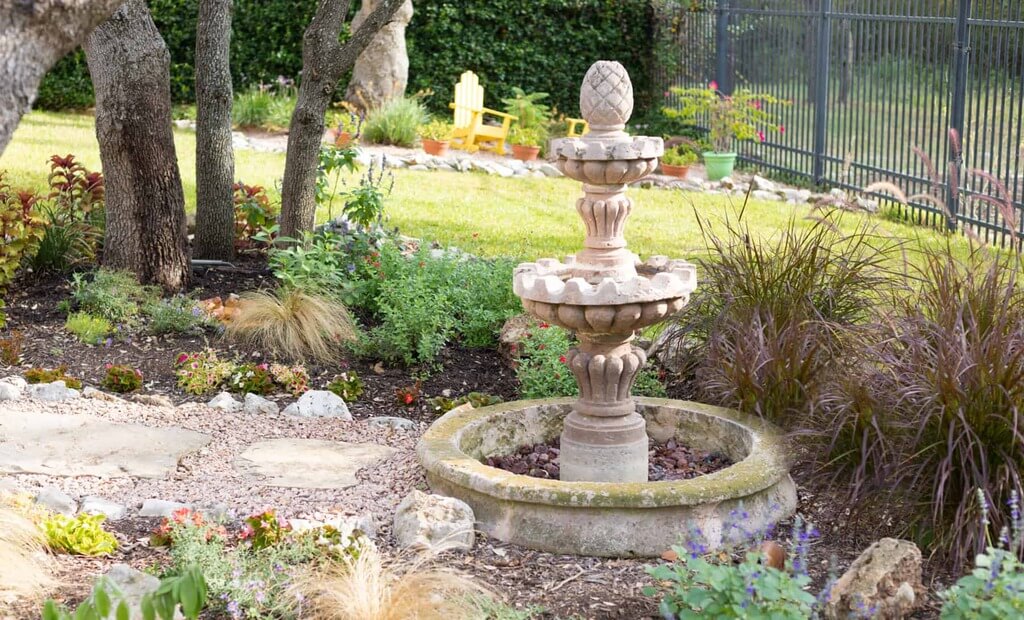
Metal Roofing Vs. Standing Seam Roofing: Which Is Better?

0
Metal Roofing Vs. Standing Seam Roofing

When it comes to roofing, the list of materials you can construct it out of may seem endless. Two popular options are metal roofing and standing seam roofing. While both are made of metal, they have some key differences that make one better suited than the other for your needs. This article compares metal roofing vs. standing seam roofing to help you determine which is better for your home or building.

What Is Metal Roofing?

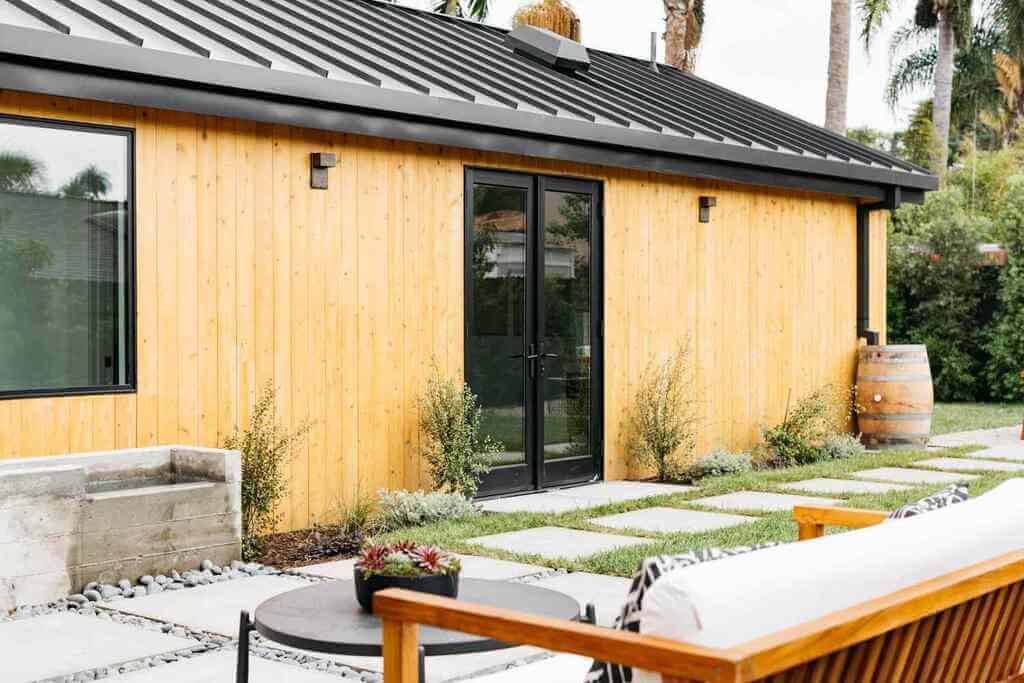
A patio with a table and chairs and a wooden building

Metal roofing typically comes in sheet or tile form and is usually made of steel or aluminum, although other metals such as copper and zinc are also available. These roofs are popular because of their durability, lightweight, and fewer maintenance requirements.

One of the biggest draws of a metal roof is its long-lasting lifetime. Proper installation and maintenance can last up to 50 years or more, much longer than other types of roofing, such as asphalt shingles. It’s also resistant to fire, insects, and rot, making it a smart choice for areas prone to wildfires or termites.

Another benefit of metal roofing is its energy efficiency. It reflects heat from the sun, which can help reduce cooling costs during the summer. Additionally, some metal roofing materials are installed over an air gap, which can further improve energy efficiency by reducing heat transfer through the roof. To learn more about this roof type’s benefits, contact a metal roofing company for a better explanation.

What Is Standing Seam Roofing?

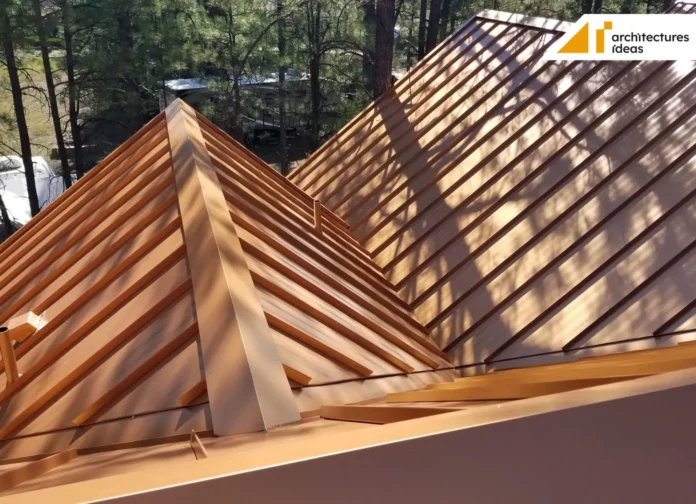
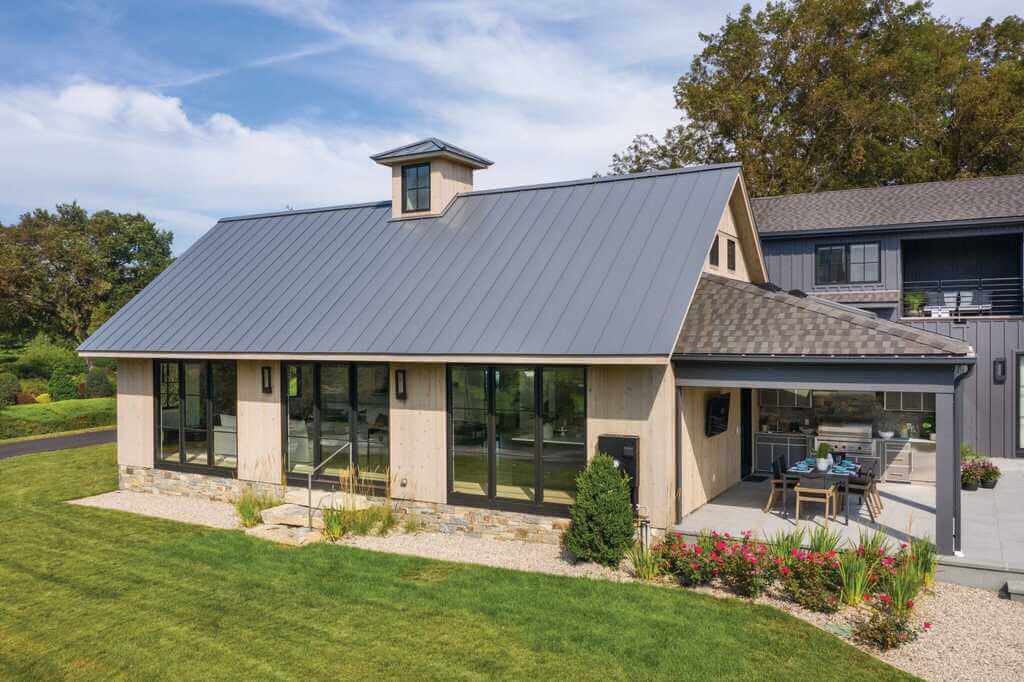
A building with a metal roof and a sky background

Standing seam roofs are also metal and feature raised seams formed by folding and then crimping together the edges of adjacent panels to create a watertight seal. This joining creates a distinctive look often associated with modern or contemporary architecture.

The top benefit of standing seam roofing is its durability. Because the seams are raised, standing seam roofing is less likely to leak than other types of metal roofing. Additionally, standing seam roofing is resistant to high winds, making it a good choice for areas prone to hurricanes or tornadoes.

Another benefit of standing seam roofing is its aesthetic appeal. The raised seams create a distinctive look that can add a modern or industrial touch to a building’s design. Additionally, standing seam roofing is available in a variety of colors and finishes, allowing it to be customized to match a building’s aesthetic.

Drawbacks to Keep in Mind

Drawbacks to Keep in Mind

When considering metal roofing vs. standing seam roofing, take into account the drawbacks of each option in addition to their benefits.

A noticeable issue with metal roofing is its potential for noise during heavy rain or hail. While this may not be a major concern for some homeowners, it can be a nuisance for others. Additionally, metal roofing can expand and contract with temperature changes, which can cause the roofing panels to buckle and warp over time if not properly installed. This can lead to aesthetic issues and potentially compromise the roof’s ability to protect the building. 

Furthermore, while metal roofing is available in a range of colors and finishes, some people may find the look of metal roofing unappealing.

On the other hand, standing seam roofing is generally more expensive, making it less affordable for some homeowners. The installation process is also more complex than other roofs, so plan on it taking longer to complete the job. 

Also, standing seam roofing is less widely available than other roof options. You may even need help finding a qualified installer. Lastly, standing seam roofing frequently gets installed over an air gap. This may affect the ventilation in your attic and lead to moisture problems.

Despite these drawbacks, both metal and standing seam roofing offer a range of benefits that make them popular options for many homeowners and builders. Both are durable and can last for decades with proper maintenance, though there is a difference in the level of protection against leaks and high winds.

Metal Roofing Vs. Standing Seam Roofing: Which Is Better?

A house with a metal roof and a patio

So which is better, metal roofing or standing seam roofing? The answer depends on your specific needs and preferences.

If you’re looking for a durable, low-maintenance roofing material that can last decades, metal roofing is a good choice. It’s also ideal if you’re looking for an energy-efficient option that can help reduce cooling costs. However, standing seam roofing is the better choice if you want to create a modern or industrial aesthetic.

Homes located in areas prone to high winds or hurricanes may also prefer standing seam roofing. The raised seams provide protection against leaks and damage from wind-driven rain. Additionally, it’s often installed using concealed fasteners to reduce leaks further and improve the roof’s aesthetic appeal.

Cost is another factor to consider when comparing these two options. Metal roofing is generally less expensive than standing seam, although the exact cost will depend on the type of materials used and the complexity of the installation.

Final Thoughts

When choosing between metal roofing and standing seam roofing, it’s important to consider both the benefits and drawbacks of each option to determine which is best suited for your needs and budget. By weighing factors such as cost, aesthetic appeal, durability, and maintenance requirements, you can make an informed decision that will provide long-lasting protection for your home or building.

Ultimately, metal roofing and standing seam roofing are excellent choices for a durable, low-maintenance roofing material that lasts many years. Just be sure to determine which is ideal for your home and work with a professional installer. 

In case you missed it!
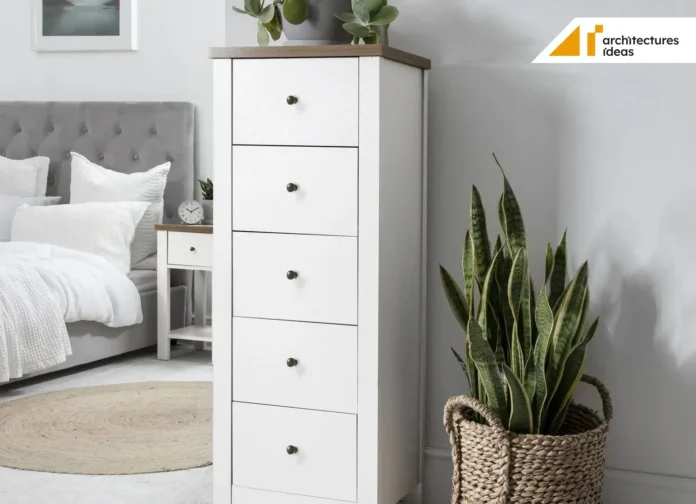
10 Benefits of Adding a Deck to Your Backyard

0
Deck to Your Backyard

A deck is a great addition to any backyard, offering a comfortable outdoor living space for family and friends. The right design and construction can provide numerous benefits, making it a valuable investment for any homeowner. Here are some benefits of adding a deck to your backyard.

When adding one to your backyard, it’s important to work with a professional with the knowledge and experience to design and construct a safe, durable, and beautiful outdoor living space. Deck builders can ensure that it is structurally sound, able to withstand heavy loads and extreme weather conditions. They can also ensure that it is built to code, so you can be sure it’s safe for you and your family.

Expands Your Living Space

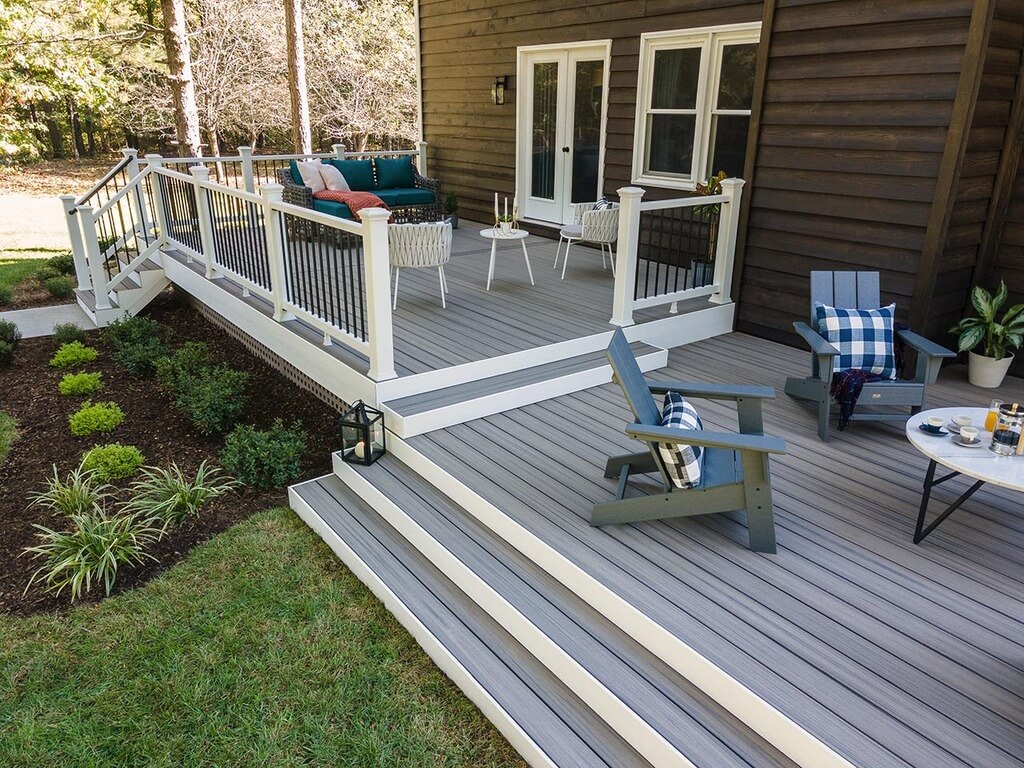
A deck with chairs and a table on it

One of the main advantages of having one is that it extends your living space outdoors. With it, you can create a dedicated relaxing, entertaining, or dining space. It’s a perfect place to spend time with family and friends, especially during warm weather months.

Increases Property Value

A well-built and well-maintained one can add value to your home. If you decide to sell your home in the future, it can make your property more attractive to potential buyers. It can also increase your home’s resale value, which means a larger return on your investment.

Provides a Safe and Sturdy Platform

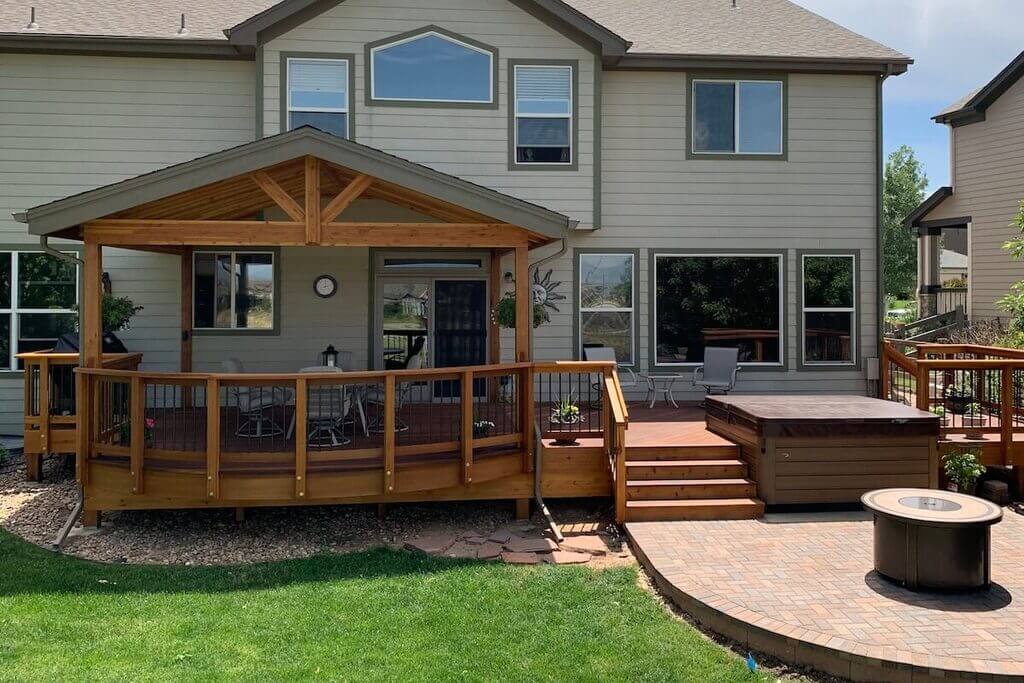
A house with a deck and hot tub

When built correctly, it provides a safe and sturdy platform for outdoor activities. A professional builder can ensure that it is able to withstand heavy loads and extreme weather conditions. They can also ensure that it meets legal regulations and coding, so you can be sure it’s safely constructed for you and your family.

Low-Maintenance

One of the great things about it is that it requires minimal maintenance. Unlike a lawn or garden, it doesn’t need to be mowed, watered, or weeded. And with modern decking materials, you won’t have to worry about staining or sealing it yearly. This means you can spend more time enjoying it and less time maintaining it.

Easy to Customize

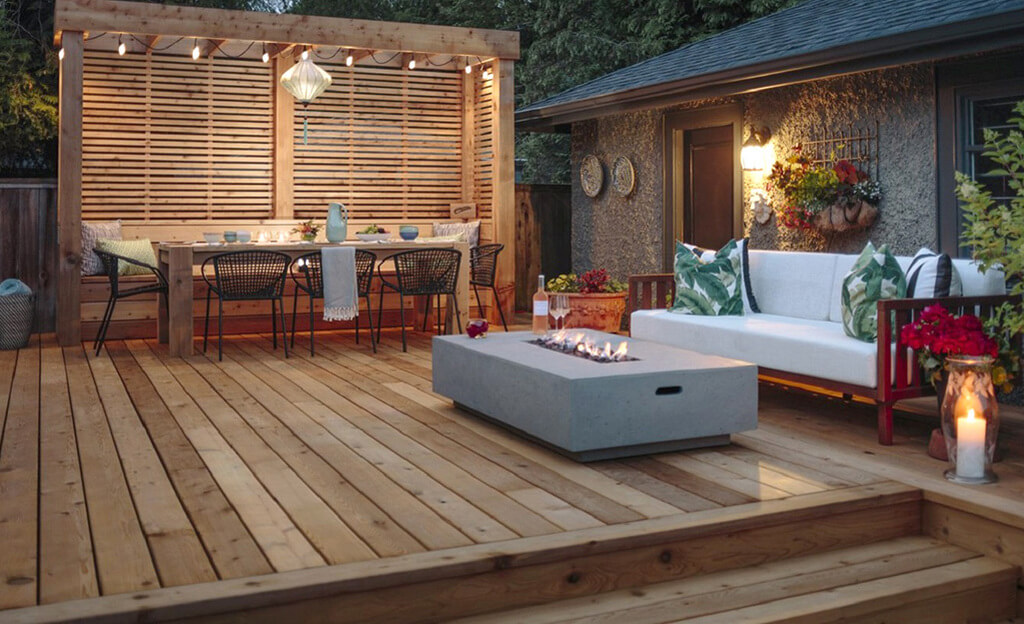
A deck with a couch, table, chairs and a fire pit

It comes in a variety of shapes, sizes, and materials, making it highly customizable. So whether you want a simple platform for outdoor seating or a multi-level one with built-in features like seating, lighting, and storage, a builder can help you design one that fits your needs and budget.

Eco-Friendly

It is an eco-friendly addition to your home. Wood is a renewable resource, and many decking materials are made from recycled materials. Additionally, it can help reduce your carbon footprint by providing a space for outdoor living, reducing the need for air conditioning and heating.

Boosts Mental Health

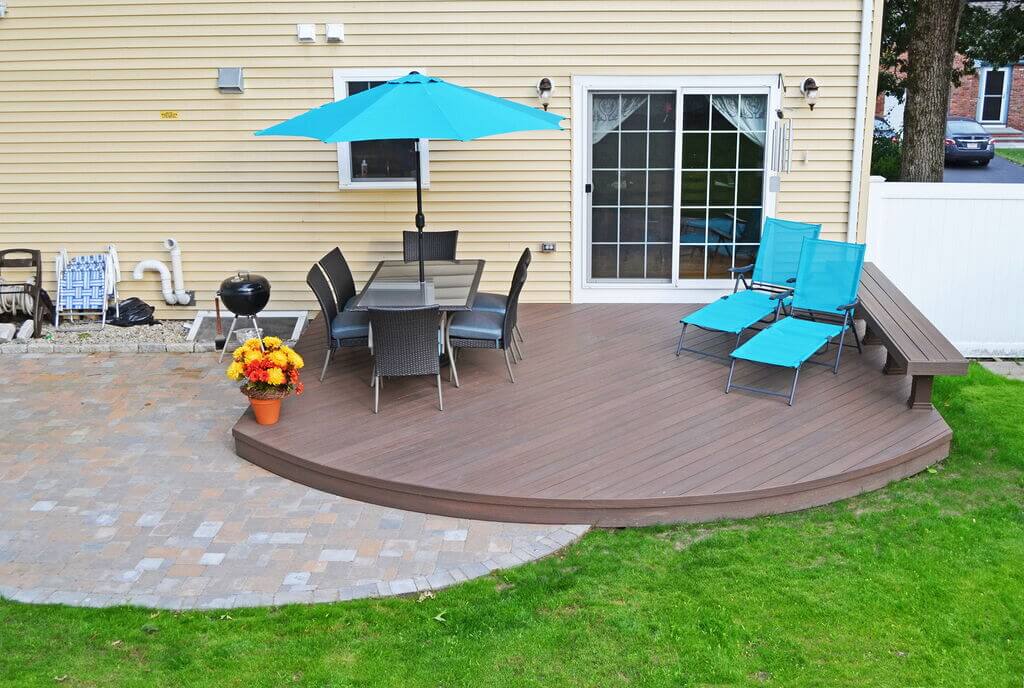
A patio with a table and chairs and an umbrella

Wouldn’t it be nice to have a place to unwind after a stressful workday? Decks positively impact mental health because they provide a backyard oasis that is a convenient and comfortable space to enjoy the benefits of being outside. Spending time outdoors has been linked to reduced stress and anxiety, improved mood, and increased feelings of happiness and well-being. 

Enhances Curb Appeal

A well-designed deck can enhance the curb appeal of your home. In addition, they add visual appeal to your home’s exterior, creating a more inviting and attractive look. With various styles, colors, and materials to choose from, you can create one that complements your home’s architecture and enhances its overall appearance.

Provides a Versatile Space

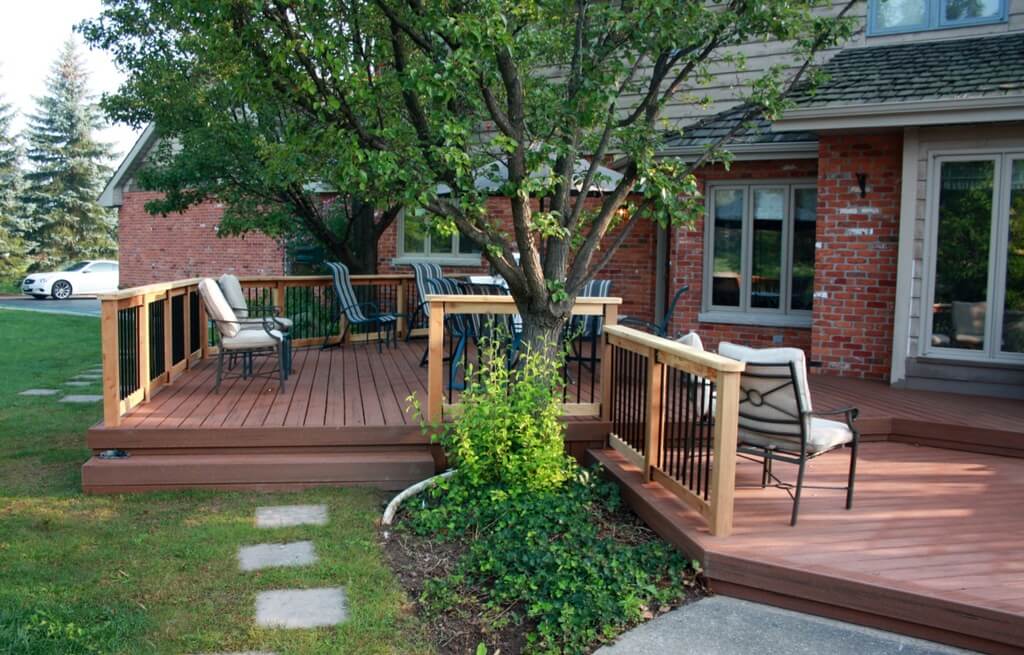
A wooden deck with chairs and a tree

If you need a versatile outdoor living space ideal for various activities, a deck is the perfect solution. You can use it as a space for grilling and dining, a place to relax and read a book, or as a spot for outdoor games and activities. With the right design and features, you can create one that meets all your needs and can be enjoyed throughout the year.

Adaptable for Different Landscapes

Decks can be built on various landscapes, including sloped or uneven terrain, which can be difficult to use for other outdoor activities. Professional deck builders can work with the existing landscape to design and build a deck that adapts to the terrain, creating a level and functional outdoor living space. This means you can use areas of your backyard that were previously unusable, such as hills or uneven surfaces, to create a beautiful and functional outdoor living space. 

Additionally, if you have a small backyard, a deck can be designed to fit within the available space while maximizing its utility and aesthetics.

Final Thoughts

Adding a deck to your backyard can provide numerous benefits, from extending your living space to increasing your property value. It’s also a safe and sturdy platform for outdoor activities, easy to maintain, and highly customizable. Plus, you can minimize your carbon footprint worldwide as an eco-friendly addition to your home. 

As with any project, planning is important. If you’re considering adding a deck to your backyard, work with a professional builder who can help you design and construct a deck that meets your needs and budget.

Read More:-

Mold Bathroom Ceiling: How to Remove Mold Like a Pro

0
Mold Bathroom Ceiling

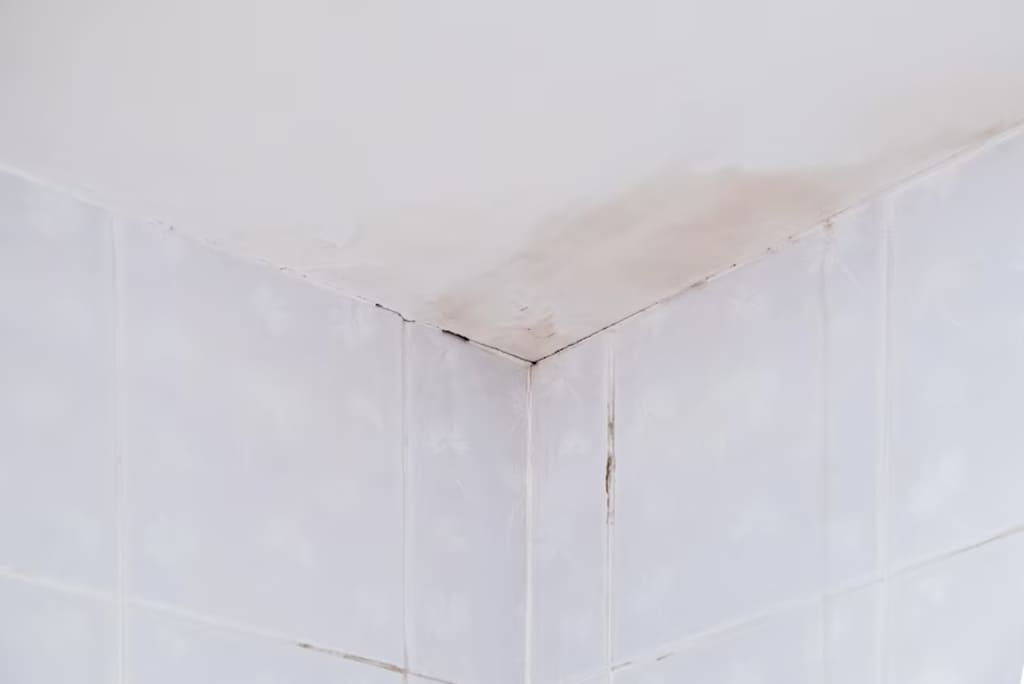
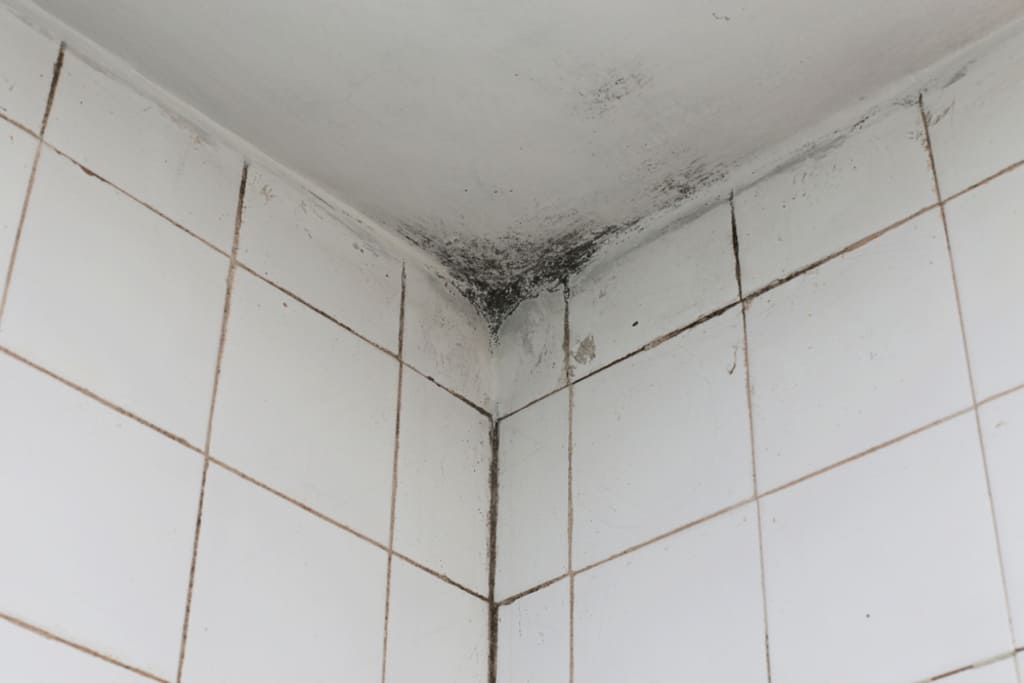
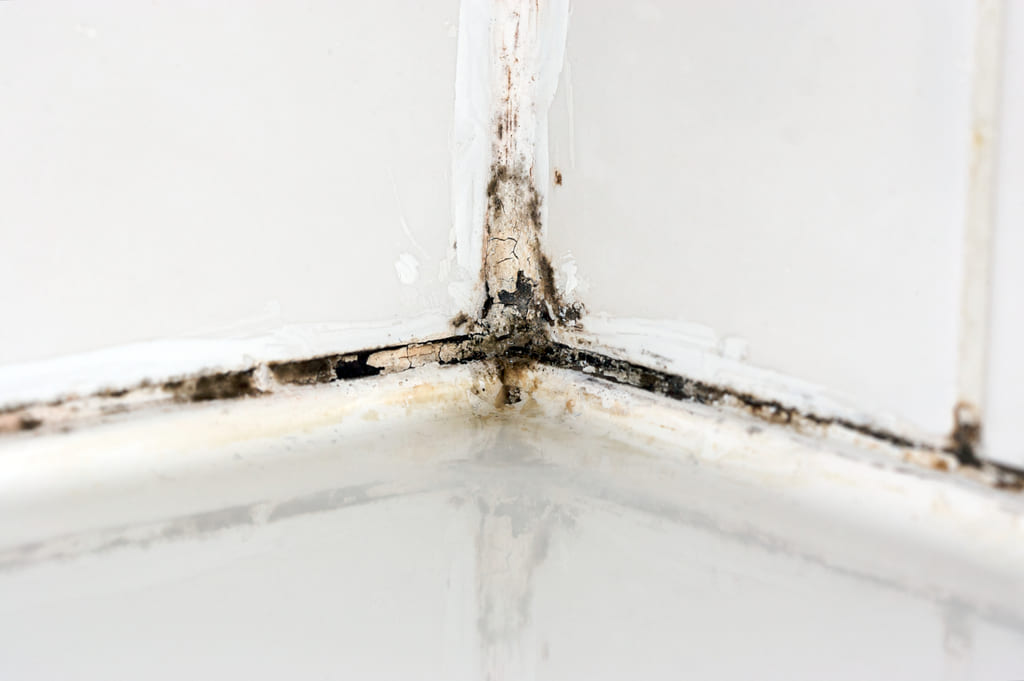
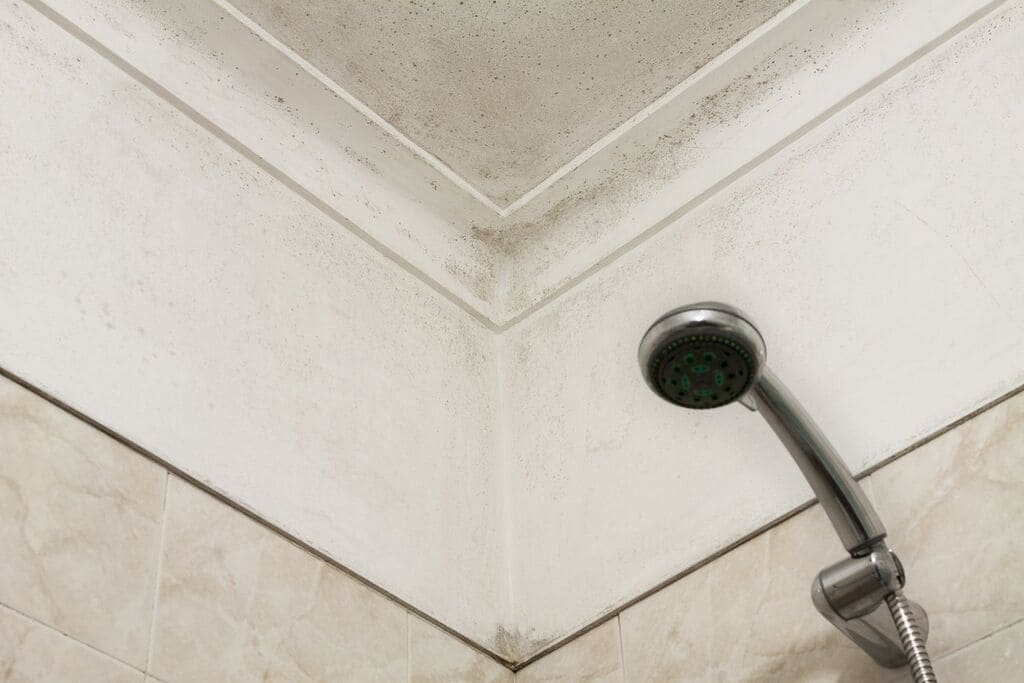
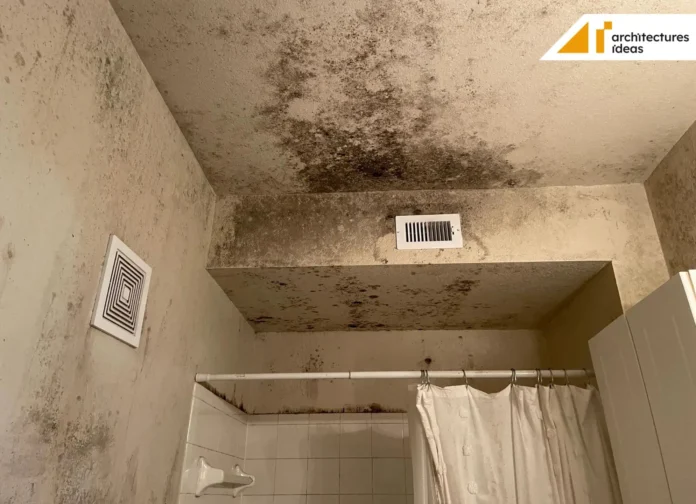
You wouldn’t want to start your day with a mold bathroom ceiling as bathrooms are supposed to make you feel refreshed.  Although mold on your bathroom ceiling may just seem to be an aesthetic annoyance, it actually poses serious risks to your property and health.

Looking up, you see ugly black blotches spreading over the ceiling of your bathroom. You’ve just learned about the hidden danger of mold bathroom ceilings. Mould is not only unsettling, but it also poses major health hazards, especially to the elderly and other sensitive demographics like children.

We’ll cover all you need to know about bathroom ceiling mold in this in-depth guide, from recognizing its symptoms to avoiding its growth and treating existing mold.

What Is Mold On The Bathroom Ceiling?

 Mold On The Bathroom Ceiling

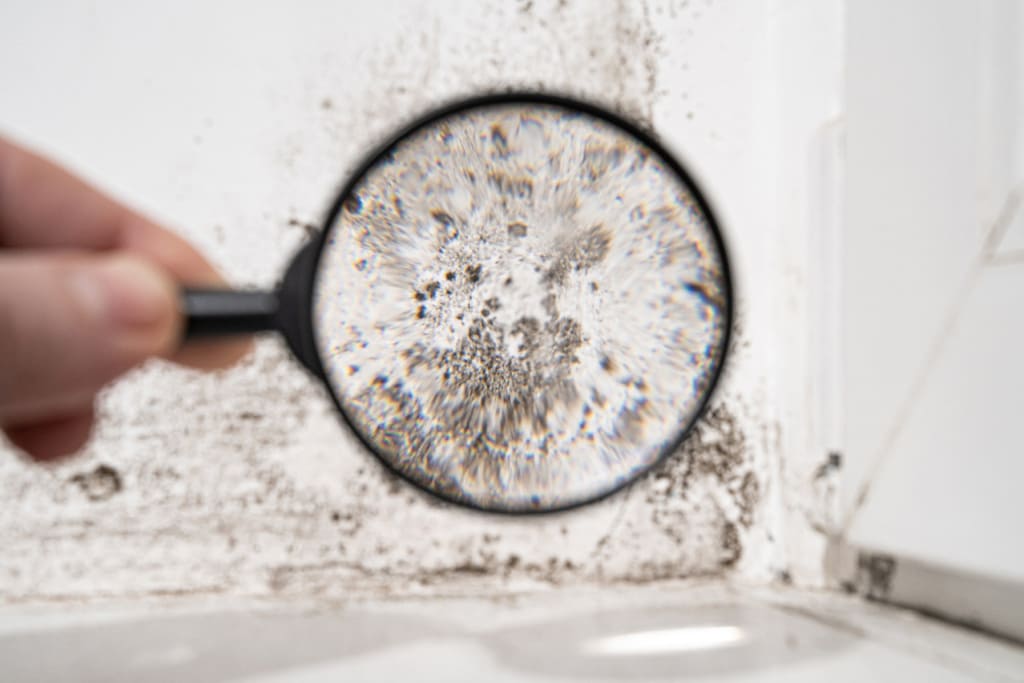
A particular type of fungus called mold prefers settling down in damp, poorly ventilated spaces. And your bathroom ceiling is what could possibly be the best breeding habitat. Mold may convert your once-pristine refuge into a haven of unattractive black blotches and an unpleasant musty smell with its continuous presence.

It may even aggravate pre-existing ailments and set off allergies and respiratory problems. Therefore, it’s imperative that you prepare yourself with information on this unwanted visitor and discover how to permanently expel it from your bathroom ceiling.

5 Types of Mold in Bathroom Ceiling

Sr no.Mold TypeAppearancePreferred ConditionsHealth Risks
1AspergillusPowdery patchesDamp environmentsAllergic reactions
2CladosporiumDark green or brownishDamp areasRespiratory issues, allergies
3Stachybotrys ChartarumBlackish-greenExcessive moisture, water leaksSevere health problems due to mycotoxins
4PenicilliumBlue or green fuzzy patchesVarious surfaces, including bathroom ceilingsAllergic reactions, respiratory issues
5AlternariaDark brown or black spotsDamp areas, water damageAllergic reactions, asthma symptoms

5 Key Factors Causing Mold in Bathrooms

1. Moisture

 Moisture on  bathroom ceiling

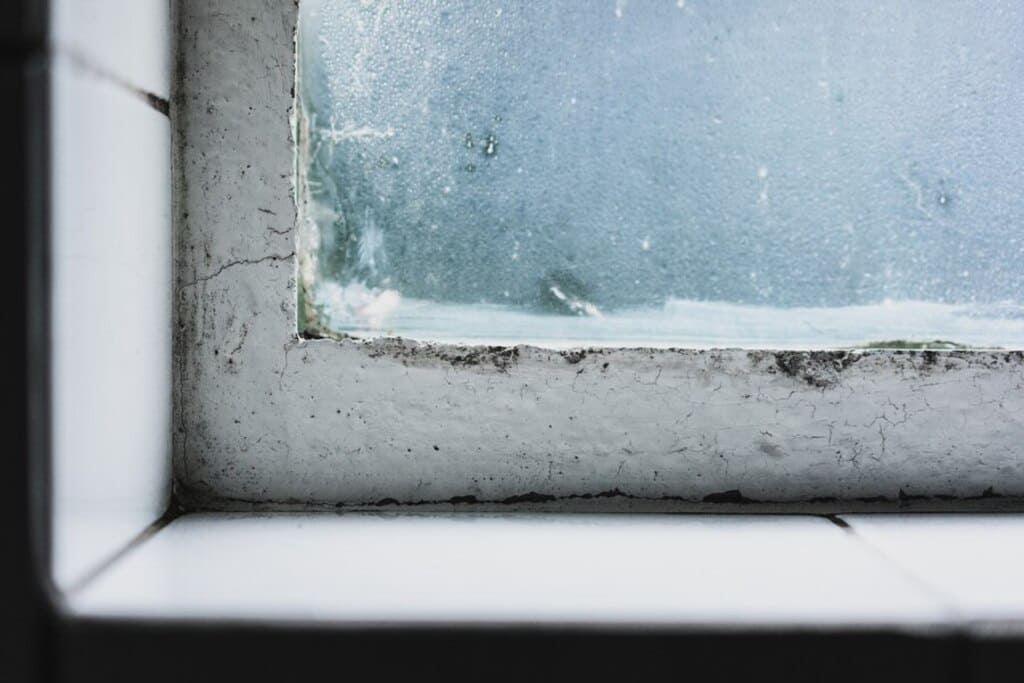
Bathrooms are inherently damp spaces. However, dampness may also occur from sneaky leaks and plumbing errors in addition to your relaxed practices. You see, when moisture remains on the roof of your bathroom, it’s as if mold is invited to a perpetual party.

2. Poor Ventilation

Poor Ventilation bathroom

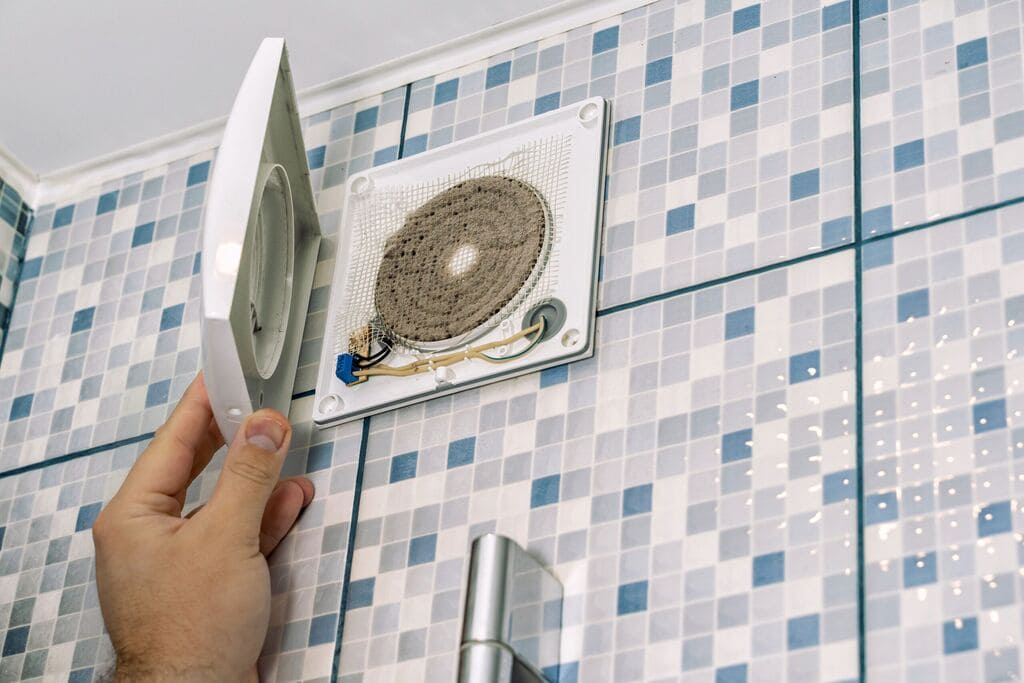
Poor ventilation in bathrooms collects moisture, enabling it to stick to surfaces like the ceiling and hang about in the air. Moisture cannot evaporate due to insufficient ventilation, creating the ideal environment for the formation of black mold in bathroom ceilings.

There are ways to address this heinous lack of airflow. By installing exhaust fans, you may provide the damp air with a straight escape path, sweeping it away and preventing it from accumulating on your ceiling.

3. Inadequate Insulation

Inadequate Insulation bathroom

When you think of your bathroom, insulation might not be the first thing that comes to mind, but it is extremely important for preventing moisture accumulation. Your ceiling fails to act as a barrier between the warmer, damp air and the colder surface when it is improperly insulated. 

Therefore, always keep in mind that effective insulation is the key to preventing mold growth in bathroom ceilings. Maintaining a cool, dry ceiling will keep humidity and mildew from taking hold in your bathroom.

4. Structural Issues

Structural Issues bathroom

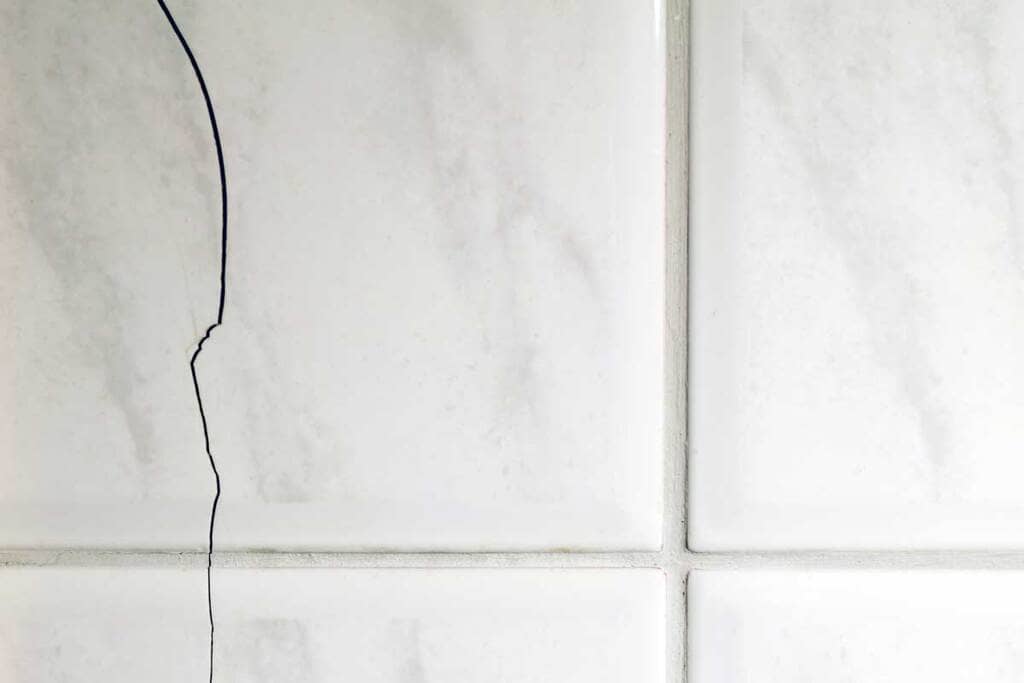
Your ceiling becomes a damp access point when there are cracks or holes in it. These gaps give moisture a chance to enter your ceiling, whether it’s via plumbing leaks or water vapor from your showers. 

It’s critical to address structural concerns as soon as possible to combat this. A barrier against moisture infiltration is created by patching up cracks, caulking openings, and maintaining the structural integrity of your ceiling. 

5. Lack of Cleanliness

 Lack of Cleanliness  bathroom

When you ignore the cleanliness and maintenance of your bathroom ceiling, you create an environment in which mold may thrive. Dust settles, grime builds up, and organic stuff rises to the surface. These items may appear to be innocuous, but they act as a breeding ground for mold bathroom ceilings, supplying the nutrients it requires to thrive and distribute its spores.

4 Useful Methods to Prevent Mold in Bathrooms

Useful Methods to Prevent Mold in Bathrooms

1. Proper Air Circulation

Proper ventilation and air movement are essential for minimizing moisture buildup, which creates an excellent habitat for mold bathroom ceilings. Install and utilize bathroom exhaust fans correctly. To eliminate extra moisture, turn on the fan during and after showers. Furthermore, opening windows or utilizing dehumidifiers can enhance air circulation and lower humidity levels, therefore preventing mold formation.

2. Cut the Moisture

Moisture is a major accelerator for mold in shower, so keeping your bathroom ceiling dry and mold-free is critical. Wiping down surfaces and removing any extra water after each usage is a useful approach for combating moisture collection. By paying close attention to the shower walls, flooring, and bathtub area, you can avoid moisture from lingering and provide a perfect habitat for mold to thrive. You can see small bathroom ideas.

Pro Tip: To properly remove water droplets from surfaces, consider using a squeegee or a microfiber cloth.

3. Prevent Plumbing Leakages

Your first line of defence against mold is to remedy leaks and plumbing concerns as soon as possible. You may avoid more water damage and the growth of mold on the bathroom ceiling by taking fast action. A minor leak may appear trivial now, but it may wreak havoc on your bathroom’s infrastructure and jeopardize your health and well-being over time.

Pro Tip: Inspect your plumbing system and fixtures on a regular basis to catch any leaks or problems early on. 

4. Shower Screen

Shower curtains or screens serve as dependable defenders, keeping the water contained within the shower area and preventing it from cascading into your bathroom ceiling.  Cleaning and maintaining shower curtains or screens on a regular basis is critical to their performance. Soap scum, mineral deposits, and mildew can form over time, reducing their capacity to repel water efficiently. 

Pro Tip: Consider running a dehumidifier in your bathroom to further decrease moisture accumulation. This can help eliminate excess moisture from the air and surfaces, making the growth of mold in the bathroom more difficult. 

4 Tips to Remove Mold in Bathrooms

Remove Mold in Bathrooms

1. Discover the Problem Areas: 

Inspect your bathroom thoroughly to discover the mold-affected areas. Examine the ceiling, walls, grout lines, and any other moist or humid areas where mold thrives.

2. Safety

First and foremost, apply gloves, a face mask, and protective eyewear before beginning the mold eradication process. Opening windows or using fans to circulate fresh air is also important to prevent mold bathroom ceiling.

3. Use Effective Cleaning Methods: 

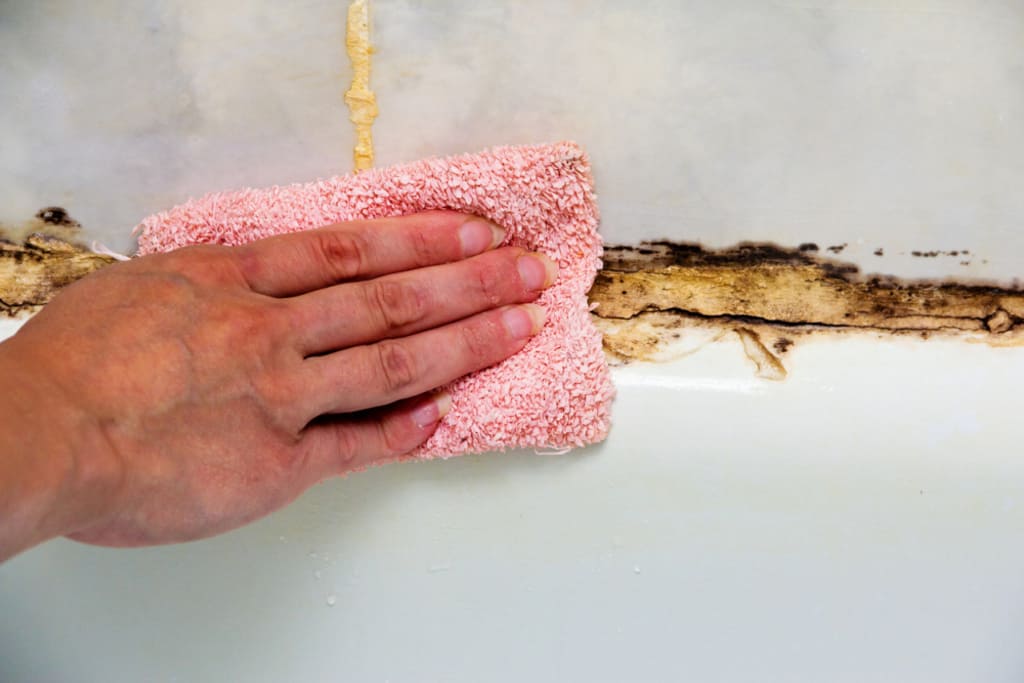
There are various effective cleaning methods you may use to eradicate mold from bathrooms. To treat the damaged areas, use equal parts water and vinegar or water and bleach. Allow it to rest for a few minutes before scrubbing the mold away with a brush or sponge. To eliminate any leftover residue, thoroughly rinse the area with water.

4. Prevent Future Mold Growth: 

Take preventive actions to keep the mold bathroom ceiling from returning. After showering, provide appropriate ventilation in the bathroom by utilizing exhaust fans or opening windows. Wipe away any excess moisture and keep surfaces clean and dry. In order to eliminate possible water sources for mold, assess and fix any leaks or plumbing faults on a regular basis.

How to Clean Mold off Bathroom Ceiling using DIY Methods: 

 Clean Mold off Bathroom Ceiling using DIY Methods: 

1. Hydrogen Peroxide Solution: 

In a spray bottle, combine equal parts hydrogen peroxide and water to combat mold on your bathroom ceiling. Spray the solution directly into the moldy area to ensure thorough coverage. Allow for 10-15 minutes for it to infiltrate the mold. 

Scrub the mold on the bathroom ceiling with a brush or sponge to loosen and remove the mold. Before moving on to the following step, rinse the area with water and make sure it is totally dry.

2. Tea Tree Oil

Looking for a natural solution to remove mold bathroom ceiling? Test the effectiveness of tea tree oil! In a spray container, combine water and 10-15 drops of tea tree oil to make a tea tree oil spray. Shake well before spraying the solution straight into the moldy region of the ceiling. enable it to remain undisturbed for a few hours or overnight to enable the tea tree oil to do its work. 
The mold should then be removed using a cloth or sponge. Rep the process if the mold is obstinate. Remember to ventilate the bathroom to promote drying and avoid mold growth. Say goodbye to mold by embracing the natural power of tea tree oil!

3. Borax Paste: 

Do you want to know how to get rid of mold on bathroom ceiling using daily materials?  Make a thick paste with 1 cup of borax and adequate water. Apply the paste to the moldy region of the ceiling, being sure to cover it completely. Allow for 15-20 minutes for the borax to permeate the mold. 

Scrub the paste gently with a brush or sponge, concentrating on the moldy areas. Before proceeding, rinse the area with water to remove any residue and ensure that it is totally dry.

Battling the Musty Mold on Bathroom Ceiling!

Finally, dealing with mold on bathroom ceiling is critical not just for keeping the area clean and physically appealing, but also for protecting your health and well-being. Mold development can cause respiratory problems, allergies, and other health problems. You may successfully attack mold and create a healthier atmosphere by knowing the reasons of mold formation and applying preventative measures such as good ventilation, moisture management, frequent cleaning, and rapid repairs. Let’s see these beautiful bathroom tile ideas.

FAQs

Why Is There Mold on My Bathroom Ceiling?

Mold on bathroom ceilings is often caused by a combination of moisture, poor ventilation, and organic matter. Bathrooms provide an ideal environment for mold growth due to the high humidity and frequent exposure to water.

How Can I Prevent Mold from Growing on My Bathroom Ceiling?

To prevent mold growth, ensure proper ventilation in your bathroom by using exhaust fans or opening windows. Wipe down surfaces to remove excess moisture after each use, fix any plumbing leaks promptly, and keep the bathroom clean and well-maintained.

Can I Remove Mold from the Ceiling Myself?

Yes, you can remove mold from the ceiling yourself using DIY methods such as vinegar or bleach solutions, tea tree oil sprays, or borax pastes. However, it’s important to take safety precautions, wear protective gear, and properly ventilate the area.

When Should I Seek Professional Help for Mold on Bathroom Ceiling?

It’s advisable to seek professional assistance if the mold infestation is extensive, covers a large area, or keeps recurring despite your efforts to remove it. Professionals can conduct a thorough assessment, provide effective remediation, and address any underlying issues.

Is Mold on Bathroom Ceiling Harmful to My Health?

Mold can have negative health effects, particularly for individuals with allergies, respiratory conditions, or weakened immune systems. Prolonged exposure to mold spores can lead to respiratory symptoms, such as coughing, sneezing, and worsened asthma.

Read more:

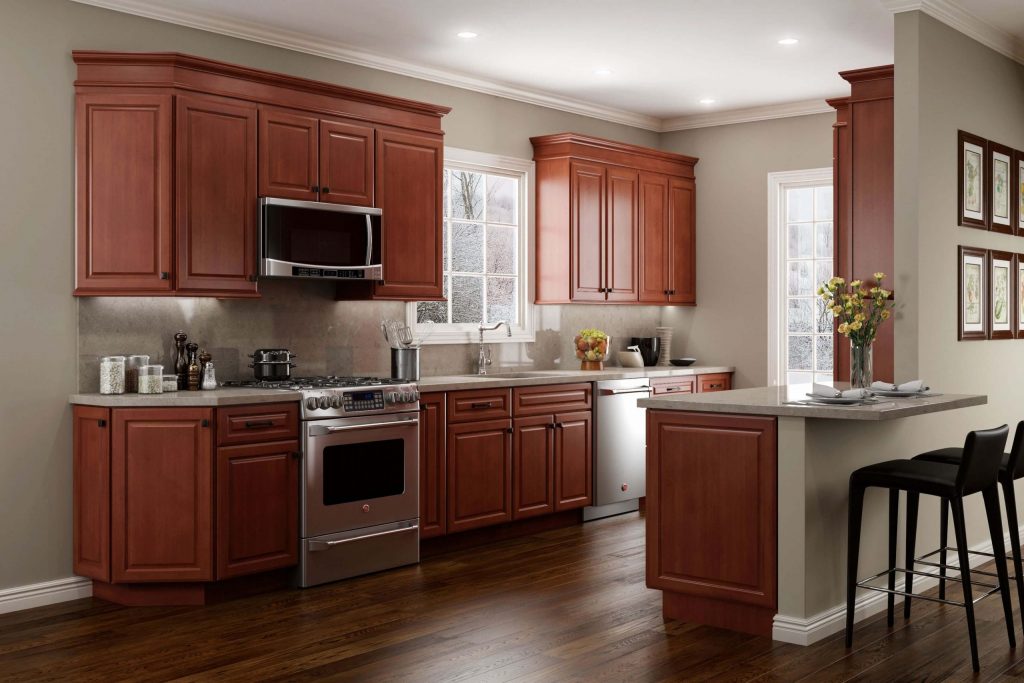
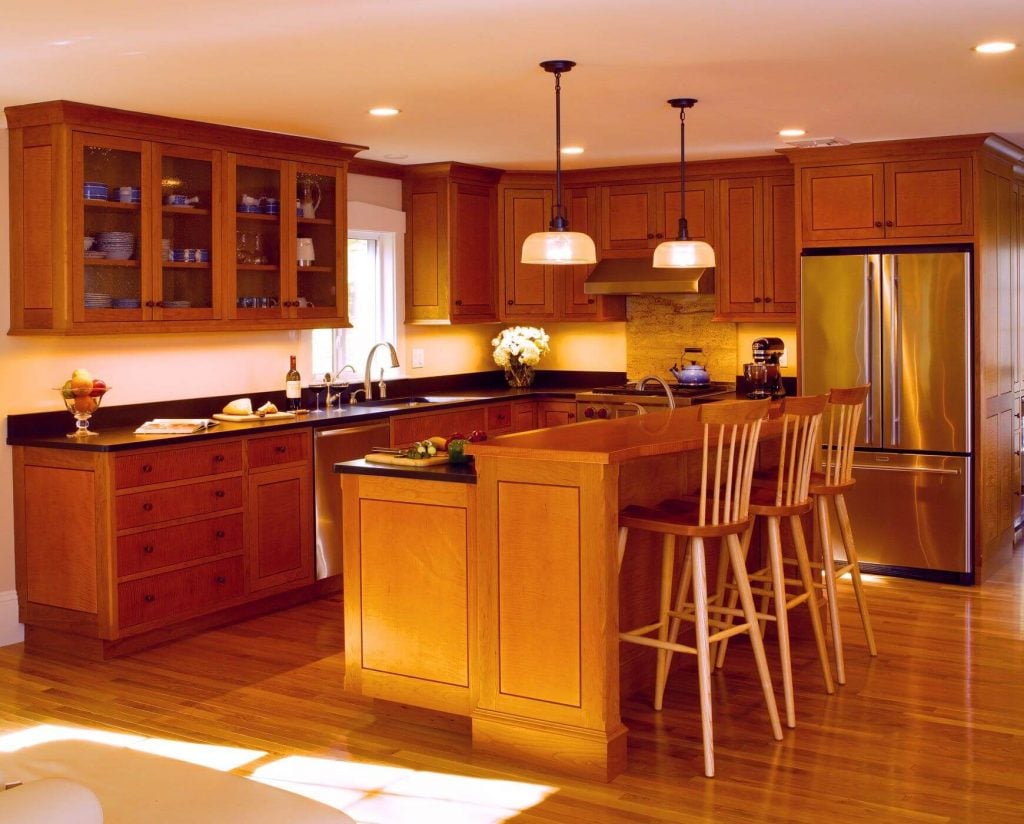
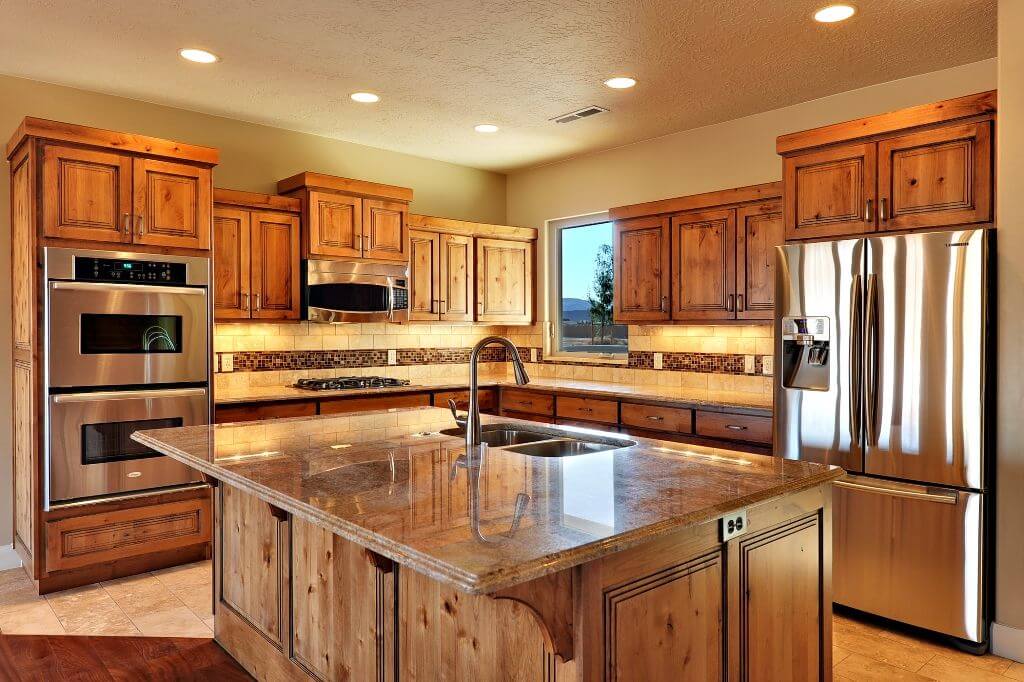
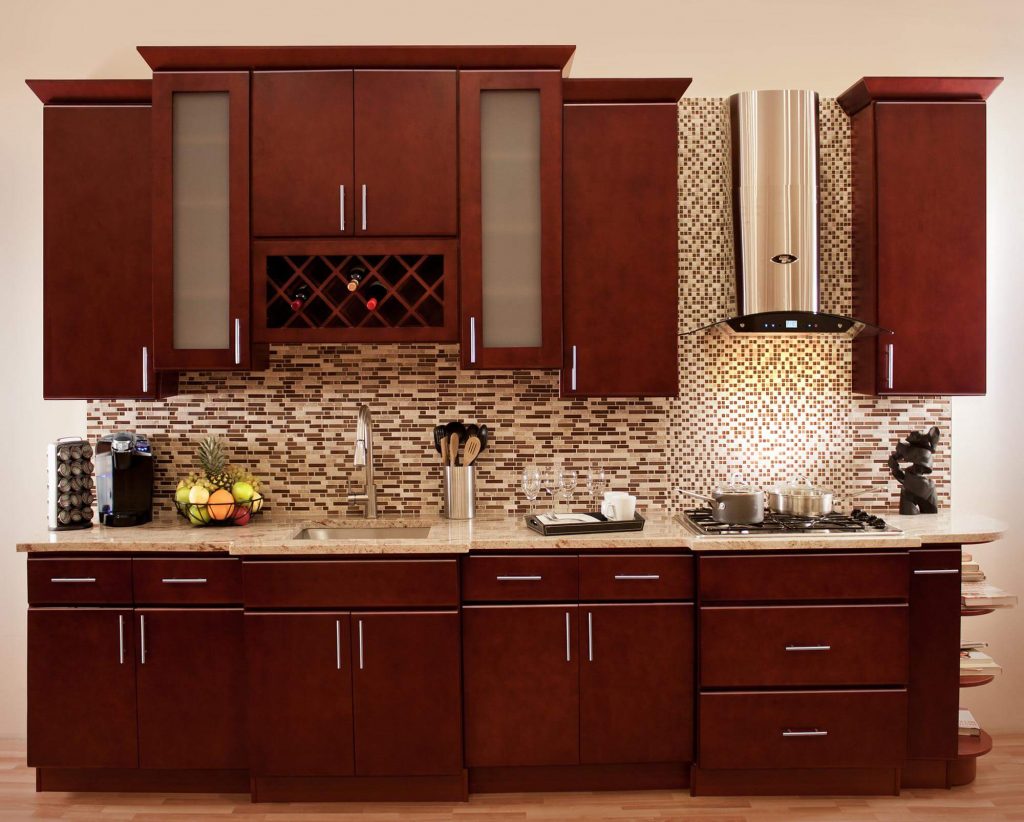
Spice Up Your Cook Place By These Outstanding Cherry Wood Kitchen Cabinets!

0
cherry wood cabinets

Wood is the most preferred material when it comes to furniture. From living room furniture to the kitchen cabinets, wood fits everywhere perfectly, isn’t it? It looks Not only absolutely stunning but also environment friendly. So, if you’re also planning to renovate your old kitchen and looking for furnishing ideas, you’re on the right page. Today we are going to tell you all about the kitchen wood cabinets and the wood that is not like any other type but an exceptional one. Yes, in this blog, we have provided all the related information about the Cherry wood cabinets!!

You might have already heard about cherry wood floorings and furnishings, but have you ever think about placing cherry cabinets in your kitchen? If not, then it time to do this. They’re very versatile looking yet they add drama to your kitchen. But will they go with your desired theme or design of the house? Aren’t they expensive? How to maintain them?

Solutions to all your questions and doubts lie in here, and we’re pretty sure after reading this whole blog, all your doubts will go away, and you’re mesmerized with the beauty of cherry wood. So, let’s start with the characteristics of it. 

Characteristics of Cherry Wood

The cherry wood is not a new type of wood, but it has been used for ages. It is a traditional wood that carpenters and woodworkers have used for years. Reason? Because of its quality and color. Cherry is a reddish-brown, smooth-grained hardwood that comes from the American Black cherry fruit tree. That’s why it is the most prized wood in America. 

Did you know that Cherry wood changes its color? Yes, the wood changes its color over time, initially it’s in light golden/pink tone and gradually transforms into the dark color. The darkening or “Riping” process takes around six months to several years before reaching the beautiful reddish-brown hue!! 

Why Choose Cherry Wood Cabinets?

cherry wood cabinets

source: pinterest.com

There is absolutely no doubt that the cherry wood is the new name of luxury!! Apart from providing a fantastic visual appeal with elegance, cherry wood is also an archetype of practical functionality. Isn’t it great?

There are not one or two, but many reasons why people love to have modern cherry kitchen cabinets. Really? Yes, let’s start with its durability. Apart from the visuals, the first priority is always durability, right? We all want a material that is durable and can work for years. Cherry wood is not as resilient as oak wood, but it is known for its strength and can be used for years. 

Now, you might be thinking that cherry wood will be expensive? No, that not true at all, the wood is somewhat mid-price range. (which is neither costly nor cheap!). If you compare with the other dark woods, it is more affordable than the 1 and 1. No doubt, they are good investments, returning practical advantages in the long run. 

Another advantage is that they’re available everywhere in the market. You can easily purchase it from exclusive wood suppliers, cabinet manufactures, and even from online shops!!

Reason:

Now, the primary reason why we select any type of wood is the aesthetic appeals, right? The main reason why homeowners love to have cherry cabinets is the looks and beautiful color of this wood. It comes in an elegant deep rich undertone that brings luxurious in the whole kitchen. 

In addition, they never go out of style!! From traditional styles to ultra-modern ones, they work well with various types of concepts & designs. How? Keep on reading as below we’re listed some of the fresh styles and themes that will work great with cherry wood. 

But before that its time to tell you some little drawbacks of it. Afterall nothing is perfect!! Just like the other woods, it is also prone to termites. However, this can be overcome by taking preventing measures like termite proofing. Also, they’re not scratch & water-resistant, so keep water away from it and immediately wipe any spills so that it does not produce any stain.

PROSCONS
  • Luxurious Looking Finish
  • Expensive
  • Unstained
  • Color changes with time
  • Durable & Strong
  • Not scratch & water resistance
  • Can be easily Shaped

Cheery Wood Kitchen Cabinet Style Ideas

Now, let’s see how cherry wood complements every style & theme:

1. Rustic Style

cherry wood cabinets

source: pinterest.cl

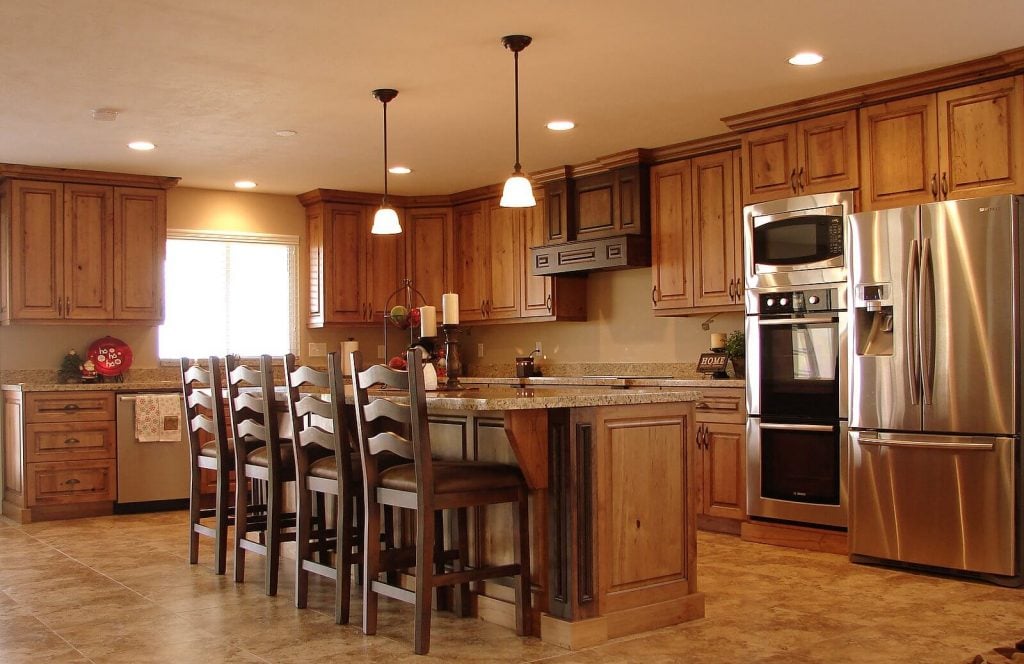
This a kitchen in a cool rustic theme, isn’t it look perfect? With the tile flooring & white ceilings, the cherry wood cabinets look best for this place. The golden honey color of the cherry wood is perfectly going with the countertops and the under shelves. 

2. Modern Style

cherry wood cabinets

source: exitallergy.com

Looking for modern furnishings? This kitchen has more space and simple looking cabinet profile that will give a cleaner and more uniformed finish. And all of this is achieved by cherry wood laminates. Pair with the cream color countertops and 1, the overall look is well balanced, yet elegant. 

3. Farmhouse Style

cherry wood cabinets

source: houzz.com

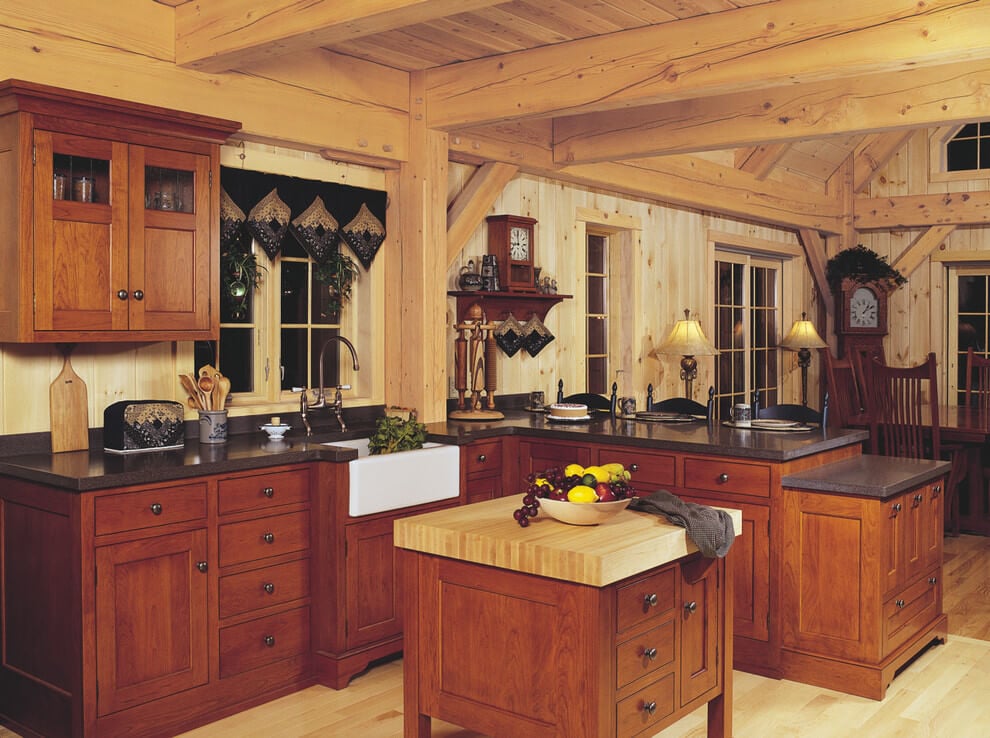
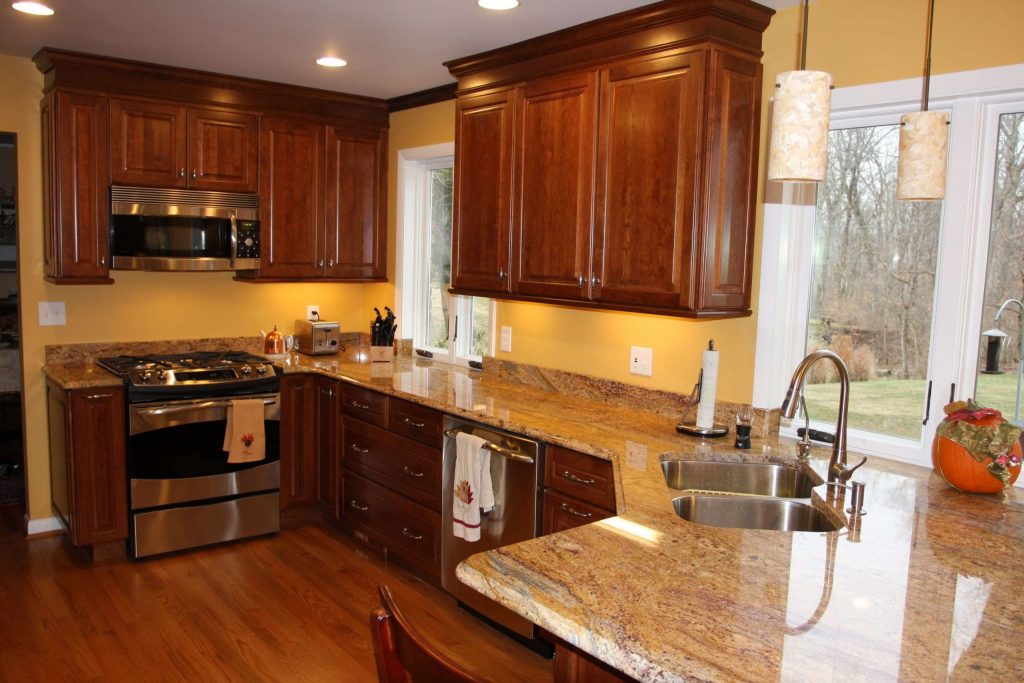
If you’re looking for a vintage-ish kind of kitchen style, then go for a farmhouse style. Just look at this wonderful farmhouse-inspired kitchen. It has the shiny merlot color cherry kitchen cabinets with dark granite countertops. The walls and ceilings are also built from the solid wood to give you the classic farmhouse vibes. 

4. Transitional Style

cherry wood cabinets

source: littlegreenkitchens.com

If you’re an open concept lover, then try to match other furniture pieces in the same color as the cherry wood cabinets. It all creates a spectacular transitional concept between various spaces like dining space to the workspace. Like the above kitchen, it has all the elements in the same color, and the results are breath-taking. 

5. Countryside Style

cherry wood cabinets

source: craftwoodproducts.com

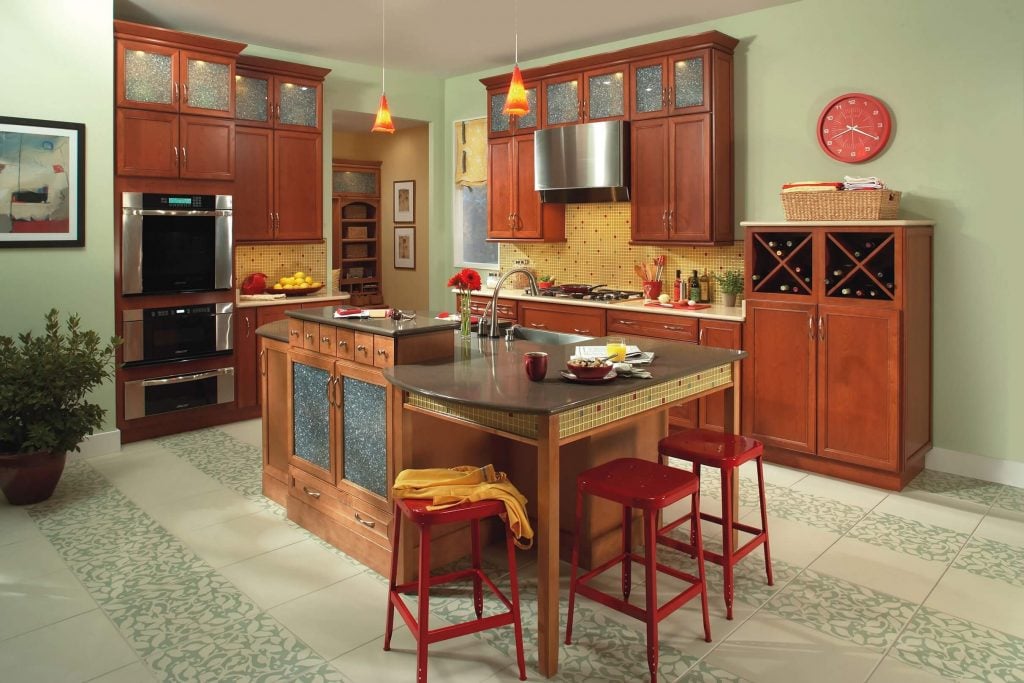
Welcome to the country style kitchen!! The elegant paneled cherry cabinets give a classic yet modern appeal. In the middle is a kitchen island, which also doubles as a dining and additional storage space. But you noticed what is adding more texture and pop of color to the cooking place? The light yellow mosaic tiles!!

6.Traditional Style

cherry wood cabinets

source: pinterest.com

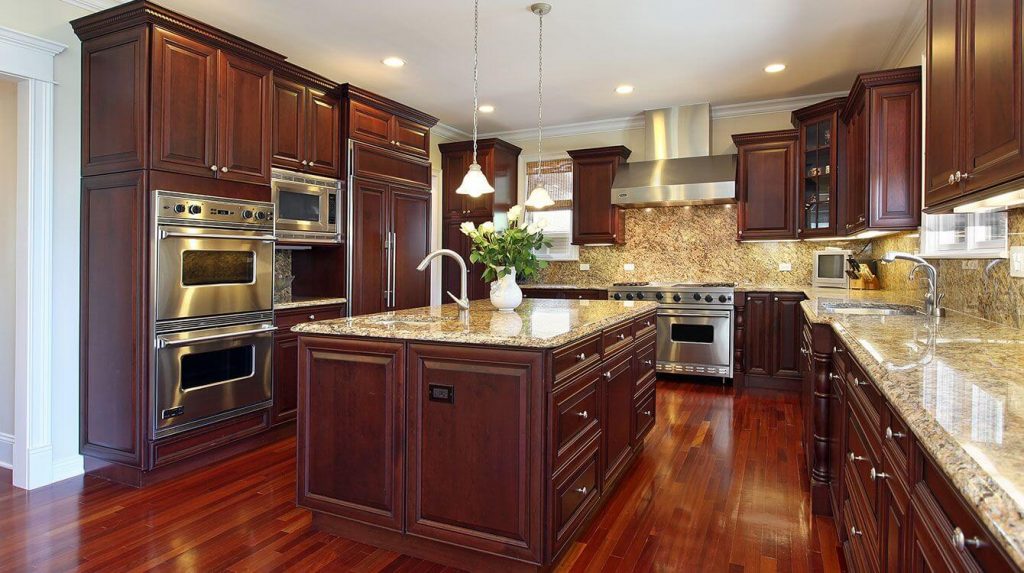
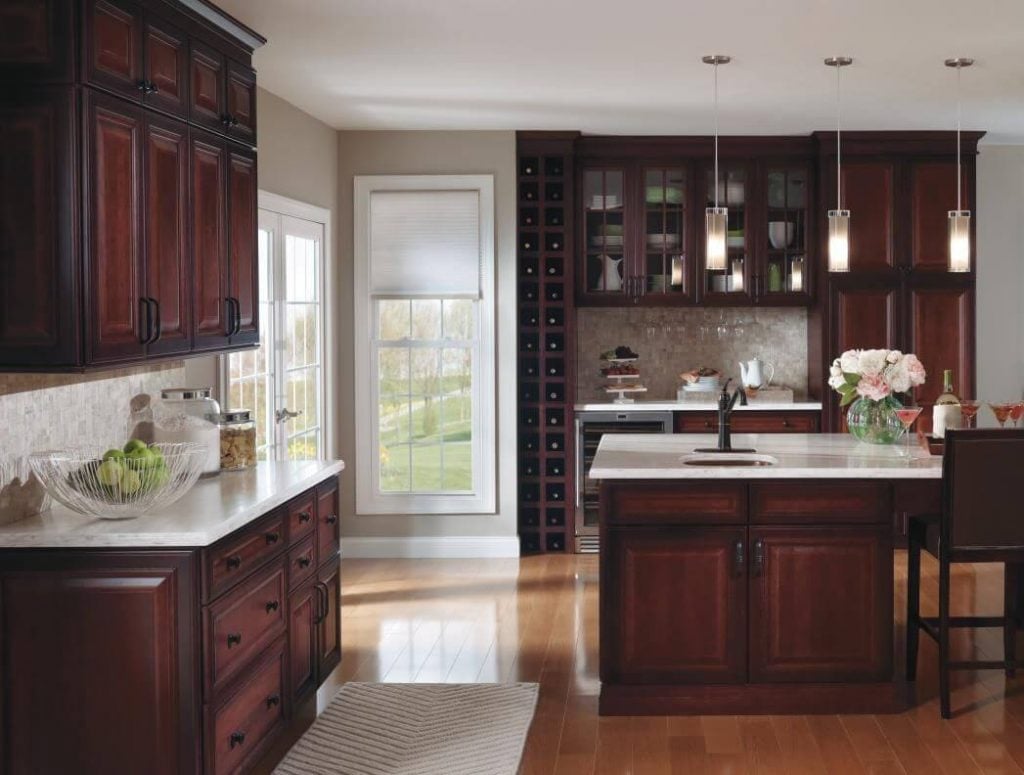
This a traditional style kitchen with all the detailings, and to make it more elegant & classy light-colored countertops are used. Which, by the way, looks absolutely stunning with the dark merlot cherry wood cabinets. Despite the old looks, it also has some modern touches like under cabinets lights, high pendant ceiling lights to help illuminate the working space.

7. Architectural Touch

cherry wood cabinets

source: houzz.com

Are you drawn to the architectural design of this kitchen? Sometimes this style is known as industrial style. From the roof to the flooring, it has rough vibes to it, that’s why it is still in demand. Not only the cabinets but also the flooring is done by cherry wood. Yes, the shiny floors and chairs are also polished in solid cherry wood. Dark cabinets with silver handles make them modern and classy. 

8. Contemporary

cherry wood cabinets

source: hgtv.com

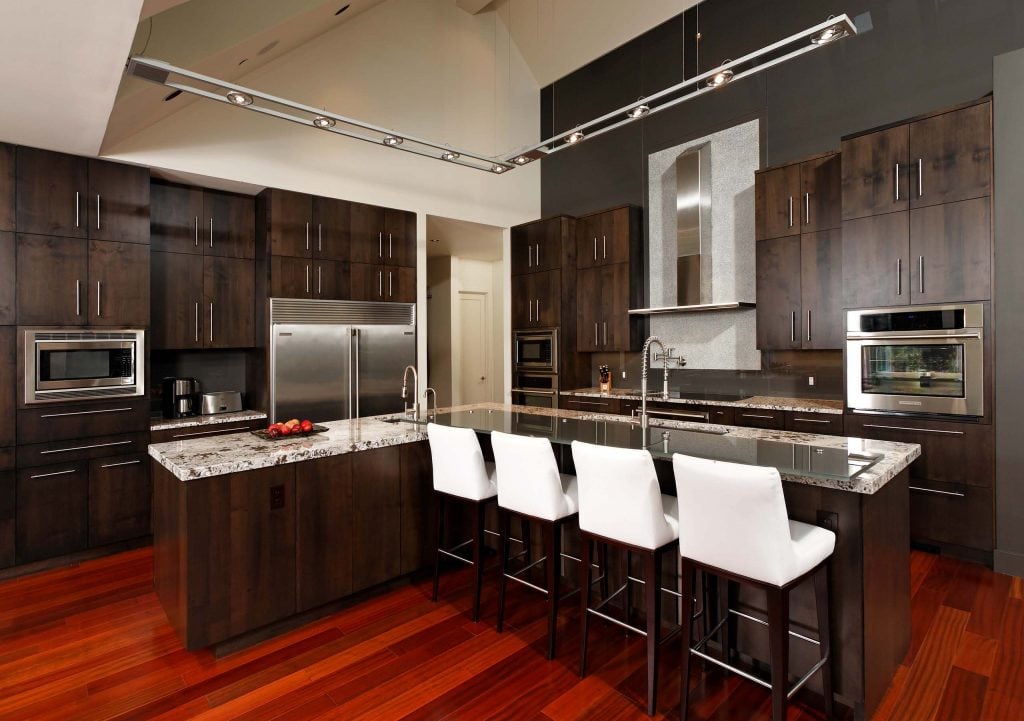
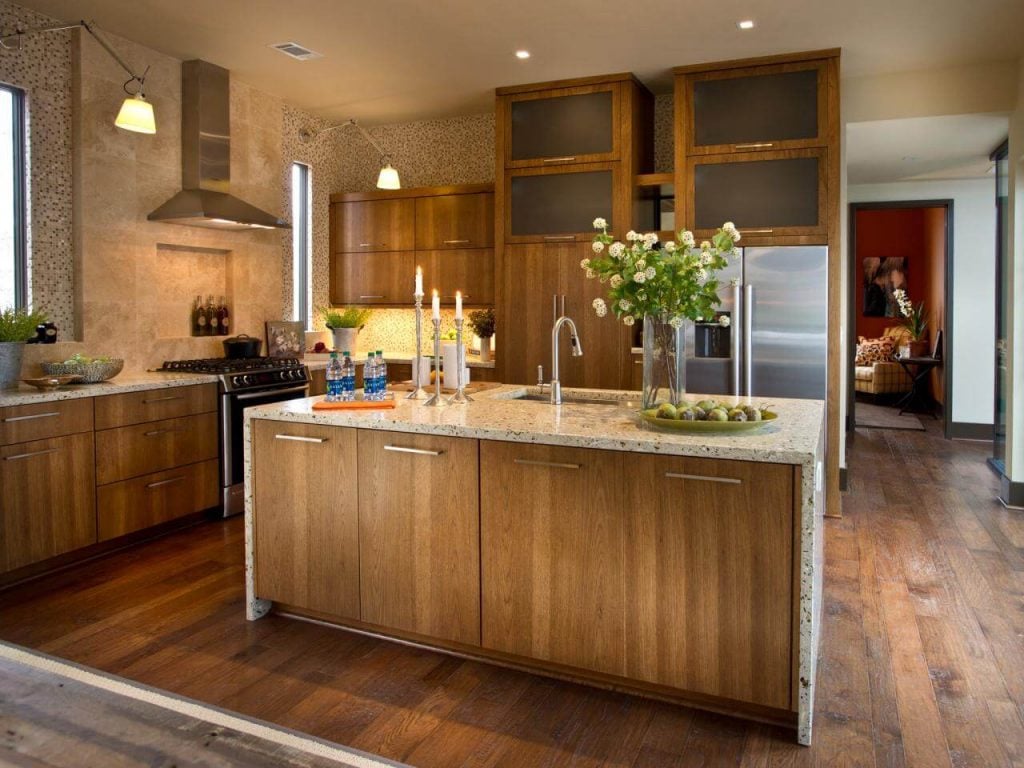
Want a kitchen that has light-colored cabinets and open space? Take inspiration from this kitchen, it has the cherry wood cabinets in natural clear stain undertones. This contemporary style is best for small spaces because the light-colored shelves and the spotted white marble top will automatically make the area more open and airy. It also features the full height length pantry storage & built-in refrigerator and center island to do more kitchen chores. 

Kitchen Paint Ideas with Cherry Wood Cabinets

We all know about how beautiful is the natural deep color of the cheery wood, right? Thanks to it’s red & brown undertones, there are a lot of possibilities in terms of styling and designs. They can go with any color scheme and spread luxuriousness all over the place. 

So if you think which color combinations look best with the cherry cabinets? Don’t worry because when it comes to wall colors, there is plenty of margins, as almost every color looks good with them.

From a classic white color to pastel shades, there are several wall paint ideas that can be explored to match the cabinets. The right color will completely transform the space. You can always select the shade according to the style & aesthetic attribute you’re going for like if you want a modern-looking kitchen use neutral colors similarly for traditional vibes you can paint the walls in deep vibrant colors. 

When you select the right paint color with the right undertones of cherry cabinets, the ambiance of the whole kitchen area will uplift. Still, confused with the color selection? No worries, just scroll down and check out some ultimate color combinations. These color palettes choices will surely help you in deciding the right shade for your kitchen that matches well with the cherry wood cabinets

1. White + Cherry wood Cabinets

cherry wood cabinets

source: adscabinets.com

Most Americans prefer the white as wall color of their entire house. After all, white color is the most versatile & timeless color in the whole color palette. No matter what your decor is, white walls never go out of style. Don’t you agree with this? White walls create the perfect contrast between them & the dark cherry cabinets. 

2. Gray Cherry wood Cabinets

cherry wood cabinets

source: pinterest.com

Don’t want to paint your walls in white color? Then just don’t, instead, use gray color. Nowadays, gray is the perfect alternative for whites. It creates a dramatic effect that is subdued but not overwhelming! If you think beige or white is too boring, then go for this color. Include various shades of gray and create an aesthetically appealing environment in your kitchen.

3. Neutrals Cherry wood Cabinets

cherry wood cabinets9

source: pinterest.com

Love the Monochromatic theme? Black, gray, and beige or nude and sometimes yellow comes under the monochromatic color scheme. They are not only very popular in interior designs but also used everywhere else. Mixing and matching will be the work of a kid if you go with neutral colors (means super easy!).

4. Brown Cherry wood Cabinets

cherry wood cabinets

source: midcityeast.com

San, tan, and light mocha- these are various shades of brown which very well compliments the cherry cabinets. They help in making the place more “ homey & inviting.” the thing with this color is if you’re going to place light-colored cherry cabinets, then select a darker brown color or vice- versa, to match everything perfectly. 

5. Pastels Cherry wood Cabinets

cherry wood cabinets

source: kutskokitchen.com

Light colors are the best choice if you want to add a bit of color, but that is also not too dark. An interesting thing about pastels colors is that they carry both warm & cool undertones such as cool gray, light green, and light yellow. Cool undertones make the wood appear brighter, select according to your taste.

In short, 

White = Makes cherry cabinets appear cleaner and brighter
Neutrals (browns) = Blending, enhances warmness
Complementary Colors (green) = Contrast, drama, makes cherry color pop
Pastels or Light Colors = Tones down the color of cherry wood

Bonus tips for you!

After you decided which colored cherry wood cabinets you want, it’s time to select the best countertops. Yes, you can also match them according to the cabinets. Below are some trendy and stylish looking countertops ideas which can perfectly go with any type of cherry cabinets

  • Light-colored Granite
  • Gold Antique
  • Ivory Brown 
  • Dark-colored granite

“Avoid placing red countertops with red cherry cabinets as it is a clashing combination. The red color overpowers the natural beauty of the wood.“

Always considered the additional elements such as lighting, flooring, appliances, and backsplash. All these things matter equally when it comes to transforming the whole space. If the elements are appropriately chosen, then they produce a cohesive and also represent a well-balanced kitchen design. If your budget doesn’t allow you to go with cherry wood cabinets, then one thing you can do is paint your old cabinets in cherry wood. And if you don’t know How to paint kitchen cabinets, then read our blog on this. 

For more home decoration ideas or office interior designs & decors, feel free to visit Architecturesideas