
Home Blog Page 69

Interesting Ways of Building a House From Around The World

0
Interesting Ways of Building a House

It is interesting how humankind built houses to suit their situations. This is evident with different housing designs and materials used by people in different countries and weather.

For instance, housing built in the Antarctic to keep people warm, or in Egypt, a desert country, where residents need to stay cool. Yet, it must not be forgotten that necessity is the mother of invention. Housing designs have also advanced steadily, with residents using their home sizes and shapes to show their social status.

Building houses has also become more manageable with technological advancements. This article will take you through a journey in history, from ancient ways of building homes to contemporary designs.

Mud Bricks: Ancient Greek and Egypt
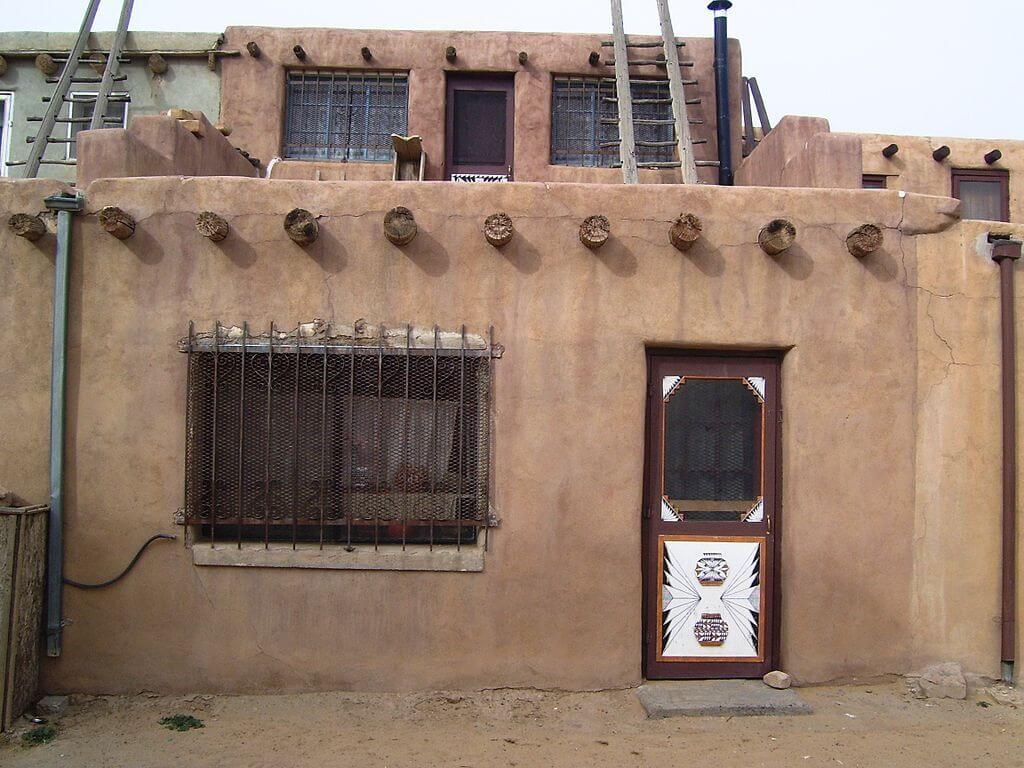
Mud Bricks: Ancient Greek and Egypt

Mud brick housing is one of the most ancient methods for constructing homes. The materials for the bricks are loam, sand, and water, with the roof sometimes made of thatched grass. Ancient Greek insulation and Egyptian homes were made of mud bricks. Apart from their availability, mud bricks were also highly loved due to their coolness.

The homes also had one thing in common; they were not quite durable, with most homes having to renovate constantly. This issue is evident with the old ruins of the ancient Greek houses and temples and the artifacts they used. Learn about the history of their artifacts here www.learning-history.com.

Rammed Earth: China
Rammed Earth: China

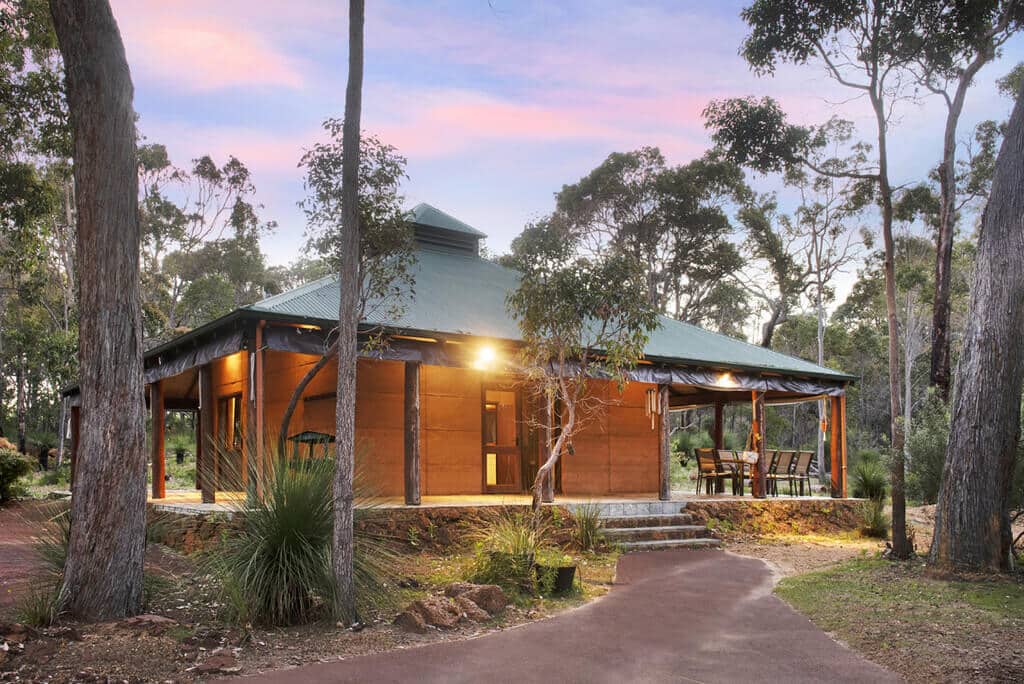
Rammed earth was a common ancient house construction method that utilized chalk, lime, and gravel. Buildings made of rammed earth date back to the neolithic age, with the Chinese people. This construction method was even utilized in the construction of the great wall of china.

Rammed earth is still used to date in the construction of contemporary houses in areas experiencing high humidity and average temperatures. It is also highly advocated for its sustainability, as it does not emit harmful waste. However, this construction method could be better for areas experiencing high rainfall and colder temperatures, needing additional protection to insulate heat loss and rain.

African Layered Mud Housing
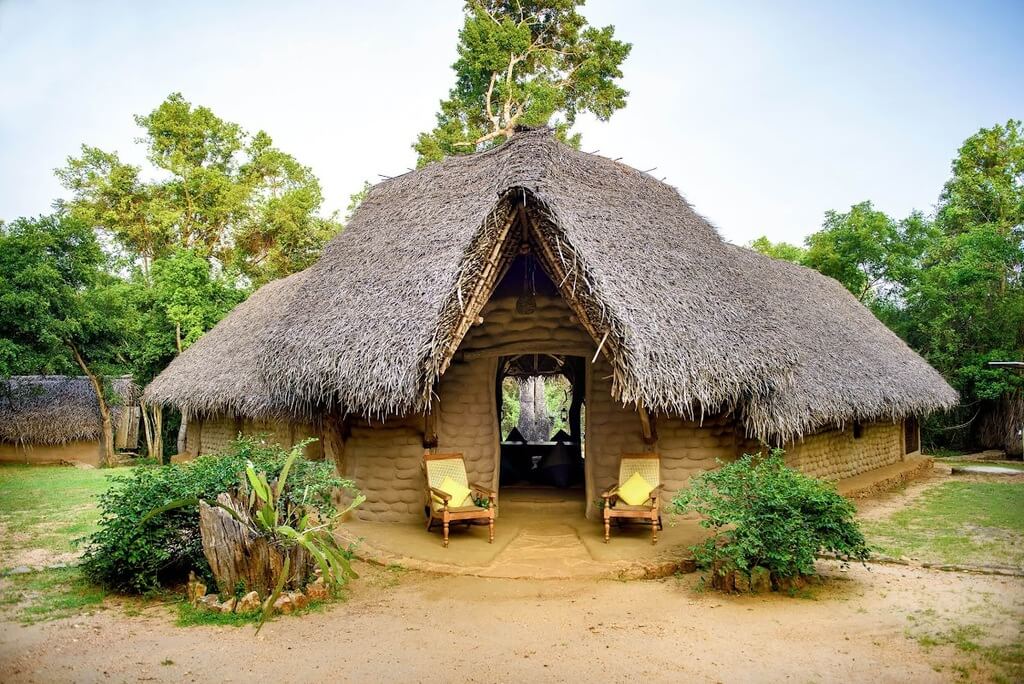
African Layered Mud Housing

Mud Houses are prevalent structures all over the African continent. The houses are typically circular, made of locally available clay soil that can be combined with cow dung and straws that act as binding elements to the clay. The roof is made of dried thatched grass or reeds. These houses have different names, from the manyattas of the Maasai in Kenya to the rondavels of southern Africa.

These houses are excellent for hot weather, as they are cool. They are also excellent shade during the cold and rainy season and are easy to build, with one mud housing taking at least one week to erect. This type of housing is, however, nowadays associated with poverty, as more and more Africans adopt the westernized form of housing, using stones and cement.

Bamboo and Stilts: Asia
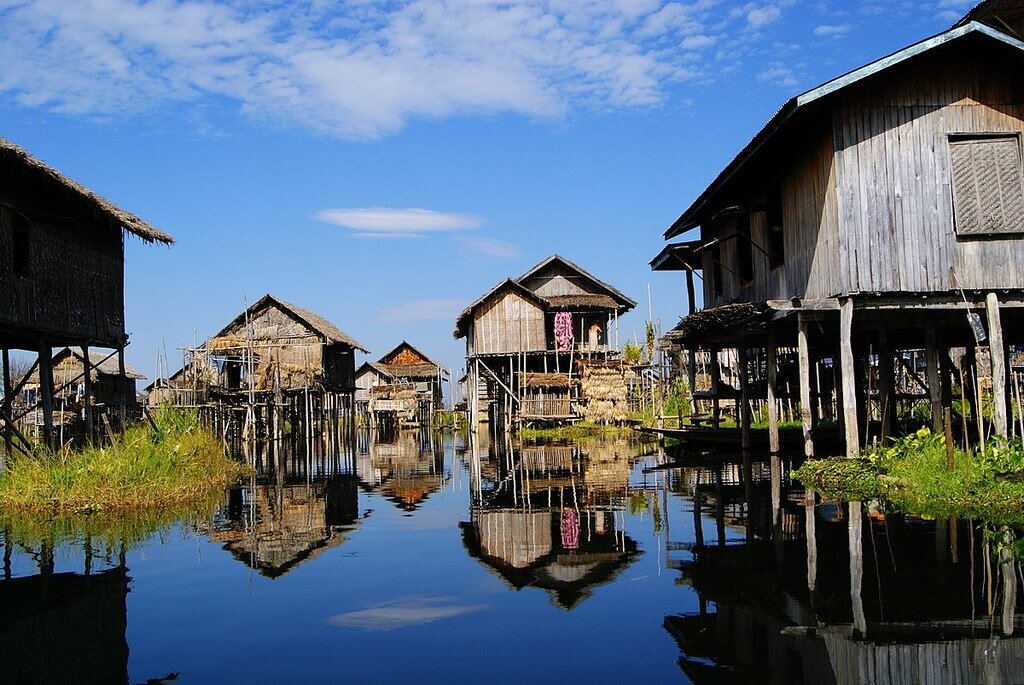
Bamboo and Stilts: Asia

Bamboo and stilt housing was and is still common in parts of Asia like China, Thailand, Myanmar, and Bangladesh. The bamboo tree was a locally available material for the residents and provided durability. The Asian continent is also adorned with many rivers, and most land is low-lying. It is why many Asians living in areas that often flood or living near rivers to practice fishing use stilts to raise their homes above the ground, which is protection against flooding.

The bamboo and stilt housing design are today quite common as contemporary housing for luxurious exotic hotels in places such as Bali and the Caribbean. Many tourists love this housing design as it helps them feel more connected with nature. It is, however, interesting to see how much a night in those hotels is worth, while the form of housing in other parts is free and associated with non-civilization.

Layered Stones Colchians: Ireland
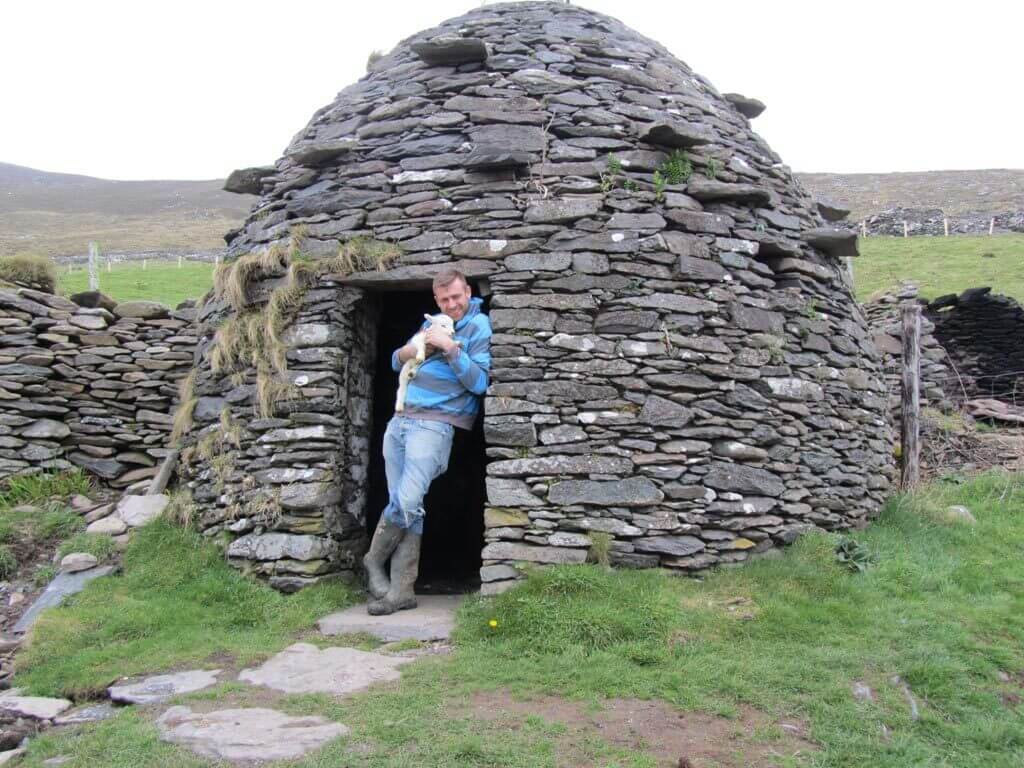
Layered Stones Colchians: Ireland

This form of housing was most common among the Celtic community in southwestern Europe and some parts of central Europe. The homes are also known as beehive huts and are said to date back to 700 BC.

These homes were primarily round or rectangular-shaped, with a corbelled dome-shaped roof. They were around 1.5 meters tall and usually had a small rectangular doorway. The remaining clachans could be located in locations such as the church islands in the dingle peninsula, southwest Ireland and Iona on the Scottish island.

Mangrove Homes: Ecuador

Mangrove Homes: Ecuador

These homes are mostly the face of Asian and South American countries such as Ecuador. Mangrove as a building material is highly preferred as the plant is resistant to rotting and attacks by insects, proving to be durable. The homes are a typical go-to material for communities living near salty water bodies, as that is where the mangrove trees grow.

Like bamboo and stilt, the material is used in constructing exotic luxury hotels almost on every coast and is worth a fortune.

Palm Frond Houses: India

Palm Frond Houses: India

Communities in parts of Asia have been weaving their way into their homes for the longest time. Houses made of palm fronds are surprisingly quite durable, lasting at least 20 years. They do, however, need structural support from beams to enable them to weather rainy days.

Luxurious hotels also use palm fronds to thatch their roofs, which proves attractive, economical, and environmentally sustainable.

Palm Frond Houses: India
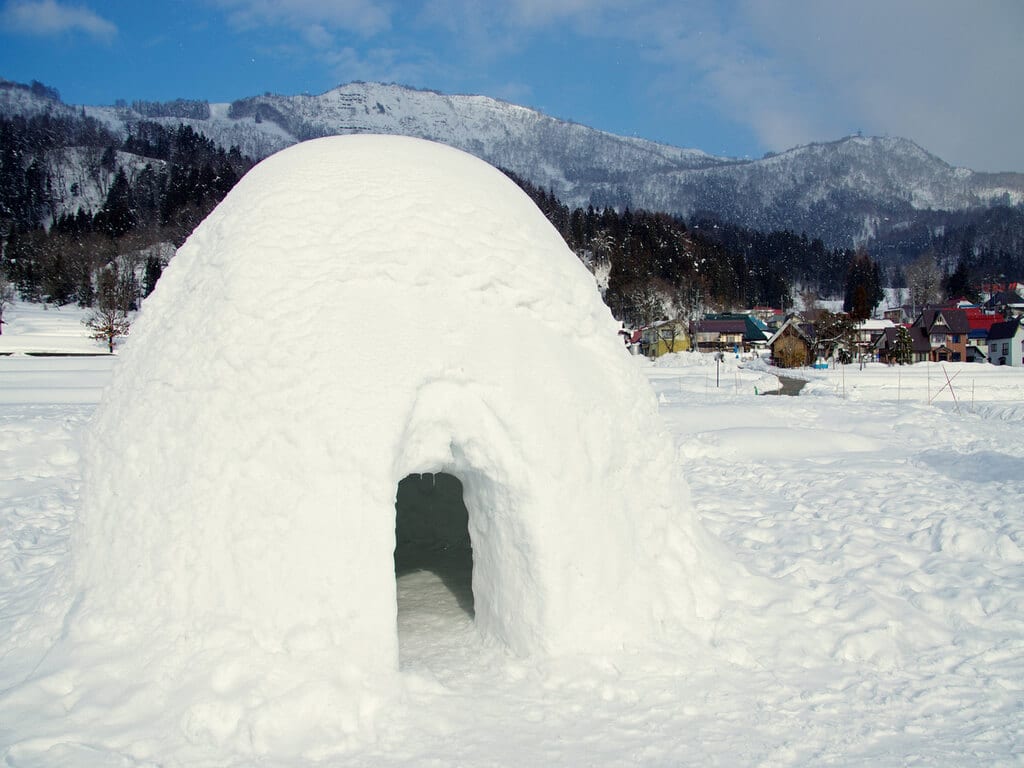
Palm Frond Houses: India

These houses defy human logic, as they are built using the same thing residents are trying to protect against. The houses are typical in icy places such as Canada and Greenland.

The houses are made of compressed snow, which is an excellent insulator. They are, however, relatively small, only able to house a maximum of five people. They are also a form of temporary housing used mainly by hunters. 

Korowai Tree Houses: Papua New Guinea
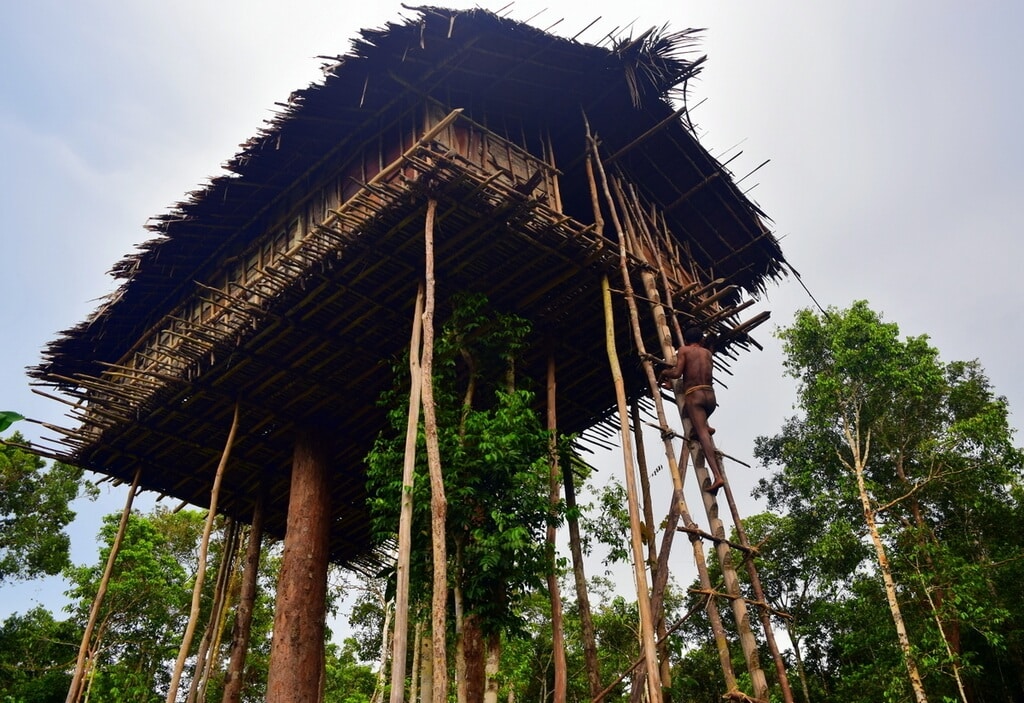
Korowai Tree Houses: Papua New Guinea

These houses are named after their inventors, the Korowai tribe, which is found in Papua new guinea. The houses are tree houses, having been raised at least 12 meters above the ground. In a real-life jungle story, the Korowai community gets their livelihood from the forest, including materials used for their homes.

Their homes are built from tree branches and the bark of the sago tree, and they may sometimes use long bamboo poles to erect their houses. These houses are strong, quite durable, and house a maximum of 12 people. 

Modern Geometric Housing
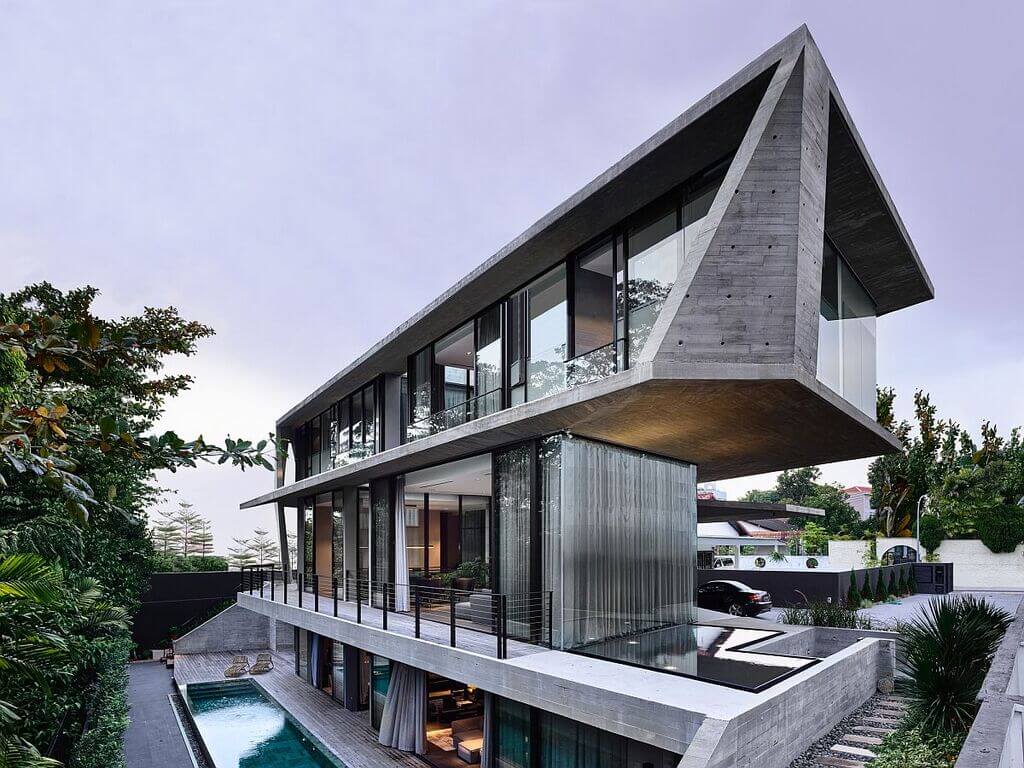
Modern Geometric Housing

Geometry is the foundation of everything nature has to offer. It is visible with all structures from the Korean hanoks, the British brick-walled buildings, and the Georgian suburban homes. That said, many architects from the beginning of time have used geometry to emphasize the beauty of their homes.

Many architects have also used geometry to ensure the structure of tall buildings is not compromised and to design contemporary homes that maximize space.

Designing a house is no longer what it was, as a century ago, designs were done by hand, making them tedious and causing a lot of miscalculations. Nowadays, however, technological advancements have allowed architects to design using software that can also be used to test the durability of the planned structure.

There has also been 3d printed homes technology that uses geometry to reduce the time it takes to erect a house.

Boat Housing
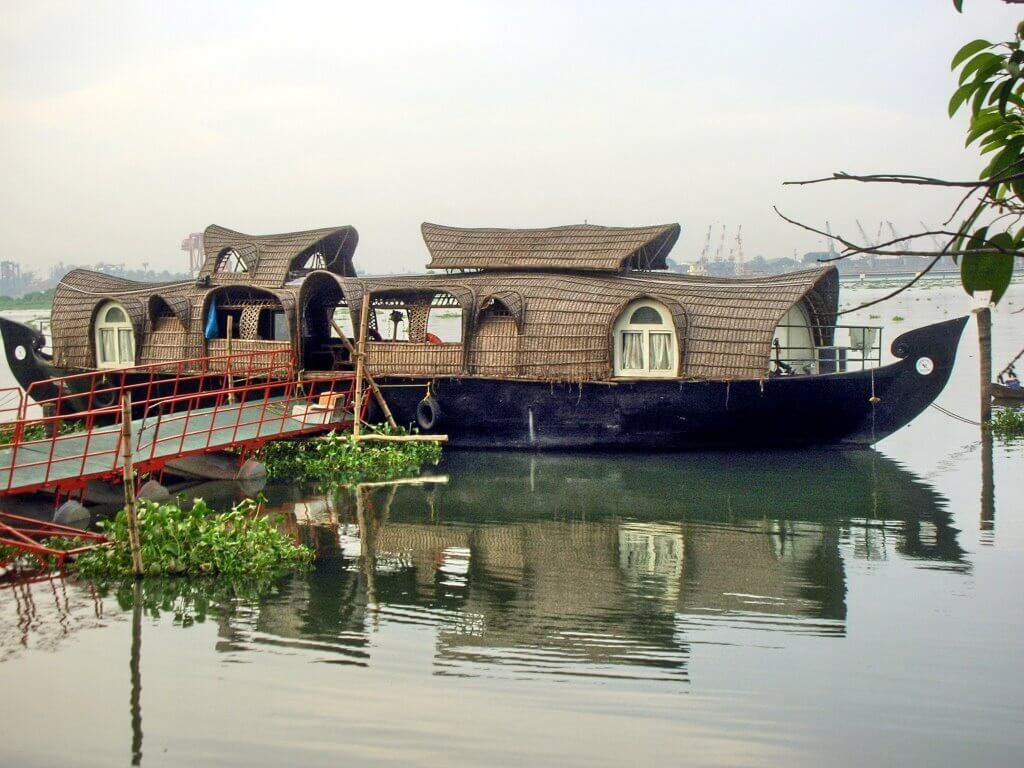
Boat Housing

Living on boats has been practiced since the beginning of trade. This housing was purely out of necessity, unlike today, where living on boats is more of a luxury. If you love water, this form of accommodation is for you. There are boating communities all over, almost like estates for houses. This type of housing is also preferred by people looking to live a modest life, away from all the mortgage loans that cripple their financial status. 

If you are on the upper ladder of the financial population, having a boat for you and your friends to spend vacations in is also an excellent idea. It allows you to disconnect from your busy life and enjoy the blue or green waters.

RV Living
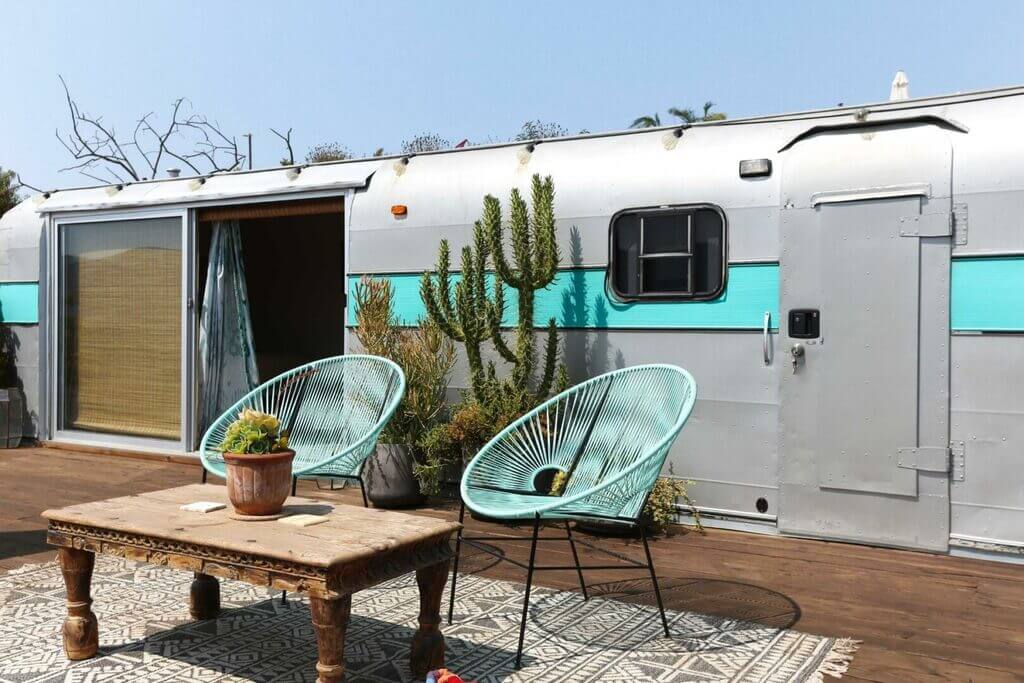
RV Living

Many people love traveling; as such, they have invested in living on trailers that attach to their cars, providing comfort even on the road. Some have fully transitioned to living in an RV to cut on their financial uses.

Another beauty of living in an RV is that it is self-contained in a small space. It has changed the game for car manufacturers now coming up with new RV models daily to suit all clients. Other manufacturers benefiting from this shift are the toilet guys that are coming up with competitive waste management systems for people living in their RV 

Tiny HomesConclusion
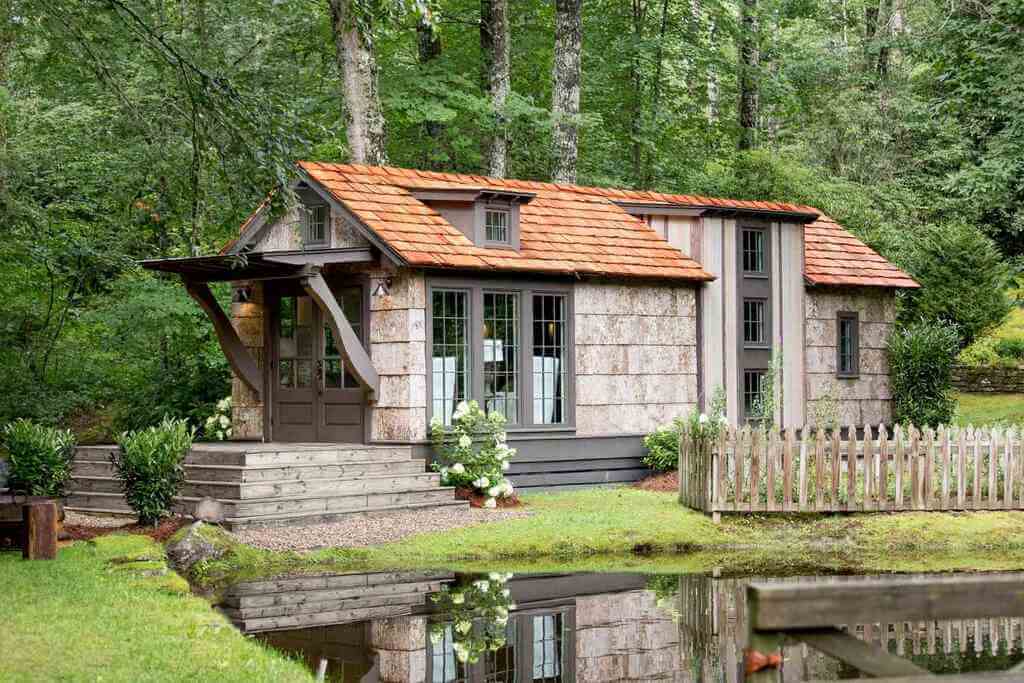
Tiny HomesConclusion

Having gained popularity over the past few years, everyone seems to be moving to a tiny home. Some people construct their small homes using shipping containers, and others on movable wheels to make traveling a possibility. It could be associated with the financial crisis going on in the world or even the realization that less could be more. Tiny houses and technological advancements make them more interesting to look forward to. 

Conclusion

House construction has gone through massive changes since humanity started living in them. These housing techniques are an excellent inspiration for techniques yet to be discovered. There is, therefore, more option for people to build houses worldwide. The time taken to design and build homes has improved.

What building technique do you consider the best and why? Let us know in the comment section

Keep reading:-
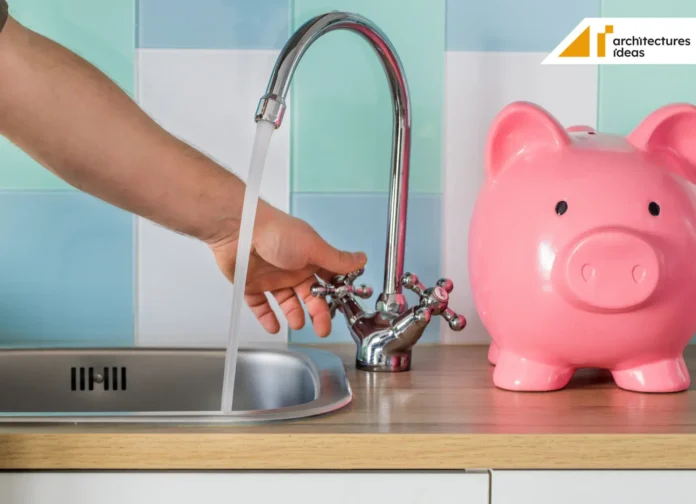
Great Tips That Reduce Your Water Bill This Year

0
reduce your water bills

One of the most common concerns for many homeowners is the rising water bill cost. Each month hits you with a hefty bill, and it can often seem like there’s no way to get around it. Note that you should also be concerned with the high impact on the environment and water resources. Fortunately, they’re simple strategies to lower your water bill each month. Here are great tips that will help you to reduce your water bill this year.

Carry Out Regular Inspections

Carry Out Regular Inspections

Plumbing inspections by experts such as Milestone Home Service Co. will detect potential problems in your plumbing system before they become more extensive and expensive. During a review, the technician will look for water leaks that could be causing your water bill to be higher than usual.

The plumber will also determine whether it’s time to replace some or the entire system to keep it in optimal condition. A complete plumbing system replacement could save you hundreds or even thousands of dollars on water bills.

Take Care of Issues Fast

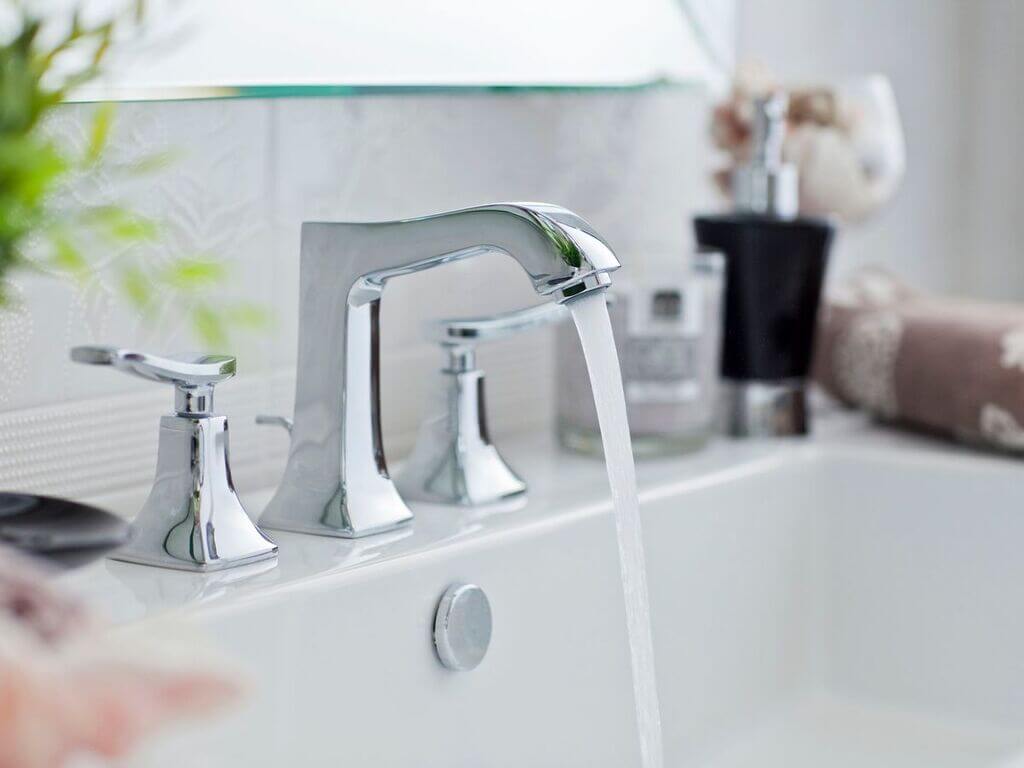
Leaky faucets and showers are some of the most common issues that lead to higher water bills. The longer you wait to repair them, the more water and money you waste. Note that a small leak or drip can waste up to 3000 gallons of water annually. Have you discovered a toilet that will not stop running? Are some of the faucets dripping? If so, don’t wait for a more significant problem to call the plumber.

Mold on the walls, wet patches in the yard, and puddles on the floor are signs of potential leaks and other plumbing issues. Leaks can also cause more significant damage and interfere with the structural integrity of your home.

Install Low-Flow Fixtures

Install Low-Flow Fixtures

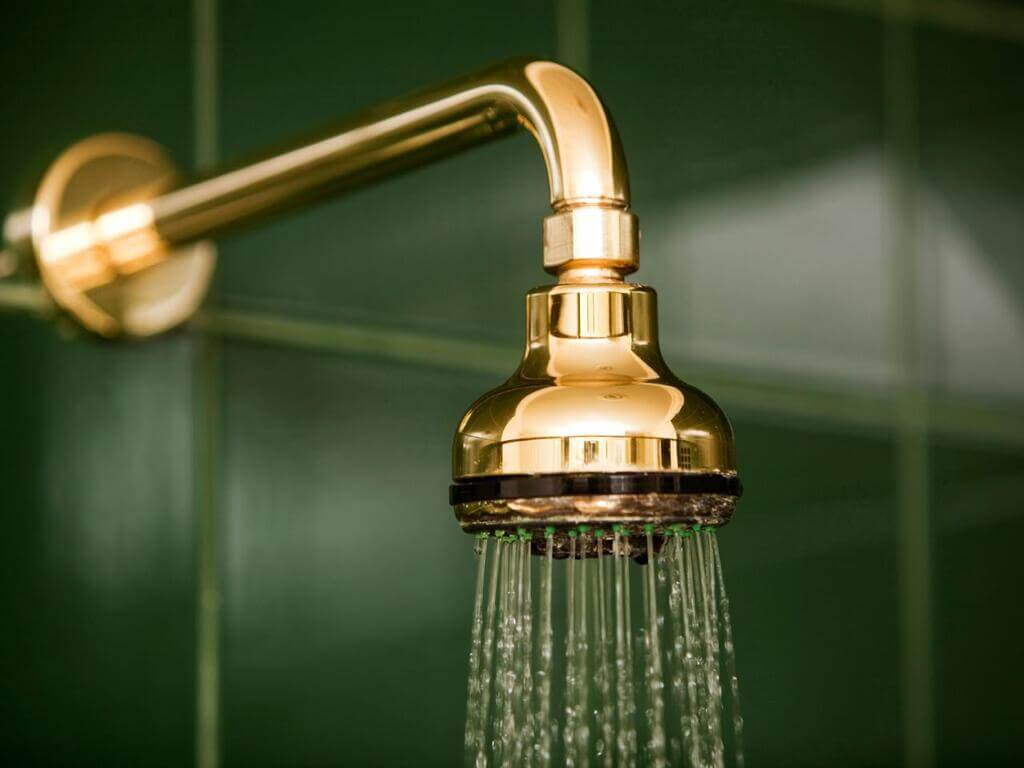
Low-flow fixtures save water and money. You can install low-flow showerheads, toilets, and faucets. These fixtures reduce the water you use for showers, bathrooms, and other uses. The savings on your water bill will quickly offset the cost of installation. 

Consider partially replacing your fixtures if you can’t afford a total replacement. Alternatively, replace the older, faulty ones. Switching to high-efficiency toilets will reduce water usage by more than 30%. Other suggestions are:

  • Take shorter showers
  • Don’t leave the water running when brushing your teeth
  • Use a bucket when washing your car instead of a hose
  • Don’t wash dishes with running water
  • Store cold water in the fridge instead of running the taps until the water is cold

Invest in a Smart Meter

Smart meters allow you to track monthly water consumed and identify potential issues. With a smart meter, you can quickly identify the areas where you use more water and make changes to save money. 

Install a Rain Barrel

Install a Rain Barrel

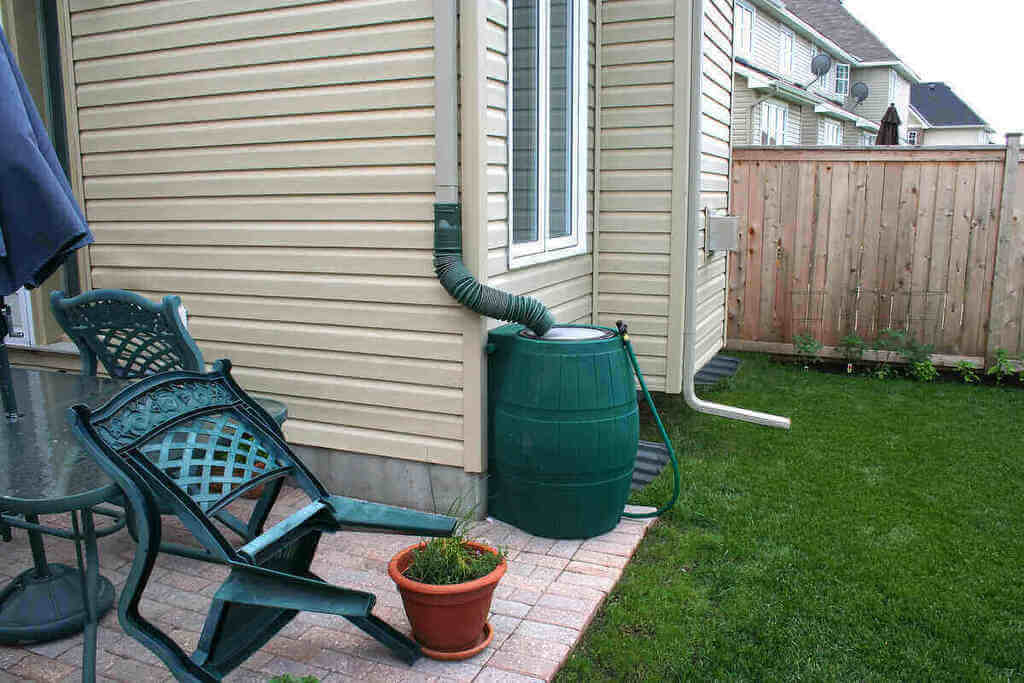
Rain barrels collect rainwater for various uses. Use the water in the garden to water your plants and flowers without relying on tap water. Rainwater is also great for washing your car, flashing toilets, filling the pool, and taking a shower. Collecting rainwater might seem like a lot of work, but it pays off in the long run.

Invest in a Water Softener System

A water softening system is an excellent way to reduce water usage as you’ll use less water when cleaning. It also prevents hard minerals from building up on your plumbing fixtures. Softened water feels better when taking a shower or doing laundry.

Install Water-Saving Devices

Install Water-Saving Devices

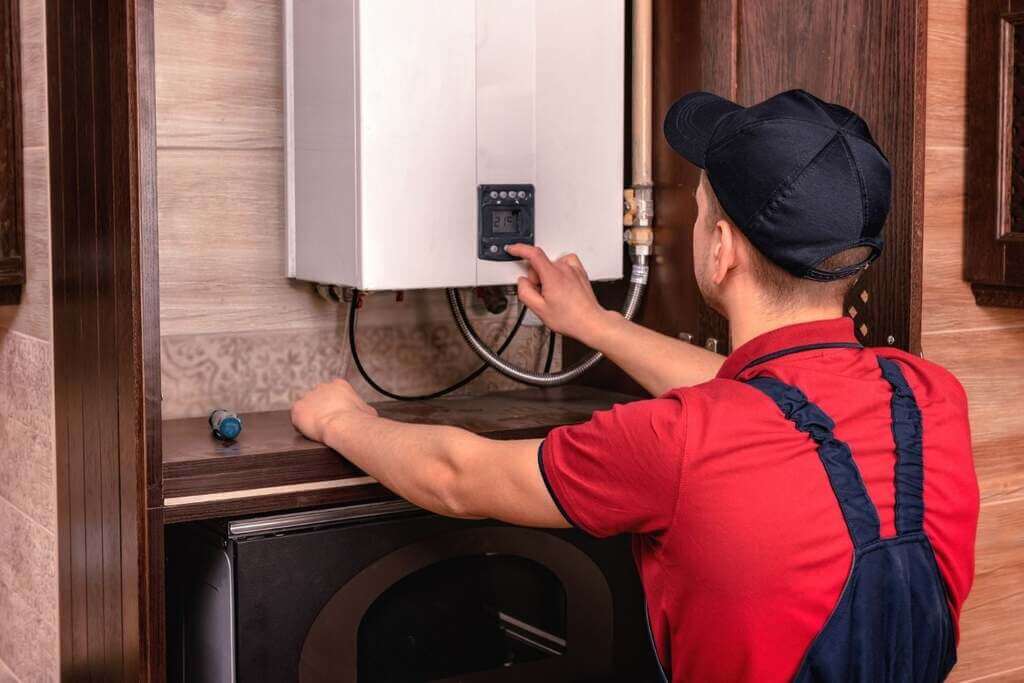
Water-saving devices are great investments for your home that could save you hundreds of dollars on your water bill. Consider a tankless water heater and timer controlled valves for outside faucets. Motion sensor faucets prevent water wastage by stopping the flow when not in use.

Don’t Water the Garden Too Much

Watering your garden keeps your plants healthy. However, you might end up wasting a lot of water. Note that different plants require different amounts of water. Check the requirements and adjust your watering routine accordingly.

Mulching the garden and using a hose to water plants directly will minimize water wastage. Mulching prevents moisture from evaporating quickly, making it easier to water precisely. It also insulates the soil and keeps the weeds away.

Wash Clothes and Dishes on a Full Load

Wash Clothes and Dishes on a Full Load

Doing half loads of dishes and laundry consumes a lot of water and energy. To reduce water consumption, wait until you have a full load before running the washing machine or dishwasher. Because hot water uses more energy and increases your water bill, switch to cold water.

Recycle and Reuse Water

Collect wastewater from showers, sinks, dishwashers, and other activities and reuse it for something else. You can also install a greywater tank to collect wastewater from your sink, laundry machine, and shower. Use the greywater to water plants or flush toilets.

The Effort Pays Off Eventually

These are just a few ways to save water and money in your home. Note that every effort protects the environment, making this planet a better place to live. Let the whole family understand the importance of water conservation and practice it daily. You’ll start saving money in no time.

Discover More

A Detailed Guide for Winning More Construction Bids

0
Construction Bids

Construction bidding is a process through which companies and contractors win projects. You may have the expertise to carry out a construction project effectively—however, bidding works quite differently. Check this link for more information on how to find construction jobs to bid on.

If you have been struggling to win construction bids, follow the 10 tips in this guide to make things easier for you and your team. 

10 Tips for Construction Bidding

Although construction bidding is crucial, many contractors don’t follow a pattern and lose projects. That also wastes the company’s time and money. To avoid all these mishaps, follow these 10 tips to make a powerful construction bidding proposal:

1. Bid on the Right Project

Construction Bidding : Bid on the Right Project

Remember that not every project is for you. Many contractors without experience think bidding on every project will get them the job. But unfortunately, this approach yields them nothing.

The construction industry is diverse, and every project differs from the others. That means you must invest good time in the following for each project:

  • Research – Understand the type of project and analyze the requirements
  • Project scope – The construction activities of the project
  • Regulations – Legal requirements by the metropolitan and development bodies
  • Requirements – Client’s requirements in the bidding stage

So, bid on the right project after gathering all the details relevant to your expertise.

2. Visit the Construction Site

The paperwork is not enough to help you understand the project’s requirements. You must visit the construction site and observe the situation.

Another advantage of visiting the job site is you will attend the pre-construction meetings with the client and managers. Some clients make it mandatory to attend these meetings. Otherwise, you will not get the job.

Therefore, go to the construction site and attend the meetings. That will help you understand the project better and build a strong network with the client.

3. Measure Accurately

Construction Bidding:Measure Accurately

The client expects to see the right estimate of the construction measurements, for example:

  • Area – Land’s area for activities like excavation
  • Volume – Space required to install an object
  • Weight – The weight of the resources like cement, sand, and iron

You can only roughly estimate these values as the client asked in the requirement. But be careful when writing the measuring units. For example, write the final draft in meters if you use meters. Similarly, use grams if you use grams throughout the document.

Even the slightest mistake in the measurement can make you lose the project, as it shows carelessness.

4. Create a Risk Plan

According to a study, construction workers have a 75% chance of experiencing a disabling injury over a 45-year career. That’s why the construction industry is notorious for the workers’ health and safety.

Due to this reason, the client wants you to highlight the risk factors and make an assessment. You can pick previous construction studies and prepare the risk document to satisfy the client’s requirements.

You must remember that risks are unexpected, and no one can avoid them. Nevertheless, making a sound risk plan is the best way to mitigate the risks.

5. Consider Your Profit

Construction Bidding : Consider Your Profit

You must consider your company’s profit while estimating the costs because it’s about surviving in the market. Although lowering the cost can get you the job, that doesn’t coincide with your company’s financial goals.

The three highest costs include:

  • Equipment cost – Buying or renting construction equipment
  • Subcontractor cost – Subcontractors’ pricing
  • Wages – Daily wages of the laborers

So, give leverage to your company and balance the costs so that the client doesn’t find the bid expensive and you don’t face a loss.

6. Mention Your Qualifications and Skills

Many clients want to know the contractors and their expertise, but they barely mention that in the requirement document. However, you must summarize such details and include them in the bidding proposal.

Qualifications and skills weigh similar to the cost you ask for the project, and some clients appreciate qualified contractors. Remember to include proof with each qualification or skill to help the client easily validate your credibility.

7. Follow the Client’s Requirements

Construction Bidding : Follow the Client's Requirements

The client’s requirements are carefully analyzed as they include the format of a bidding proposal. Usually, companies publish a Request for Proposal (RFP) which outlines the project requirements and asks for bids.

So, you must carefully read the RFP and follow the details included in that document while preparing the bidding proposal.

8. Invest in Technology

Since technology has made its way into every industry, it’s better to invest in modern construction tools to simplify the bidding process. These tools can provide you with the following features:

  • Scheduling – Create the project schedule and make a timeline for all construction activities
  • Budget estimation – Estimating project costs after submitting the construction input factors
  • Resource management – Manage resources to utilize them and improve savings efficiently

9. Check Your Bidding Document Before Submission

Construction Bidding : Check Your Bidding Document Before Submission

Once you have completed the bidding proposal, thoroughly check it. Then, again, check it and compare it with the RFP. You can also get help from another contractor or construction manager to review the bidding document.

Some clients don’t tolerate even the slightest mistake and will reject your bid once they find one. Therefore, it’s better to be cautious than to be rejected.

However, you must be prepared for anything because sometimes it’s just not your day, or someone else has submitted a better proposal than yours.

10. Submit the Bidding Proposal Before the Deadline

Finally, submit your bidding proposal before the final date. For example, if the proposal submission is January 2nd, submit your proposal before January 2nd. That will leave a good impression on the client.

Another advantage of early proposal submission is that your client will filter your document and label it as a priority because it’s submitted before the final date. So, follow our tips and tricks to create a winning construction proposal and submit it before the deadline to get the job you want.

Conclusion

Construction bids are getting more complex with the advancement in the industry. But if you follow the right pattern during the bidding process, you can keep your company alive in the market. So, implement the above bidding tips to boost your bid-hit ratio and stay one step ahead of your competitors

Continue reading:-

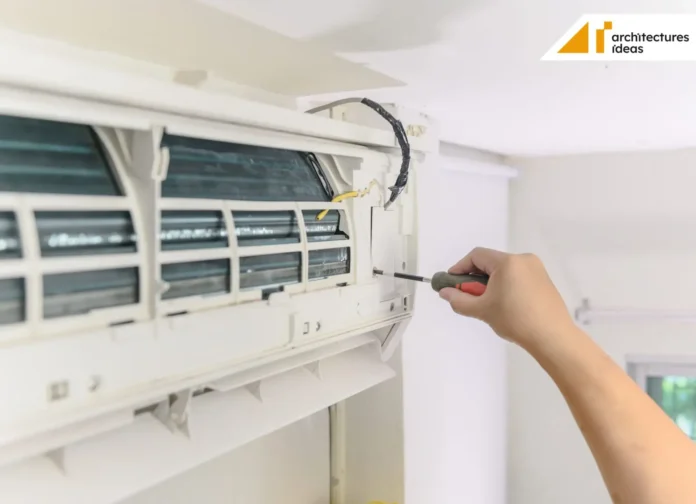
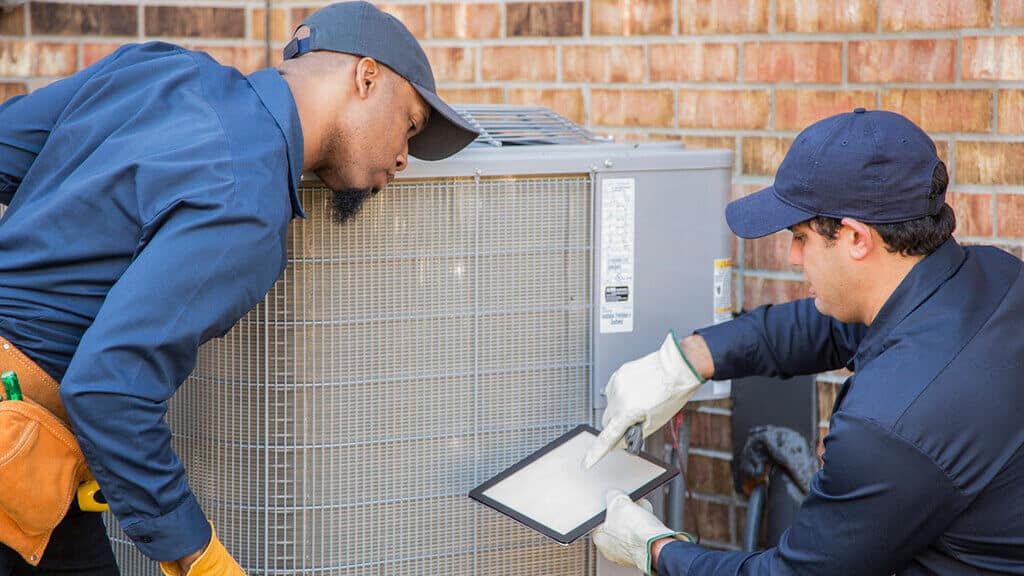
Can I Repair an AC at Home? Why Should I Call a Contractor?

0
Repair an AC

Everyone expects their A/C to be working at all times, cooling the house to the temperature they like. However, despite your best intentions, air conditioners do break down. When this happens, it disrupts the routine of the entire household and the idea of calling in a professional to repair your air conditioner may seem like something you want to postpone as much as possible. Still, you know that your A/C is an expensive piece of equipment and, before attempting any DIY, it is important to know how far your skills go when it comes to dealing with a complicated system.

Let’s find out what sorts of repairs you can carry out and when there is no better option than to call in the professionals.

DIY AC Repair

DIY AC Repair

Before attempting to repair your own A/C system, make sure to have the right tools and parts for the job. You also need to have the skills to do a bit of troubleshooting to diagnose the exact problem before starting to work. If you have doubts as to your diagnostic abilities, it may be a better idea to hire a licensed HVAC contractor to fix the problem rather than doing it yourself and making matters worse.

Some Tools You May Need

  • Cordless drill
  • Voltage tester
  • Adjustable wrench
  • Insulated screwdriver set
  • Pliers
  • ¼” nut driver
  • Channel locks

Some Parts That Your May Require

  • Capacitor – Find out your unit’s model and serial numbers before ordering it.
  • Compressed air or water hose
  • Condenser fan motor – Also verify the unit’s model and serial numbers before purchasing it.
  • Fuses or circuit breaker
  • Contactor

Before starting to repair an AC, consider again whether you would feel comfortable working around high-pressure refrigerant and electricity. If you have doubts, it is better to be cautious and get a local A/C technician to carry out the work.

Diagnosing the Problem with Your A/C

Diagnosing the Problem with Your A/C

In order to properly identify the reason why your A/C is not working, start by making sure your thermostat and furnace are working as they should. Check the thermostat and confirm that it is set to cool and to a reasonable temperature for the compressor to start working. If that does not give you the cool air you want, the issue may lie with the thermostat or the furnace. Before attempting to fix this, remember to turn the power off!

Other Issues That May Be Preventing Your A/c from Cooling May Be:

  • Lack of return air
  • Plugged air filters
  • Plugged evaporator coil
  • Failed capacitor
  • Failed contactor

If this is looking like it’s way over your head, you may do yourself and your A/C unit a favor and call a professional HVAC contractor to diagnose the problem and do the repair.

Main Reasons Why You Should Call an A/C Technician

Main Reasons Why You Should Call an A/C Technician

These are just some of the problems your A/C technician can get your unit up and running for you.

Poor Airflow

If you notice that the flow of air coming out of your Air conditioner unit is either weaker than usual or has stopped, the issue may lie either with the system’s compressor or with the air ducts.

Warm Air Is Flowing

The last thing you want on a hot day is to feel warm air coming out of your vents. This may be signaling that the compressor is not working or that there is not enough refrigerant in the system. There may also be a leak in the ductwork that is allowing outdoor air to come in.

Unusual Odors

Unpleasant odors coming out of the A/C are never a good sign. The cause may be damage in the electrical wiring which calls for an urgent professional repair expert before a fire can start or it may smell for many other reasons.

Weird Sounds

You probably recognize that your A/C sounds loud on a daily basis. When clicking sounds start they may mean that there is an obstruction in your fan or maybe that there is an electrical issue. A screeching sound may mean bad bearings and squealing noises may indicate a problem with the belt.

Don’t experiment trying to fix a piece of equipment that is more complicated than you may realize. Call an expert and keep your air conditioning system running as efficiently as possible for many years to come. And when a repair is no longer an option because of the age of the system or due to repeated need for repairs, a specialist can point you in the right direction when you must have the A/C replaced.

Continue reading:

Qatar World Cup Memorial Tower by Architecture Studio Week

0
Qatar World Cup Memorial Tower

There will never be a building for a memorial to World Cup migrant workers who have lost their lives in Qatar!

During the construction of Qatar’s stadiums for the expected FIFA World Cup 2022 World Cup, many migrant laborers perished. And, Architects of Paris, Week Architecture, suggested a memorial monument in 2014. It is in honor of the migrant laborers who lost their lives.

Entitled the Qatar Cup Memorial, it draws attention to the total number of unpredicted deaths connected to the construction of structures. While the number is still unknown, it makes us think about how a great tragedy surrounds an iconic event that is a glorious celebration internationally.

Design Concept of Evolving Tower – Qatar World Cup Memorial 

Qatar World Cup Memorial – Architects of 1 Week 1 project has presented a “spontaneous architecture” design in one week, which reflects the severity of the humanitarian loss.

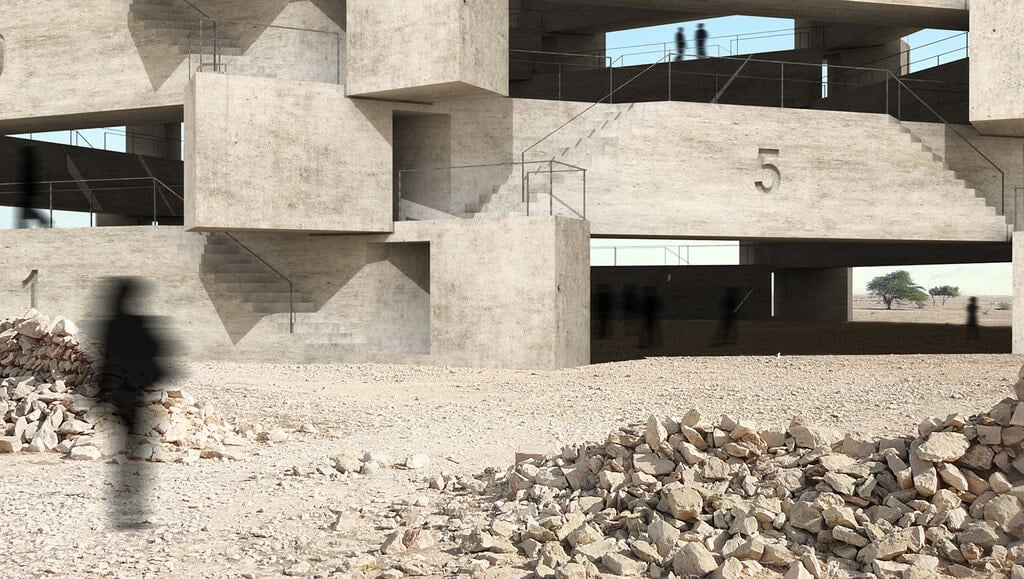
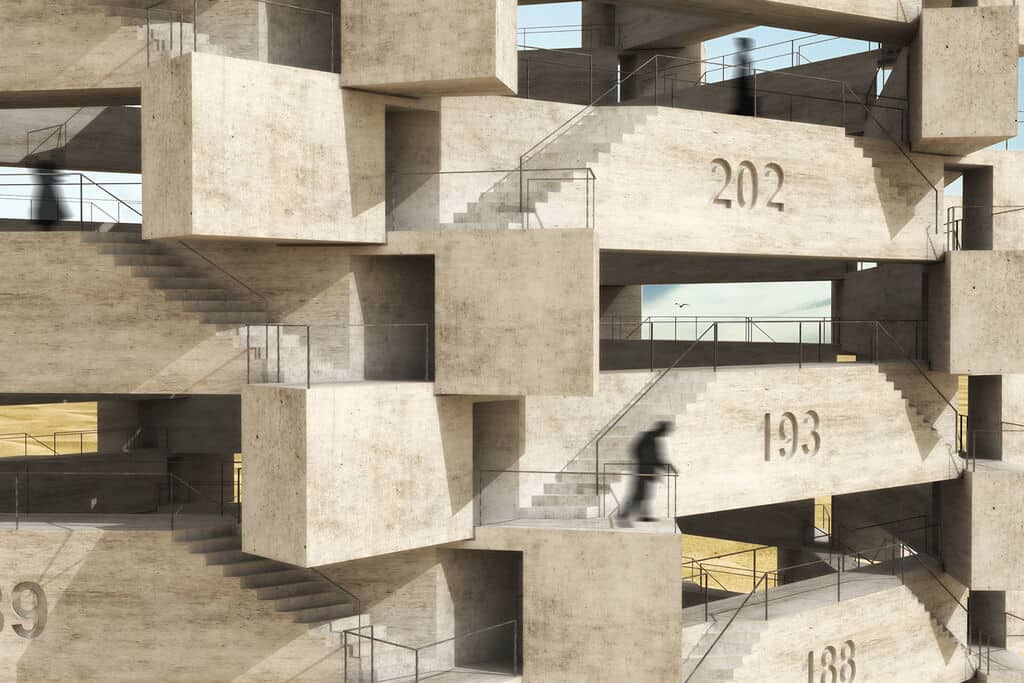
A series of three photographs of a tall tower
Qatar World Cup Memorial Tower
A person standing in front of a building
A person walking up a set of stairs in front of a building
A tall building in the middle of a cloudy sky

The concept of Qatar’s tallest tower is in a twisting shape that is constructed of concrete slabs/modules. They stacked them one above the other as floor modules, with two modules and two staircases per floor. Each solid block represents a deceased worker. So, as the number of deaths increases, the tower height also increases.

Qatar World Cup Memorial -The Analysis

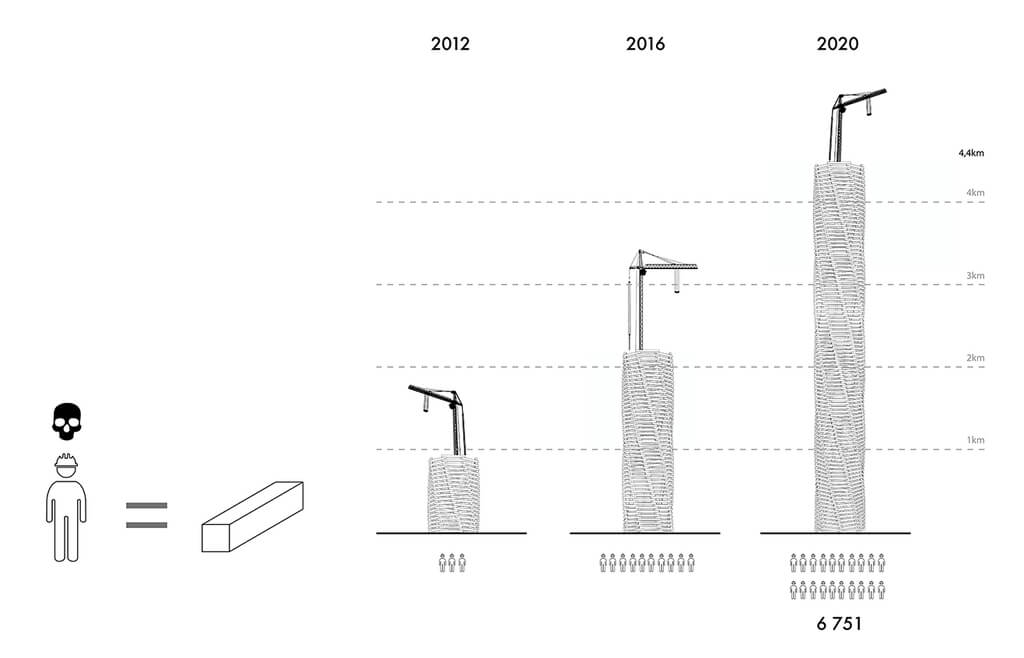
In 2014, the designers predicted that the height of the memorial would reach up to 1.5km if there is no decline in the number of lost workers. While at present, when the work is complete and the world cup is about to launch, then the skyscraper rises in the air reaching up to 4.4km, with the number of deaths as 6751.

A line graph shows the growth of buildings

The analysis illustrates the height of the tower rising high from 2012-2020, divided into three periods 2012,2016, and 2020. It illustrates that each concrete slab represents a worker who has breathed his last on the construction site. Overall, the height (4.4km) multiplies by at most three times in 2020 when compared with the height(1.5km) in 2012.

There is a significant amount of increase in both the death toll and the rise in towers that needs to be addressed as a priority.

Death Toll – Still Unknown!

A tall tower with a bunch of sheep in front of it

Thousands of workers died during Qatar’s 2022 world cup stadium-related constructions. Injustice and most tragic situations happen in Qatar’s construction activities for workers. Despite their continuous deaths, the names of workers, and reasons for losses are not known, and the information is not circulated by the news. Moreover, workers resume back to their duty due to construction deadlines.

The analysis of the British daily newspaper – ‘The Guardian’ reveals that more than 6500 migrant workers have lost their lives since Qatar was awarded the World Cup. The majority of the workers were from Srilanka, India, Pakistan, Nepal, and Bangladesh.

Local authorities of Qatar reported that natural causes – cardiac arrest and respiratory are the primary reasons for their deaths. However, Amnesty International, an organization focused on human rights, mentioned that these natural causes were not the reasonable causes for their deaths.

The main reasons were – terrible harsh living conditions, dangerous construction sites, and workers working day-long in severe hot temperatures that cause dehydration, heat stroke, and work pressure.

Architect’s Thoughts: Qatar World Cup Memorial

Architect’s Thoughts: Qatar World Cup Memorial

The agency 1 Week 1 Project is started by two Paris architects – Axel de Stampa and Sylvain Macaux. They are not afraid to raise and address the issues of society.

“We chose the skyscraper typology because the impressive and imposing nature of the extreme height that the project could reach allows it to reflect the scale of the humanitarian disaster and the constantly increasing number of victims,” the studio told Dezeen.

“Moreover, as it is a perpetually growing tower, there is no theoretical height limit, another typology of the project would not have allowed this.”

There is an utmost need for effective measures to drive the workforce by human rights and work in a pleasant environment as per international standards. While the design of the Qatar World Cup Memorial is just a conception and not for actual construction, it raises awareness so that one can understand the severity of the problem and raise a concern.

To get more information:-

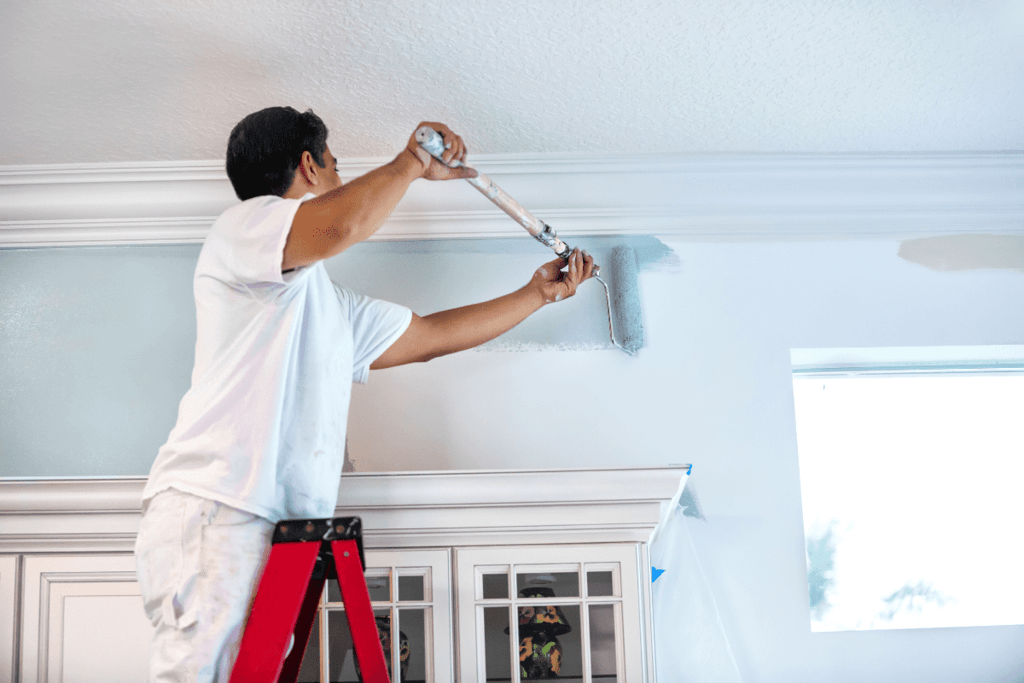
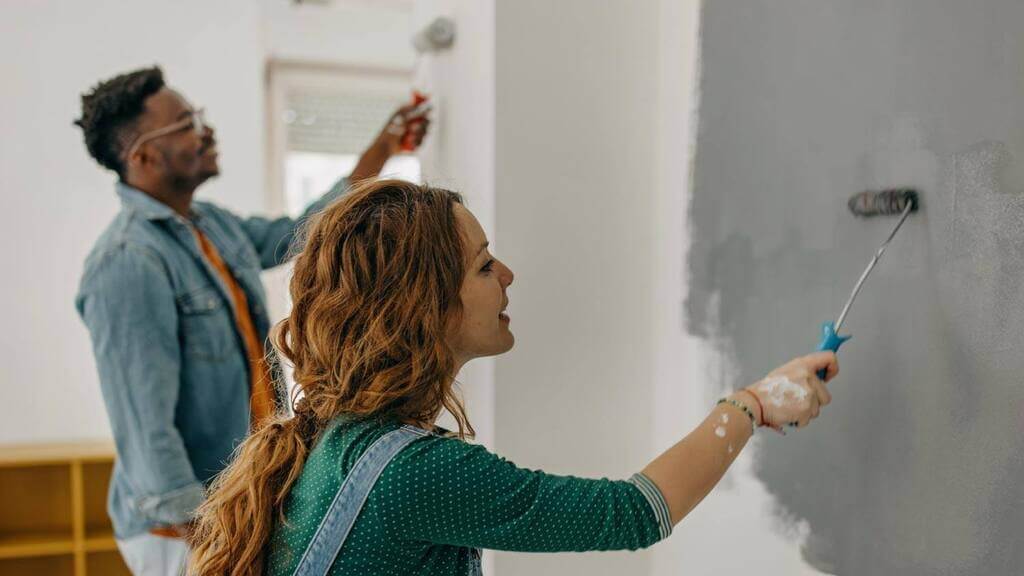
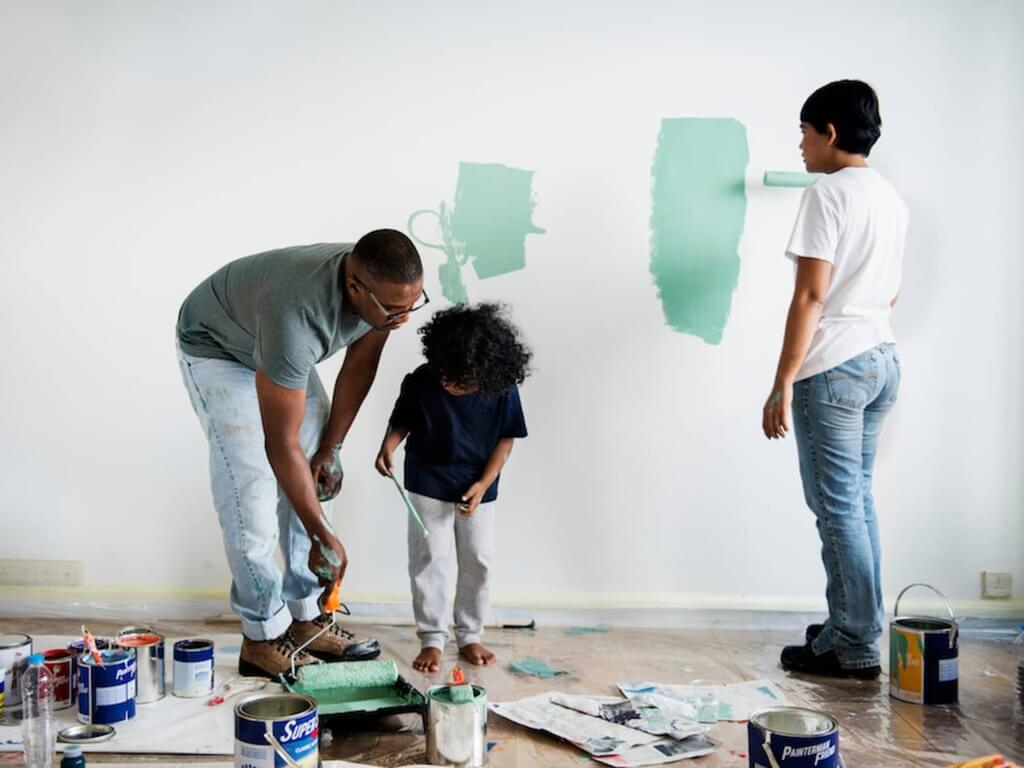
9 Tips to Consider Before Painting Your Apartment

0
painting your apartments

When living in an apartment, you’d want to give it your own personal touch to make it as comfortable for you and your family. But if the wall colors don’t match your style and decor, it could affect the overall feel of a room.

So if you’re planning on painting your apartment, the process should be easy with these tips and tricks:

1. Ask First

ask before painting your apartment

If you’re renting your apartment, it might be better to read through your lease or ask your landlord if they have any policies against changing the wall colors. Since some won’t allow painting, you might end up losing your security deposit.

While some may permit a bit of DIY, but will only approve of a few select colors. But if your landlord gives the green light to your project, then you better start creating your plan!

2. Choose Your Colors Wisely

Choose Your Colors Wisely before painting your apartment

Whether you’re intending on painting one room or your entire apartment, the colors you’ll select will be crucial for how the final results will look.

To help you decide what color to choose, you can get paint swatches so you can compare which color combinations will suit your room. You can even paint a tiny area of your wall to let you know how the paint will translate once it’s on.

3. Get High-Quality Paints 

Get High-Quality Paints and painting your apartment

Cheaper paints will be easier on your wallet, but you won’t think you made better savings once your walls start peeling and chipping faster than expected.

Getting the right finish for the wall texture will also help your paints last longer. For instance, glossy paints are great for painting wooden doors and cabinets. Semi-glossy finishes are good for your kid’s bedrooms because they’re easy to clean. While matte paints are best for textured walls because they can hide any imperfections.

4. Your Supplies Will Matter

Your Supplies Will Matter when painting your apartment

If you’re getting good-quality paint, you might as well invest in high-grade supplies and brushes. Since cheap nap rollers have the tendency to shed, they’ll leave undesirable fuzz on the walls and ruin the finish. The same goes for low-quality brushes because they leave blotchy paint marks that will be difficult to cover up once they’re dry.

5. Protect Your Apartment

Protect Your Apartment when painting

Make sure to dedicate a day to moving or covering any furniture in the room you’re planning to paint to prevent any spills and splatters from ruining them.

Fabric drop cloths will also work better for protecting your floors since they’ll absorb any paint droplets compared to plastic ones. They’ll save you the headache of cleaning any footprints in case you accidentally step on a puddle of wet paint.

6. Prep the Walls

Prep the Walls before painting your apartment

New paint will have a hard time sticking to grimy and dusty walls, that’s why it’s recommended to prep them beforehand. You can wipe off old stains with a wet cloth and allow them to dry completely.

Your new walls would also look ten times better if you could cover up any old cracks and holes. With a layer of a patching compound or spackling paste, your apartment can instantly look brand new.

7. Master Your Painting Technique

Master Your Painting Technique when painting your apartment

If you want a smooth finish, make sure to avoid applying thin coats of paint since they’ll dry faster. This will result in lap marks, where one part can appear darker or glossier compared to other parts of your wall. To prevent this from happening, keep a wet edge on your latest coat to make it easier to roll another layer on top.

Pros also prefer cutting in the paint before coloring in the rest of the surface since this will ensure you’ll get clean lines. To do this, use a brush for painting any edges or crevices where a roller won’t reach.

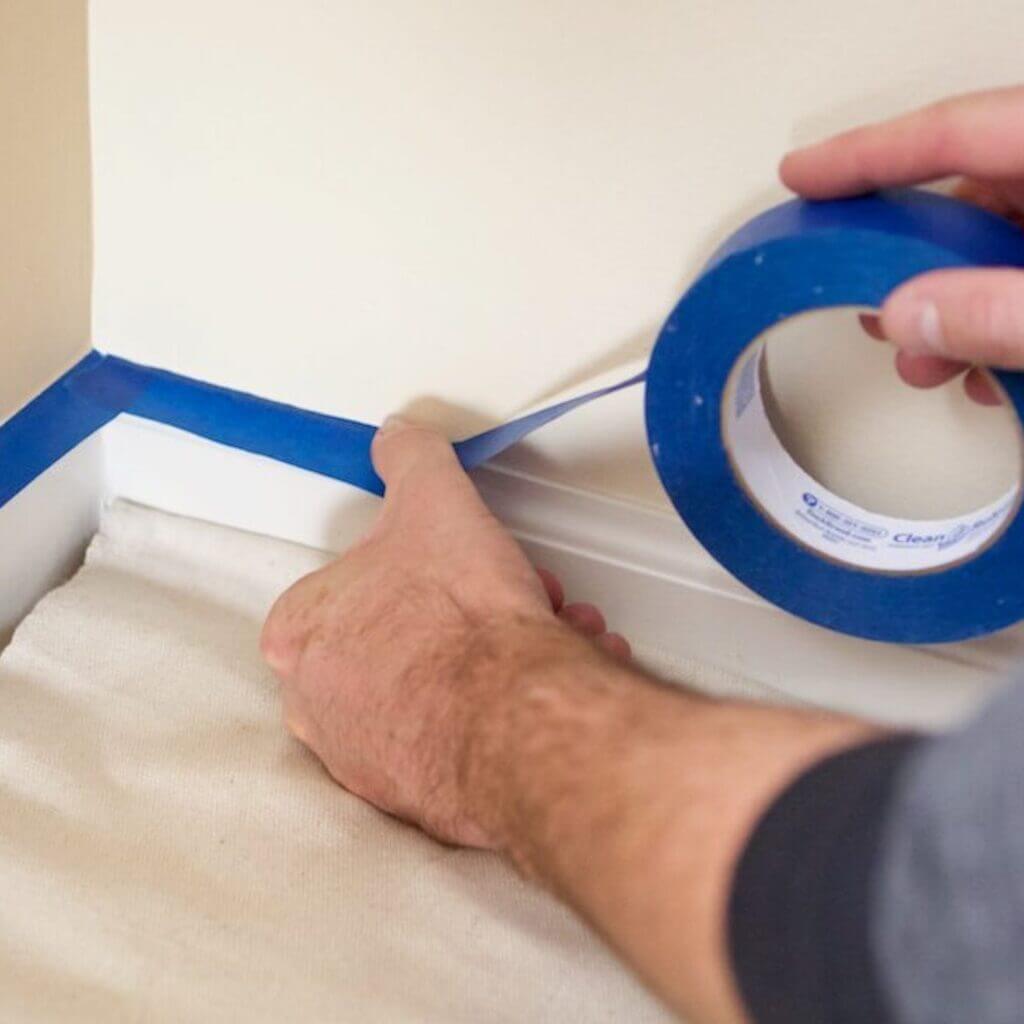
8. Consider Painter’s Tape

Consider Painter’s Tape while painting your apartment

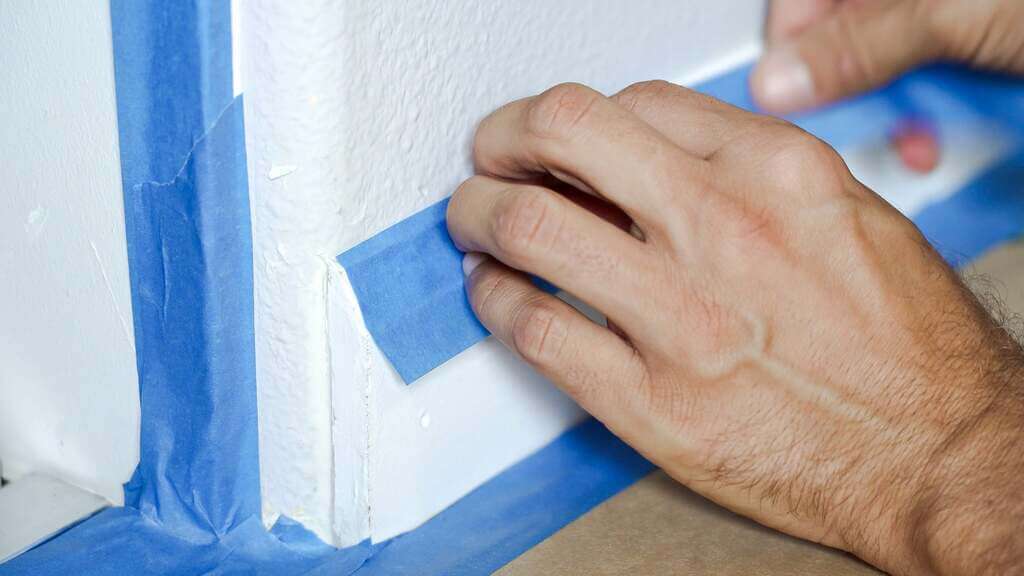
Painter’s tape may not come cheap, but it’s a valuable addition to your supplies since it will help you get crisp and clean lines for painting edges.

This will also be handy for covering trims, outlets, door frames, or other surfaces you don’t want paint on. Don’t be afraid to place a few generous strips since they will remove easily without leaving any damage to your work.

9. Don’t Forget to Clean Up

After painting your apartment Don’t Forget to Clean Up

Once you’ve successfully covered your walls with paint, slowly peel off any painter’s tape. Then, clear out your supplies and store them in a cool, dry place for your next project.

Remove the covers from your furniture and floors, and inspect for any stray paint splatters. If you see any, make sure to wipe them off before they dry permanently.

Final Words

If after all your efforts and you’re not satisfied with your work, it might be time to call in the professionals! Soho Painters can give your apartment a fresh new look with just a few buckets of paint. If you want to know more about our services, contact our team today for a free estimate!

To get more information:

Best Thanksgiving Pillow Decor Ideas That Will Refresh Your Home

0
Thanksgiving Pillow Decor Ideas

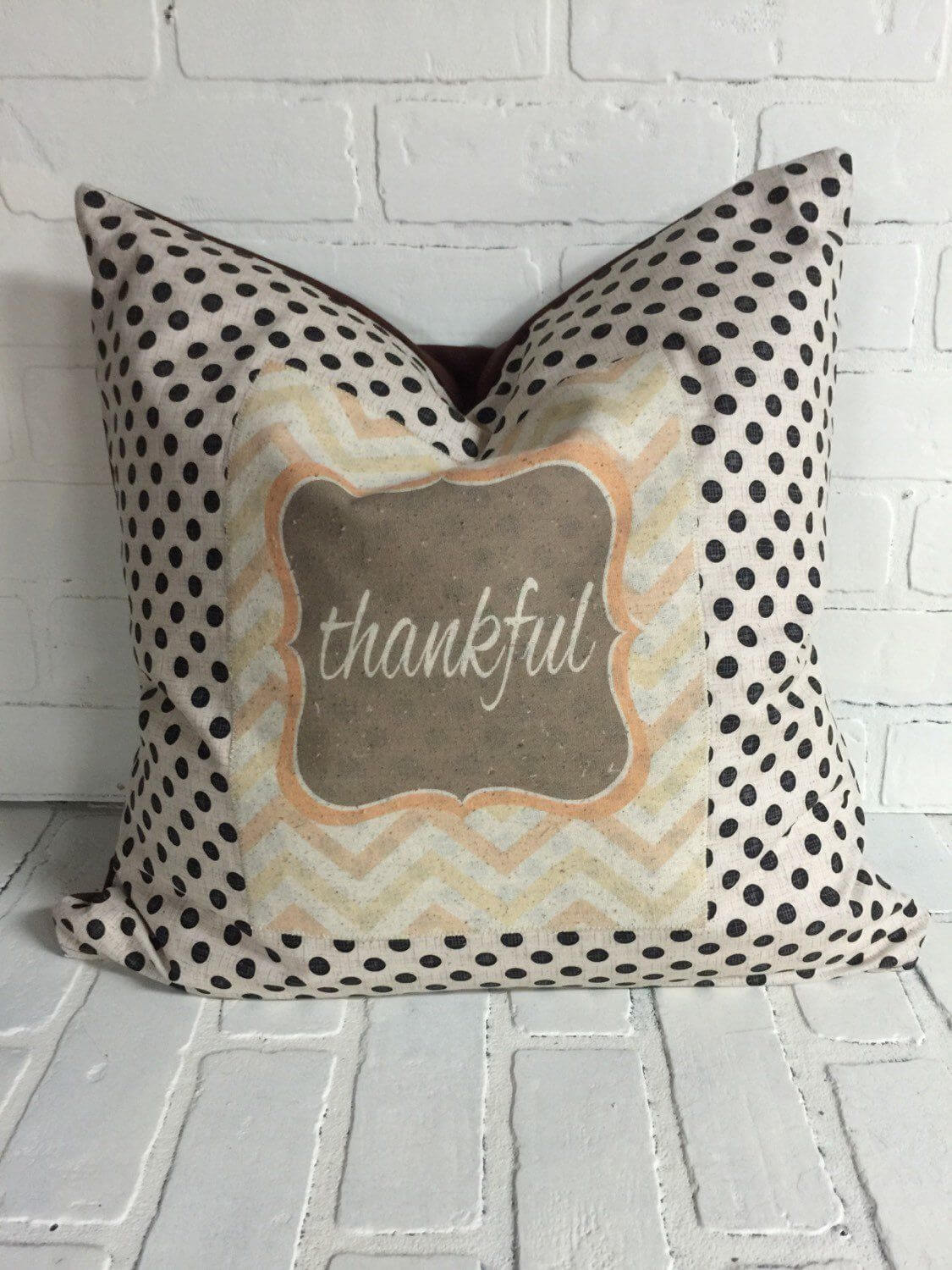
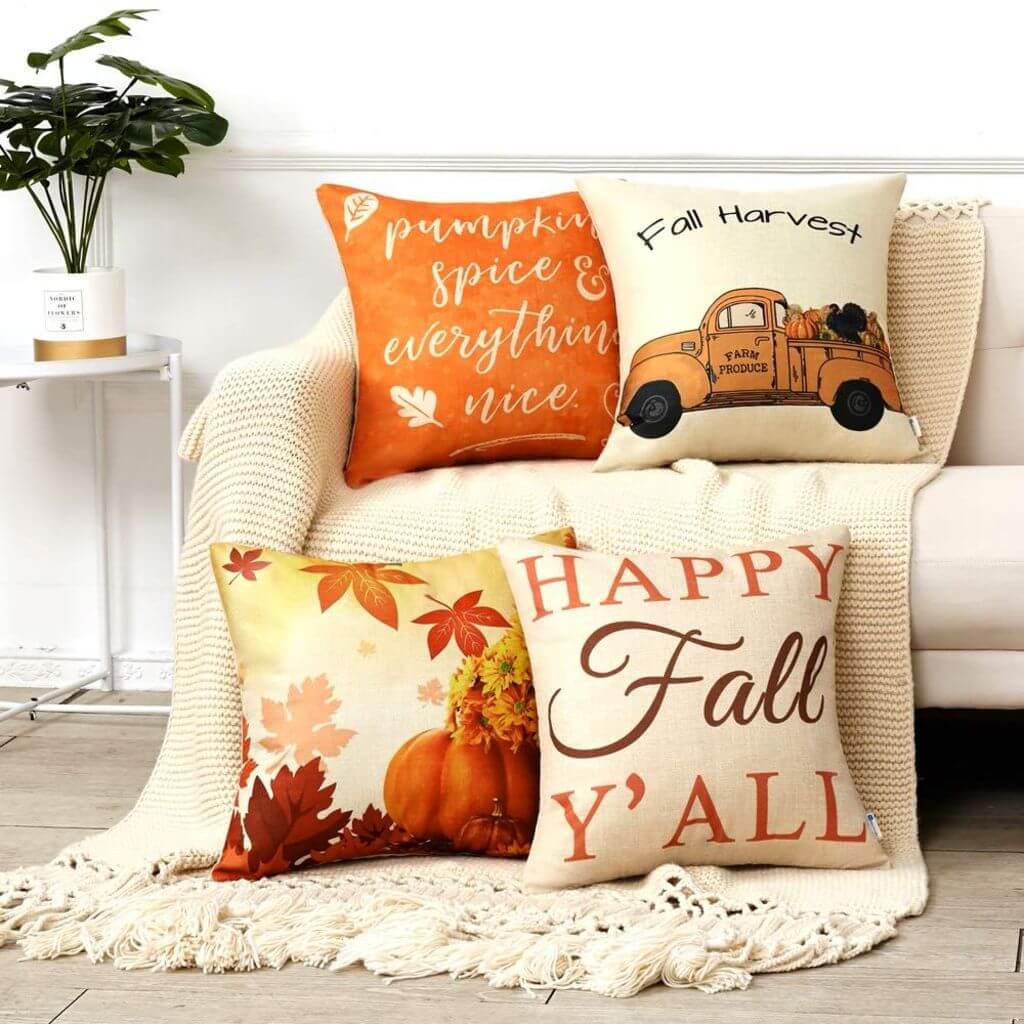
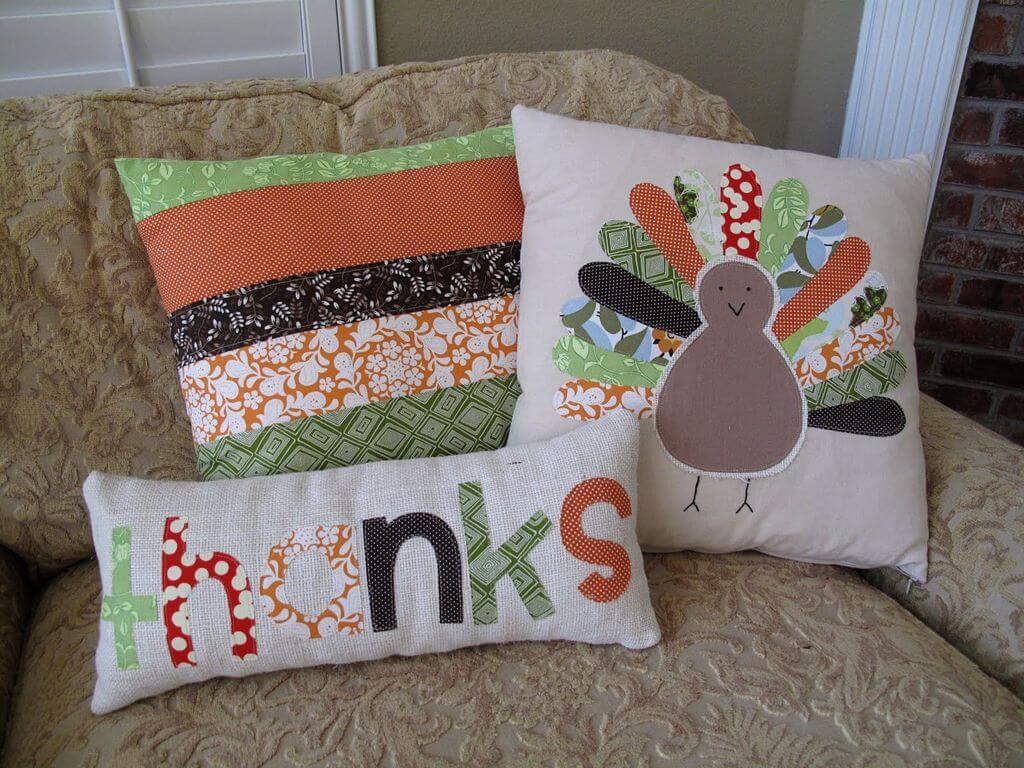
Decorating your home for the purpose of thanksgiving is a really exciting thing and you would love the decor if you are a big fan of fall décor. Pillows make our life a bit more relaxing as well as comfortable o adding some pillows for the thanksgiving celebration would make your house a bit cozy and the best part is that these pillows can be a very beautiful gifting option. Buying them from the market can be a matter of too much expense which you can avoid by preparing some DIY thanksgiving pillow at your home. So here are some tricks following which you can prepare your pillow. Happy thanksgiving pillow is quite simple and you don’t have to do too much in order to make it done.

Two pillows that say give thanks and give thanks
A black and white pillow that says gather with grateful hearts
A pillow that says give thanks with a grateful heart
A yellow pillow sitting on top of a chair
A blue couch with a pillow that says, happy thanksgiving
A pillow that says give hope on it
Three pillows that say give thanks on them
A pillow with a thanksgiving poem on it
A couch with a pillow sitting on top of it
A bunch of pillows sitting on top of a white floor
A pillow with a picture of a pumpkin on it
A pillow with a happy thanksgiving saying on it
A cross stitch pillow hanging on a wall
A wooden chair with a pillow on top of it
A happy thanksgiving pillow sitting on top of a table
A black and white pillow sitting on top of a white brick wall
A pillow with a happy thanksgiving message on it
A set of four pillows with a pumpkin on them
A pillow with a thanksgiving saying on it
A pillow that says, there is always something to be grateful for
A pillow with a happy thanksgiving message on it
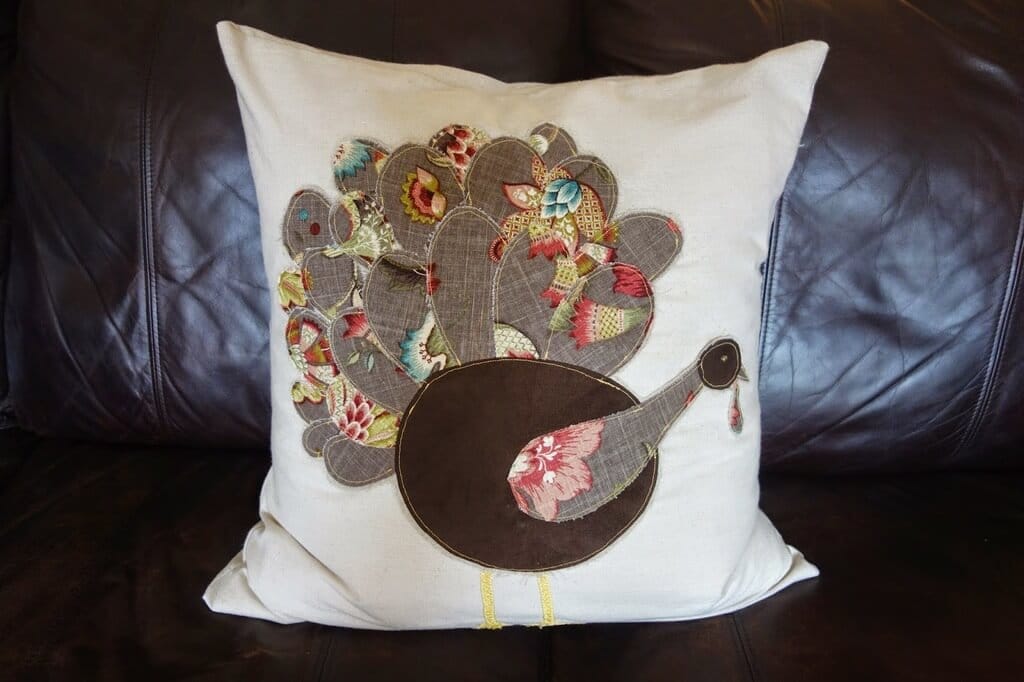
A thanksgiving pillow with a turkey on it
diy thanksgiving pillows
A red pillow with the words thanksgiving on it
A white couch with a white throw pillow on it
A couch with two pillows and a pillow with a turkey on it
A decorative pillow with a bird on it

You would need a pillow, of course, a white pillow cover and some fabric colors and a brush. All you need to do is write happy thanksgiving on the pillow cover that’s it. You can either write with some bright colors or you can keep it simple and elegant by choosing a mute color for writing on the pillow. Thank you pillow: this is another simple but sober-looking pillow that you can make on your own. These were a few of the thanksgiving pillow decor ideas that you can have in your home on this special occasion of thanksgiving.

Read More:-

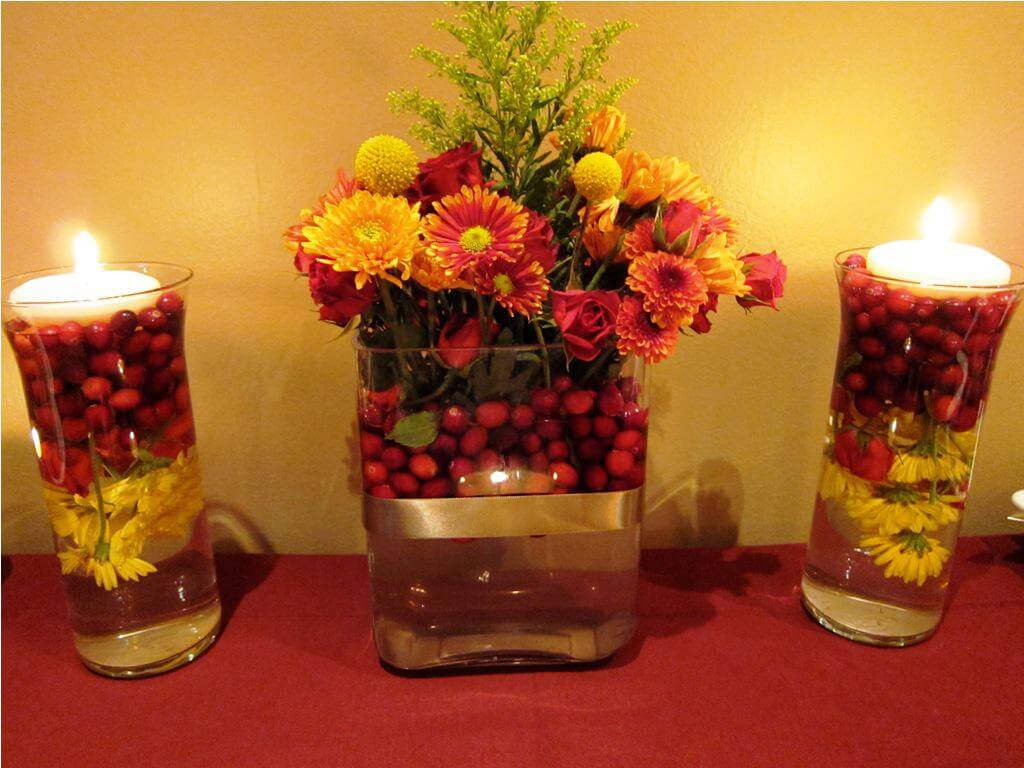
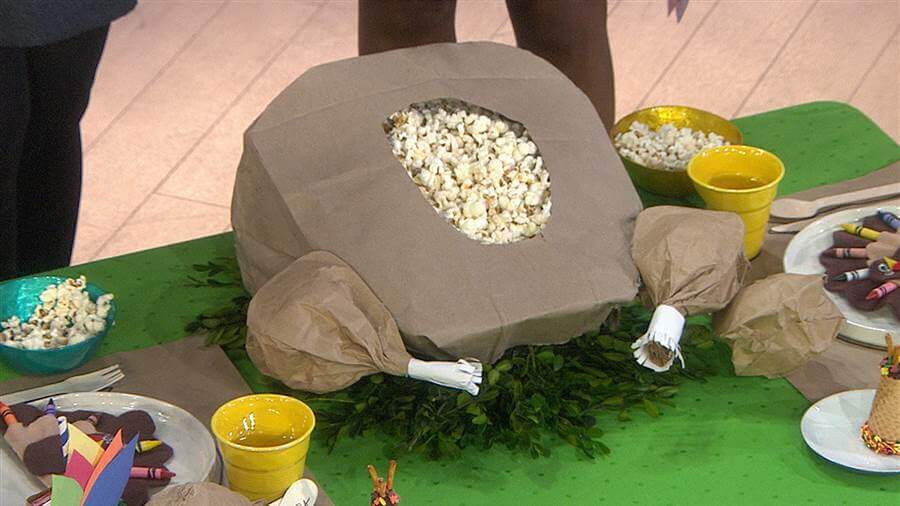
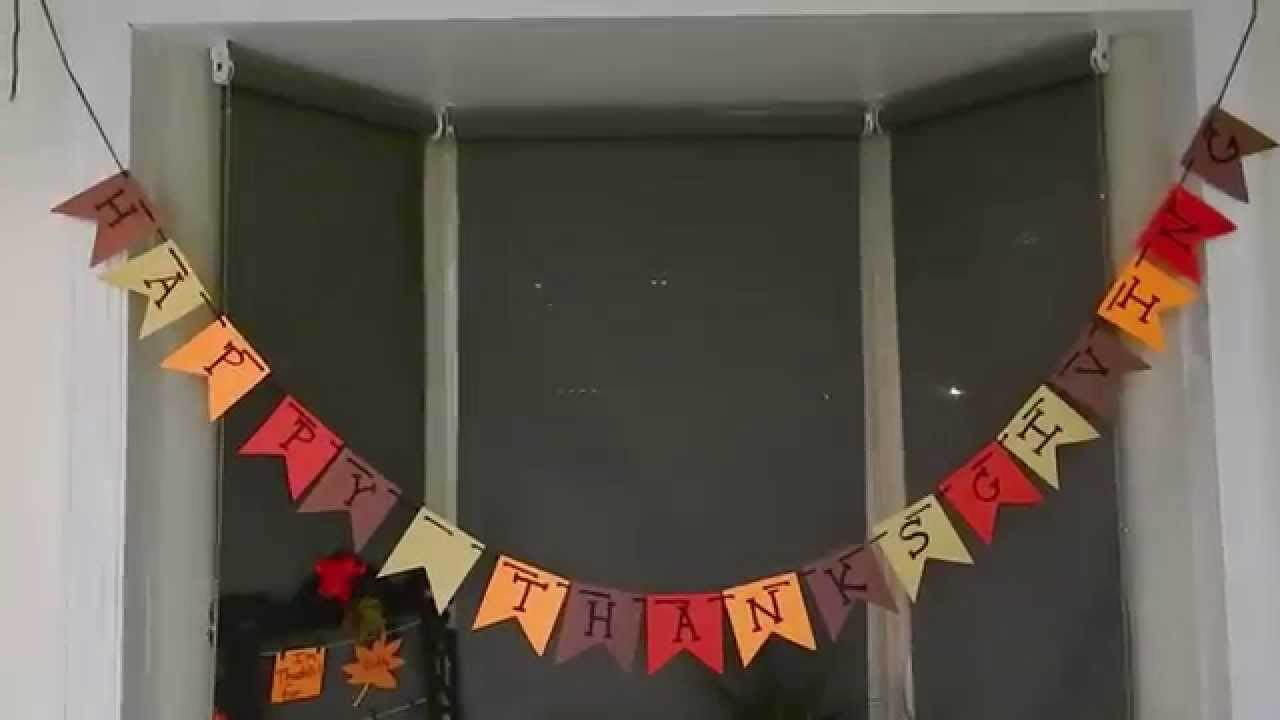
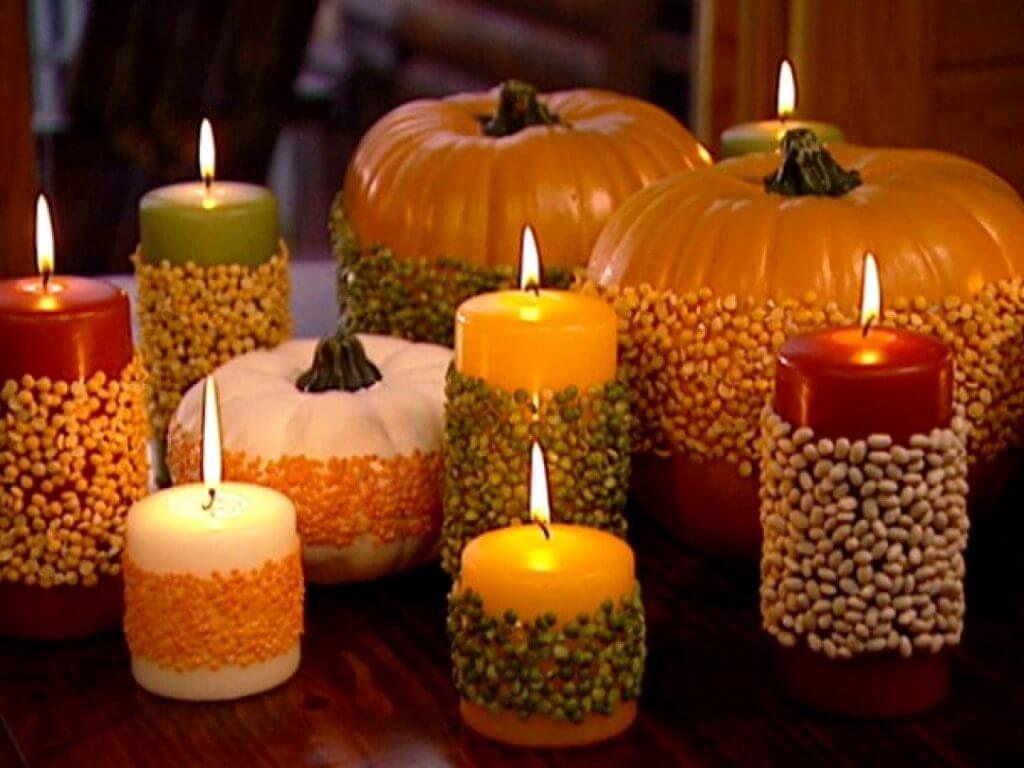
Easy and Simple DIY Thanksgiving Decorations Ideas

0
DIY Thanksgiving Decoration

Architecture Ideas have come with an all-new collection of DIY Thanksgiving Decorations Ideas. Thanksgiving function is no more about the food, it is also dependent on the decorations you make in the family get-together of your thanksgiving party. Thanksgiving Decorations are an important aspect of this holiday. Ample of ideas are available to use for the finest decorations but the best is to try something on your own.

The below article contains various creative and easy-to-make Thanksgiving Decorating Ideas that will show you how to impress your home decor. Read on the below one to find out the best.

DIY Thanksgiving Decorations
Thanksgiving Decorations
DIY Decorations
DIY Decorations for Thanksgiving
DIY Thanksgiving
DIY Thanksgiving Decorations
Handmade Decorations
Homemade Thanksgiving Decorations
Crafted Thanksgiving Decorations
Artisanal Decorations
Do-it-yourself Decorations
Creative Decorations
Self-made Decorations
 Decorations
Personalized Decorations
Decorations of table

Also, Check out some amazing Thanksgiving Pillow Decor Ideas.

In case you missed:

8 Tips for Buying the Perfect Beach Home

0
Buying the Perfect Beach Home

The beach is often the setting of summertime memories, and it’s no surprise that many people dream of owning their own beach house to make new memories with friends and family in a space where they can relax, unwind, and just be themselves. 

If you’re one of those dreamers, buying a beach home might be in your future, but you don’t have to jump into this decision head-first without knowing what you’re getting into. Here are some tips for buying the perfect beach home based on my experiences as both a buyer and an agent.

1. Do Your Research

 Do Your Research for Buying the Perfect Beach Home

It is important to do your research when looking for a house. Knowing what you want and need in a home can help narrow down your search. Florida beach towns are some of the most popular places to buy a house, but many factors come into play when buying a home. Many people think it is impossible to find affordable housing on the beach, but this is not always true. 

One thing to consider when buying a beach townhouse is the type of neighborhood that you would like to live in. Some neighborhoods are more upscale than others and will have higher property taxes as well as higher rental rates for homes in those areas.

2. Know Your Budget

Know Your Budget  for Buying the Perfect Beach Home

Know what your budget is and be honest with yourself about how much you can spend on a beach house. Florida beach homes will start at a lower price point than other states, but if you know that you want to live in a beach town like Naples or Miami, expect to spend more. If you’re not sure how much is reasonable to spend, it’s better to overestimate your budget so that you don’t regret not getting the perfect home when they are few and far between.

3. Consider the Location

Consider the Location for Buying the Perfect Beach Home

Florida is a perfect place to live year-round, and if you’re looking to buy your own beach house, there are plenty of options. From Miami Beach to St. Petersburg, you’ll find pristine beaches with vibrant communities just waiting for their new resident.  Daytona beach has become a popular location in recent times too, infact, a Daytona Beach home with a pool is top of most wish lists for properties in the area, which is no surprise. Looking out from your own pool onto the horizon beyond the beach is one of the best things Florida offers.

Other cities in the Sunshine State worth considering include Jacksonville Beach, Pensacola Beach, and Santa Rosa Beach. Of course, there are other great locations throughout the country – check out the list of best beach towns from Coastal Living magazine to get started on your search!

4. Get a Feel for the Neighborhood

Get a Feel for the Neighborhood for Buying the Perfect Beach Home

A beach town is a great place to buy your next beach house. Take some time to drive around and get a feel for the neighborhoods. If you can’t make it down to Florida, take a look at pictures of different beaches on vacation rental websites like VRBO or Beachfront Destinations. 

Look for Smaller Towns with Less Development

For some beach-side peace, find towns with less development nearby. 

Avoid Strip Beaches

Beaches, where hotels are set back from the water, are generally more peaceful than those that have hotels lining the shoreline – think Daytona Beach versus Myrtle Beach. 

Keep an Eye Out for Prices: 

Homes in beach towns often sell for less than their inland counterparts due to lower taxes, fewer building codes, and higher demand.

5. Check Out the Property

Check Out the Property for Buying the Perfect Beach Home

If you want to buy a beach house, you should know that there are two types: waterfront and beachfront. Waterfront homes can be found on canals or in rivers, while coastal homes are surrounded by sand.

Florida beaches often have beautiful white sand and turquoise water. Beach towns usually offer a laid-back lifestyle with an abundance of restaurants, shops, and bars. Florida beach residents enjoy boating, fishing, scuba diving, and surfing.

6. Have a Realistic Idea of What You Want

 Have a Realistic Idea of What You Want for Buying the Perfect Beach Home

A beach home is a great investment that can also be a fun, relaxing place to spend time with family and friends. However, if you are considering buying a beach home, there are many things to consider including finding the right location (Florida beach or beach town), deciding on your budget, and determining what features you want in your new home. It’s important to know what you are looking for before investing so much money into something that may not suit your needs

7. Don’t Be Afraid to Negotiate

Don't Be Afraid to Negotiate for Buying the Perfect Beach Home

At the end of the day, you want to feel like your home is a perfect fit and that you’re making an informed decision. Don’t be afraid to negotiate, but it’s important to have realistic expectations. 

The best way to start is by familiarizing yourself with prices in your area and setting a budget so you know how much you can afford. Remember, when buying a house, location is key and there are plenty of beach towns that don’t carry as high of an asking price as Florida beach towns do.

8. Get a Good Home Inspector

Get a Good Home Inspector before Buying the Perfect Beach Home

A home inspector is imperative when buying a home. They will go through your potential new house with a fine-toothed comb, looking at everything from the roof to the crawl space. They’ll find any issues that need to be fixed and offer solutions on how you can handle them. Plus, they’ll give you peace of mind knowing that if there are any problems with your property, they can handle it before you buy!

Keep reading:-

The Best Tips and Ideas for Patio Renovation

0
Patio Renovations

A well-designed patio is an excellent investment for a home.

They can add up to 10% to home value and offer an ROI of over 80%! That’s much higher than many other home projects. That said, many homes may need a patio to revamp to see that total return on investment. If you moved into a home with an older patio that needs repair or a basic patio that could use some flair, then renovation is an excellent option to consider. But before whipping out the paint or attaching any wire rope for your next cable railing project, there are a few things to know about renovating a patio.

Keep reading for advice and tips on patio renovation.

Evaluate How You Use the Space

Evaluate How You Use the Space

The first step to planning a practical patio remodel is considering how you use the space. Doing so will help you plan the best ideas for improving and making it functional.

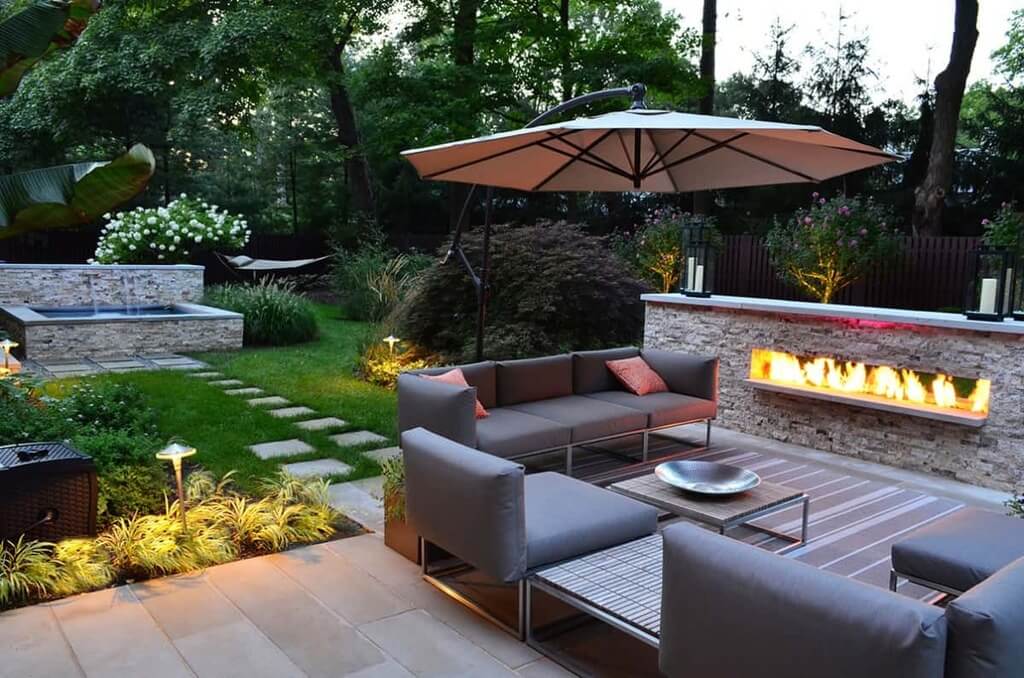
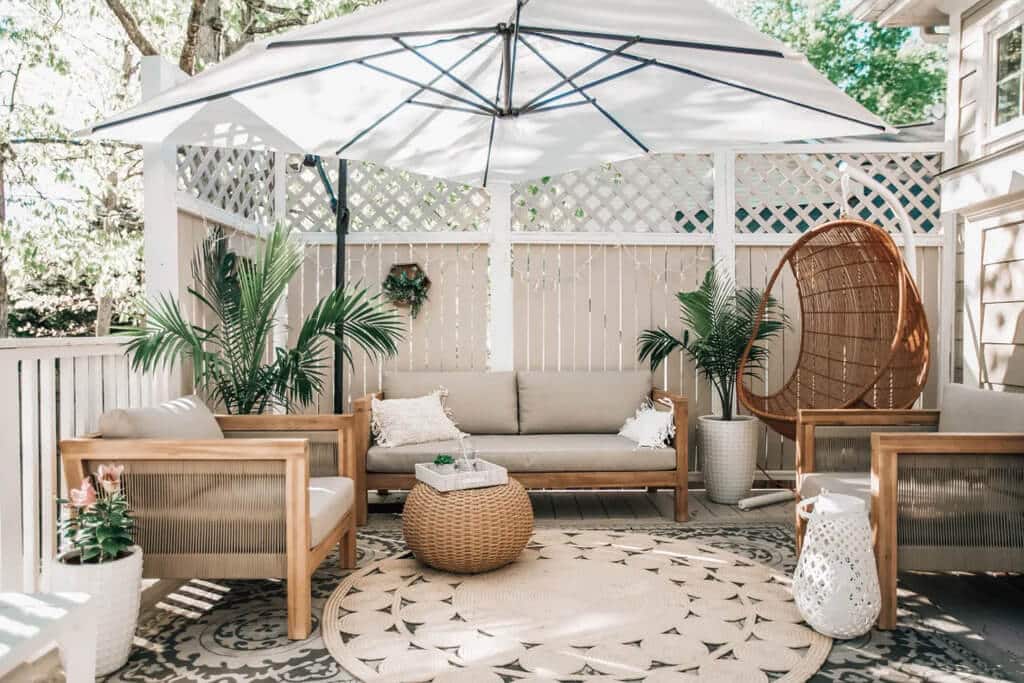
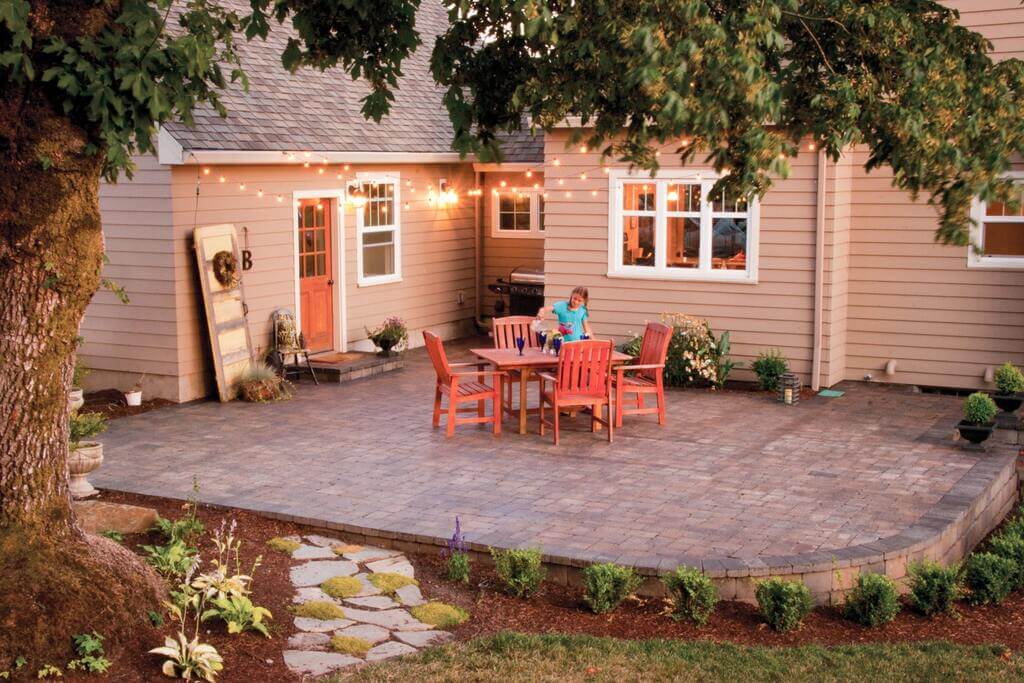
Not everyone uses their yard or patio the same way! For example, you may primarily use the space for outdoor dining with your family during nice weather. In that case, built-in seating and room for a large table may be ideal. But on the other hand, someone who uses the space for reading and relaxing may prefer shaded spots and somewhere to hang a hammock.

Pin Down Your Budget

Pin Down Your Budget

We all have that dream remodel we’d tackle if the funds were there. Unfortunately, the reality is that we don’t all have the financial ability to chase that dream renovation! Instead of planning all the features you want, first, outline your budget. This saves you a ton of hassle and headaches later out.

You can determine which features and aspects to improve based on your budget. For example, if your patio has huge cracks or dents in the floor, that would take priority over adding some new features or furniture. Based on your budget, you can assess how much the floor would take to repair, and then see what you have left for additions.

Concrete Is Costly

Concrete Is Costly

Many patios are made of concrete; an expensive material that costs a lot to replace. For example, the average patio is around 288 square feet and costs about $2,800 ($10 per square foot).

For this reason, completely repouring your patio is typically not ideal. It will cost a lot of money to demo existing concrete and pour new. However, professional concrete may still be the best option if you remove a deck or porch and have unpaved ground. In that case, note that a plain design is the least expensive, and there are ways to enhance it later for a budget.

Outsource Vs. DIY

Outsource Vs. DIY

After you know what you want to do to your patio, you can effectively determine who should do it.

It may be tempting to plan a total DIY renovation. However, if new concrete is part of your patio renovation, it’s best left to the professionals. The DIY YouTube tutorials make concrete pouring seem plausible, but a lot can go wrong when you attempt to do this on your own without the proper equipment.

Some other elements to consider outsourcing include:

  • Electric wiring (adding lights or outlets)
  • Excavating the area
  • Adding a full fireplace
  • Other built-ins
  • Pergola and gazebos
  • Installing sliding patio or bifold doors

Still, there’s a lot you can do on your own, depending on your skill level. Some examples are:

  • Painting concrete
  • Installing pavers or a walkway
  • Adding a border
  • Placing a fire pit (freestanding)
  • Planting
  • Furniture and accessories
  • Installing a hanging chair or hammock

Bigger Isn’t Better

Bigger Isn’t Better

If you have a small patio, it can be tempting to expand it. However, there may be better ideas than expansion due to the sky-high cost of concrete. Not only that, but it’s not always necessary to make a small patio bigger.

There are plenty of ways to enhance a small patio and improve the functionality of the space.

Some ideas for improving a small patio include:

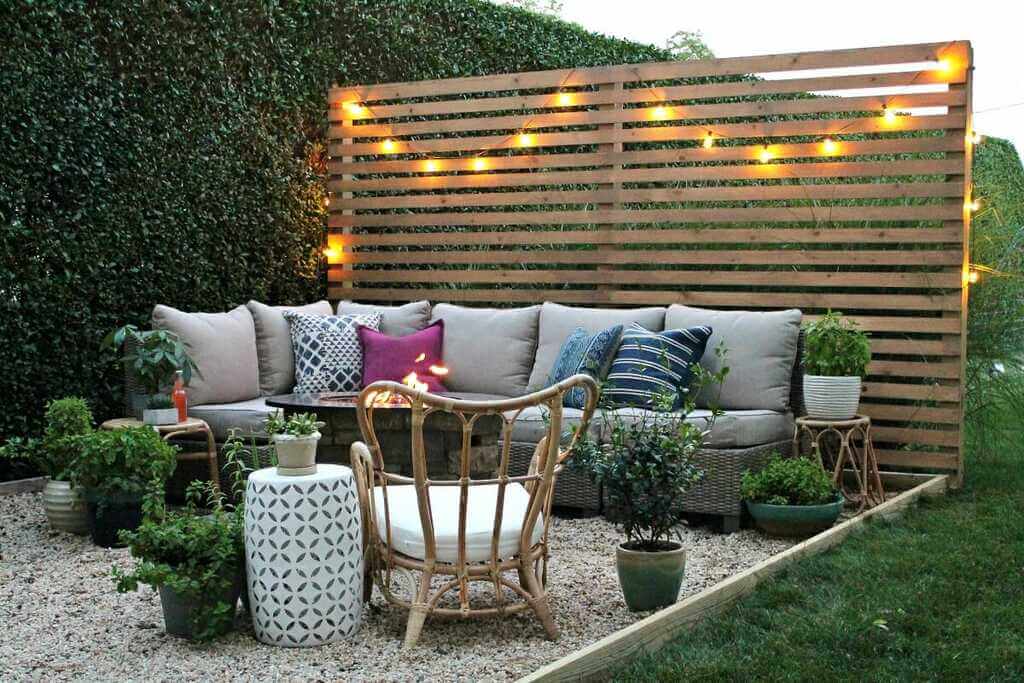
  • Add a trellis for privacy
  • Place seating around the perimeter rather than in the center
  • Shade the area
  • Add a partial border

Consider the Lighting

Consider the Lighting

Patios are not only for daytime use. They can be great spots for outdoor entertaining or relaxing. Well, if they have adequate lighting, at least!

The small outdoor lights on your home’s exterior may not be enough to light the area amply. So, when planning your patio renovation, consider the lighting. How can you light the space in a way that makes it usable?

The answer could be replacing the exterior lights, adding solar lights around the edge, hanging string lights, or any combination of solutions.

Be Mindful of the Weather

Be Mindful of the Weather for Patio Renovation

The time of year you renovate your patio can significantly impact the process. That is especially true if your renovation includes excavation, concrete pouring, painting, or planting.

While we can’t control the weather 100%, paying attention to the season and forecast will help. Winter is a very tough time for any outdoor renovation, and patios are no exception.

The best time for renovating a patio is the late spring or early summer (April-June). The warmer months are ideal for planting many different flowers, shrubs, and other plants. It also tends to have favorable weather and plenty of warm days that aren’t too hot. Furthermore, finishing up your patio in this timeframe allows you to enjoy it all summer!

Plan Your Patio Renovation!

There’s a lot to consider when renovating your patio, so planning is the key to a successful project. Remember that a patio update can be as simple as new furniture and plants, or as involved as new concrete/ flooring. Take your time to plan what you want to do to your space and how to make it functional for your home and family. From there, determine your budget and decide what’s best to outsource and what you want to DIY.

While there’s an ideal time to execute an outdoor update, there’s no wrong time to start planning

In case you missed it!