It is essential to keep your apartment cool and comfortable all year round, especially during summertime when the heat is challenging. Follow these simple tips to maintain your living space’s temperature and coziness.
Check for Cracks and Small Openings
The first step to keep your apartment cool and comfortable is to check for possible cracks, which is quick access for outdoor air to get inside your apartment. If this happens, the internal temperature will fluctuate, significantly affecting the apartment’s living environment. Your financial situation might also be affected if the inside air temperature fluctuates, occasionally causing your monthly energy bill to increase.
In addition, your apartment may have humidity issues which may invite mold to form, putting the entire household at risk of respiratory illnesses.
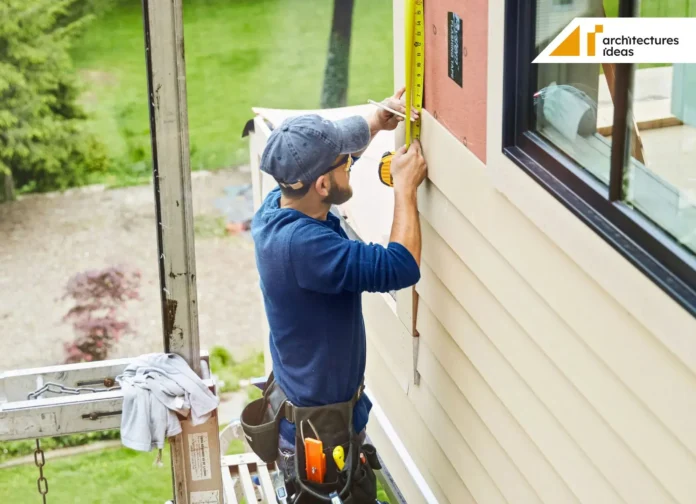
Thus, it is vital that you must seal any cracks and openings to prevent any cold or hot air from entering your apartment. Start checking and caulking areas near or around the windows and doors. You may also consider using draft stoppers or weather stripping your apartment to maintain the apartment’s ideal temperature.
Optimize Air Conditioning Usage
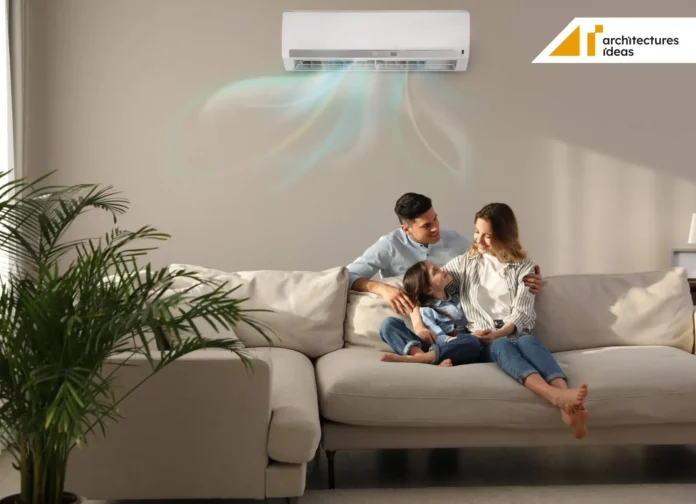
Sometimes you need to run your air conditioning, especially during summer. However, it would help if your air conditioning would not increase your monthly energy bills. Thus, it is vital that you must control your indoor air keeping it to around 74-77 degrees Fahrenheit or 23-25 degrees Celsius, depending on your ideal temperature, and set it for you to enjoy the optimum comfort in your apartment.
It would help if you used a timer when running air conditioning as it can automatically turn the on and off the unit when not needed. With the help of advanced technology, you may also utilize the smart thermostat, which allows you to control yourHVAC and hood ventilation system when you are away from home in case you might have forgotten to turn it off.
Insulate Your Apartment
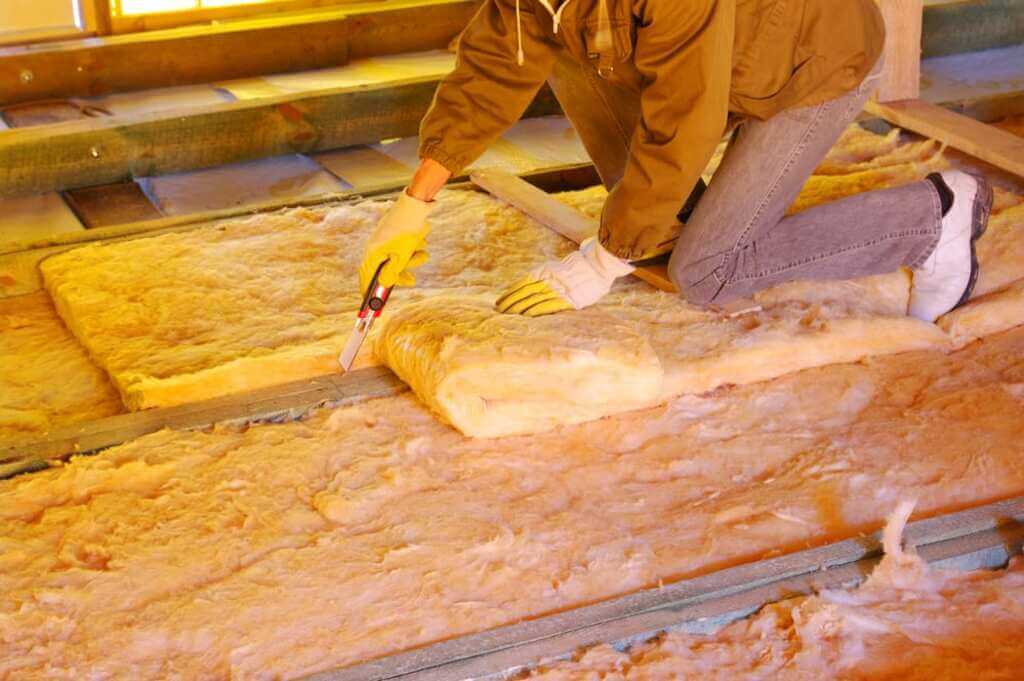
Insulating your apartment is an excellent way to prevent heat loss and maintain a comfortable temperature by controlling the exterior air from entering the apartment. Heat can pass through your apartment’s walls and roofs without proper insulation, altering the inside temperature.
With proper insulation, your air conditioning unit won’t have to work as hard to maintain a cool indoor temperature during summer, even if the outside temperature severely fluctuates due to different weather conditions. Winter months’ cold air will not affect your apartment’s temperature, as the insulation between the interior and exterior of the apartment building can efficiently prevent air leaks.
There are various installation types that you can purchase at any construction supply store, such as fiberglass, cellulose, and spray foam. Depending on your apartment’s setup, energy efficiency goals, and budget, you may utilize and maximize each insulation type’s benefits.
Proper insulation can guarantee an ideal living environment for your entire family. It can also help you lower your bill, as your cooling and heating systems will not work hard to keep the indoor temperature as is.
Close the Blinds and Curtains
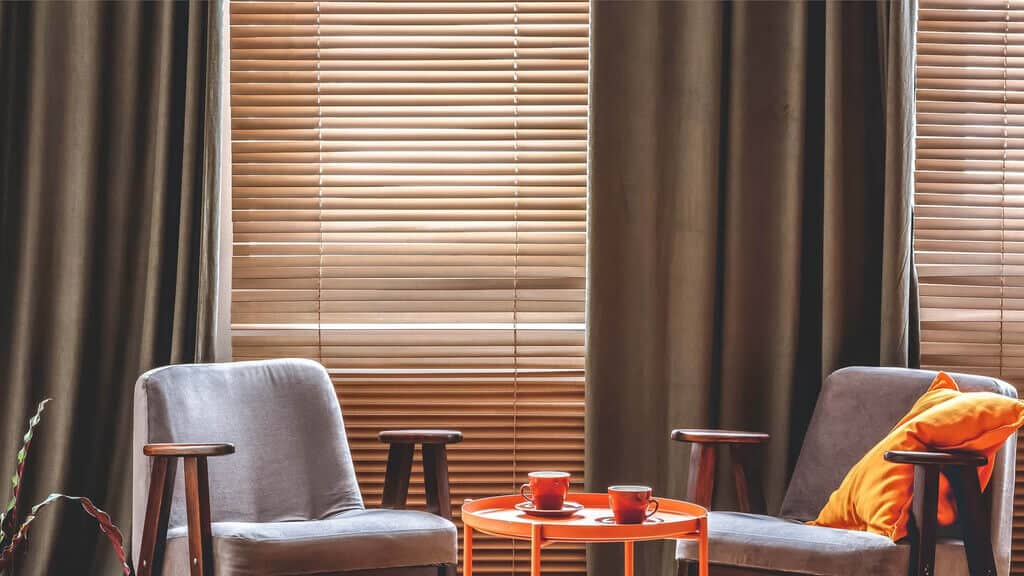
Blinds and curtains are among the most underrated temperature controls you can maximize. It can block the sunlight that enters your apartment, which may cause an increase in the interior’s heat level. Or, it may keep the room warm during winter. Sometimes, you can open your apartment window and use the blinds to let the cold outside air flow directly into your place.
Different blinds and curtains can help you maintain your apartment’s temperature. There are black-out curtains that are very efficient in blocking the sunlight and air, and those regular curtains are ideal during summer if you opt not to use the cooling system. An open window and a traditional curtain will let the fresh air inside and regulate the internal room temperature.
Create Shade
Shades are ideal if your apartment has a balcony or an outdoor space. It can prevent both heat and hot air from entering your apartment. Outdoor umbrellas are the most common tool apartment owners use to create shade. Potted plants can also help protect your apartment from heat and prevent hot air from entering your place, keeping it cool and comfortable.
Final Thought
Your apartment’s temperature can affect your mental health as the discomfort from the fluctuating temperature. The mold growth from the moisture may also affect your physical health, causing severe allergic reactions and respiratory illnesses. The unregulated air inside and the air leaks may cause your HVAC system to work hard, causing an increase in your monthly energy bill.
May the simple tips and tricks above help keep your apartment cool and comfortable for you and your family.
If you’ve always dreamed of having a gorgeous garden that’s full of blossoming flowers and freshly grown vegetables, why not turn your dreams into a reality? There’s no better time than now to start creating the garden of your dreams.
Although it might sound complex, creating your dream garden can be relatively quick and simple. As long as you know what you’re doing, you can get started today and have your garden ready in just a few months.
Here are some key steps to follow when building the perfect garden.
Consider How Much Space You Have Available
The first step to creating a gorgeous garden is assessing your current space. Once you’ve identified the space that you have to work with, it’s much easier to plan each garden element.
Take a look at your outdoor space and consider the total size and shape. Do you have space for a vegetable patch? Is there a nice corner for a private seating area?
You should also consider the soil type that’s in your garden and the areas of light and shade. This is particularly important if you plan on growing vegetables in your garden.
Consider Your Needs and Wants
You probably want to transform your garden for a particular use. For example, you might fancy growing your own veggies at home. Maybe you plan on having lots of summer get-togethers with your family, or you simply want to create a peaceful outdoor area for relaxation.
Before you start planning your garden, consider your main goals. Doing so will ensure that your garden meets all your needs and wants and becomes the perfect space in your home.
Once you’ve considered your needs and wants, you can create a general outline for your garden. Sketch out the layout, the different areas you’d like to have, and the types of plants and vegetables you might want.
Gather Your Supplies
Before you can start building your dream garden, you’ll need to gather your supplies. You might need to consult professional builders if you have major renovation plans in mind, but you should be able to organize the smaller things yourself.
You can purchase the plants, flowers, and seeds that you want in your dream garden. You can also gather additional supplies like frost plant protection equipment to keep your plants and flowers safe during cold winter.
If you don’t yet own any garden tools, you also need these before you can begin any sort of renovation. At the very least, you’ll need a garden fork, rake, shears, pruners, and hose to perform basic garden tasks.
Prepare the Soil
Soil forms the base of almost every garden, so it’s important to use the right type of soil and lay it down correctly. You will need to test your soil to check its pH level and nutrient content.
If the pH or nutrition levels are inadequate, you’ll need to change these before you plant any flowers or seeds. You can adjust the pH of your soil using sulfur powder and add nutrients using fertilizer or compost.
Choose Your Plants and Flowers
Once your soil is in place, you can choose the types of plants and flowers you want in your dream garden.
Before you go out and buy hundreds of your favorite flowers, you’ll need to consider the availability of sunlight and water in your garden. Some plants are needier than others, and you won’t want to overcrowd your garden, as this could limit their growth.
Try to choose a nice mixture of annuals, perennials, and shrubs to add diversity to your garden. Choose flowers of a range of colors to decorate your outdoor space and add vibrancy and character.
Wherever possible, choose plants that are native to your country, so your plants are well-adapted to your local weather conditions and outdoor temperatures.
Add Structural Hardscape Elements to Your Garden
Hardscape elements add structure to your outdoor space, such as patios, brick walls, and paving stones add structure to your outdoor space. Adding these elements breaks up your garden into unique areas and enhances its functionality.
Choose hardscape elements that match your home aesthetically. You should also consider the price and durability of your chosen structural elements. Ideally, the materials you choose should be within your budget but also of high quality.
After a long day at work, we all want two things – Delicious Food & Good Sleep!
Eating a healthy and delicious meal is under our control, but getting good sleep, it’s not! Sometimes even after buying the most expensive bed, we don’t feel comfortable in it!
One of the major reasons is the mattress!
Yes, a good mattress gives your body support that helps relieve pain, aches, and stress. You will feel the huge difference after waking up on a good-quality mattress! Getting a high-quality, ergonomically built mattress in the right size, like the dimensions on queen size bed, is extremely important.
So, the thing is simple, if you want to have a good sleep, get a good mattress!
However, there are many different types of mattresses in various sizes, so finding one can be challenging. No worries, here we are to help you!
A survey conducted by the Better Sleep Council shows “47% of consumers confirmed they sleep on queen mattresses.”
Now you can guess why queen size bed dimensions are America’s favorite mattress size. Yes, the dimensions on queen size bed and the comfort people feel are the main reasons behind its popularity.
How big is a queen size bed?
Today in this guide, we will explain everything about queen size bed dimensions. We’ll be covering the following topics:
Mattress sizes
Queen size bed dimensions
Type of queen size mattress
Queen vs. King size beds
Pros and cons of queen size bed
Things to look for while buying a queen size Mattress
Benefits of buying nectar queen size bed
Difference between regular nectar and nectar lush queen size mattress
FAQsand more.
So, if you’re looking for a brand-new queen size bed or mattress, keep reading till the end. This guide will help you to learn the basics you’ll need to know before buying the queen size bed.
Let’s begin.
Mattress Sizes
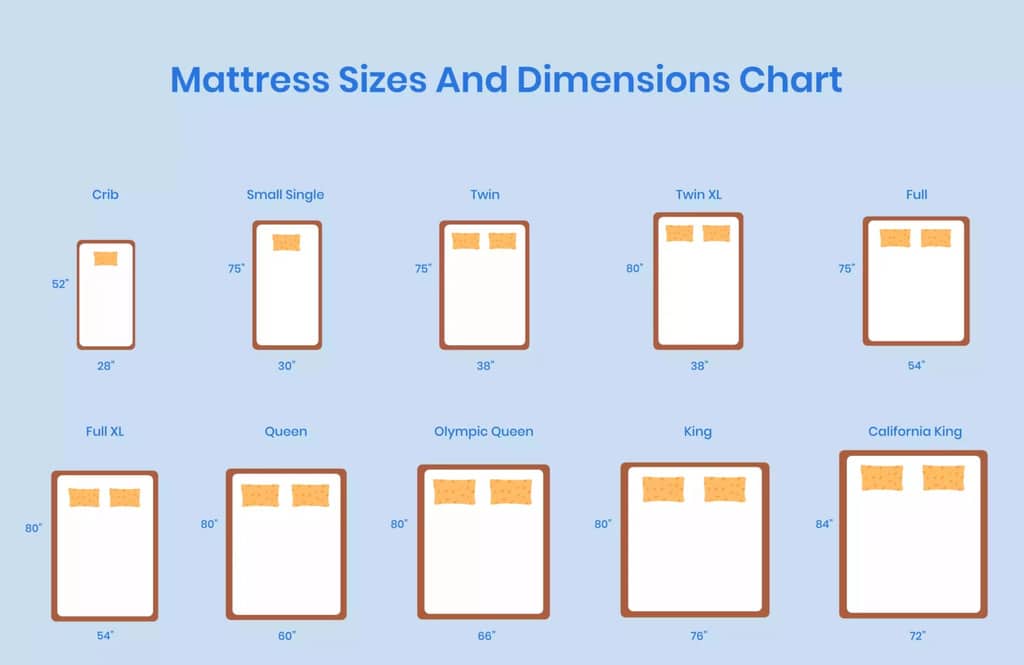
Mattresses are available in six different sizes in the market. The sizes are categorized according to length and width. However, slight changes can be seen across manufacturers around the globe.
Another important thing is that any mattress’s height is independent of this sizing framework. Apart from this, some companies also produce mattresses in different sizes than regular ones based on different materials.
Here is the mattress size chart in inches:
Mattress sizes
Dimensions (Width x Length)
Twin
38″ x 75″
Twin XL
38″ x 80″
Full
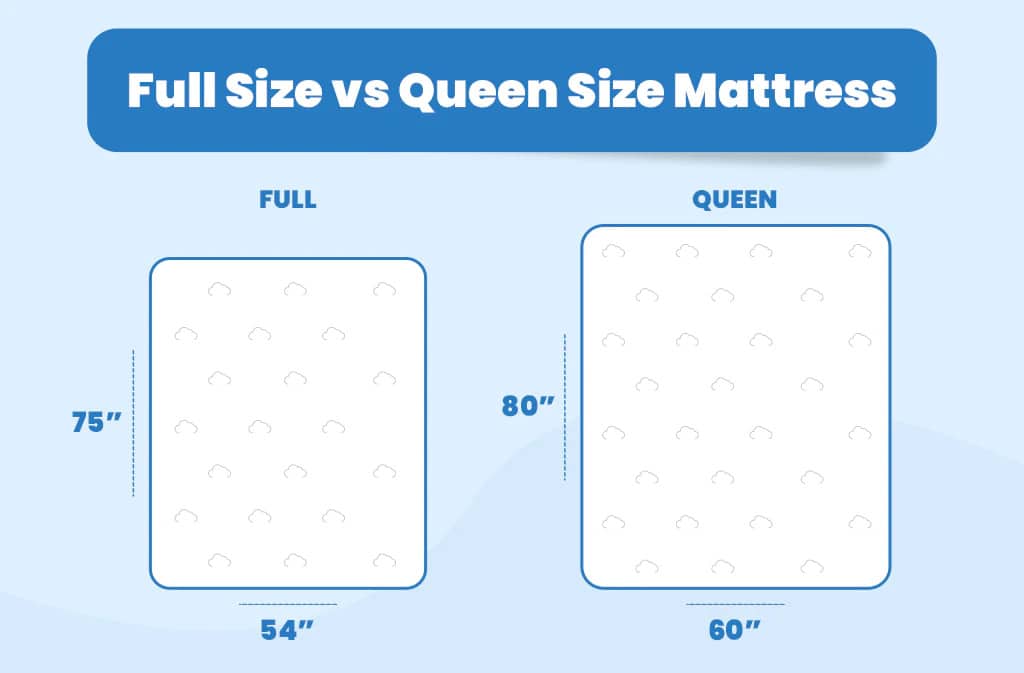
54″ x 75″
Queen
60″ x 80″
King
76″ x 80″
California King
72″ x 84″
Queen Size Mattress Dimensions
After reading here, you might have a few questions in your mind, such as:
What are the dimensions of a queen size bed?
How wide is a queen size bed?
How long is a queen size bed?
Here’s the answer:
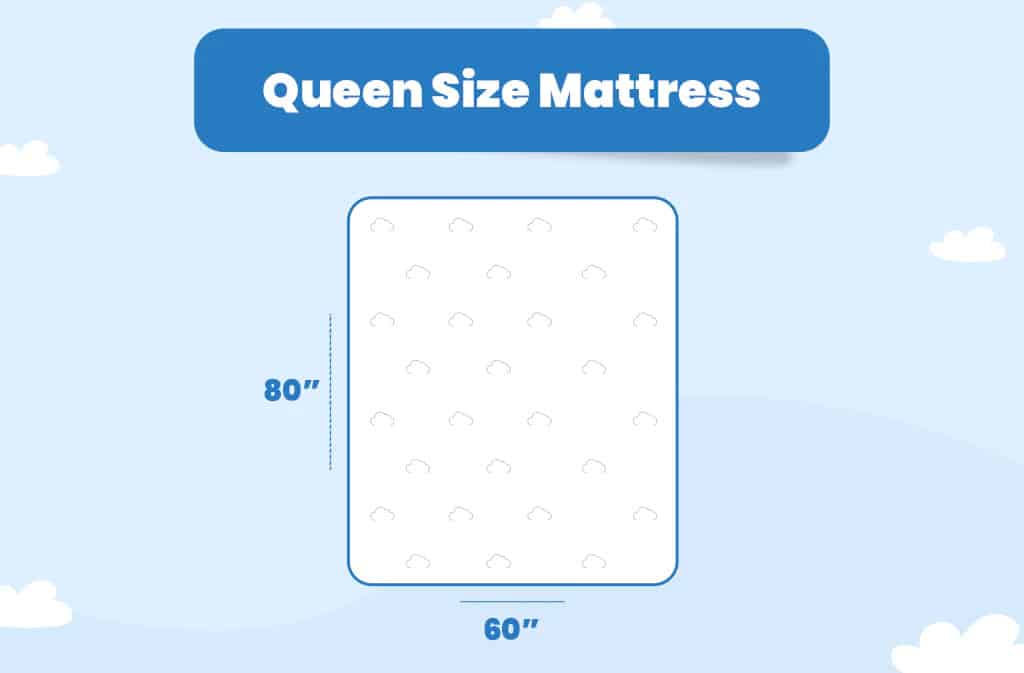
A queen size mattress size is 60 inches x 80 inches (width x length).
Queen size mattress brings comfort that brings ultimate happiness to life. This is why this mattress size is the go-to choice for most bedrooms in the United States.
A survey by Sleep Products Association (albeit dated) shows the results of the purchase of different bed sizes in the U.S. mattress market:
Queen beds: 32%
Twin beds: 30%
Full beds: 21%
King beds: 7%
A queen-size mattress is perfect for single sleepers who like to sleep more comfortably in a little more space. Also, for couples living in a small apartment who want a cozy good night’s sleep, these queen size bed measurements are great!
Types Of Queen Size Mattresses
Apart from the size, the queen size mattress is also available in various types. And for a good sleep, you cannot overlook this factor.
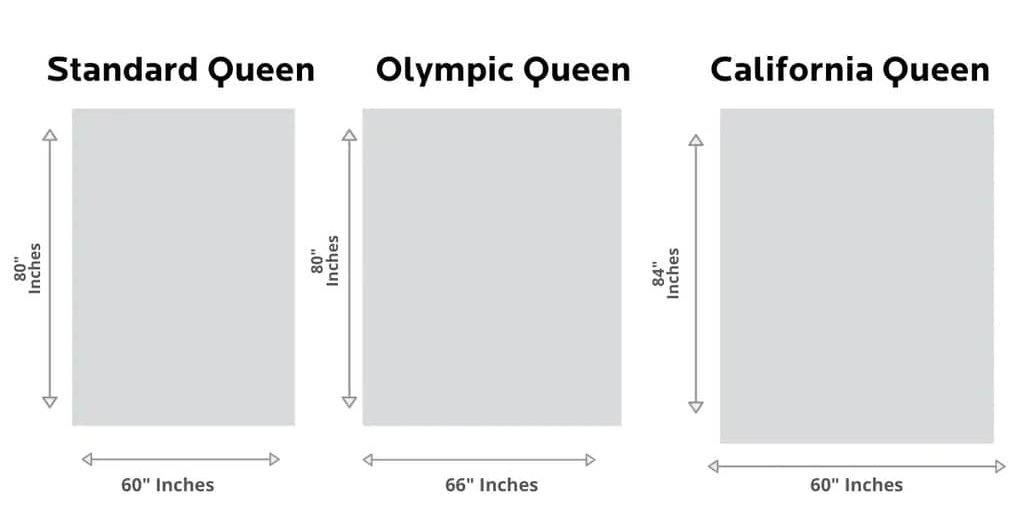
Olympic queen, also known as expanded queen mattresses, are available in sizes 66″ x 80″ (167.6 cm x 203 cm). This means queen size mattress dimensions in inches have the same length but are six inches wider than the standard queen mattresses.
Olympic queen size bed dimensions are a bit larger, and that’s why they are popular in RVs and camper trailers. So, Olympic beds are easily available in the market, but their mattress is a bit difficult to find.
California Queen
California dimensions on queen size beds are 4 inches (10 cm) longer than a regular queen bed size mattress. So, the California queen size bed measurements are 60 inches wide by 84 inches long.
The extra inches will allow you to relax more comfortably at the edge of the bed so that you don’t hang over at the bed end. Despite their extra wide sizes, these mattresses are mostly obsolete.
Split Queen
Split queen mattresses are nothing different. These have similar measurements as the standard queen size bed but are split down the middle.
As its name suggests, these mattresses can be folded in the middle for various requirements. So, each half part of the split queen size bed dimensions is about 30″ by 80″ (76 cm x 203 cm).
Here are the three most common styles of queen bed dimensions chart:
Queen Bed Sizes
Queen-Size Bed Dimensions (in)
Queen-Size Bed Dimensions (cm)
Standard Queen-Size Bed
60″ X 80″
152.5 cm X 203.5 cm
California Queen-Size Bed
60″ X 84″
152.5 cm X 189 cm
Olympic Queen-Size Bed
66″ X 80″
167.6 cm X 203.5 cm
You can also select the queen size mattress apart from the dimensions on queen size bed based on material.
Queen size mattresses are available in two different materials, such as:
Memory Foam
These queen-size mattresses have soft and supportive memory foam, which helps you get a comfy sleep. The Memory foam queen mattress gives cooling for hot sleepers. It also offers motion isolation which is great for couples sharing the bed.
Hybrid Queen Mattresses
If you’re looking for a queen size mattress that gives you pressure relief, a hybrid queen mattress is a great option. This one has an inner support layer constructed with foam-encased coils. This is why it has more bounce and gives more support to the body.
Queen vs. King Size Beds: Comparison
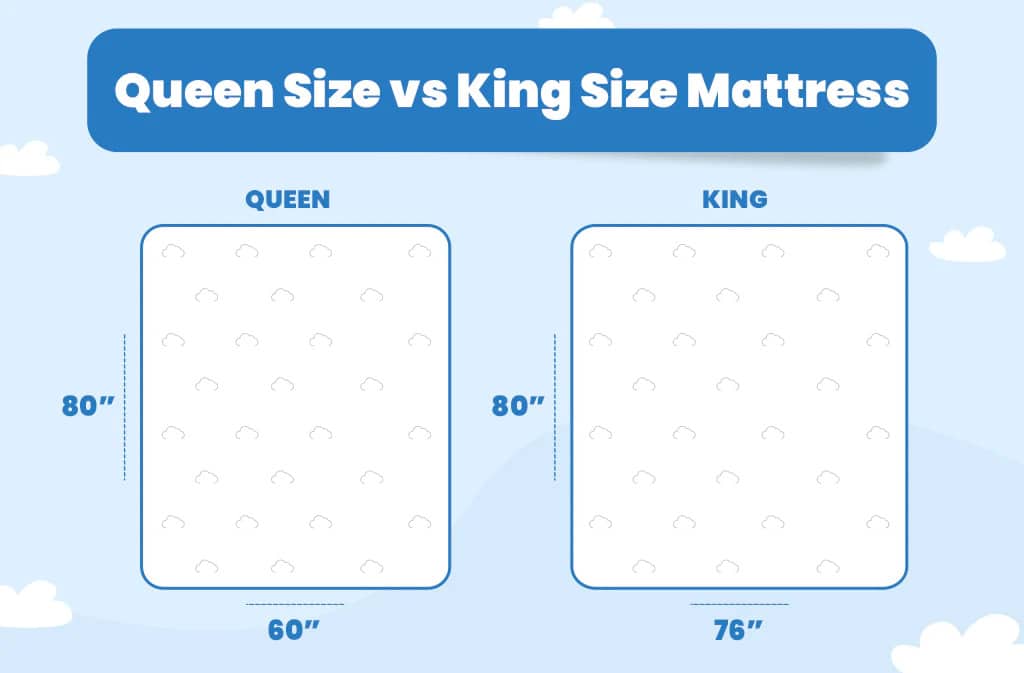
At first glance, you might get confused between a king-size bed or a queen size bed and thinks both are the same. They might seem similar and have the same length, but there is a difference in width. Therefore, it’s vital to check the measurements of a queen size bed, like queen bed size in feet or inches.
A king size bed mattress is 16 inches more width than the dimensions on a queen size bed.
Compared to the queen size bed dimension, the king size bed has more space. So, it is perfect for heavier-set sleepers or people who like to have extra space on the bed while sleeping. You can go with California king mattresses about 84 inches long and 72 inches wide.
However, one thing you should keep in mind while purchasing any mattress is the room size. So if you want a king size bed, you must consider your room size apart from king size bed dimensions. Your bedroom should be at least 12 by 12 feet so that your mattress can comfortably fit in. Another thing to consider is the price because, as compared to queen size beds, king size beds are more expensive.
Here is the complete comparison table of king double vs queen size bed:
King Size Bed
Queen Bed
Width
76 inches (193 cm)
60 inches (152 cm)
Length
80 inches (203 cm)
80 inches (203 cm)
Width per person
38 inches (96.5 cm) per person
30 inches (76 cm) per person
Cost
More expensive
More costly than twin or full size bed, but less expensive than king beds.
Usage
Best for master bedrooms.
More suitable for guest rooms and smaller master bedrooms.
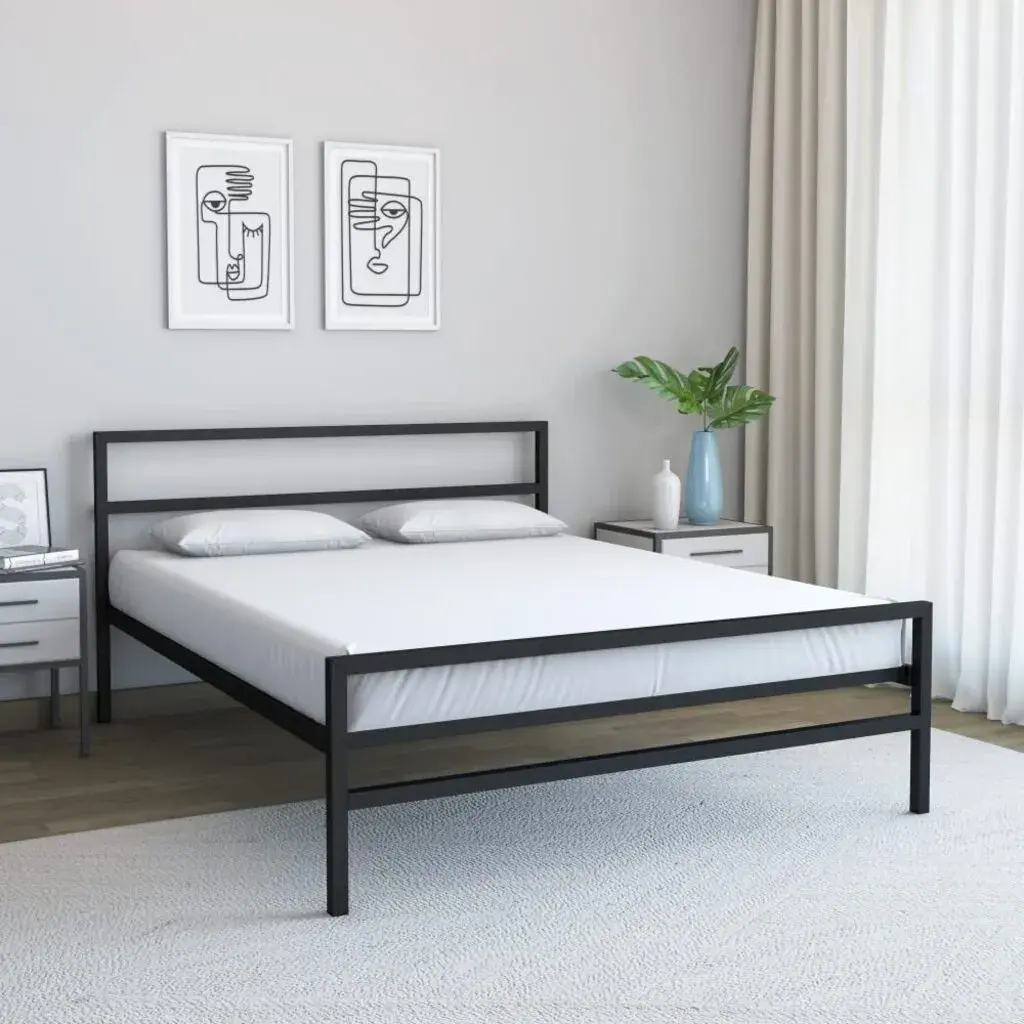
Frame
A bed frame is required.
A bed frame is required.
Popularity
7% of all mattress purchases in the US.
32% of all mattress purchases in the US.
Suitable For
Couples, and people who are bigger in size.
Couples or for somebody who is tall.
Pros And Cons Of Queen Size Bed
Source: shopify.com
Now let’s look at the advantages and disadvantages of queen size beds:
Benefits
Queen size bed requires less space compared to king size bed. So it can easily fit into a small room.
It can comfortably accommodate two adults and growing children.
Spending money on a queen size mattress is a one-time investment.
This mattress can fit into every frame dimensions on queen size bed.
This mattress size is perfect for growing kids.
From toddlers to adult-sized teenagers, children can peacefully sleep on this bed. So, you don’t have to invest money in bed again and again. So, it also saves you money.
Queen size mattress is the most popular mattress size in America. This is why it is easily available in stores and online.
Various sizes and style options are available in the queen size bed dimensions.
On average, the queen size mattress is available at a range of $600 – $1500, which is lower than a conventional king-size mattress.
Queen size bed dimension is perfect and great for adults and kids. It gives enough space and comfort for a good night’s sleep.
Unlike other bed mattresses, the queen size mattress is not heavy. You can easily carry and move it.
Drawbacks
A queen-sized mattress is a good option for couples, but if someone is taller than the average population in America, this mattress size would not be enough for them.
Queen size bed doesn’t look great in big, huge rooms.
Pros
Cons
Less space requirement
Not Suitable for a tall couple.
Offers ample space
Look awkward in a too big room.
Affordable
Long term investment
Easily available
Lightweight
Great mobility
What to Look for While Buying a Queen Size Bed?
Buying a queen size bed is easy, fast, and convenient. However, you must keep a few things in mind, such as buying a high-quality queen-size bed instead of a cheap queen size mattress.
Here are some of the important factors that you should look out for:
Room Size
Whether you’re buying a queen size bed for a master bedroom or guest room, it is extremely crucial to know the exact room size. This is because after placing the bed and mattress, at least 2 feet of space should be available on the three sides for movement.
According to the dimensions on queen size bed, the room should be 10 x 10 feet to 10 x 14 feet.
Number of People Using the Bed
Queen size mattress is available in various sizes and styles. You can select the one according to the number of family members using it. For example, for couples, the standard queen sized bed is sufficient. However, a California queen mattress will be a perfect choice for a small family with an infant.
Sleeping Patterns
The dimensions of a queen size bed are perfect for restless sleepers or who sleep with a partner. This mattress size is quite comfortable for co-sleeping. And if you want more space, go with an Olympic or California queen size mattress.
Warranty
After checking the size and comfort level, don’t forget to check whether the warranty covers it. Investing in a good mattress is a big thing; it is a long time investment. So, ask the manufacturer or read the terms and conditions to see whether the bed or mattress comes under the warranty clause.
Benefits of Buying Nectar Queen Size Bed
What is a nectar mattress?
Nectar mattress offers great support and relieves body pain. This pressure-relieving mattress is made from a thick layer of gel memory foam that gives a comfortable and good night’s sleep.
So, why should you get a Nectar Queen Size Bed?
From great comfort and support to affordable prices, there are many reasons to buy this mattress.
Here are some of the top advantages of a nectar queen size mattress:
Comfy Five Layer Construction
The dimensions on queen size bed nectar mattress are made from 5 layers of foam construction. It evenly distributes your weight, supports your body, and lets your body slowly sink. It also well supports the body’s major pressure points, such as the shoulder, lower back, and others.
Here are the five foam layers:
Quilted Memory Foam Mattress Cover
Gel Memory Foam
Adaptive Hi Core Memory Foam
Base Layer
Bottom Mattress Cover
High-Quality Construction Materials
The nectar queen sized bed is made from high-quality materials that have the following things:
5-Layer foam construction
Visco elastic memory foam
Tencel fabric queen size mattress cover.
Hi core 9.2-grade transition foam
Base super core supportive foam
Breathable and removable cooling cover
Non-Stop Air Flow
Airflow is necessary for a comfy sleep. The nectar mattress has regular airflow, keeping the body cool and supporting pressure points.
Minimal Motion Transfer
When you want to have a cozy and cuddly time with your partner, but the mattress has too much
motion, it can ruin everything. Get the nectar queen size mattress that comes with minimal motion transfer.
Regular Nectar Vs. Nectar Lush Queen Size Mattress: What’s The Difference?
Here is the difference between the standard nectar mattress and the nectar lush queen size mattress:
Nectar Type
Standard Nectar Queen Size
Nectar Lush Queen Size
Foam Design
Made of 4 foam layers
Made of 3 foam layers
Thickness
11 inches
12 inches
Features
No Cooling Feature
Comes with a cooling Feature
Ideal For
Back and Stomach Sleepers
Side Sleepers
Price
Affordable
Expensive
FAQs
1. What Is the Best Bedroom Size for a Queen Bed?
The queen size bed requires at least 9.6 X 10 square feet to 10 X 14 square feet of space in a room. Apart from this, there should also be more floor space around the bed to walk around.
2. What Is the Depth of a Queen Mattress?
The depth of the queen size mattress is around 8 inches deep to 18 inches deep. On average, most adults in America prefer to sleep on a queen sized mattress with a minimum of 10 inches of thickness.
3. What Is the Difference Between a Queen Bed and a Double Bed?
Queen sized bed dimensions in inches are 60 x 80 inches, and the full-size bed dimensions are 54 x 75 inches.
4. What Are the Queen Bed Frame Dimensions?
Usually, the queen size bed frames are about 60.5 to nearly 70 inches wide and 70 to 90 inches long. This also depends on the materials used and the storage capacity. The queen size bed frame with storage or queen size bed frame with headboard can be up to 90 feet long, and without these things, it can be as short as 70 to 71 inches.
5. How Many People Can Sleep in a Queen Size Bed?
The most popular bed size in the United States is a Queen size bed. It can comfortably accommodate two adults and a small child. It can easily fit into any master bedroom or guest room.
Enjoy a Goodnight Sleep on Queen Size Bed!
Whether you’re shopping for a bed or mattress, getting one that provides great support and comfortable sleep is vital. A good mattress can help your body in many ways, including relieving in body aches and pain, maintaining a better sleeping
posture, and giving you a peaceful sleep.
If you’re a single or couple, you can go with the regular queen size bed dimensions, or if you want more space, go with Olympic or California queen size beds. I hope this in-depth guide on the dimensions on queen size beds has helped you to understand everything about queen size mattresses.
So, get off the couch and buy a queen size mattress!
If you’re looking for a sheet metal manufacturer for your business, there are several factors you need to consider. Sheet metal fabrication is a complex process that requires expertise and specialised equipment. Choosing the right manufacturer can make all the difference in the quality of your products and the success of your business. In this article, we’ll explore everything you need to know to choose the right sheet metal manufacturer.
What Is Sheet Metal Fabrication?
Sheet metal fabrication is a manufacturing process that involves cutting, bending, and shaping sheet metal to create a finished product. Sheet metal can be made from a variety of materials, including steel, aluminium, copper, brass, and titanium. The thickness of the sheet metal can also vary, from thin foil to thick plate.
Sheet metal fabrication is used to create a wide range of products, from small components to large structures. Examples of sheet metal products include car parts, aircraft components, HVAC systems, and metal furniture.
Types of Sheet Metal Materials
Sheet metal can be made from a variety of materials, each with its own unique properties and advantages. The most common materials used in sheet metal fabrication are:
Steel
Steel is a popular choice for sheet metal fabrication due to its strength, durability, and affordability. It can be easily formed and welded and is often used in automotive and construction applications.
Aluminium
Aluminium is lightweight, corrosion-resistant, and has a high strength-to-weight ratio. It is often used in aerospace and automotive applications.
Copper
Copper is highly conductive and has excellent corrosion resistance. It is often used in electrical and plumbing applications.
Brass
Brass is a combination of copper and zinc and has good corrosion resistance and a bright, attractive finish. It is often used in decorative applications.
Titanium
Titanium is lightweight and has excellent strength and corrosion resistance. It is often used in aerospace and medical applications.
Equipment and Tools Used in Sheet Metal Fabrication
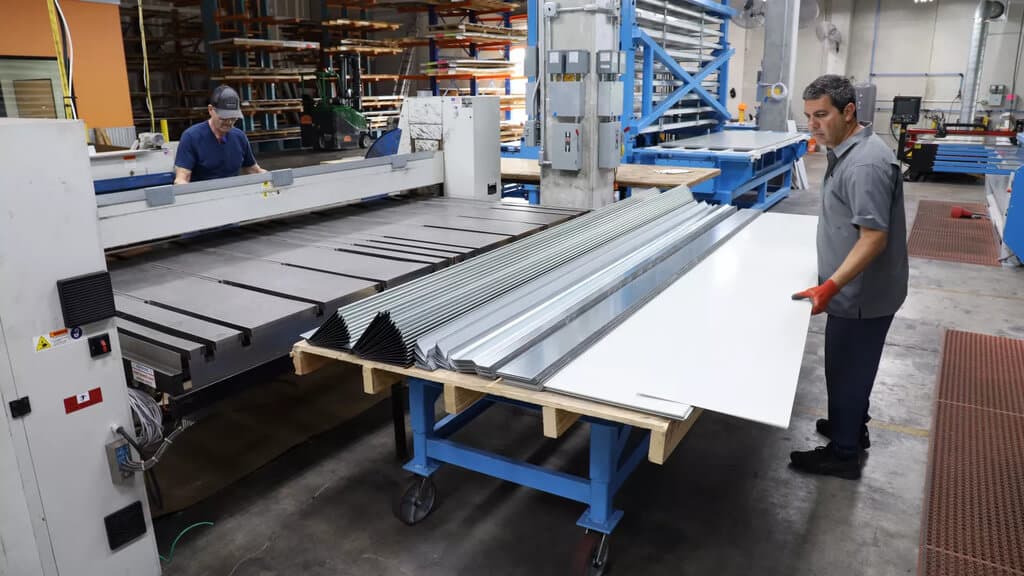
Sheet metal fabrication requires specialised equipment and tools to cut, bend, and shape the metal. Some of the most common equipment and tools used in sheet metal fabrication include:
Shears
Shears are used to cutting sheet metal to size.
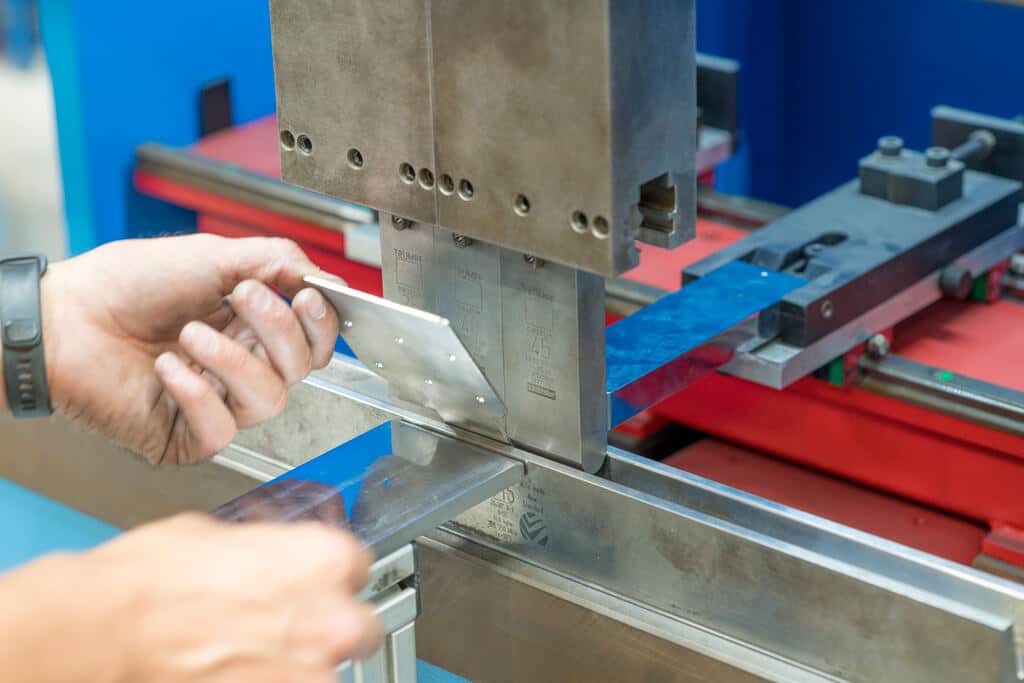
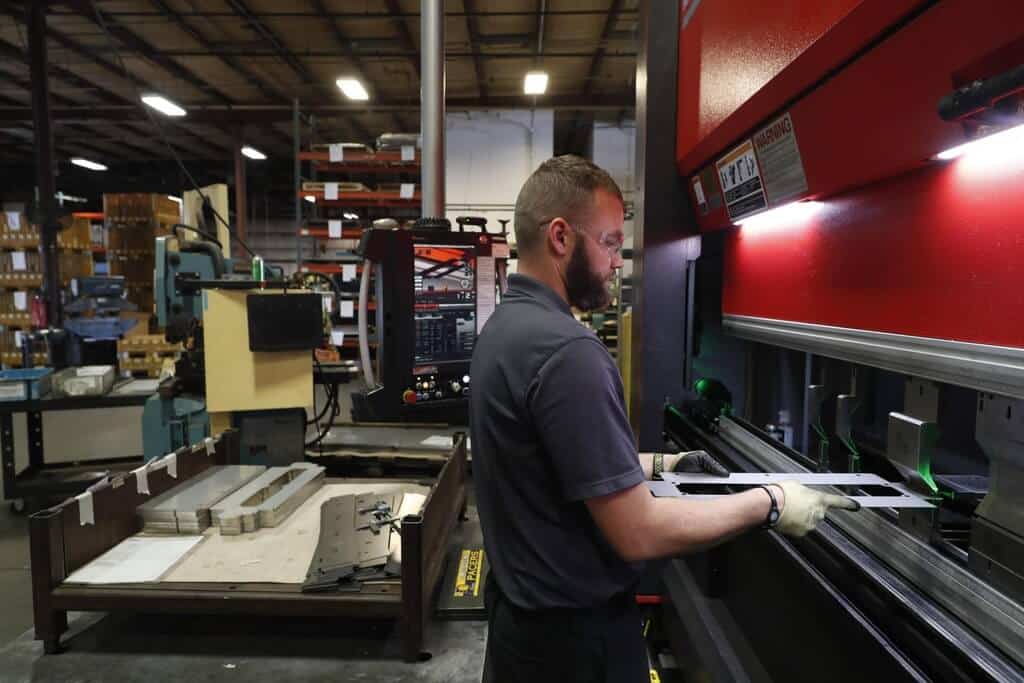
Press Brakes
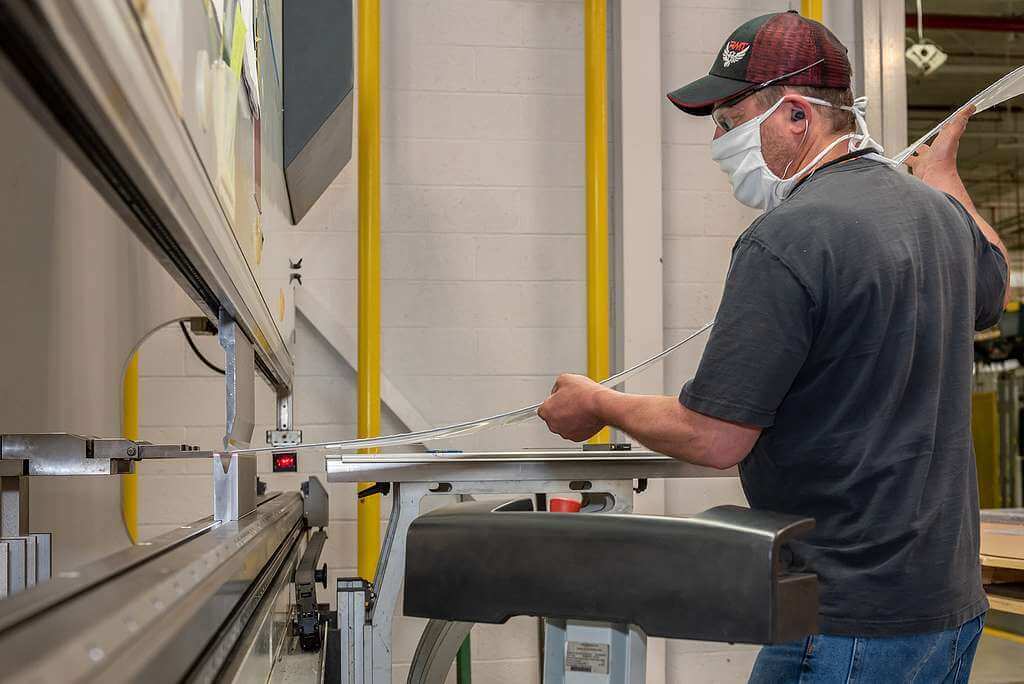
Press brakes are used to bend sheet metal into specific shapes and angles.
Rollers
Rollers are used to create cylindrical or conical shapes from sheet metal.
Punches and Dies
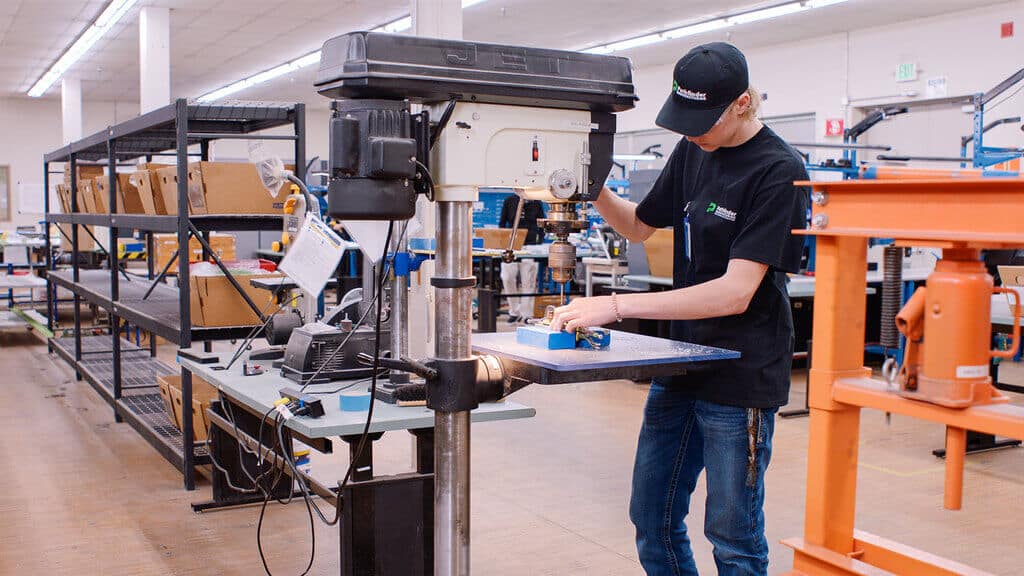
Punches and dies are used to create holes and other shapes in sheet metal.
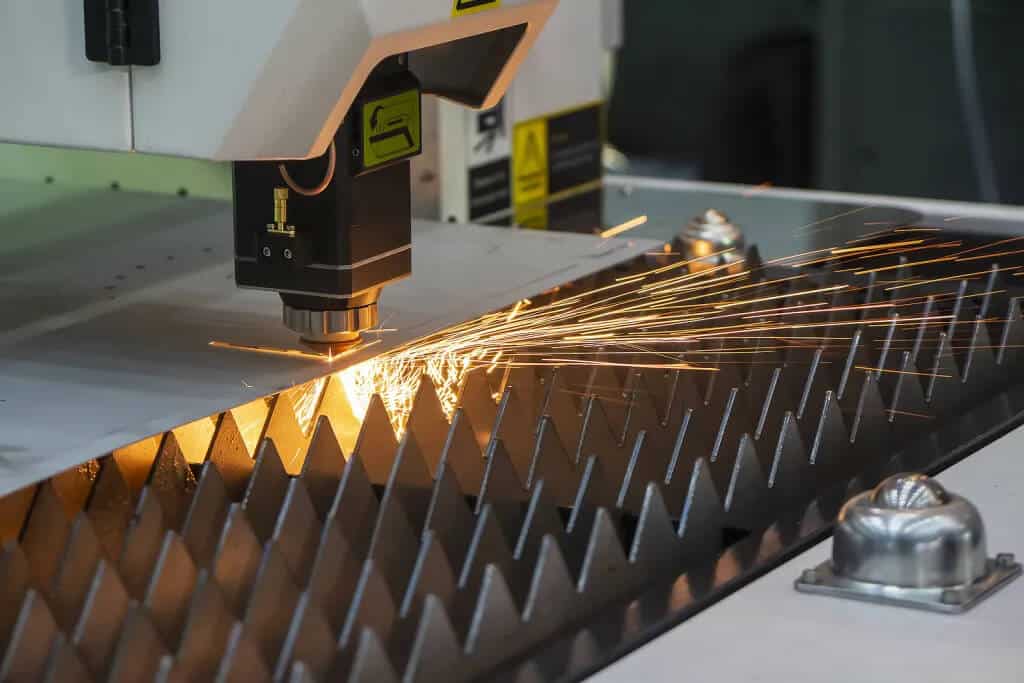
Laser Cutters
Laser cutters use a high-powered laser to cut precise shapes in sheet metal.
Sheet Metal Manufacturing Process
The sheet metal manufacturing process typically involves the following steps:
Design
The product is designed using computer-aided design (CAD) software.
Material Selection
The appropriate sheet metal material is selected based on the requirements of the product.
Cutting
The sheet metal is cut to size using shears, laser cutters, or other cutting tools.
Bending
The sheet metal is bent into the desired shape using press brakes or rollers.
Forming
The sheet metal may be formed into more complex shapes using deep drawing or spinning techniques.
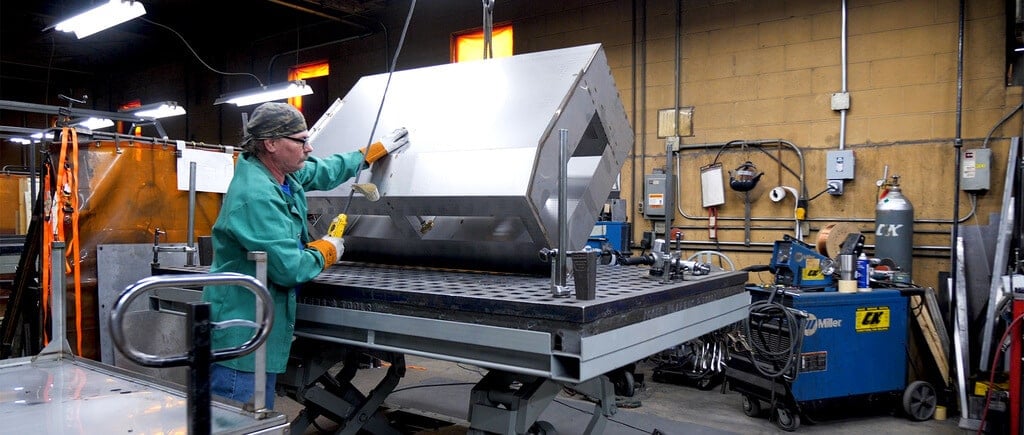
Welding
The sheet metal may be welded together to create a larger structure.
Finishing
The sheet metal is finished with coatings or polishing to enhance its appearance and protect it from corrosion.
Choosing the Right Sheet Metal Manufacturer
Choosing the right sheet metal manufacturer is critical to the success of your business. Here are some key factors to consider when selecting a manufacturer:
Experience and Expertise
Look for a manufacturer with years of experience in sheet metal fabrication. They should have a team of skilled technicians who are experts in their field. Ask for examples of their previous work and check references to ensure they have a proven track record of producing high-quality products.
Quality Assurance
Quality should be a top priority for any sheet metal manufacturer. Look for a manufacturer with a robust quality assurance program in place. They should use advanced testing methods and have a detailed inspection process to ensure that all products meet or exceed industry standards.
Customer Service
Choose a manufacturer that is responsive and communicative. They should be willing to work closely with you throughout the manufacturing process to ensure that your needs are met. Look for a manufacturer that offers transparent pricing and clear communication channels.
Customization Capabilities
Your sheet metal manufacturer should be able to customise their products to meet your specific needs. Look for a manufacturer that offers a wide range of materials, finishes, and production techniques to create a product that is tailored to your requirements.
Turnaround Time and Delivery
Time is money in business, so it’s important to choose a sheet metal manufacturer with a quick turnaround time. They should be able to produce your products efficiently without sacrificing quality. Look for a manufacturer that offers flexible delivery options to ensure that your products arrive on time.
Cost Factors in Sheet Metal Manufacturing
The cost of sheet metal manufacturing can vary widely depending on several factors, including:
Materials
The cost of sheet metal materials can vary depending on the type and thickness of the metal. Steel is generally the most affordable option, while titanium is the most expensive.
Labour Costs
Labour costs will depend on the complexity of the product and the skill level of the technicians involved in the manufacturing process.
Tooling Costs
Tooling costs refer to the cost of designing and producing the moulds, dies, and other equipment needed for the manufacturing process. These costs can be significant for custom products.
Sheet Metal Manufacturing Industry Trends
The sheet metal manufacturing industry is constantly evolving to meet the needs of customers. Here are some current industry trends to watch:
Automation and Robotics
Many sheet metal manufacturers are incorporating automation and robotics into their manufacturing processes to increase efficiency and reduce labour costs.
Advanced Materials
New materials are constantly being developed for use in sheet metal fabrication, including composites and advanced alloys.
Industry 4.0
Industry 4.0 refers to the integration of digital technologies into manufacturing processes. This can include data analytics, machine learning, and the Internet of Things (IoT).
Benefits of Working with a Sheet Metal Manufacturer
Working with a sheet metal manufacturer offers several advantages for businesses, including:
Customization
Sheet metal manufacturers can create products tailored to your specific needs.
Quality
Sheet metal manufacturers have the expertise and equipment to produce high-quality products that meet industry standards.
Efficiency
Sheet metal manufacturers can produce products quickly and efficiently, reducing downtime and increasing productivity.
Cost-Effectiveness
Sheet metal manufacturing can be a cost-effective option for producing high-quality products.
In Summary
Sheet metal manufacturing is a complex process that involves cutting, bending, forming, welding, and finishing sheet metal to create a wide range of products. Choosing the right sheet metal manufacturer is crucial for the success of your business, and factors such as experience, quality assurance, customer service, customization capabilities, and turnaround time should be considered when making your decision.
The cost of sheet metal manufacturing can vary widely depending on materials, labour costs, and tooling costs. However, working with a sheet metal manufacturer offers several benefits, including customization, quality, efficiency, and cost-effectiveness.
As the sheet metal manufacturing industry continues to evolve, incorporating automation and robotics, advanced materials, and Industry 4.0 technologies, it is important to stay up to date on current trends and innovations.
By partnering with a reputable sheet metal manufacturer, businesses can take advantage of the many benefits sheet metal fabrication offers. Whether you need custom parts for your machinery or finished products for your customers, a sheet metal manufacturer can provide the expertise and equipment needed to create high-quality products that meet your specific requirements.
Older houses have lots of character but require plenty of upkeep. Some of the needed repairs make themselves felt or are easily seen, but others are less obvious. By the time they become a real problem, the damage is done. Here’s what you need to know about the less-visible home repairs and upgrades for older houses you might need to undertake.
1. Parging Matters
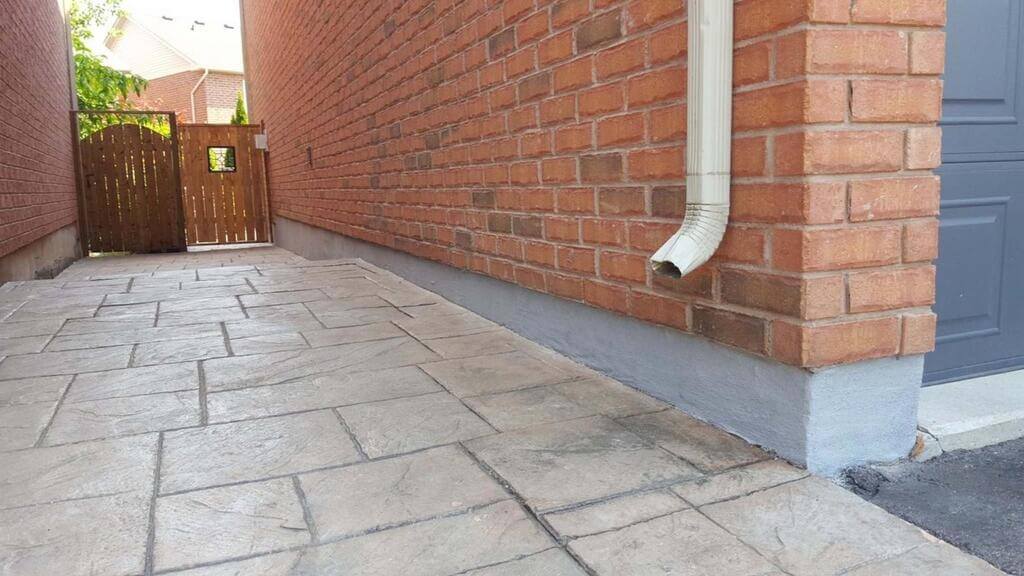
Many people believe that parge, a surface cover for concrete block foundations, is purely ornamental, but it has a practical function too. When the weather is wet, the parging helps to protect the foundations against wet weather. Edmonton Parging explains this very well, so if you aren’t sure what it is and why it needs maintenance, take a look to see why parging is more important than you may have realized.
2. Single-Glazing Means Higher Energy Use
Are your utility bills higher than you expected? Single glazing may be part of the problem. If your windows aren’t double-glazed and you live in a climate that calls for winter heating, it’s time to make the Home Upgrades. While the initial outlay might make you wince, the saving on your energy bill will make you smile!
3. Look to Your Plumbing: Leaks and Lead
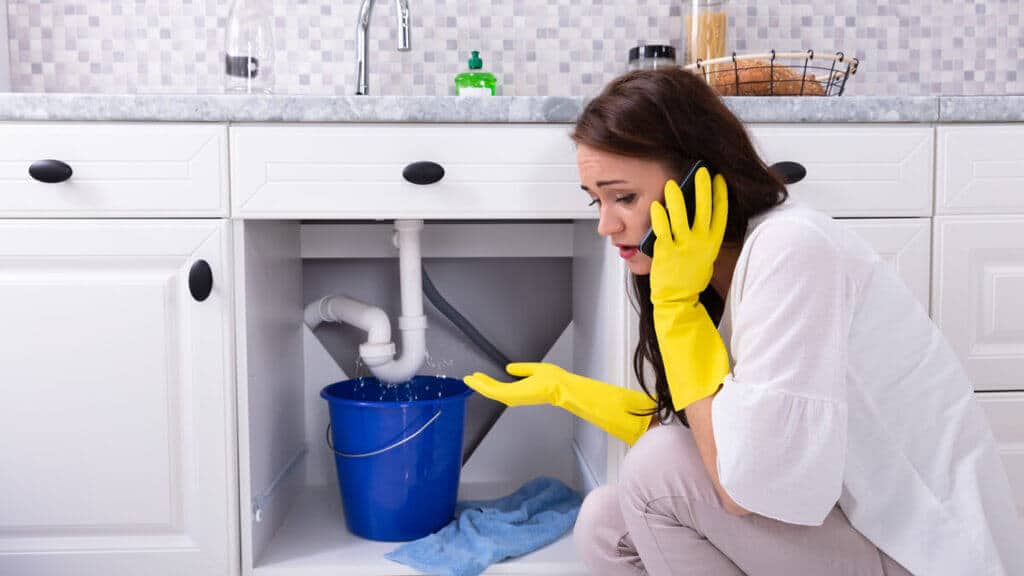
An elderly plumbing system may be less than desirable. Apart from the fact that there may be leaks, older systems were sometimes put together using lead solder. That this is a potential health risk is well-known in recent times, but back in the day, people didn’t understand the dangers of lead leaching into the water supply. Although everything might seem okay right now, get plumbers to check out your system.
4. Your Wiring Might Be Unsafe
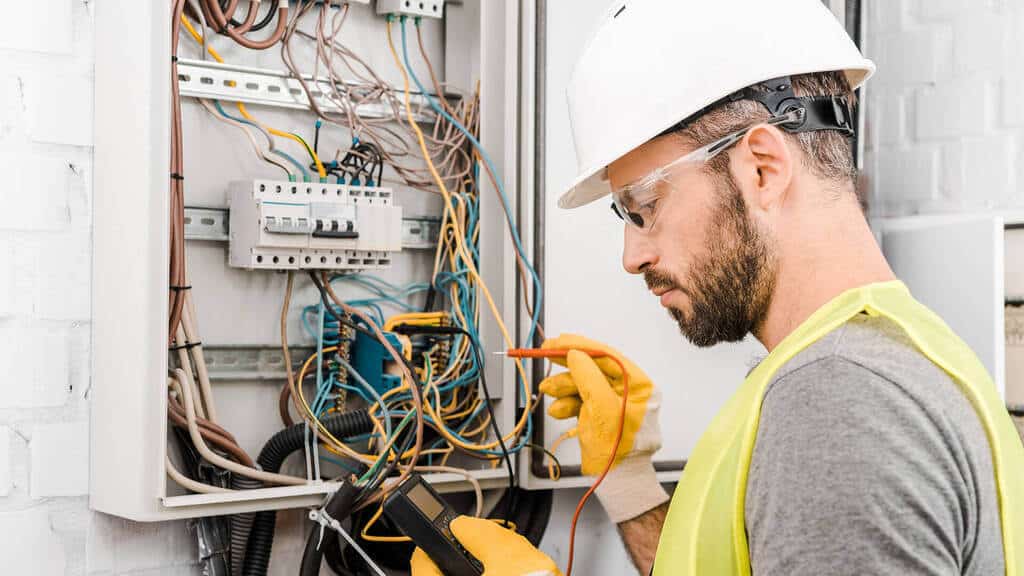
Although uninsulated wiring was the norm in the Edwardian area and is seldom seen today, other electrical hazards only became apparent in later years. Earth grounding, for example, only became a requirement in the 1970s. Apart from that, electrical wiring should be checked out every 10 to 20 years as a minimum. Although regulations require certain safety checks before a home can be sold, one that has been in your family for decades may have unsafe wiring. Have it checked out!
5. Mind the Roof Over Your Head
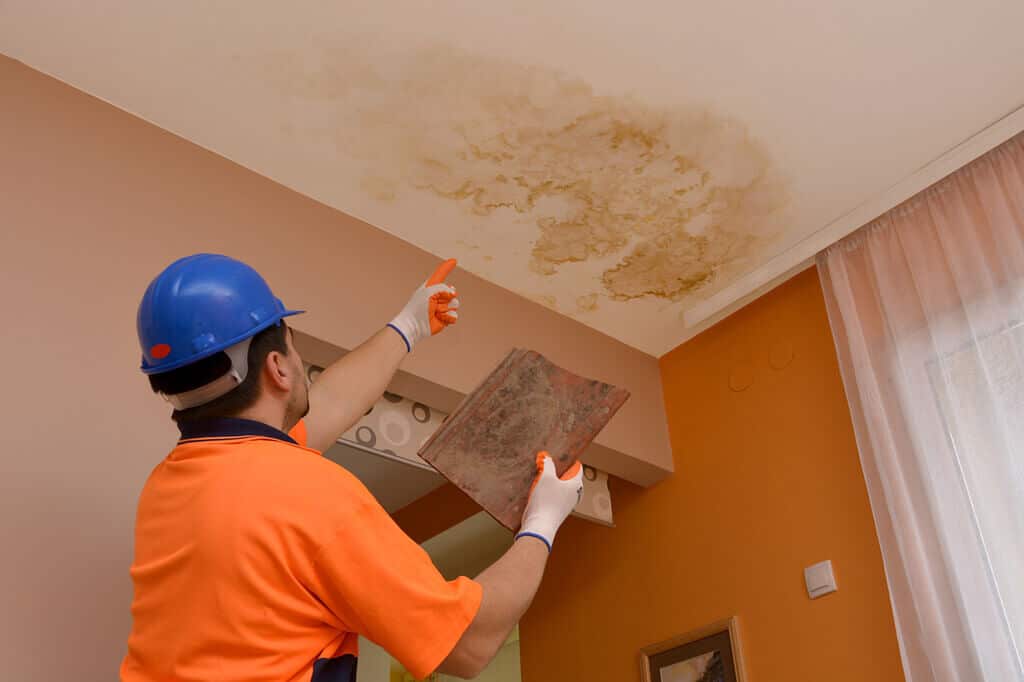
We often speak of homes as the “roof over your head”, but it’s easy to forget just how important that roof can be and what can go wrong after years of wear. If you have obvious roof leaks, it may have been forcibly brought to mind, but the structural integrity of roofs has more to do with the supporting structure than the roof itself.
While re-roofing is a major repair, it’s a vital one to consider when the roof and its supporting beams are no longer as trustworthy as they should be. If you don’t trust roofing companies to give you straight answers, consider getting a home inspection company to check things out.
6. Beware of Asbestos
Asbestos, once hailed as the cheap, easy, and durable material that every building should have, has become the hidden enemy that every owner of an older home should be aware of. When it’s whole and properly sealed off, it can’t do any harm, but as it breaks down, it turns into a potentially fatal health hazard of which you could be blissfully unaware until it’s too late.
If they’re undamaged and undisturbed, asbestos construction materials don’t pose a risk. Still, if you see signs of wear or are planning a remodel that involves tearing out asbestos, you’ll need help. Have your home tested for asbestos, and if it needs to be removed, ensure that properly qualified experts are there to do the job.
Not sure if asbestos-based materials were used in your home’s construction? Home inspectors can help you pinpoint where and how they have been used and whether they’re still safe or must be removed. “Fun” fact: the use of asbestos in construction was only banned in 1989. If your house is older than that, you may want to have it checked out!
Check Your Structure Before Updating the Trim
Much of the advice you’ll find for owners of older homes focuses on cosmetic details, particularly kitchens, and bathrooms. But before you worry about interiors, check older homes for structural soundness, safety, and energy efficiency. While planning a modern kitchen is more exciting than considering parging and having your roof checked out, decor takes second place to structural soundness.
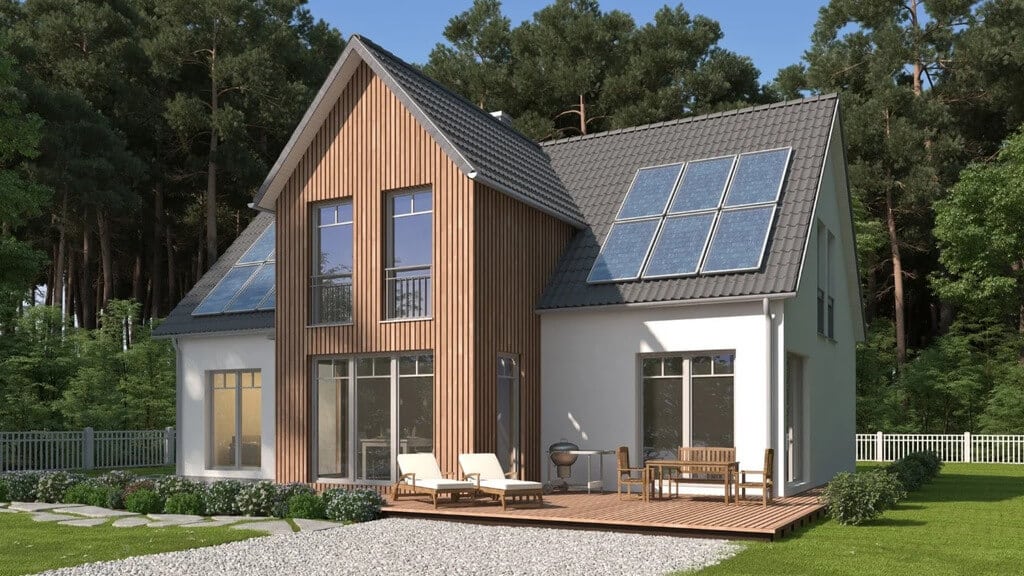
Selecting the best solar panels for your home can be complex, but it doesn’t need to be. It’s crucial to understand that these panels have different types, each with its benefits and drawbacks. Mono-crystalline solar cells are more efficient in capturing sunlight and converting it into energy. In contrast, poly-crystalline ones are less expensive and, therefore, better for home installation if budget is a concern.
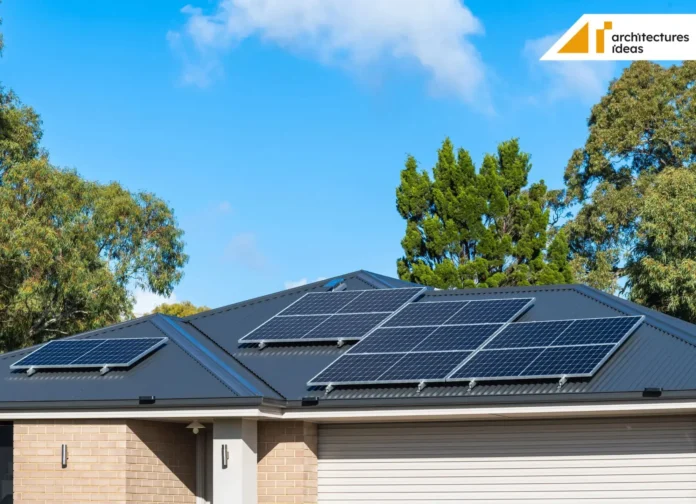
Comfort should also play a role; peel-and-stick models of panel installation require minimal maintenance, whereas roof-mounted ones require professional installation. After all these considerations, you’ll want to choose the best panels that give you the most bang for your buck while still being reliable and durable enough to last. To find the best vendor for these panels, search “solar company USA” for the best results.
7 Ways to Choose the Best Solar Panels for Your Home Online
1. Research Your Current Energy Needs
When you choose the best solar panels for your home, researching your current energy needs is essential. As the initial investment in solar technology can be high, homework beforehand can help you decide what equipment your home needs.
The internet offers a variety of technical information that can help you understand how different 1, as well as the most suitable installation requirements. By researching current energy needs and understanding the latest technological advancements in this field, you can choose the best option for your home’s unique circumstances.
2. Consider the Physical Space Available for Installation
When selecting the best solar panels for your home online, it is essential to consider the physical space available for installation. Your energy needs should be the main factor when deciding, but remember that purchasing an array of panels that cannot fit on your rooftop or in your yard would be futile.
It’s also worthwhile to ensure that essential components like wiring and batteries need regular maintenance and create a safe electrical system. Doing thorough research on your property layout and what fits will ensure you make an educated purchase and get the most out of your solar panel system.
3. Calculate the Cost of Installation and Maintenance
Calculating solar panels’ installation and maintenance costs is a great way to select the best panel for your home that meets your energy needs and budget. Considering the size needed, budget allocated, warranties offered, location, and any special features required can influence your decision in selecting the best solar panel for your home. Additional considerations include if the purchase or lease option makes more sense financially.
When purchasing online, paying attention to small details is essential so you are educated on all facets of the purchase and not simply enticed by upfront discounts or other offers. By weighing these considerations carefully, you can select a reliable and cost-effective solar panel that meets your home’s energy needs.
4. Consider the Local Climate
Solar panels are an attractive choice for homeowners looking to reduce their environmental impact and save on energy costs. Whether or not these panels are best for you will largely depend on your local climate.
Depending on where you live, the amount of sunlight could significantly influence the performance of your panels. Other factors, such as temperature, humidity, and wind, can also be essential in determining how effective these panels will be on your home.
When researching the best solar panel options online, try finding information about nearby conditions that might determine their performance. Not all of these panels are created equal, so consider the climate at your location and the other specifications you require when finding something that suits your home best.
5. Compare Different Brands and Models
One of the best ways to find the perfect solar panels for your home is to compare different brands and models online. Being informed and knowledgeable about the pros and cons of each panel type can allow you to make an educated purchase decision that fits your budget and lifestyle.
These panels come in various styles, features, wattages, and sizes – all with varying costs, depending on efficiency ratings. Thus, it is essential to research thoroughly before making any decisions. Additionally, respected sites or vendors may offer installation packages that may include discounts on both labor and materials, so comparisons are essential
6. Seek Advice from Industry Experts
One of the smartest and most informed ways to select the right solar panels for your home online is to seek advice from industry experts. With their expertise and knowledge of energy efficiency, they can provide insight into available options and trends, helping you decide what option is right for your specific needs and budget.
Whether you’re looking for a solution with long-term ROI or just an aesthetically pleasing option to upgrade your home, understanding the pros and cons of different models is essential to making the right decision. Consulting an expert is often the best way to get reliable information about the latest solar panel options.
7. Make Sure You Understand Any Applicable Warranties or Guarantees
Before purchasing solar panels for your home online, it’s essential to consider any applicable warranty or guarantee information. It is often much easier to find such details online than in-store, so take advantage of that opportunity and read the fine print. Some companies may offer extended warranties or a satisfaction guarantee which help to ensure you make the best choice for your needs.
Furthermore, manufacturer warranties typically cover any potential defects in the product and can provide peace of mind when investing in this type of equipment. Overall, understanding these warranties and guarantees gives you added security when considering whether or not to purchase a specific product from a supplier.
Conclusion
Selecting solar panels for your home should be taken seriously and carefully. Many options are available, and it is essential to research which type of panel will work best for your application. Consider factors such as the quality of materials, warranties, price points, and features to determine which panel fits your needs.
Additionally, be sure to check for any local or state incentives that may help you save money or incentivize the purchase of a particular brand or type of panel. Ultimately, choosing the best panels for your home requires understanding the needs and preferences that are unique to you and your budget.
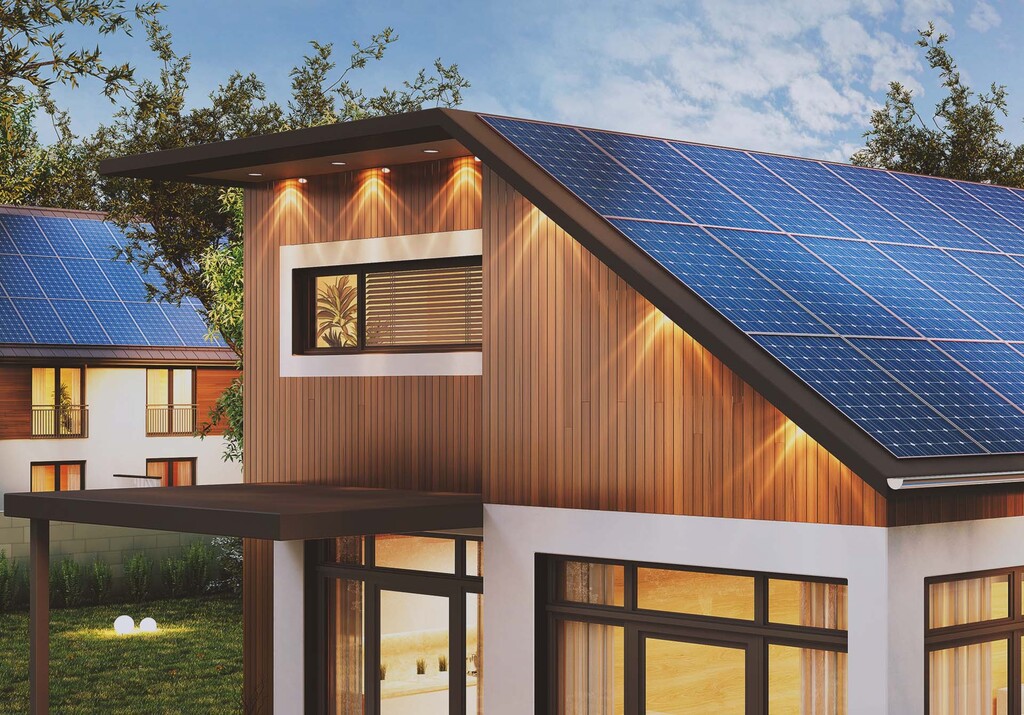
In recent years, many things have changed in people’s lifestyles. The cost of living has gone up, and environmental concerns remain a concern. With rising energy bills, homeowners are open to exploring different ways to cut down their energy usage. At the same time, there’s an urgent need to fight climate change, pushing consumers toward sustainable energy solutions. This is where solar panels play a significant role.
Solar power is experiencing the most rapid growth in terms of adoption and usage. It’s also a major contributor to the global movement toward clean energy. In fact, there’s a projection that it will be the largest source of electricity worldwide at 4.6 terawatts by 2050. And it’s something that more and more people should adopt.
How do solar panels play a role? Read on.
Benefits of Investing in Solar Panels for Your Home
The upfront costs of investing in solar panels may be pricey. However, it does come with benefits that overweighs them.
Here are some benefits you can enjoy.
Help Fight Climate Change
Climate change is a pressing challenge that requires a collective effort. Over the years, the use of fossil fuels has greatly contributed to significant greenhouse gas emissions.
Many organizations have called to completely refrain from using fossil fuels and resort to solar power. This renewable energy source doesn’t emit any harmful greenhouse gases.
The beauty of solar panels is that it helps offset up to 80% of an average home’s carbon emissions. This is equivalent to planting 88 trees per year or taking two cars off the road.
With solar panels, you do your part for the environment. You reduce your carbon footprint and fight climate change.
Increase Energy Efficiency
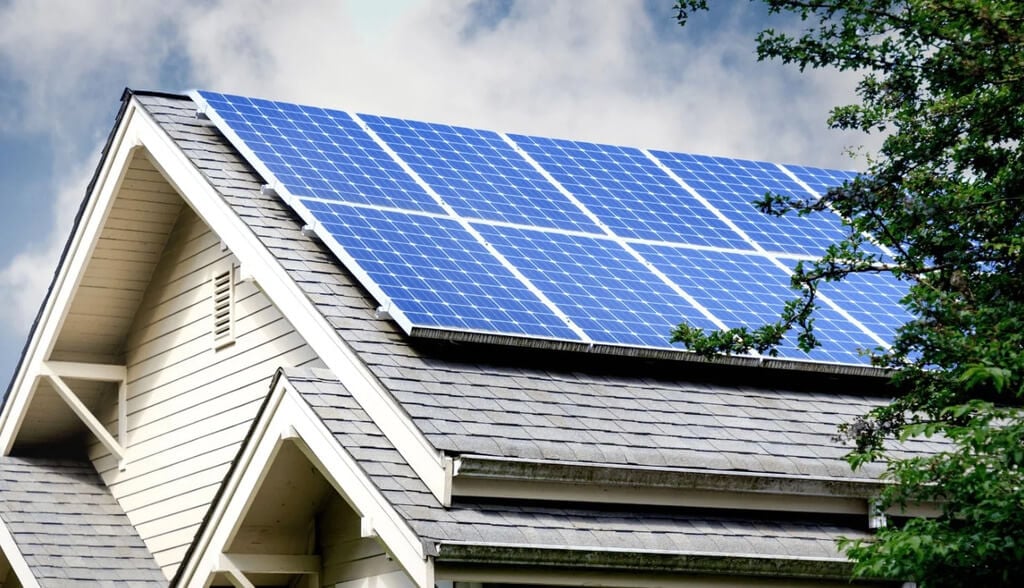
Solar panels do wonders for increasing your home’s energy efficiency. They convert sunlight, a natural source, into electricity, which can then power your home’s appliances and electronics. Since you’re generating your own electricity, you’re no longer reliant on the grid, which, in turn, lowers your electricity bills.
A study found that solar panels can reduce a home’s electricity bills by up to 50%. Note that solar panels have at least 20 years of life span. This means you can save thousands of dollars over your solar panel’s lifetime.
Get Additional Sources of Income
Homeowners can sell any excess electricity they generate back to the grid through net metering programs. This means you can earn credits on your electricity bill or receive payments from your utility company.
In case you don’t know yet, homeowners who invest in solar panels can receive a federal tax credit. The amount is up to 26% of the total cost of their solar panel installation.
Improve Property Value
Solar panels also do wonders in increasing your home’s selling value. Homes with solar panels installed sell for up to 4.1% more than similar homes without solar panels. In New Jersey, properties with solar panels sell for as much as 9.9% more.
Once you’ve decided, don’t hesitate to connect with a solar roofing contractor in New Jersey.
Solar panels are durable, and recent technology has made maintenance easier. There’s a high chance that you can recover the initial cost of your solar panel installation when you sell your home.
Less Reliance on Grid Electricity
Another benefit is the reduction of reliance on grid electricity. They’re critical during power outages and natural disasters when the grid may not be functioning correctly. You can ensure that your home has a constant supply of power.
If you have a battery storage system installed, you can store excess electricity generated during the day. At night, you can use it when the grid is down. This way, you also get to enjoy savings on your energy bills.
Key Takeaways
Having solar panels for your home is a wise decision that’s sure to bring long-term financial and environmental benefits. Investing in solar power is more important now than ever.
If you want to take the leap and invest in solar panels for your home, do your research and find a reputable installer. Check out reviews and carefully scrutinize certifications and warranties to ensure that you’re getting the best quality and service.
Remember, the benefits of solar panels extend far beyond just saving money. They’re also the key to a cleaner and more sustainable future for all of us.
Both gamers and movie buffs are enthralled by the quest to build the most immersive home theater experience. Choosing between a projector and a TV is a critical choice when constructing the ideal home theater.
This article seeks to emphasize the many benefits of projectors over TVs for home theater systems, offering helpful information to help you make an informed decision.
Larger Screen Size
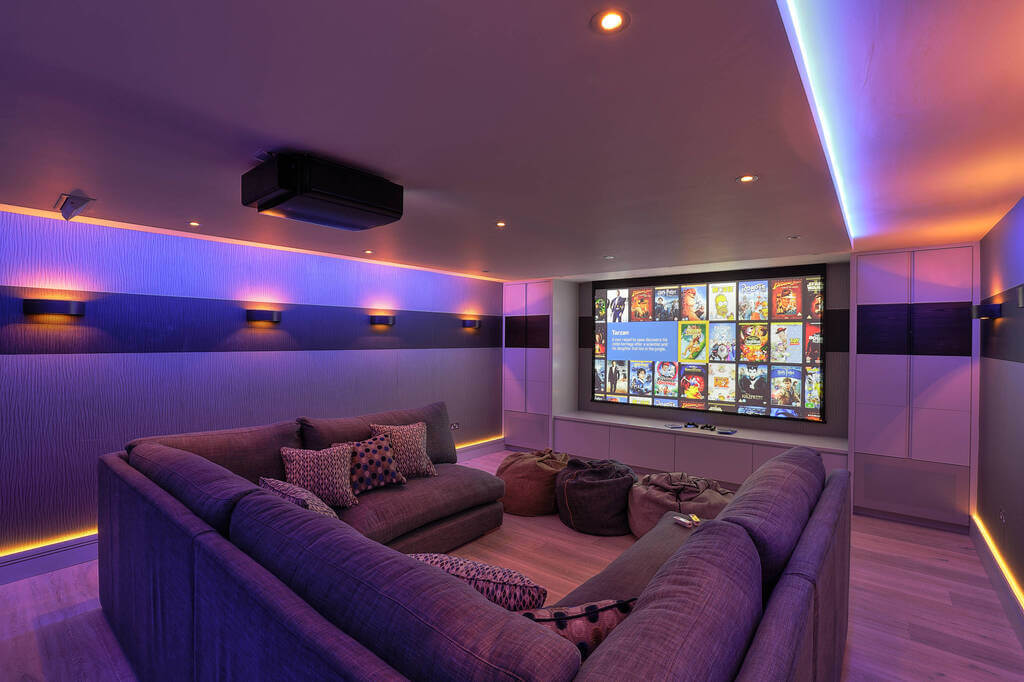
The ability to produce a larger screen size with a changeable image is one of the most convincing arguments for choosing a projector for your home theater. You can create a viewing experience that fits your preferences and available space using projectors.
Even the biggest TVs struggle to deliver the truly immersive visual experience that’s now possible by creating video to completely surround viewers. Moreover, projectors frequently provide improved cinematic attributes, such as true-to-life image clarity and a broader color gamut, creating a genuine theater-like experience at home.
Versatility, Easy Installation, and Space-Saving Features
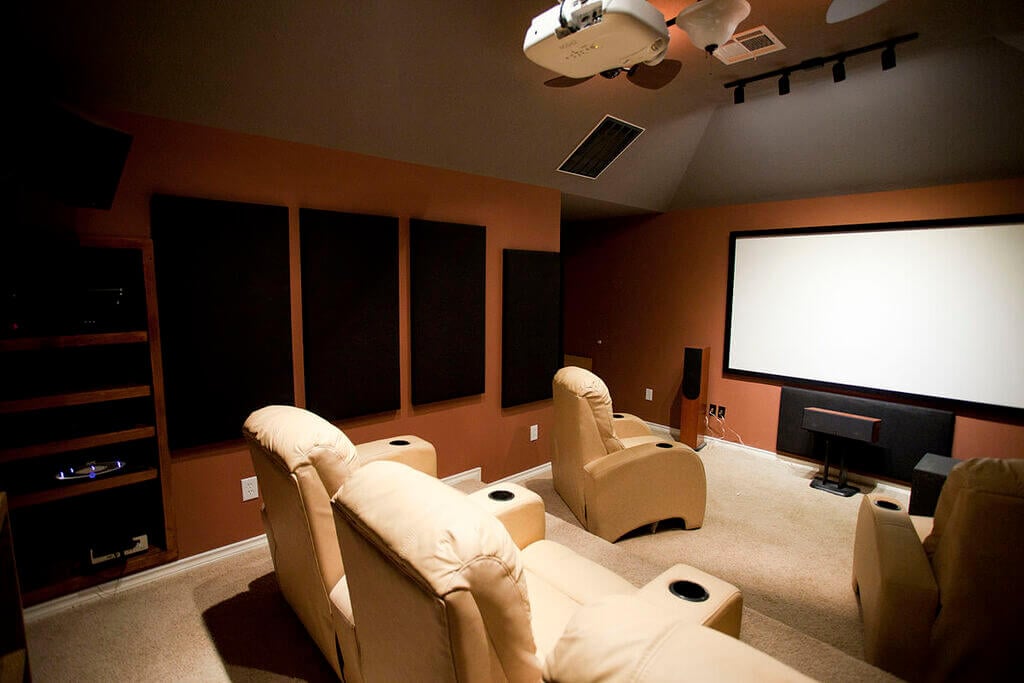
Another advantage over TVs is the versatility of projectors in terms of installation and room arrangement. Projectors can be installed on the ceiling or wall to make better use of the space that is available, thanks to their portable and space-saving features. This flexibility is especially useful for people with limited space or who want to design a multi-purpose room that can house ahome theater.
On the other hand, when it comes to home theaters, TVs have certain inherent restrictions. While larger TVs might be more expensive, their screen sizes are typically more constrained than those possible with projectors. TVs also offer less flexibility in terms of room setup because they have preset viewing distances and angles that can not work with different room sizes or layouts.
Factors to Consider When Choosing a Projector
There are several things to consider when selecting a projector for a home theater. Given the importance of image quality and resolution, alternatives, including 1080p, 4K, and others, are commercially accessible.
The projector’s brightness and contrast ratio are also crucial in creating a high-quality viewing experience. Moreover, connectivity choices like HDMI, USB, and Wi-Fi should be considered because they provide interoperability with different media devices, including game consoles, streaming services, and even home theater components.
Budget and price range are crucial factors to consider when choosing a projector for a home cinema. Although projectors can cost more than some TVs, they frequently provide a better value when considering the potential screen size and image quality. While choosing, it’s important to strike a balance between price and quality.
Following the selection of a projector, there are a few recommendations for perfecting the home theater setup. The placement and mounting of the projector can greatly impact the whole viewing experience.
The visual quality and environment will improve by selecting the proper screen size and material. The finest potential home entertainment experience will be provided by calibrating the projector for optimum image quality, which includes adjusting brightness, contrast, and color settings.
The ability to produce a larger screen size with a changeable image is one of the most convincing arguments for choosing a projector for your home theater. You can create a viewing experience that fits your preferences and available space using projectors. Users may now view movies or play video games with a more immersive visual experience, which is tough to achieve even with the biggest TVs.
Moreover, projectors frequently provide improved cinematic attributes, such as true-to-life image clarity and a broader color gamut, creating a genuine theater-like experience at home.
Conclusion
A comparison between projectors and TVs is necessary to arrive at the ideal home theater experience. With their capacity to produce large, flexible images, projectors offer an immersive visual experience that even the biggest TVs struggle to match.
Also, they provide improved cinematic attributes, such as realistic image quality and a wider color spectrum, to replicate the theater experience at home. Projectors also have flexible installation options, which makes them ideal for people with limited space or those who want to design a multi-use home theater room.
On the other hand, the intrinsic constraints of TVs are limited screen sizes and less versatility in room design. Image quality, connectivity options, and financial limitations must all be considered to get the most out of a projector-based home theater. You may tailor your home theater experience to your tastes and requirements by carefully choosing and calibrating a projector.
In the end, projectors for home theaters prove to be the best option. Because they provide the ideal fusion of big-screen brightness, cinematic quality, and adaptability, resulting in a genuinely immersive and enthralling home entertainment atmosphere for both gamers and movie buffs.
Waterjet cutting is a versatile technology that has become increasingly popular in the world of architecture. This technology has the ability to cut through virtually any material, from metals to plastics, ceramics to glass, and even stone. It is a precise and efficient method of cutting, making it ideal for architectural projects where accuracy and detail are essential.
In this article, we will explore the advantages of waterjet cutting for architectural projects and discuss how this technology has revolutionized the field.
Advantages of Waterjet Cutting in Architectural Projects
Precision Cutting:
Waterjet cutting machine is highly accurate and precise, with a cutting tolerance of +/- 0.1 mm. This level of accuracy is essential in architectural projects, where even the slightest error can have significant consequences. Waterjet cutting ensures that every cut is precise, clean, and of high quality, allowing architects to easily achieve the desired results.
Versatility
Waterjet cutting can cut through virtually any material, from metal to stone, ceramics to glass. This versatility allows architects to explore different design options without being limited by the properties of the material. Whether you are designing a complex metal structure or a delicate glass sculpture, waterjet cutting can help you achieve your vision.
Reduced Waste
Traditional cutting methods, such as sawing or grinding, can result in significant material waste. Waterjet cutting, on the other hand, produces minimal waste, as it is a non-contact cutting method. This means the material being cut is not subjected to any heat, which can cause deformation or warping. As a result, waterjet cutting is a more sustainable and eco-friendly option.
Customization
Waterjet cutting allows architects to create highly customized designs with intricate patterns, shapes, and details. This technology can easily cut through materials, enabling architects to experiment with different shapes, sizes, and designs. Whether you are designing a building façade, a sculpture, or a decorative element, waterjet cutting can help you achieve your desired result.
Cost-Effective
Waterjet cutting is a cost-effective option for architectural projects, as it reduces material waste and eliminates the need for additional machining or finishing. This technology is also highly efficient, with cutting speeds of up to 600 inches per minute. This means architects can achieve their desired results quickly and efficiently without incurring additional costs.
Waterjet Cutting Process
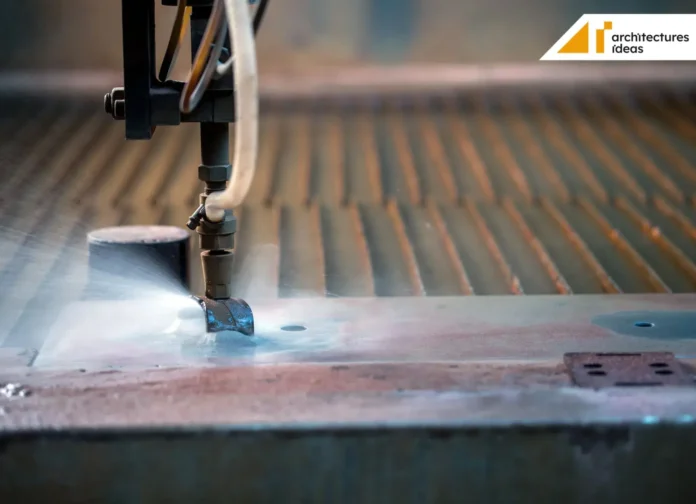
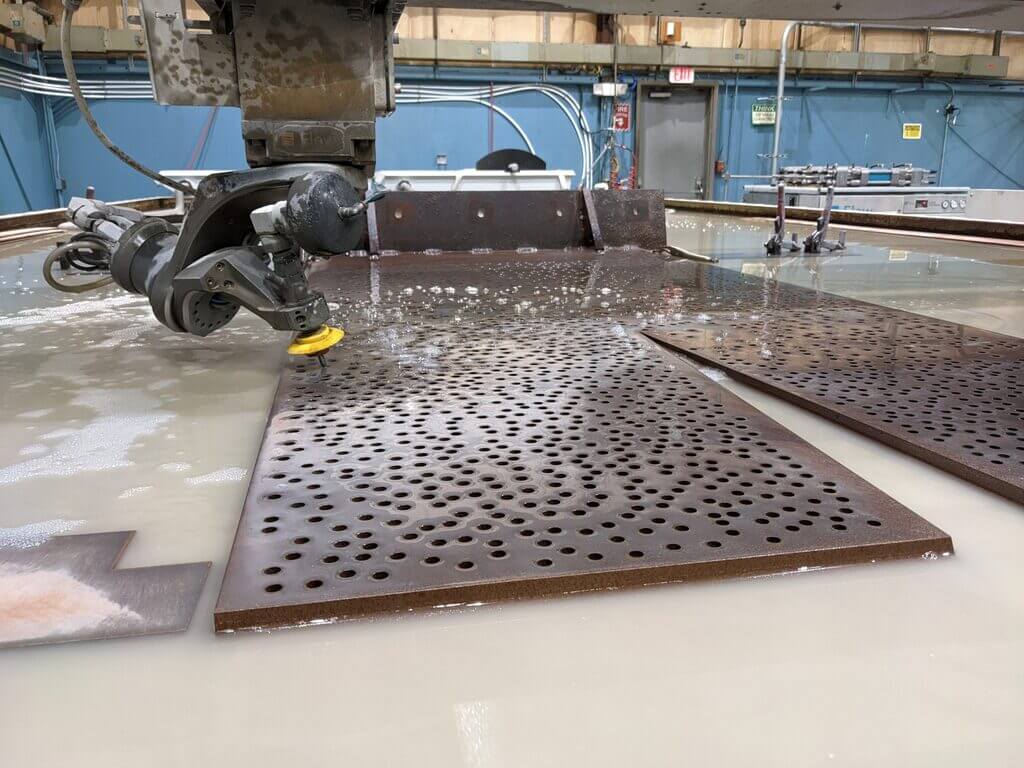
Waterjet cutting uses a high-pressure stream of water, typically with added abrasive particles, to cut through the material. The water is pressurized to up to 60,000 psi and is forced through a small orifice, creating a fine stream. The abrasive particles are added to the stream, which helps to erode the material being cut.
The cutting process is controlled by a computer, which directs the waterjet to follow a specific path based on the design specifications. This ensures that the cuts are precise and accurate and that the material is cut to the desired shape and size.
Waterjet cutting can be used to cut a variety of materials, including metals, plastics, ceramics, glass, and stone. The cutting speed and pressure can be adjusted to suit the specific properties of the material, ensuring that the cuts are clean and accurate.
Waterjet Cutting Applications in Architecture
The use of water jet cutting in architecture has a wide range of applications. Here are some of the most common uses of waterjet cutting in architectural projects:
Building Façades
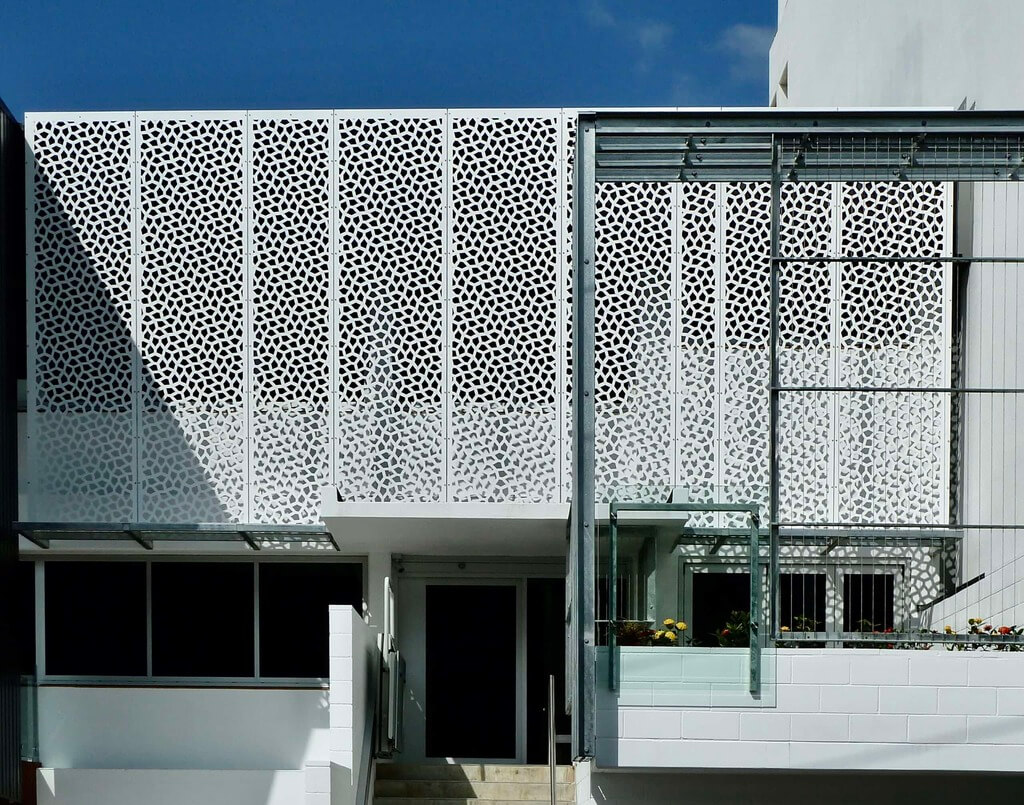
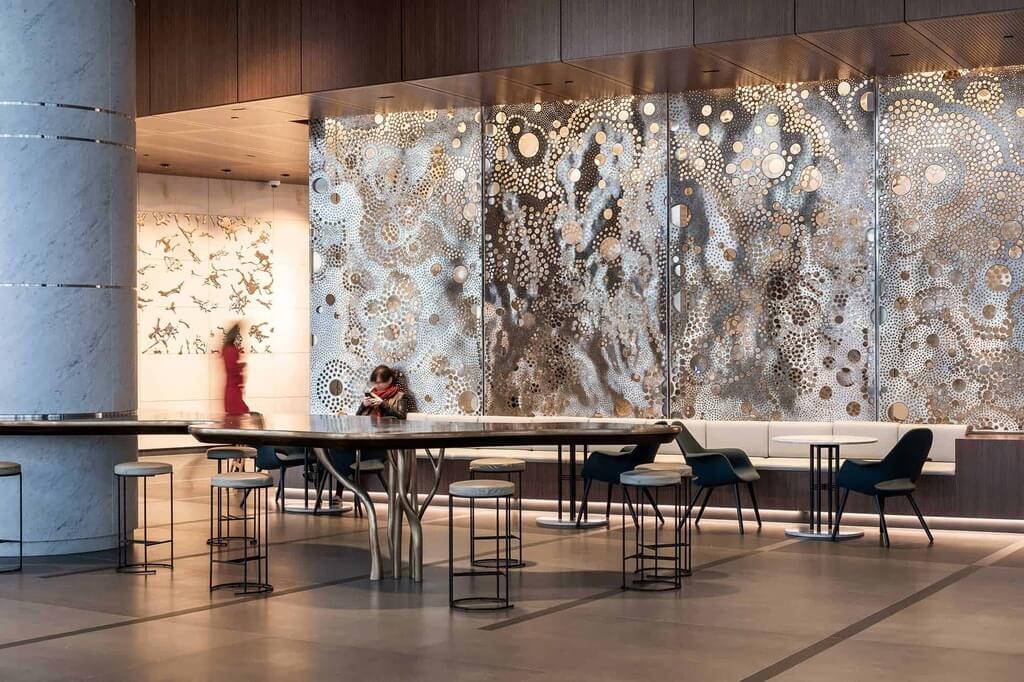
Waterjet cutting can be used to create intricate patterns and designs on building façades, adding a unique and decorative element to the building. The precision and accuracy of waterjet cutting ensure that the design is executed perfectly, and the durability of the materials used ensures that the façade remains intact for years to come.
Interior Design Elements
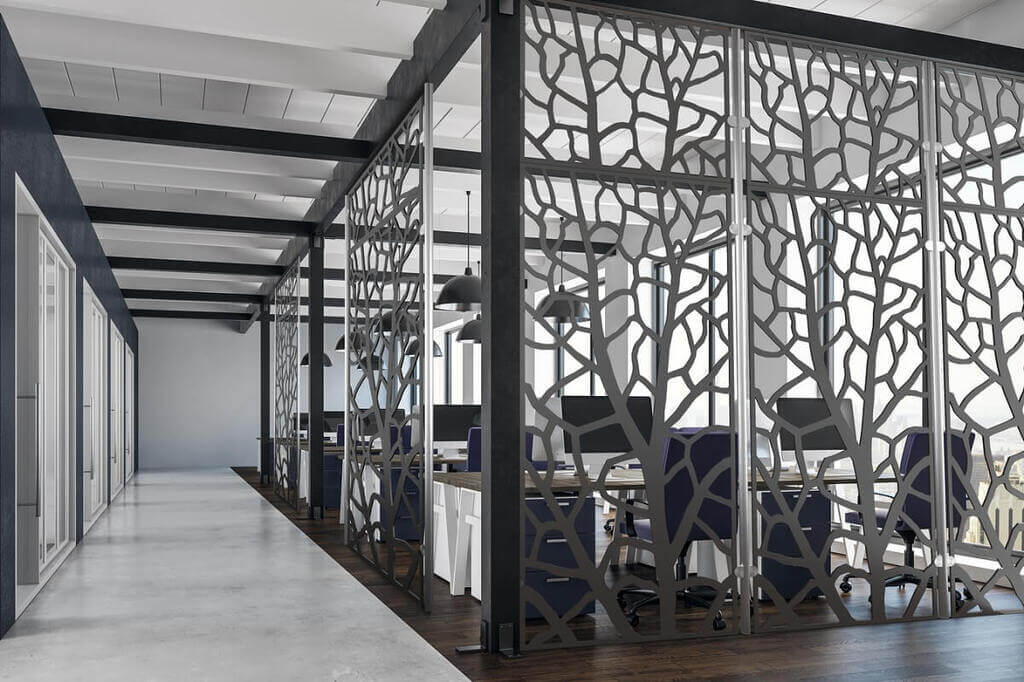
Waterjet cutting can be used to create a variety of interior design elements, such as wall panels, room dividers, and decorative screens. These elements can be customized to fit the design specifications of the space and can add a unique and modern touch to any interior design project.
Sculptures and Art Installations
Waterjet cutting can be used to create intricate sculptures and art installations with precise cuts and intricate details. The versatility of the technology allows artists and designers to experiment with different materials and designs, and the precision of the cuts ensures that the final product is of high quality.
Signage and Branding
Waterjet cutting can be used to create custom signage and branding elements, such as logos and lettering. The accuracy of the cuts ensures that the final product is professional and polished, and the versatility of the technology allows designers to work with a variety of materials and sizes.
Custom Furniture
Waterjet cutting can be used to create custom furniture pieces, such as tables, chairs, and cabinets. The precision and accuracy of the cuts ensure that the furniture pieces are of high quality and fit perfectly in the space they were designed for.
Best Materials for Waterjet Cutting in Architectural Projects
Metals
Waterjet cutting is an ideal option for cutting metals, such as aluminum, steel, and copper. The precision and accuracy of the cuts ensure that the metal pieces are of high quality, and the versatility of the technology allows architects to experiment with different shapes and designs.
Glass
Cutting glass with a waterjet cutter can be used for intricate shapes and designs, making it an ideal option for creating decorative glass elements in architectural projects. The precision and accuracy of the cuts ensure that the glass pieces are of high quality and safe to use.
Stone
Waterjet cutting is an ideal option for cutting stones, such as marble, granite, and limestone. The precision and accuracy of the cuts ensure that the stone pieces are of high quality and fit perfectly in the space they were designed for.
Plastics
Waterjet cutting can be used to cut a variety of plastics, including acrylic and polycarbonate. The precision and accuracy of the cuts ensure that the plastic pieces are of high quality and safe to use.
Ceramics:
A waterjet cutter can be used to cut ceramics into intricate shapes and designs, making it an ideal option for creating decorative ceramic elements in architectural projects. The precision and accuracy of the cuts ensure that the ceramic pieces are of high quality and durable.
Conclusion
Waterjet cutting has revolutionized the field of architecture, providing architects and designers with precise, efficient, and versatile cutting technology. Whether you are designing a building façade, a sculpture, or a decorative element, waterjet cutting can help you easily achieve your desired result.
Its precision and accuracy, combined with its versatility and sustainability, make it a cost-effective and eco-friendly option for architectural projects. By using the best materials and following the recommended content structure and formatting rules, architects and designers can create stunning and unique architectural designs that stand the test of time.
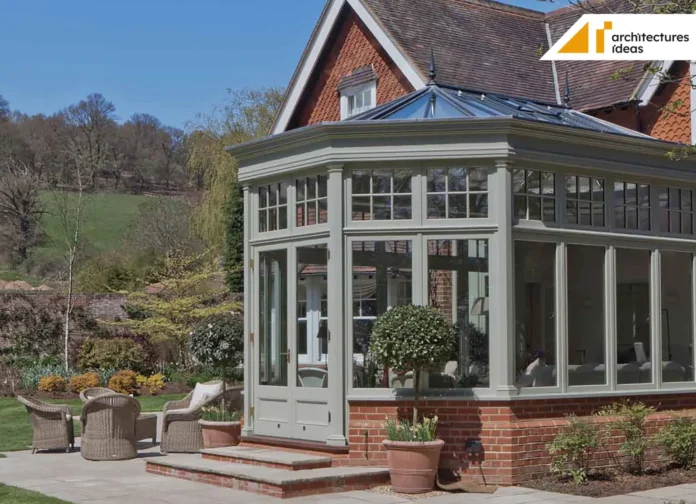
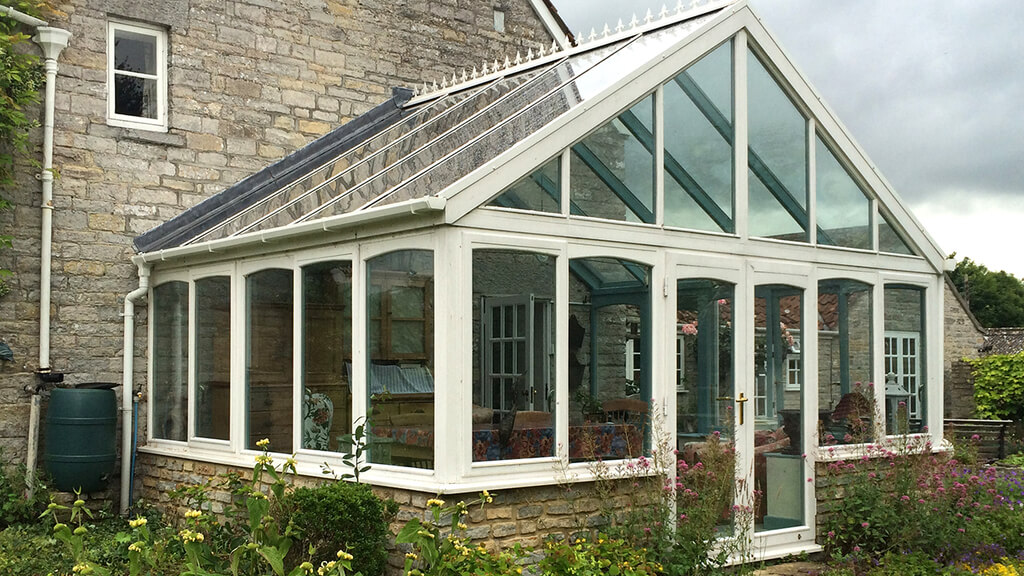
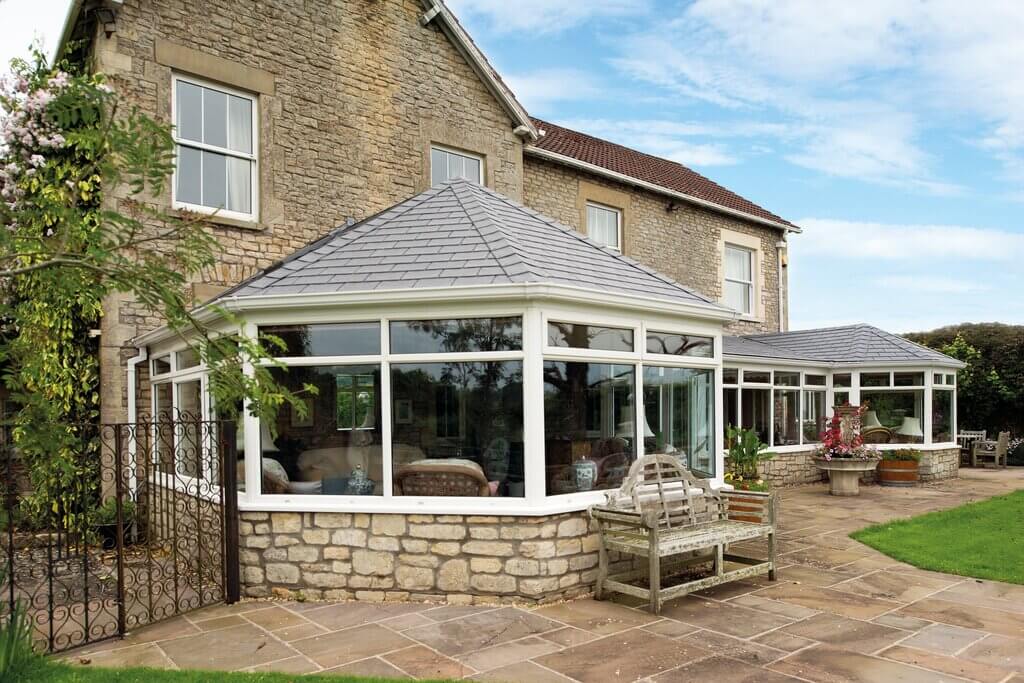
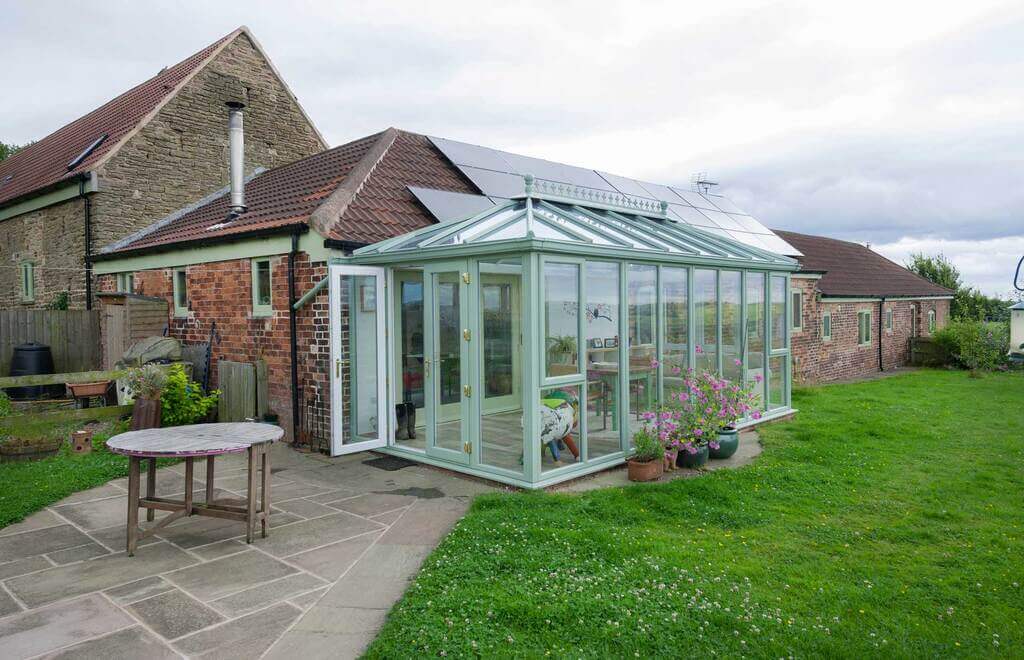
Conservatories are a great place to hang out no matter the time of year, as they provide such a sense of space, light, and openness. However, in the warmer parts of the year, they can get a little too hot to be comfortable, especially if you live in a part of the world where temperatures soar.
To ensure you can use your conservatory year-round, finding ways to keep the space a little cooler during summer is good. Here are some ways to do just that.
Install Heat-Reflective Glass
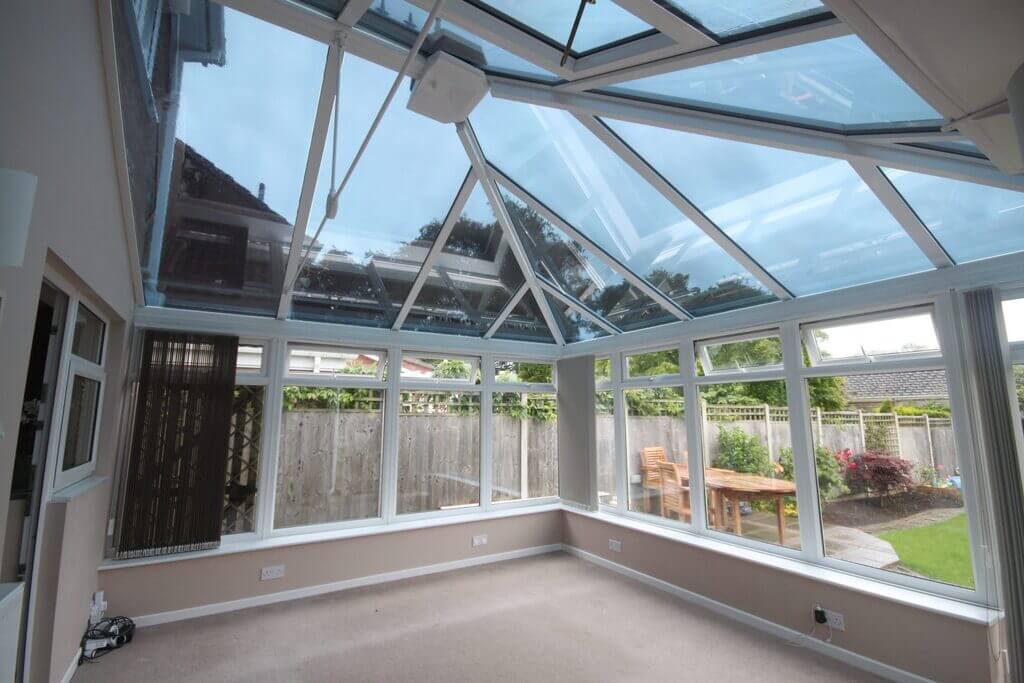
Start by installing some heat-reflective glass in your conservatory to help block out the natural light. While this sunny part of your home may already have double glazing to help reduce noise, this won’t do much to combat the heat. The reflective glass, though, is specifically designed for conservatories and other glass-heavy rooms and stops heat from passing through the glass, warming up the space inside.
Heat-reflective glass still lets in plenty of light, so you don’t have to worry about that, and you can see through it just fine. You should also find that your conservatory is warmer in winter since the special glass helps to keep the heat in during that time of year. As such, your investment can pay off in spades.
Take Advantage of Windows and Blinds
Another great way to lower the temperature in your conservatory during summer is to take advantage of windows. It’s important to get proper circulation in the room to release the hot air that otherwise gets trapped in it, leading to the zone getting hot. Hopefully, you’ll get cool breezes coming through open windows (or doors), too, to cool the space down further. Adding some extra ventilation through vents installed on the roof is also helpful.
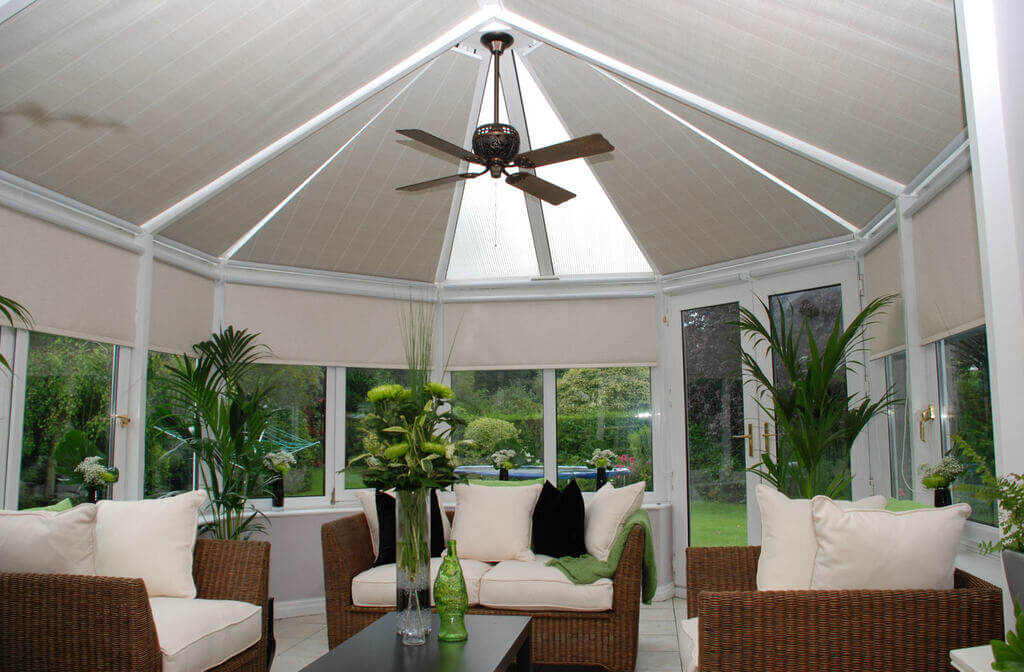
Plus, don’t forget to utilize some well-made blinds in your conservatory to block out heat, especially during the warmest times of the day. A wide array of blinds is available with something to suit most tastes and budgets, and you’ll notice that adding these soft furnishings also gives you more privacy.
In addition to standard window drapes, you might consider adding roof blinds to your conservatory. These usually have to be customized to fit the roof size and shape, but again, numerous models are on the market. You may choose handy motorized blinds that are easy to open and close so you can avoid clambering up high to open or shut them at different times of the day. These roof blinds will also help act as winter insulation, which is a bonus.
Put on a Cooling Film
You might not have heard of it before, but the special cooling film can also be put on conservatory windows. This product acts as an adhesive layer that gets put straight onto the glass and reflects heat coming in from the sun’s rays. It also stops harmful UV rays from entering the room. These films considerably lower the temperature and help stop furniture from fading due to light streaming in, so they’re typically well worth the cost.
Install Fans or HVAC
If none of the above options does enough for your needs, you might want to help yourself stay cool in your conservatory by installing ceiling fans or HVAC. Whether you buy a chandelier ceiling fan, a simple low-profile product, a smart fan, or another type, you should find that, when mounted up high, the appliances help to spread air evenly around the room and make it more temperate in turn.
If you have the budget and live somewhere that gets incredibly hot during summer, it’s worth considering air conditioning for your conservatory, too. While they cost a few thousand dollars in most instances, they do provide cooler air very quickly and easily, and you can enjoy heating, as well, if you buy a reverse-cycle option. Of course, your energy bills will rise from using HVAC, so this is something to keep in mind.
Plant Sensible Greenery Outside the Conservatory
One other, longer-term option for lowering the temperature in your conservatory is planting greenery just outside it. This will take a while to grow to give you the shade that will help keep the space cooler, but it can be an excellent option when you know you’ll stay living at a property for years to come.
It’s best to choose deciduous greenery that loses its leaves in the colder time of the year to let in plenty of sunlight during winter when you want it. During summer, though, this type of plant will be thick and bushy and help to protect the conservatory from much of the external heat.
Some people find that choosing one of the above ideas for keeping a conservatory more temperate does the trick, but sometimes numerous avenues need exploring. Test things out to see what works for you based on your home, budget, location, and more.